Control Weeds in Buffalo Grass Without Harming Your Lawn
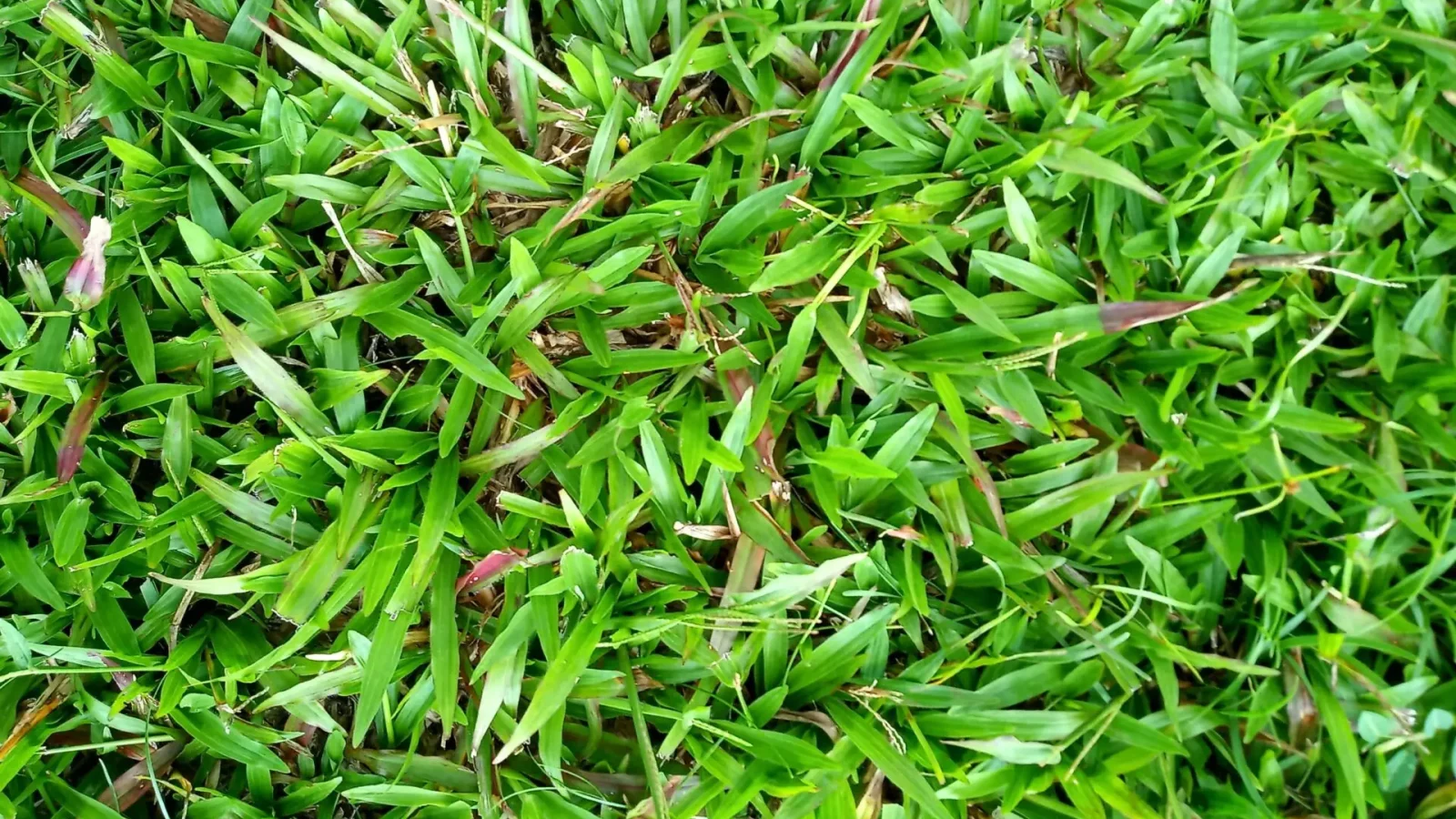
How to control weeds in native buffalo grass without injury comes down to three things. Match the herbicide to the weed. Time the application to the grass's growth stage.
And keep the lawn dense enough to choke out the next wave.
Most injury happens when someone uses a broadleaf killer on dormant grass, sprays during green-up, or picks a product labeled for "turf" without checking if it's actually safe on buffalograss (Bouteloua dactyloides). Buffalograss is a warm-season native with different herbicide tolerances than Kentucky bluegrass or fescue. As of 2026, the safest approach combines a pre-emergent in spring, targeted post-emergents in summer, and cultural practices that keep the canopy thick year-round.
We'll walk through the decision branch in plain English below.
Quick Answer
Control weeds in buffalograss by identifying the weed first. Apply a labeled pre-emergent at 50 to 55°F soil temperature. Spot-treat escapes with selective herbicides labeled safe for buffalograss.
Mow at 2 to 3 inches. Water deeply but infrequently.
Identify the Weed and Your Lawn's Growth Stage First
Before you grab any bottle, you need two pieces of information. What weed are you actually fighting? And is your buffalograss dormant, greening up, or fully active?
The answer to both questions determines which products are safe and which will burn the lawn.
What kind of weed is it?
Buffalograss faces three main weed categories, and each responds to different chemistry.
- Broadleaf weeds: dandelion, plantain, clover, thistles, spurge. These are dicots with net-veined leaves. Most are controllable with selective auxin-mimic herbicides.
- Grassy weeds: crabgrass, foxtail, sandbur, windmillgrass, nimblewill. These look similar to buffalograss, so identification matters. Misidentifying buffalograss seedlings as crabgrass leads to over-spraying.
- Sedges and rushes: yellow nutsedge and purple nutsedge are the big two. They have triangular stems and a glossy leaf sheen. Standard broadleaf and grassy weed herbicides won't touch them.
A handy rule: if the weed is lighter green, faster growing, and has a triangular stem, suspect nutsedge. If it branches in a star pattern and feels rubbery, suspect spurge. If it has a flat, fingered seedhead in late summer, suspect crabgrass.
Where is your buffalograss in its growth cycle?
Buffalograss is a warm-season grass. It greens up in late spring (soil temps above 60°F), peaks in summer, and goes dormant in fall when temperatures drop below 50°F. Herbicide tolerance shifts with these stages.
| Growth Stage | Timing | Herbicide Sensitivity |
|---|---|---|
| Fully dormant | Nov–early Apr | Highest injury risk from broadleaf herbicides |
| Green-up | Mid-Apr to May | Sensitive to 2,4-D, especially during seedhead |
| Active growth | June–Aug | Most tolerant, best window for post-emergents |
| Fall transition | Sept–Oct | Moderate sensitivity, avoid ester formulations |
If your lawn is brown and you're tempted to "clean it up" with a weed killer in January, stop. Brown buffalograss isn't dead. Spraying a post-emergent on dormant grass wastes product and risks slow recovery in spring.
How healthy is the stand?
A thick, dense buffalograss lawn is its own weed control. If you can see bare soil, weeds will fill it. Walk the lawn and note the bare spots.
A typical established buffalograss lawn needs 2 to 3 pounds of pure live seed per 1,000 square feet when patching. Anything thinner than that invites weed pressure regardless of what you spray.
In our research, the most common error is spraying without checking stand density first. The second most common is misidentifying a buffalograss seedhead as a grassy weed and treating the whole lawn.
Pick the Right Herbicide (Or Skip It) by Weed Type
Not every weed needs a chemical solution, and not every herbicide is safe on buffalograss. Here's where the decision tree really starts to branch.
If the weed is a broadleaf (dandelion, clover, plantain)
You've got options. The safest selective herbicides for buffalograss include 2,4-D amine (not ester), dicamba, and MCPA. Carfentrazone is another good choice for spot treatment because it has very short soil residual and minimal translocation.
What to avoid during green-up and seedhead: ester formulations of 2,4-D. The volatility can drift and damage nearby trees, vegetables, and the buffalograss itself. Amine formulations are far less volatile and the standard pick for sensitive sites.
| Herbicide (Active Ingredient) | Safe on Buffalograss? | Best Window |
|---|---|---|
| 2,4-D amine | Yes, with caution at green-up | Late May through Aug |
| Dicamba | Yes, low rate only | Summer, fully green |
| MCPA | Yes, gentler than 2,4-D | Summer |
| Carfentrazone | Yes, excellent for spot work | Summer |
| Triclopyr | Use carefully, can discolor | Late summer |
| 2,4-D ester | No, too volatile | Avoid |
Manufacturer labels are the law. Always confirm the product lists buffalograss on the label, or at minimum lists it under "warm-season turfgrass." If it doesn't, don't use it.
If the weed is a grass (crabgrass, foxtail, sandbur)
This is where buffalograss gets tricky. Many grassy weed herbicides are also lethal to buffalograss because they're both grasses. Quinclorac is one of the few active ingredients with some crabgrass control and acceptable buffalograss tolerance at labeled rates, but results vary by cultivar.
Pre-emergent is the better play here. Prodiamine, dithiopyr, and pendimethalin applied before crabgrass germination will stop most grassy weed pressure without touching the buffalograss once it's broken dormancy. This is the cleanest chemical path.
If the weed is nutsedge
Standard broadleaf killers won't work. You need an ALS-inhibitor or specific nutsedge herbicide. Halosulfuron-methyl and sulfentrazone are both labeled for nutsedge control in warm-season turf and have acceptable buffalograss tolerance when used as directed.
Two applications spaced 21 to 30 days apart usually do the job.
If you'd rather skip chemicals
For small infestations, hand pulling, hoeing, or spot-treating with a 10% glyphosate solution (carefully, with a foam paintbrush or wick applicator) works well. Glyphosate is non-selective, so anything green it touches dies. In dormant buffalograss, that means you can spray glyphosate without harming the dormant grass.
In active growth, use a wick or brush to limit contact.
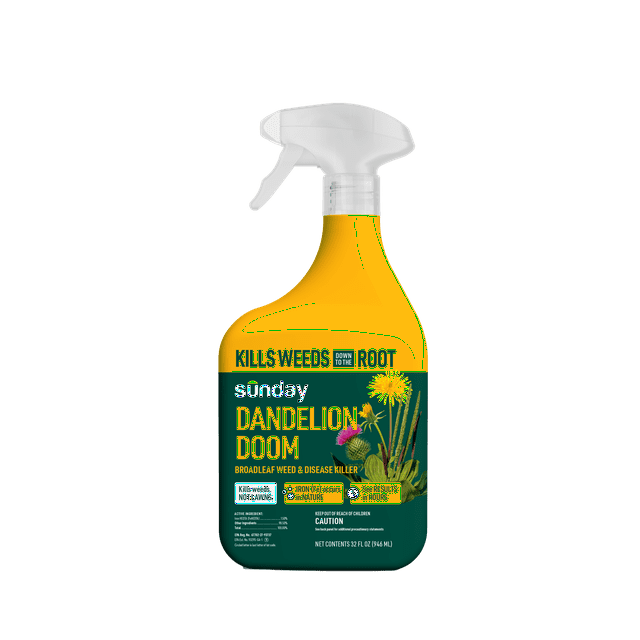
Organic options like corn gluten meal work as a weak pre-emergent but won't stop serious pressure. Iron-based herbicides (chelated iron) burn broadleaf weeds but also brown buffalograss temporarily. Vinegar-based products are contact killers only, with short residual.
When and How to Apply Without Causing Injury
Product choice is only half the battle. Timing, calibration, and technique make the difference between a clean kill and a yellow, stunted lawn.
Timing the pre-emergent
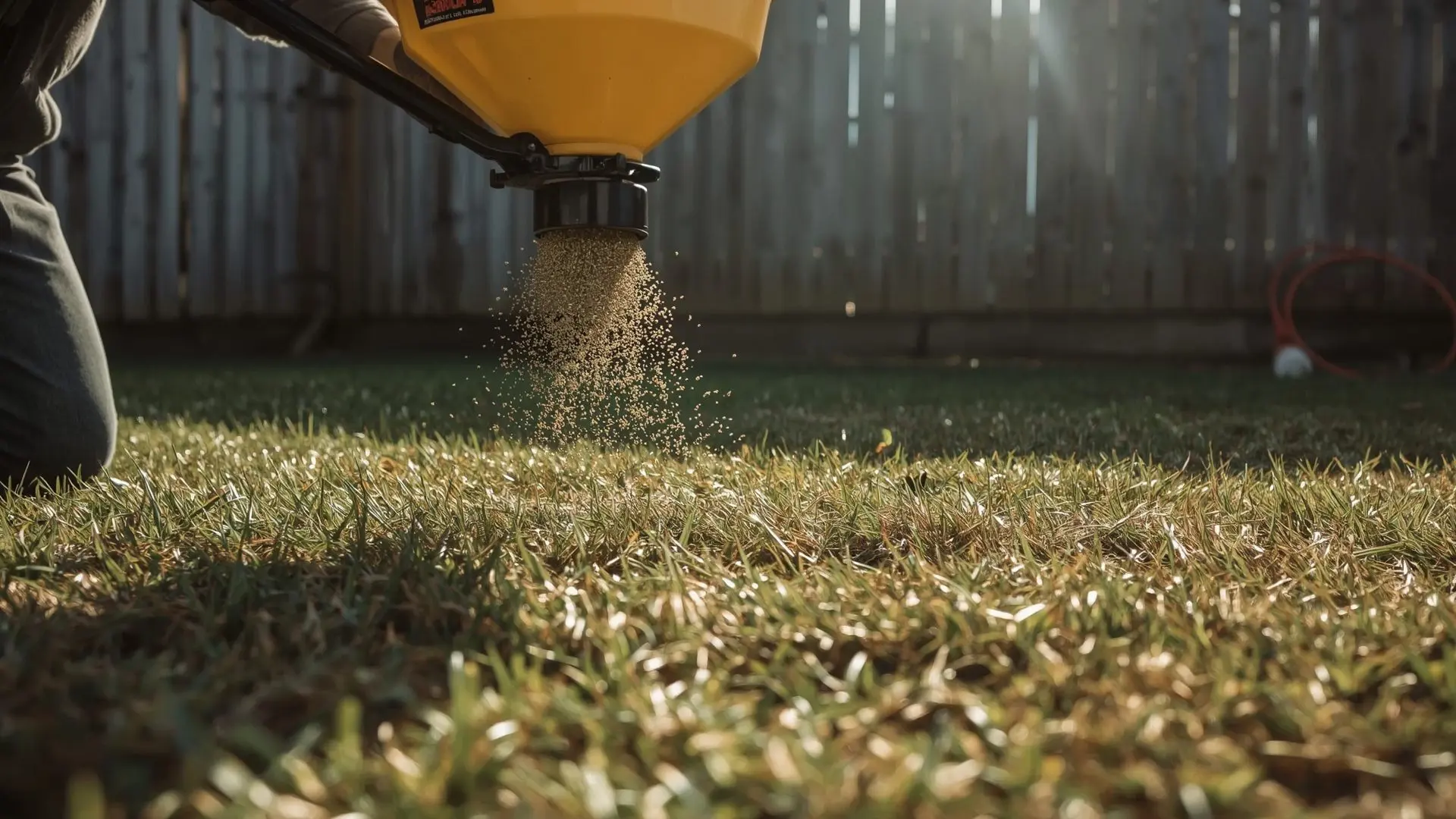
The rule of thumb is soil temperature. Apply your pre-emergent when soil temps at 2 to 4 inches deep hold at 50 to 55°F for three to five consecutive days. That's usually when forsythia blooms in your area, a handy natural indicator.
For most of the Great Plains, that's mid-March to mid-April.
If you wait until you see crabgrass, you've missed the window. Pre-emergent doesn't kill existing weeds. It stops seeds from germinating.
Timing the post-emergent
Spray when the buffalograss is actively growing but not stressed. That means:
- Soil moisture is adequate (not drought-stressed)
- Air temperature is below 85°F
- No rain forecast for 24 hours
- No mowing for 48 hours before or after application
Mowing right before spraying removes leaf surface, which reduces uptake. Mowing right after removes the herbicide before it does its work. Give the lawn a 48-hour buffer on each side.
Calibrating the sprayer
Most home sprayers over-apply by 20 to 40% because people eyeball the rate. Calibrate by spraying a measured area of bare concrete with plain water, then measuring output. Adjust your pace and pressure until you're hitting the labeled rate.
For broadcast spraying, most selective herbicides run 1 to 2 quarts per acre. For spot treatment, mix per the label in a pump sprayer and wet the weed leaves until just before runoff.
Avoiding spray drift
Spray at low pressure (under 30 psi), use a coarse droplet nozzle, and don't spray when wind exceeds 10 mph. Early morning or evening is best, after the dew dries but before temperature inversions set in. Temperature inversions trap small droplets and move them sideways into unintended areas, a common cause of off-target damage to gardens and trees.
Watering protocol
- After pre-emergent: water in within 24 to 48 hours with about half an inch of water. This activates the chemical barrier at the soil surface.
- After post-emergent: hold off watering for 24 hours. Let the herbicide absorb through the leaf.
Spot treatment technique for escapes
If only a handful of weeds survived the pre-emergent, don't broadcast spray the whole lawn. Mix your post-emergent in a small pump sprayer or use a 2-gallon handheld. Walk the lawn, spray each weed until the leaves glisten but don't drip.
You'll use 80% less chemical and cut injury risk to near zero.
Mistakes That Burn, Stunt, or Kill Buffalograss
Most buffalograss injury is self-inflicted. These are the patterns we see over and over in extension service call data and turf research.
Spraying during green-up or dormancy
This is the number one killer. Buffalograss is most sensitive to broadleaf herbicides when it's transitioning between dormant and active growth. The plant is moving carbohydrates around, and auxin-mimic herbicides disrupt that process.
Result: yellowing, thinning, and slow recovery.
If your buffalograss is more than 50% brown, wait. If it's less than 50% brown but you can still see seedheads emerging, wait another two to three weeks.
Using a "weed and feed" without checking the label
Many weed-and-feed products are blended for cool-season turf like Kentucky bluegrass and fescue. The herbicide rates inside can be too hot for buffalograss, especially anything containing atrazine, which is restricted-use in many states and not labeled for residential buffalograss in most cases.
Mowing too short
Anything below 2 inches opens the canopy. Sunlight hits the soil, weed seeds germinate, and the buffalograss can't outcompete them. Mow at 2.5 to 3 inches during the growing season.
The taller canopy shades out weed seedlings and keeps soil temps cooler, which helps the buffalograss root system.
Overwatering
Buffalograss thrives on neglect. Watering daily or every other day creates the perfect conditions for crabgrass, nutsedge, and disease. Once established, buffalograss needs about 1 inch of water every 2 to 3 weeks.
If you water more than that, you're feeding the weeds.
Overfertilizing
Nitrogen flushes mean soft, succulent grass that needs more water and mowing. It also stimulates weed growth. Buffalograss needs only 1 to 2 pounds of nitrogen per 1,000 square feet per year, total.
Skip the spring fertilizer. Apply in late summer if at all.
Treating buffalograss seedlings as weeds
Buffalograss has a slow establishment phase, 75 to 90 days from seed to a recognizable stand. During that time, the seedlings are tiny, light green, and look grassy. Don't spray them with a grassy weed herbicide.
You'll kill the lawn you're trying to grow.
Letting "weed-and-feed" products substitute for diagnosis
If you don't know what the weed is, no product will help. A broad-spectrum approach is a recipe for injured turf and surviving weeds. The decision tree approach, identify first, then match, always wins.
Long-Term Weed Suppression Through Cultural Control
Herbicides are a crutch, not a strategy. The lawns with the fewest weeds aren't sprayed the most. They're managed the best.
Cultural practices do more for long-term weed control than any chemical program.
Mow high and mow often enough
Stick to 2.5 to 3 inches during the growing season. Remove no more than one-third of the leaf blade at a time. A dense canopy is the single best weed prevention tool you have.
Water deeply and rarely
Once established, water only when the grass shows signs of drought stress (footprints that don't bounce back, grayish color). Soak to 6 to 8 inches deep. Let the top 2 inches dry out completely between cycles.
This trains roots to grow deep and starves shallow-rooted weeds.
Fertilize sparingly
Skip spring nitrogen. If you're going to feed at all, do it in late summer with a slow-release product at 0.5 to 1 pound of N per 1,000 square feet. The USDA NRCS plant guide for buffalograss confirms this species evolved on low-nitrogen plains soils.
Pushing more fertility pushes weeds, not the grass.
Overseed bare patches
Bare soil is a weed invitation. In late spring to early summer, scratch up thin spots and overseed with a buffalograss blend matched to your climate. For most of the Great Plains, that's 2 to 3 pounds of pure live seed per 1,000 square feet, lightly raked in and rolled.
Accept some weeds
Buffalograss is a native prairie grass. A few native forbs, a dandelion here and there, a patch of white clover, all of these are part of a functioning ecosystem. Total elimination is unrealistic and unhealthy.
Aim for "acceptable" weed pressure, not sterile. A lawn with 5 to 10% broadleaf cover is normal and healthy.
Use the right cultivar
Newer buffalograss cultivars like Density, Legacy, and Prestige have been bred for denser canopies, better cold tolerance, and improved weed competition. If you're establishing a new lawn or renovating, the cultivar choice matters. Check National Turfgrass Evaluation Program trials for variety performance data in your region.
Frequently Asked Questions
When is the safest time to spray broadleaf weeds in buffalograss?
Late May through August, when the grass is fully green and actively growing but air temperatures stay below 85°F. Avoid the green-up window (mid-April to mid-May) and the fall transition. Dormant grass should not be sprayed with post-emergents.
Is 2,4-D safe on buffalograss?
The amine form is, at labeled rates, once the grass is fully green. The ester form is too volatile and not recommended. Do not use 2,4-D during spring green-up or while the buffalograss is producing seedheads.
Some yellowing can occur even on healthy stands, so spot-treat when possible.
Can I use a pre-emergent on newly seeded buffalograss?
No, wait at least one full growing season. Pre-emergents stop all grass seed germination, including the buffalograss seed you just put down. New buffalograss seedlings are vulnerable for 75 to 90 days, and you need that entire window for establishment.
Plan to control weeds by hand or spot treatment during year one.
Will vinegar or boiling water kill weeds in buffalograss?
Vinegar (horticultural acetic acid over 10%) will burn top growth on contact but won't reach the root, so perennials bounce back. It also temporarily burns the buffalograss it touches. Boiling water works on broadleaf seedlings but kills any grass it contacts.
Both are tools for spot work, not broad solutions.
How do I tell the difference between crabgrass and buffalograss?
Crabgrass has wider, paler leaves and a sprawling growth habit. Buffalograss is finer-bladed, darker green, and grows in a tight, low mat. Crabgrass seedheads are finger-like at the top of tall stems.
Buffalograss seedheads appear on one side of the stem only and look like tiny combs. When in doubt, wait until the seedhead stage. It's the easiest identifier.
How long does it take for buffalograss to recover from herbicide injury?
Mild yellowing recovers in 2 to 3 weeks. Moderate injury (browning patches) takes 4 to 6 weeks. Severe injury (full kill of an area) requires reseeding and a full 75 to 90 day establishment window.
This is why prevention and proper timing matter so much; recovery is slow.
Long-Term Weed Suppression Through Cultural Control
Herbicides handle the emergencies. Cultural practices keep the weeds from coming back. The cleanest buffalograss lawns we see in extension trial data aren't sprayed more.
They're managed smarter.
Mow at the right height
Set the deck at 2.5 to 3 inches during the growing season. Taller blades shade the soil, drop soil temperature, and crowd out germinating weed seedlings. Anything below 2 inches opens the canopy.
Weeds move in within weeks.
Water deeply, rarely
Once established, buffalograss thrives on roughly 1 inch of water every 2 to 3 weeks. Daily or every-other-day watering creates the exact conditions crabgrass and nutsedge need to explode. Soak to 6 to 8 inches deep, then let the top 2 inches dry completely.
Roots chase the moisture down. Weed seeds near the surface stay dormant.
Skip the spring fertilizer
Buffalograss evolved on low-nitrogen Great Plains soils. Pushing nitrogen in spring gives you a soft, thirsty lawn and a flush of weeds. The University of Nebraska, Lincoln turf extension recommends no more than 1 to 2 pounds of N per 1,000 square feet per year, total.
If you feed at all, do it in late summer with a slow-release product at half that rate.
Overseed thin spots
Bare soil is a weed invitation. In late spring to early summer, scratch up thin areas and overseed with a regionally adapted buffalograss blend at 2 to 3 pounds of pure live seed per 1,000 square feet. Lightly rake, roll, and keep the surface moist for 21 days.
A dense stand is the cheapest herbicide you'll ever use.
Accept some weeds
Buffalograss is a native prairie grass, not a golf green. A few dandelions, a bit of white clover, a native forb here and there, all of it is part of a functioning ecosystem. Target 5 to 10% broadleaf cover as a healthy baseline.
Sterile is unrealistic and unnecessary.
Pick a stronger cultivar
If you're starting fresh, cultivar choice matters. Density, Legacy, and Prestige were bred for denser canopies and better weed competition than older Common-type strains. Check National Turfgrass Evaluation Program trial data for performance in your specific climate zone.
FAQs: Buffalograss Weed Control Answered
When is the safest time to spray broadleaf weeds in buffalograss?
Late May through August, once the grass is fully green and actively growing, with air temperatures below 85°F. Avoid the spring green-up window (mid-April to mid-May) and the fall transition. Dormant grass should not be sprayed with post-emergents at all.
Is 2,4-D safe on buffalograss?
The amine formulation is, at labeled rates, after the grass is fully green. The ester form is too volatile and not recommended for residential use near sensitive plants. Avoid 2,4-D during spring green-up and seedhead production.
Some yellowing can occur even on healthy stands, so spot-treat whenever possible.
Can I use a pre-emergent on newly seeded buffalograss?
No. Wait at least one full growing season. Pre-emergents stop all grass seed germination, including the buffalograss seed you just planted.
New seedlings are vulnerable for 75 to 90 days. Plan on hand pulling or spot treatment during year one.
Will vinegar or boiling water kill weeds in buffalograss?
Horticultural vinegar over 10% acetic acid burns top growth on contact but rarely reaches the root, so perennials bounce back. It also burns any buffalograss it touches. Boiling water works on broadleaf seedlings but kills the grass too.
Both are spot tools, not broad solutions.
How do I tell crabgrass from buffalograss?
Crabgrass has wider, paler blades and a sprawling, clumping habit. Buffalograss is fine-bladed, darker green, and forms a tight low mat. Crabgrass seedheads are finger-like at the top of tall stems.
Buffalograss seedheads grow on one side of the stem only and look like tiny combs. Wait for the seedhead stage if you're unsure. It's the easiest identifier.
How long does buffalograss take to recover from herbicide injury?
Mild yellowing recovers in 2 to 3 weeks. Moderate injury with browned patches takes 4 to 6 weeks. Severe injury, where a full area is killed, requires reseeding and a 75 to 90 day establishment window.
Prevention and timing save you an entire season of waiting.