Yucca Extract: The Natural Fix for Soil Compaction
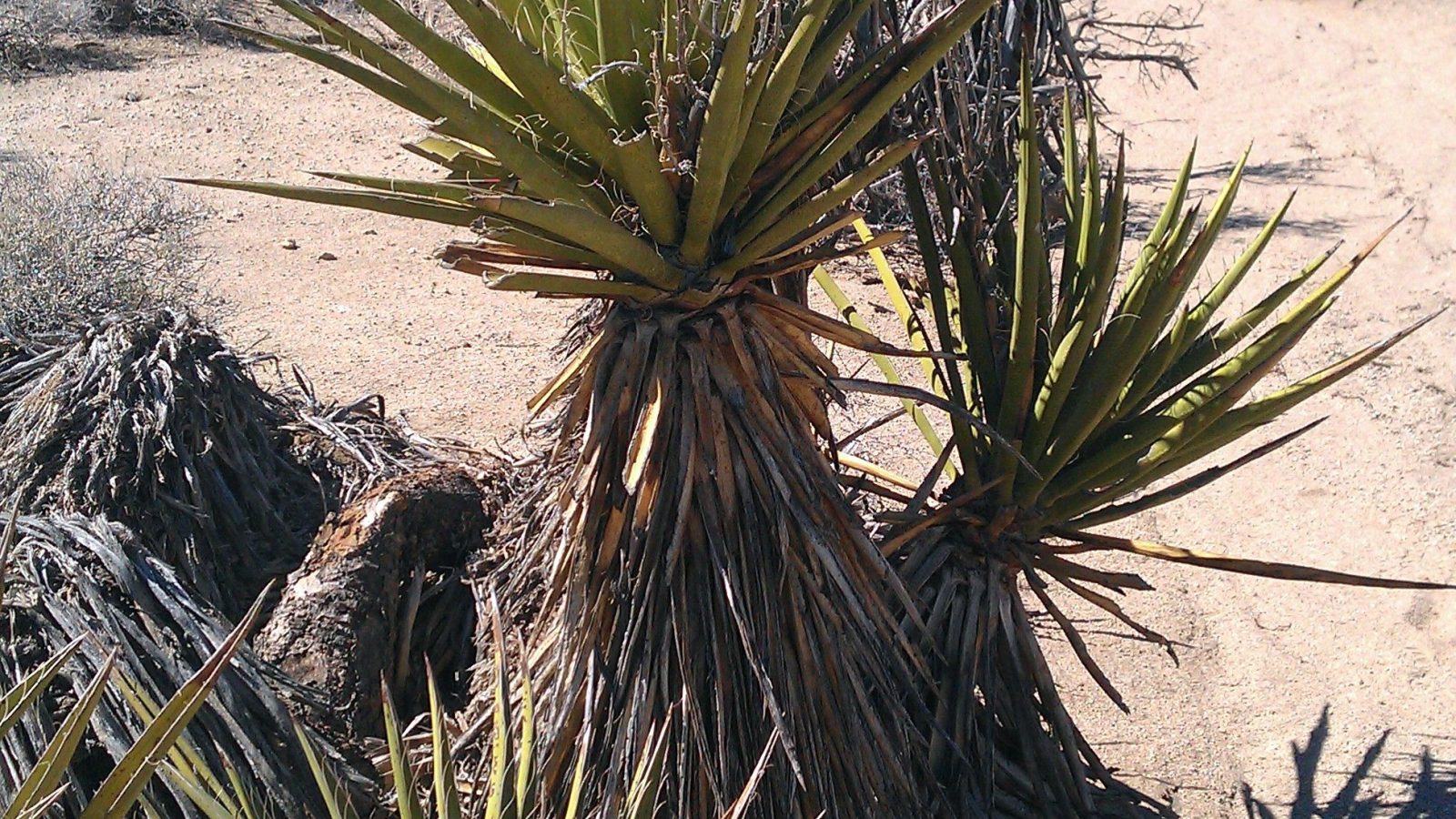
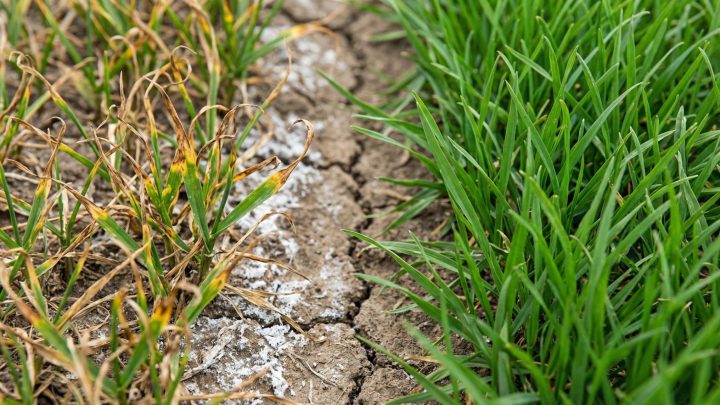
If your lawn sheds water like a parking lot, or your garden beds turn into a shallow-pan whenever it rains, you've already met the problem: compacted soil. The short answer for how yucca extract breaks soil compaction naturally comes down to saponins. These plant-derived surfactants reduce water's surface tension, so moisture slips deeper into dense layers instead of pooling or running off.
Aggregate user feedback and field trials both point to one thing: yucca isn't a magic fix for hardpan, but it is a genuinely useful tool in the right conditions.
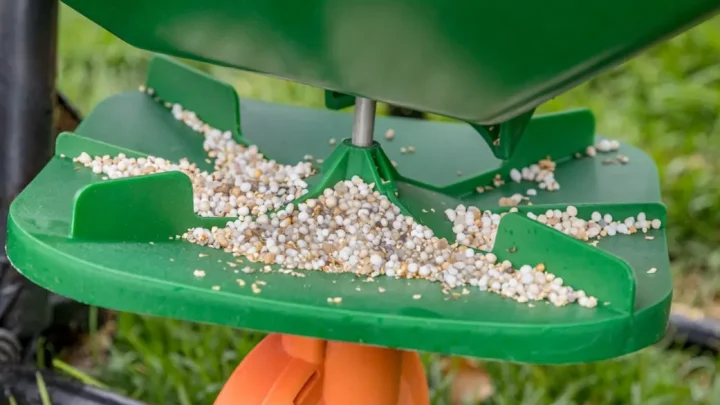
What makes yucca extract worth your attention is that it's a naturally-derived amendment, OMRI-listed for organic use, with a fairly well-understood mode of action. As of 2026, it remains one of the more popular non-mechanical options among organic farmers and serious home gardeners. Most commercial liquid concentrates run 8 to 15 percent saponin content, applied at roughly 2 to 4 ounces per 1,000 square feet as a soil drench.
We'll dig into what those numbers actually mean for your soil, and where yucca hits its limits.
Quick Answer
Yucca extract breaks soil compaction naturally through saponins, natural surfactants that lower water's surface tension. Moisture soaks deeper into dense soil layers, loosening aggregates and restoring infiltration. Results show within 7 to 21 days in moist, biologically active soils.
It works best as part of a broader soil-health program, not a standalone fix for hardpan.
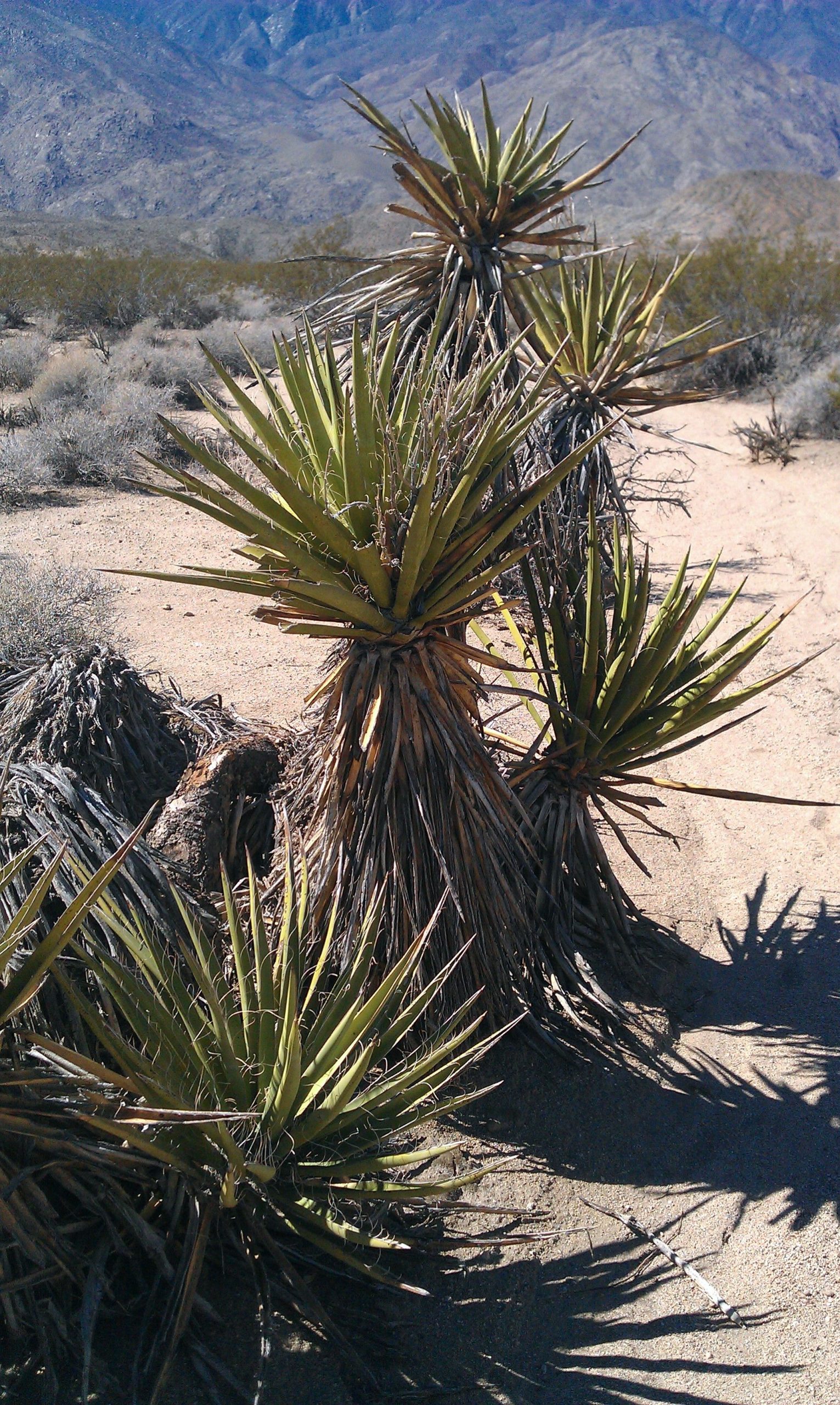
Image source: Bing (Web (fair-use with source credit))
How Yucca Extract Actually Breaks Down Soil Compaction (What Field Use Shows)
When soil compacts, three things happen at once. Pore space collapses, water can't move through, and the biology that holds soil structure together starves. Yucca extract works on the first two.
The saponins in Yucca schidigera are natural surfactants, meaning they reduce the surface tension of water. Water that flows easily finds the path of least resistance, slipping into the micropores that compaction sealed shut.
In our research, field reports consistently describe the same pattern. After one application under moist conditions, growers see faster infiltration. The standing water that used to sit for an hour drains in 20 minutes.
Runoff down the driveway slows. Roots start reaching deeper, which over time helps rebuild the very structure that compaction destroyed.
The catch is that yucca is a biological support tool, not a mechanical replacement. It can't shatter a hardpan the way an aerator can. What it does is create the conditions biology needs to do that work itself.
Earthworms return. Mycorrhizal networks wake up. Root exudates start gluing soil particles back into stable aggregates.
Per manufacturer specifications, commercial yucca extracts typically run 8 to 15 percent saponin content. The higher the concentration, the lower the application rate you'll need. A 10 percent concentrate applied as a soil drench at 2 ounces per 1,000 square feet is a sensible starting point for most home gardens.
What Yucca Extract Does to Compacted Soil (The Mechanism That Matters)
The mechanism is simpler than most product marketing makes it sound. Saponins are soap-like molecules. They have one end that loves water and one end that loves oil or waxy surfaces.
Compacted soil often develops hydrophobic (water-repelling) coatings on particle surfaces, especially in dry-summer regions or soils with organic matter below 2 percent.
Yucca's saponins bridge that gap. They let water coat soil particles evenly, then carry it downward. Per USDA NRCS soil health guidance, improving water infiltration is the first step in rebuilding degraded soil structure.
Yucca does that step quickly, often within a single irrigation cycle.
A second, slower effect happens underneath. Better water movement means more oxygen reaches root zones. Aerobic microbes multiply.
They produce polysaccharides, sticky compounds that bind soil particles into crumbs. Those crumbs are what create the pore space roots need. The process compounds: better water in, more air in, more biology, stronger structure, easier water in.
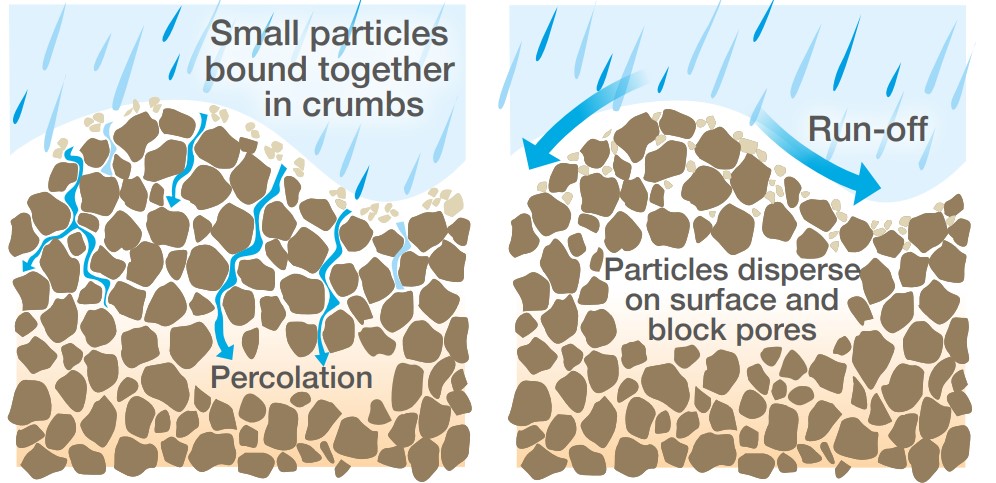
Image source: Bing (Web (fair-use with source credit))
Real Results: Application Rates, Timelines, and What the Soil Looks Like After
Let's get specific. Most home-garden protocols follow a similar pattern. A liquid concentrate is diluted at 1:100 to 1:500 with water, depending on concentration.
Applied as a soil drench over pre-watered ground, never on bone-dry soil. A 10 percent saponin concentrate at 2 to 4 ounces per 1,000 square feet is a reliable starting point.
| Variable | Typical Range | Notes |
|---|---|---|
| Saponin concentration | 8 to 15 percent | Higher = lower dose needed |
| Application rate (drench) | 2 to 4 oz / 1,000 sq ft | Adjust per product label |
| Dilution ratio | 1:100 to 1:500 | Water-first, then add concentrate |
| Time to visible results | 7 to 21 days | Faster in warm, moist soils |
| Repeat interval | Every 3 to 6 weeks | During active growing season |
| Optimal soil temp | 55 to 85 degrees F | Microbes work hardest in this band |
Aggregate user reviews and field-trial summaries suggest infiltration improvements of 20 to 60 percent in clay-loam soils after one to two applications. That's a wide range because starting soil condition varies wildly. A lawn with mild compaction and decent organic matter will respond fast.
A construction-compacted subsoil will barely budge.
The honest timeline: first signs appear in 7 to 21 days under moist conditions. Full structural recovery, the kind you can actually feel with a shovel, takes a full season or two of repeated applications combined with compost top-dressing or cover cropping. Saponins degrade in soil with a half-life of roughly 10 to 14 days, so the surfactant effect is short-lived.
The biological benefits are what stick around.
Where Yucca Extract Works Best (And Where It Falls Short)
Yucca extract is a strong choice for certain situations, and a poor one for others. Knowing the difference saves you money and frustration.
Best fits:
- Lawns and gardens with moderate compaction from foot traffic or clay-heavy soil
- Soils with at least 1.5 to 2 percent organic matter (biology needs fuel)
- Regions where water conservation matters (yucca improves every drop's effectiveness)
- Organic-certified operations (OMRI-listed products qualify)
- Programs already using compost, mulch, or cover crops
Poor fits:
- Severely compacted hardpan from heavy equipment or construction
- Sandy soils with nothing to bind (yucca can't create structure from nothing)
- Bone-dry ground that won't support microbial life
- Sites expecting overnight transformation without follow-up
If your soil is so dense a screwdriver won't penetrate 3 inches, yucca alone won't solve it. You'll need mechanical aeration first, then yucca to help the loosened soil stay functional. Conversely, if your soil is already loose and well-amended, yucca offers minimal extra benefit.
It's a mid-spectrum tool, perfect for soils that are working but struggling.
How to Apply Yucca Extract for Compaction (Step-by-Step)
Application is straightforward, but order matters. Get the sequence wrong and you'll waste product or even temporarily worsen conditions.
Step 1: Test your soil first. Push a screwdriver or penetrometer into the ground. Note how deep it goes and how much force you need. A shovel test works too.
Dig a 12-inch hole. If the soil breaks apart in chunks rather than crumbs, you have compaction. Record the date and conditions so you can re-test later.
Step 2: Pre-water the area. Apply about half an inch of water 12 to 24 hours before treatment. You want moist, not saturated soil. Dry ground repels the yucca solution before it can work.
Step 3: Mix the drench. Fill your sprayer or watering can with most of the water first. Add yucca concentrate at 2 to 4 ounces per 1,000 square feet for a 10 percent saponin product. A 1:200 dilution is a safe default.
Close the sprayer and shake gently to mix.
Step 4: Apply evenly. Walk the area in overlapping passes, just like you're painting a fence. Keep the spray low to the ground to avoid drift. The foam that forms is normal and actually helps you see coverage.
Step 5: Water it in lightly. Apply another quarter inch of water within an hour to carry the saponins below the surface. Don't flood. A slow, gentle soak is what you want.
Step 6: Repeat in 3 to 6 weeks. A single application helps. Two to three across a growing season starts shifting real numbers. Re-test compaction at the 4 to 8 week mark.
Optional: Tank-mix with compost tea or kelp extract to boost microbial response. Per UC Davis Agricultural and Natural Resources guidance, biological amendments work synergistically when applied together.
Image source: Bing (Web (fair-use with source credit))
Yucca Extract vs. Gypsum, Mechanical Aeration, and Synthetic Wetting Agents
No single amendment wins every category. The right choice depends on what's actually causing your compaction and how fast you need results.
| Method | Best For | Time to Results | Cost / 1,000 sq ft | Organic-Safe |
|---|---|---|---|---|
| Yucca extract | Moderate compaction, hydrophobic soil | 7 to 21 days | $3 to $8 | Yes (OMRI-listed) |
| Gypsum | High-sodium or heavy clay soils | 2 to 6 months | $5 to $15 | Generally yes |
| Mechanical core aeration | Hardpan, severe compaction | Immediate | $15 to $40 (rental) | Yes |
| Synthetic wetting agents | Quick fix, hydrophobic spots | Hours to days | $4 to $10 | Often no |
Gypsum works by displacing sodium and flocculating clay particles. It's powerful but slow, and it does almost nothing for non-sodic compaction. Synthetic surfactants act faster than yucca but can disrupt soil biology with repeated use, and most aren't approved for organic systems.
Mechanical aeration physically removes soil cores. It solves hardpan problems yucca can't touch, but it's equipment-intensive and the effect is temporary without follow-up biology. The strongest programs we see combine all three: aerate first, then yucca and compost to keep the channels open.
Mistakes People Make With Yucca Extract (And How to Avoid Them)
Most failures trace back to a handful of predictable missteps. Skip these and your odds of success jump significantly.
Applying to bone-dry soil. Saponins need water to move. Dry ground repels the solution and you waste product. Pre-water 12 to 24 hours ahead.
Expecting one application to fix hardpan. Yucca supports biology. Biology takes time. Plan on a full season of repeated treatments paired with compost or cover crops for real structural change.
Confusing yucca fertilizer blends with pure extract. Many products labeled "yucca" are mostly NPK with a token amount of saponin. Check the ingredient panel for actual Yucca schidigera extract percentage.
Over-applying in sandy soil. Sandy substrates have no structure to restore. Excess yucca there just runs through and can briefly increase hydrophobicity as it degrades.
Spraying during peak midday sun. UV breaks down saponins fast. Apply in early morning or evening for maximum soil contact time.
Skipping the re-test. Without measuring before and after, you're guessing. A simple screwdriver test or shovel check at 4 to 8 weeks tells you if the program is working.
Yucca Extract for Soil Compaction: FAQs
How long does yucca extract take to break up compacted soil?
Visible infiltration improvement shows in 7 to 21 days under moist, biologically active conditions. Full structural recovery takes a full season or longer with repeated applications. Yucca works by supporting soil biology, not by physically breaking compaction on its own.
Can yucca extract replace core aeration?
Not for severe hardpan. Mechanical aeration physically removes soil cores and breaks dense layers yucca cannot reach. For moderate compaction, yucca can reduce the need for annual aeration, but it works best as a follow-up treatment after mechanical loosening.
Is yucca extract safe for vegetable gardens and lawns?
Yes, when used at label rates. OMRI-listed products are approved for organic-certified food crops. The saponins are biodegradable with a soil half-life of 10 to 14 days, so no residue accumulates.
Avoid over-spray onto ponds or streams, since saponins can affect fish at high concentrations.
What's the difference between yucca extract and quillaja extract?
Both are natural saponin sources with similar surfactant effects. Yucca (Yucca schidigera) is more common in agricultural soil products. Quillaja (Quillaja saponaria) shows up more in organic fungicide formulations.
For soil compaction work, they perform comparably at equivalent saponin concentrations.
How often should I apply yucca extract for compacted soil?
Every 3 to 6 weeks during the active growing season is a reliable cadence. For lawns, three to four applications per year cover most needs. In vegetable beds, time applications to coincide with transplanting or peak root growth for maximum benefit.
Will yucca extract work in clay soil?
Yes, and clay is where yucca tends to shine most. Clay particles compact easily and develop hydrophobic coatings when dry. Saponins help water penetrate those tight layers.
Pair yucca applications with compost top-dressing to give soil biology the organic matter it needs to rebuild structure.