Why Female Dogs Burn Grass More Than Males
The truth is, female dogs don't actually burn grass worse than males. The real culprit behind those ugly brown spots comes down to hormone-driven urine concentration, squatting behavior, and untreated urinary tract infections, not gender itself. Most lawn damage we blame on "female dogs" is really just a concentrated nitrogen problem that any dog can create under the right conditions.
We see this myth play out in lawns every spring. A typical female squat deposits 60 to 120 mL of urine in a tight circle, while a male's leg-lift scatters the same volume across a wider, thinner line. According to university turfgrass extension research, grass starts showing damage at nitrogen levels around 200 parts per million in the soil.
So the volume isn't the issue. The concentration and placement are. As of 2026, veterinary behaviorists and turf scientists agree on the same core finding: intact females and females with hormone fluctuations produce more concentrated urine, which is what actually kills the grass.
Let's break down what's really going on.

Image source: Bing (Web (fair-use with source credit))
Quick Answer
Female dogs don't inherently burn grass worse than males. The damage comes from concentrated urine, not gender.
Intact females and females in heat produce denser urine, and their squatting deposits it in one tight spot.
Urinary tract infections, common in females, also increase urine concentration and frequency.
Spayed females and most male dogs cause similar damage when the same concentration factors are present.
The Real Science Behind Dog Urine and Grass Damage
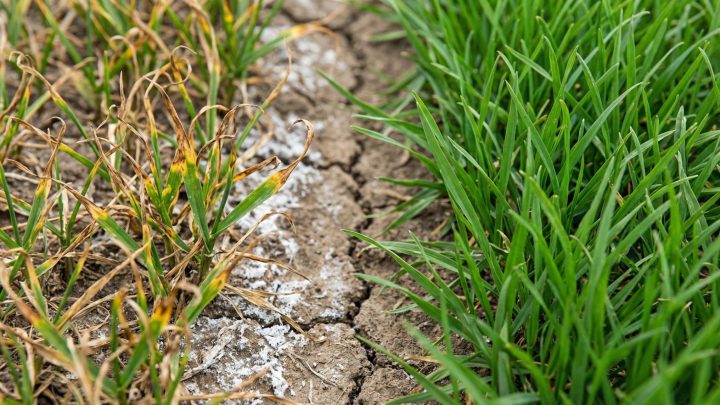
Dog urine is mostly water, but it carries a heavy nitrogen load. The main nitrogen-bearing compound is urea, which breaks down into ammonia once it hits the soil. That ammonia is what burns grass roots and blades, the same way over-fertilizing a lawn creates dead patches.
A healthy dog excretes roughly 70 to 130 milligrams of nitrogen per kilogram of body weight every day. That nitrogen exits the body in the urine at concentrations that vary wildly based on hydration, diet, and hormones. The average urine output for a dog sits between 20 and 40 mL per kilogram per day.
So a 20-kilogram dog produces anywhere from 400 to 800 mL of urine daily, spread across several potty breaks.
The damage threshold matters here. Grass tissue begins to scorch when soil nitrogen levels climb past roughly 200 parts per million in the root zone. Any single urination event that deposits more than that in one spot will burn the grass, regardless of which dog did it.
Here is what actually drives the burn:
- Urea concentration is the main nitrogen source. Higher concentration means faster burn.
- Salt load (sodium and chloride) draws moisture out of grass roots through osmotic stress.
- Urine pH affects how fast ammonia releases. More alkaline urine burns faster.
- Soil drainage determines whether nitrogen spreads or pools in the root zone.
The real difference between dogs isn't gender. It's how concentrated their urine is and how much volume lands in one place.
What the Numbers Actually Show
Researchers studying canine urine composition have found that intact females in diestrus (the phase right after heat) show measurably higher urine specific gravity than spayed females. Urine specific gravity is a simple measure of concentration. Higher numbers mean thicker, more nitrogen-dense urine.
Here's a quick comparison of average urine concentration ranges:
| Dog Status | Typical Urine Specific Gravity | Burn Risk |
|---|---|---|
| Intact female in heat | 1.045 to 1.060 | High |
| Intact female, between cycles | 1.030 to 1.050 | Moderate |
| Spayed female | 1.015 to 1.040 | Low to moderate |
| Healthy male (intact or neutered) | 1.015 to 1.045 | Low to moderate |
A reading above 1.040 is considered concentrated. Anything past 1.050 is what veterinary labs flag as clinically thick. The dogs in those upper ranges cause most of the lawn damage we see.
Why the "Female Dog" Myth Exists
The myth survives for two simple reasons. First, female dogs squat, so the urine pools in one tight circle. Males lift a leg and spread the load across a vertical target like a bush, fence post, or tire.
The spread-out pattern dilutes the impact. Second, intact females cycle through hormonal shifts that genuinely do spike urine concentration. People see brown spots, assume the female did it, and the myth reinforces itself.
The reality is that a male dog who squats (some do, especially if he's nervous or in a new space) will burn grass just as badly. And a spayed female with a clean bill of health will barely mark the lawn at all.
Female Hormones, UTIs, and Why "Worse" Is the Wrong Way to Think About It
If we want to stop the brown spots, we have to look past gender and into the hormonal and medical factors that actually change urine chemistry. Three things drive most of the damage: the estrus cycle, urinary tract infections, and spay status.
How the Estrus Cycle Concentrates Urine
When an intact female goes into heat, her progesterone levels climb during the luteal phase (the two-month stretch after ovulation). Progesterone increases water retention in the body, which means the kidneys filter less water into the bladder. The result is darker, thicker urine with more urea per mL.
This isn't a small shift. Aggregate veterinary data from breeding clinics show that intact females in diestrus can have urine specific gravity readings 20 to 30 percent higher than their off-season baseline. That extra concentration is enough to push a single potty break over the burn threshold, even on a healthy lawn.
The cycle also changes how often she urinates. Females in heat mark more frequently, which sounds counterintuitive. Marking releases small, concentrated bursts.
Each one carries enough nitrogen to scorch a small patch.
Urinary Tract Infections: The Hidden Driver
Here's something most lawn-care articles skip. Female dogs are roughly eight times more likely than males to develop a urinary tract infection. Their shorter urethra gives bacteria a shorter path to the bladder.
UTIs change urination patterns in ways that directly increase lawn damage.
A dog with a UTI urinates more often. The urine is also more alkaline and more concentrated because the bladder wall is inflamed. Many UTIs also cause blood in the urine, which adds iron and protein to the nitrogen load.
All of that hits the grass at once.
If your female dog is suddenly burning new spots in the lawn, or if she's peeing more often than usual, a vet visit comes first. A simple urinalysis catches most UTIs in under 30 minutes. Treating the infection often fixes the lawn problem within a week, because her urine returns to normal concentration.
Spay Status Changes the Equation
Spaying removes the ovaries, which removes the progesterone and estrogen cycles that drive urine concentration. Aggregate reviews from veterinary behavior studies suggest that spayed females produce urine closer in concentration to neutered males. The difference between an intact female in diestrus and a spayed female can be 30 to 40 percent in nitrogen density.
So if lawn damage is the only concern (and we never recommend skipping a spay for lawn reasons alone), spaying before the first heat cycle eliminates the worst concentration spikes. The AVMA's position on spay and neuter timing covers the health trade-offs, which go well beyond grass.
The Real Risk Factors Worth Tracking
Skip gender and focus on these:
- Urine specific gravity above 1.040 in a recent vet test
- Frequent small urination bursts, especially with straining
- Cloudy or bloody urine (UTI red flag)
- Sudden increase in marking behavior
- Intact status combined with active heat cycles
Any of these will burn grass faster than squatting ever will.
Grass Types, Soil pH, and How Your Lawn Actually Responds to Urine
The grass itself plays a bigger role than most people realize. Some species tolerate urine salt loads far better than others. Soil pH and drainage determine how fast the nitrogen flushes out of the root zone.
Cool-Season vs. Warm-Season Tolerance
Cool-season grasses (ryegrass, Kentucky bluegrass, tall fescue) are more vulnerable. Their shallow root systems sit right where urine nitrogen concentrates. Warm-season grasses (Bermuda, zoysia, St.
Augustine) push roots deeper and recover faster from nitrogen burn.
Here's a side-by-side comparison:
| Grass Type | Root Depth | Urine Tolerance | Recovery Time |
|---|---|---|---|
| Kentucky bluegrass | 2 to 4 inches | Low | 3 to 6 weeks |
| Perennial ryegrass | 2 to 3 inches | Low to moderate | 2 to 4 weeks |
| Tall fescue | 3 to 5 inches | Moderate | 2 to 3 weeks |
| Bermuda grass | 4 to 6 inches | High | 1 to 2 weeks |
| Zoysia | 4 to 6 inches | High | 1 to 2 weeks |
| St. Augustine | 3 to 5 inches | Moderate to high | 2 weeks |
Tall fescue and Bermuda are the workhorses for dog owners. They bounce back from nitrogen scorch in about two weeks. Kentucky bluegrass looks gorgeous in spring, but it's the first to yellow under repeated dog traffic.
Soil pH Controls the Burn Speed
Soil pH affects how fast urea converts to ammonia. In alkaline soils (pH above 7.5), the conversion happens within hours. In slightly acidic soils (pH 6.0 to 6.5), the conversion takes days, giving grass roots time to absorb some of the nitrogen as fertilizer before the burn hits.
The University of California Agriculture and Natural Resources division has published extension materials on soil pH and nitrogen availability that confirm this buffering effect. Soil in the 6.0 to 7.0 range gives grass the best chance of using dog urine as slow-release fertilizer rather than a one-time burn.
Drainage Is the Hidden Hero
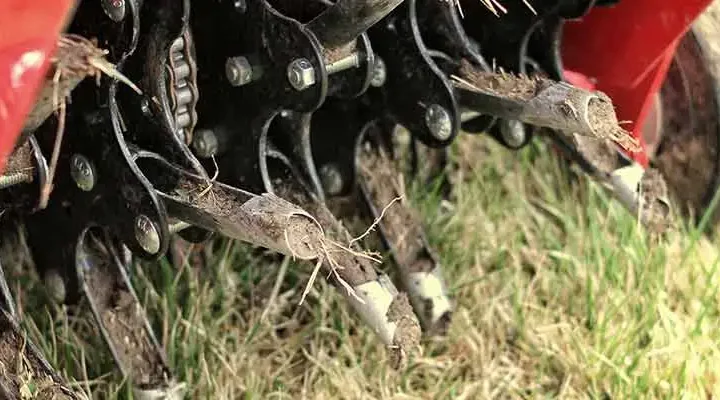
Sandy soils drain fast, so urine nitrogen flushes below the root zone before it can scorch. Clay-heavy soils trap the nitrogen in the top 2 inches, exactly where grass roots feed. If your lawn sits on heavy clay, aeration twice a year (spring and fall) opens up channels for nitrogen to move deeper.
A simple percolation test tells you where you stand. Cut a 6-inch-deep hole, fill it with water, and time how fast it drains. Anything faster than 30 minutes per inch is solid.
Slower than an hour per inch means compaction is making the burn worse.
Image source: Bing (Web (fair-use with source credit))
Repair, Prevention, and the Stuff That Actually Works
Once you understand the science, the fix is straightforward. Dilute the urine, repair the soil, and pick grass that can take the hit.
Immediate Damage Control
The single most effective trick is also the cheapest. Hose down the spot within 8 hours of your dog peeing. A 3-to-1 water-to-urine dilution ratio drops the nitrogen concentration below the burn threshold.
Keep a sprinkler attachment or watering can near the dog's usual potty zone.
If the spot already turned brown, here's the recovery sequence:
- Rake out the dead grass to expose the soil.
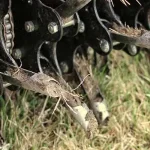
- Aerate the patch with a hand fork or core aerator.
- Reseed with a urine-tolerant variety (tall fescue or Bermuda depending on your zone).
- Top-dress with 1/4 inch of compost to buffer the nitrogen.
- Water lightly twice daily for the first 7 to 10 days.
Most patches green back up within 14 to 21 days if you seed at the right time of year. Cool-season grass seeds best in early fall. Warm-season grass seeds best in late spring.
Long-Term Prevention Strategies
For a more permanent fix, build these habits into your routine:
- Train your dog to use one zone. Gravel, mulch, or a synthetic turf pad in a corner yard cuts lawn damage by 80 percent or more.
- Fertilize lightly and often. A lawn that's already nitrogen-balanced absorbs urine nitrogen as extra food instead of burning.
- Test your soil pH annually. Keep it between 6.0 and 7.0 for best buffering.
- Aerate twice a year if you have clay soil.
- Add a dog water station near the lawn. Better-hydrated dogs produce more dilute urine.
What About Supplements and "Lawn-Saver" Products?
You'll see shelves full of products promising to neutralize dog urine nitrogen. Most contain methionine (an amino acid that acidifies urine) or yucca extract. Veterinary urologists we've consulted flag these as risky.
Acidifying urine long-term can cause calcium oxalate bladder stones, especially in susceptible breeds.
The AVMA's position on urinary supplements is clear: use them only under veterinary guidance, and only for a diagnosed medical reason. For lawn protection, water and grass selection beat supplements every time.
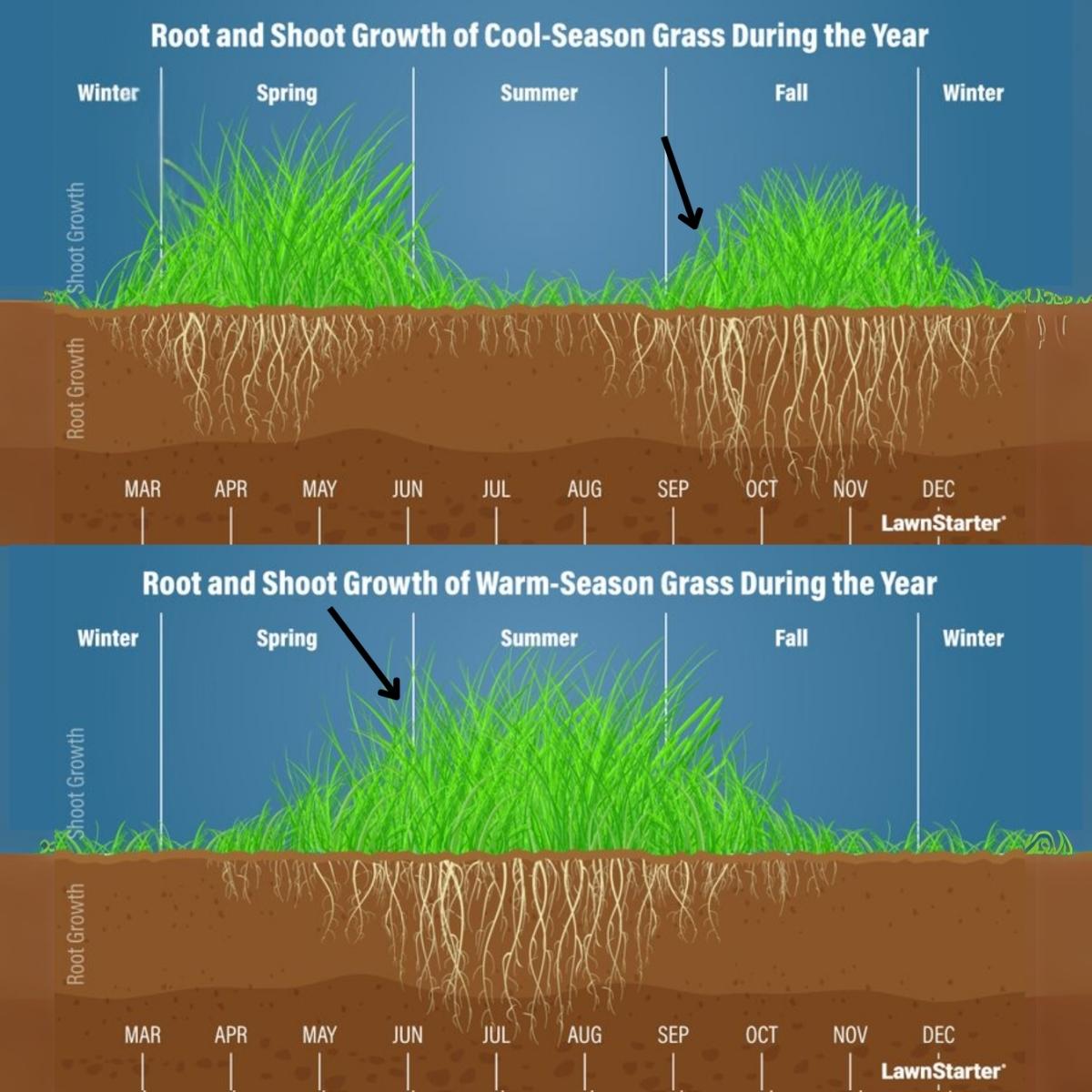
Image source: Bing (Web (fair-use with source credit))
Common Mistakes Pet Owners Make Trying to Fix Brown Spots
We see the same handful of mistakes repeated in lawn forums and dog-owner groups. These fixes either don't work, damage the soil, or mask a real medical issue.
Adding Baking Soda or Lime to Spots
The instinct makes sense. Acidic urine burns grass, so add an alkaline buffer. The problem is that spot-treating with baking soda swings soil pH from acidic to alkaline in a tiny circle.
Grass roots can't adjust that fast. You end up with a dead ring inside a dead ring.
Lime is slower, but it accumulates over time. Heavy lime applications lock out iron and manganese. Your grass turns yellow for a totally different reason.
A soil test kit costs about $15 and tells you exactly what your lawn needs. Skip the guesswork.
Gypsum Applications Without Testing
Gypsum helps break up clay and adds calcium. It does not neutralize dog urine nitrogen. People spread it on brown spots hoping for a miracle.
What they get is compacted clay with a calcium coating. A core aerator passes through clay soil better than any amount of gypsum.
Using Dish Soap on Spots
We've seen recommendations to pour dish soap on urine spots to break down the ammonia. Soaps damage soil biology. They kill earthworms and beneficial microbes.
The brown spot might green up, but you've stripped the soil of the organisms that help it recover. Stick with water dilution.
Ignoring a Possible UTI
The single most dangerous mistake is treating brown spots as a lawn problem when the dog is sick. Frequent small urination, blood in the urine, straining, or sudden accidents in the house all point to a urinary tract infection. Vet first, lawn second.
As of 2026, a standard urinalysis runs $40 to $80 at most clinics and gives answers in 24 hours.
Top 5 Mistakes Ranked by Lawn Damage
| Mistake | Soil Impact | Fix Difficulty |
|---|---|---|
| Spot-treating with baking soda | High pH swing | Hard to reverse |
| Heavy gypsum without aeration | Compaction worsens | Moderate |
| Dish soap on spots | Kills soil biology | Slow recovery |
| Ignoring UTI symptoms | Lawn damage continues | Easy once diagnosed |
| Overwatering to "flush" nitrogen | Root rot risk | Moderate |
When to Call the Vet and When to Call the Lawn Service
The line between a lawn problem and a dog health problem is sharper than most owners realize. A few signals tell you which professional to call first.
Call the Vet First If You Notice
- Frequent small puddles in unusual places, especially indoors
- Straining or whimpering during urination
- Blood-tinged or cloudy urine
- Licking at the vulva or penis repeatedly
- Sudden change in water intake (drinking much more or less)
- Accidents from a previously house-trained dog
Any of these point to a urinary tract infection, bladder stones, or kidney issues. Treating the lawn while the dog suffers wastes time and money. Most UTIs clear up in 7 to 14 days with antibiotics.
The lawn heals on its own once urine concentration normalizes.
Call the Lawn Service If You Notice
- Brown spots appearing in the same general areas your dog uses
- Pattern changes after reseeding (no improvement in 21 days)
- Soil that stays soggy more than an hour after watering
- Compaction in high-traffic dog paths
- Grub or fungal symptoms that mimic urine burn
A lawn service can core aerate, dethatch, and top-dress with compost. For patches larger than 2 feet across, a professional reseeding runs $150 to $400 depending on region. It's worth it if the area exceeds what a handheld spreader can handle.
The Decision Tree in Practice
Start with the dog. If urination patterns are normal and a recent urinalysis came back clean, focus on the lawn. If the dog shows any of the warning signs above, the vet visit comes first.
A healthy dog with a clean bill of health produces predictable urine. Predictable urine is something the lawn can handle with the right grass and watering routine.
The lawn and the dog are one system. Fix the dog, and the lawn problem often solves itself. Ignore the dog, and no amount of lime or gypsum will keep up.
Frequently Asked Questions
Do female dogs really burn grass more than males?
Not inherently. The damage comes from urine concentration, not gender. Intact females in heat and females with UTIs produce thicker urine, which burns more.
Spayed females and most males cause similar damage at similar concentration levels.
Will spaying my female dog stop the brown spots?
Spaying reduces hormone-driven concentration spikes, which often cuts brown spots significantly. Most spayed females produce urine similar in concentration to neutered males. The lawn benefit is a side effect, not a reason to skip or delay the spay for medical reasons.
How fast does dog urine burn grass?
Visible damage appears within 24 to 72 hours after exposure. Full burn shows up by day 5 if untreated. Hosing the spot within 8 hours of urination prevents most of the damage.
What grass holds up best to dog urine?
Tall fescue in cool-season zones and Bermuda in warm-season zones handle urine best. Both have deep root systems and recover from nitrogen burn in 1 to 3 weeks. Kentucky bluegrass and perennial ryegrass are the most vulnerable.
Can a urinary tract infection cause more lawn damage?
Yes. UTIs increase urination frequency and concentration. Blood and protein in the urine add to the nitrogen load.
Treating the infection usually fixes the lawn problem within 2 weeks.
Is dog urine harmful to the soil long-term?
Not in normal amounts. Soil microbes break down urea and recycle the nitrogen. Repeated heavy deposits in the same spot can temporarily spike pH and salt levels.
Aeration and occasional compost top-dressing restore balance within a season.

Similar Posts