Tenacity Herbicide Bleaching Weeds White: How Long Until
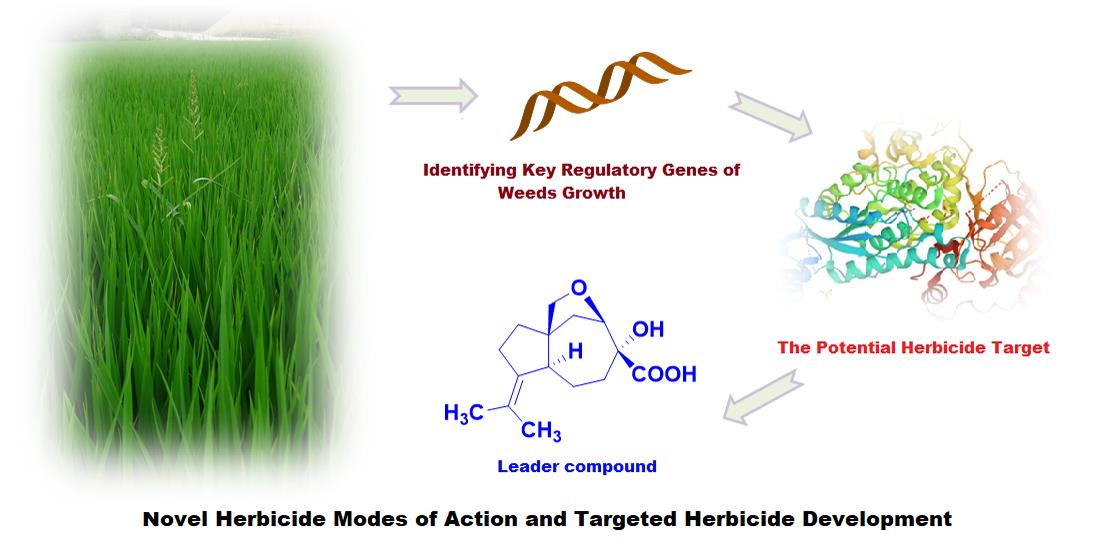
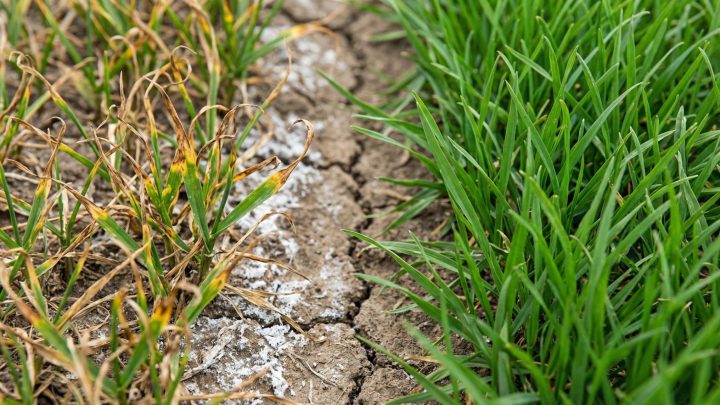
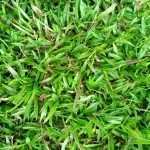
Tenacity herbicide bleaching weeds white is the most visible sign that mesotrione is doing its job, but most people mistake the white color for "dead." It's not. The whitening shows the HPPD enzyme is blocked and the plant can't make protective pigments, so chlorophyll breaks down in sunlight. The plant is dying, not yet dead, and the gap between those two states is exactly what trips people up.
Real kill times depend on weed species, growth stage, and weather. Manufacturer specs and university extension data put first bleaching at 3 to 7 days, full necrosis at 14 to 28 days, and complete death of tough perennials at 30 to 60 days. As of 2026, the Syngenta label still lists the same 4 fl oz per acre post-emergent standard that's been the benchmark for years.
Let's walk through the actual timeline so you know what "white" really means at each stage.
Quick Answer
Tenacity whitens weeds within 3 to 7 days of application. Most annual weeds die in 14 to 21 days. Perennial weeds take 30 to 60 days.
White color means the herbicide is working. It does not mean the weed is fully dead.
What "Bleaching" Actually Means (and Why It Confuses Everyone)
Tenacity's active ingredient, mesotrione, is an HPPD inhibitor. It blocks an enzyme the plant needs to build carotenoids, the pigments that shield chlorophyll from sunlight. Without that shield, chlorophyll breaks down and the leaf tissue turns pale, then white.
That's the bleaching you see.
The confusion comes from assuming white equals dead. It doesn't. The weed's vascular system is often still active at that point.
Roots can still pull water, and perennial weeds with stored reserves can sometimes push new growth from the crown. Bleaching is a symptom of a working herbicide, not a stopwatch for death.
This is also why mesotrione looks "slow" next to glyphosate. Glyphosate shuts down amino acid synthesis directly. You see necrosis in 4 to 7 days, but you also kill everything it touches.
Tenacity works through pigment disruption, so the visible kill takes longer, especially in cool or cloudy weather when carotenoid demand is lower.
Image source: Bing (Web (fair-use with source credit))
The visual stages you'll see
| Stage | Timing (post-spray) | What it looks like |
|---|---|---|
| First chlorosis | 3 to 5 days | Faint yellowing on new growth |
| Full bleaching | 7 to 10 days | White or pale pink leaf tissue |
| Tissue necrosis | 14 to 21 days | Leaves turn brown and crispy at the tips |
| Crown death | 21 to 28 days (annuals) | No regrowth after cutting |
| Full plant death | 30 to 60 days (perennials) | Crown and root reserves exhausted |
The Real Timeline: From Spray to Dead Weed
The question everyone asks is "when is it dead?" The honest answer depends on what you're spraying. Crabgrass and other annual grassy weeds die in about 14 to 21 days under good conditions. Dandelions and other broadleaf perennials need 30 to 45 days.
Nutsedge and bindweed can take the full 60 days and may still need a second application.
Weather matters as much as species. Warm, sunny, moist conditions accelerate bleaching because carotenoid demand is high and mesotrione moves through the plant faster. Cool, overcast, or drought-stressed conditions slow it down.
We've seen reports of 40°F spring mornings stretching the timeline to 35 days even on annuals.
Surfactant use is the other big variable. The label allows application without a non-ionic surfactant, but adding 0.25% v/v NIS speeds up foliar uptake by about 30% in published trials. If you're seeing slow bleaching, missing surfactant is the first thing to check.
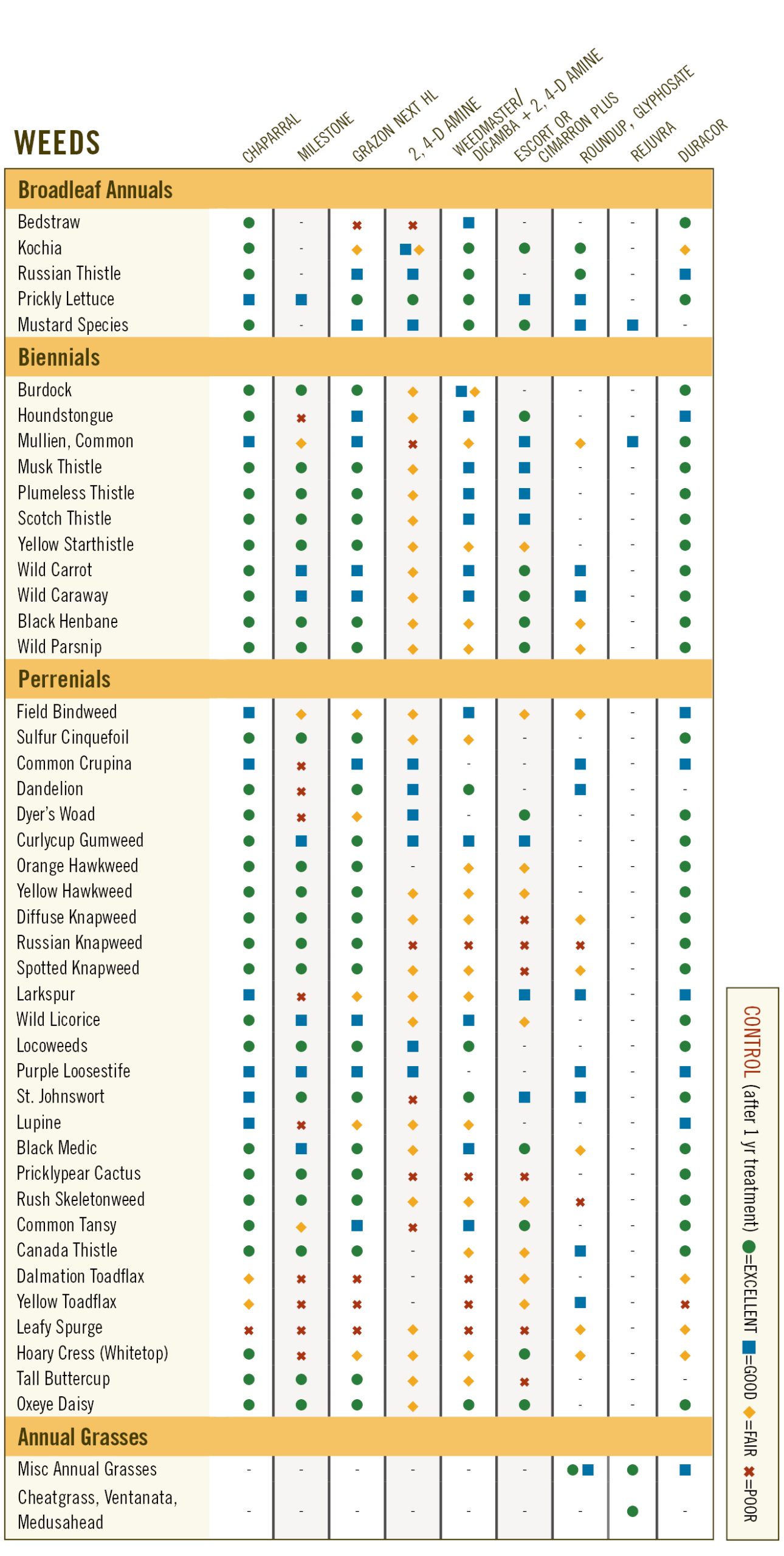
Image source: Bing (Web (fair-use with source credit))
Typical kill windows by weed type
| Weed category | First bleaching | Full kill |
|---|---|---|
| Crabgrass (annual) | 3 to 5 days | 14 to 21 days |
| Goosegrass (annual) | 5 to 7 days | 21 to 28 days |
| Dandelion (perennial) | 5 to 10 days | 30 to 45 days |
| Clover (perennial) | 7 to 10 days | 28 to 35 days |
| Yellow nutsedge (perennial) | 7 to 14 days | 45 to 60 days |
| Field bindweed (perennial) | 10 to 14 days | 45 to 60+ days |
What Speeds It Up or Slows It Down
Three things control the speed of kill: weed vigor, weather, and your mix.
Young, actively growing weeds die fastest. A 2-leaf crabgrass in warm spring soil is a 14-day kill. A drought-stressed, tillered crabgrass in summer is a 30-day kill, sometimes longer.
Target weeds when they're small and the soil is moist.
Warm temperatures and bright sun shorten the window. Mesotrione's bleaching action requires sunlight to break down unprotected chlorophyll. Below 50°F, symptom development stalls.
Above 80°F with good soil moisture, you're at the fast end of every range.
Tank-mix choices also change the timeline. Mixing Tenacity with a contact herbicide like Pylex (topramezone) cuts the cosmetic kill time noticeably because you're hitting the plant with two modes of action. Adding glyphosate to a spot treatment speeds it up dramatically, but you're no longer doing selective control.
Slowdowns come from:
- Cold soil (below 55°F)
- Drought stress
- Mature perennial weeds with deep roots
- Hard water (high pH reduces uptake)
- Missing surfactant on post-emergent apps
What to Do When Weeds Bleach but Don't Die
Bleached weeds that regrow is the most common frustration. You'll see white tops, then new green shoots from the crown two to three weeks later. That means the foliage died but the root system survived.
The fix is a second application, not a stronger first one. Wait at least 21 days, add a non-ionic surfactant, and make sure the regrowth is actively growing before you spray. Drying out the plant with glyphosate first, then following with Tenacity seven days later, also works for tough perennials, though it kills your selectivity.
If you're seeing regrowth on the same patch year after year, the weed's root system is established beyond what mesotrione can reach. Switch to a root-targeted herbicide like dicamba for broadleaves or quinclorac for crabgrass escapes. Tenacity is a foliar and shallow-root tool, not a deep taproot killer.
Comparing Tenacity to Faster-Killing Alternatives
The "slow" reputation is real, and it's the tradeoff for selectivity. If you need faster cosmetic results, here are the common alternatives and where each one fits.
| Herbicide | Visible kill time | Selectivity | Best use case |
|---|---|---|---|
| Tenacity (mesotrione) | 14 to 28 days | Selective, safe at seeding | New lawns, overseeding, mixed weeds |
| Pylex (topramezone) | 7 to 14 days | Selective, similar spectrum | Faster cosmetic control, same HPPD class |
| Celsius (thiencarbazone + iodosulfuron + dicamba) | 10 to 21 days | Warm-season turf only | St. Augustine, centipede, Bermuda |
| Quinclorac (Drive) | 7 to 14 days | Cool-season turf, crabgrass-specific | Crabgrass escapes post-tiller |
| Glyphosate (Roundup) | 4 to 7 days | Non-selective | Spot treatment, reno prep |
Pylex is the closest substitute and shares the same bleaching mechanism. It's faster but pricier and less commonly stocked. Celsius works on warm-season turf where Tenacity rates are restricted.
Quinclorac is faster on crabgrass but does nothing on most broadleaves.
If your main goal is seeding a new lawn and you need weed control at the same time, Tenacity is still the standard. Nothing else combines pre-emergent activity, post-emergent bleaching, and seedling safety in one product. The 14 to 28 day timeline is the cost of that flexibility.
Mistakes That Stretch the Kill Window
Most slow-kill complaints trace back to a handful of repeatable errors. Skipping surfactant is the first one. Mesotrione needs a wetting agent to cross the waxy cuticle on most broadleaves.
Without it, you're relying on rain or dew to do the work, and that's inconsistent.
Spraying stressed weeds is the second. A drought-dormant dandelion has a waxy leaf coating and slow metabolism. Mesotrione sits on the surface instead of moving into the phloem.
Water the lawn the day before, let the weeds perk up, then spray. You'll shave a week off the timeline.
Other common missteps:
- Mowing 24 to 48 hours after application. You cut off the bleached tissue and reduce uptake. Wait 3 to 4 days.
- Mixing with hard water above pH 8.0. Carbonates bind mesotrione. Use a water conditioner or spray within an hour of mixing.
- Skipping the second pass. Annual weeds usually need one app. Tough perennials need two, 21 days apart.
If you've corrected these and still see slow kill, check your sprayer calibration. Underdosing below 3 fl oz per acre is a common homeowner mistake and it produces partial bleaching that never quite finishes the plant.
Pro Tips for Getting a Faster, Cleaner Kill
A few small adjustments can move your timeline to the fast end of every range. Timing the application for warm mornings (60°F and rising) with a surfactant and a 21-day follow-up gets most lawns clean in a single pass.
For cool-season turf overseeding, here's a workflow that works:
- Seed your KBG, fescue, or rye on day 0.
- Spray Tenacity at 4 fl oz per acre on day 1 to 3, with NIS.
- Water lightly the next morning to move it into the soil for pre-emergent activity.
- Spot-treat escapes 21 days later.
Keep mowed clippings off the lawn for the first 48 hours. Tenacity works through foliar contact, so any debris that catches the spray reduces coverage.
If you're managing centipedegrass or St. Augustinegrass, drop the rate to 2 fl oz per acre and skip fall applications within 6 weeks of dormancy. Warm-season turf bleaches easily at higher rates, and recovery in fall is slow.
Tenacity Bleaching Timeline, Frequently Asked Questions
How long until bleached weeds are completely dead?
Most annual weeds are fully dead 14 to 21 days after application. Perennial weeds take 30 to 60 days depending on root depth and stored reserves. Wait one full week after you see no new green growth before declaring victory.
Will bleached weeds come back?
Sometimes. Annual weeds with shallow roots rarely regrow once the crown turns brown. Perennial weeds like dandelion, bindweed, and nutsedge can push new growth from the root crown 3 to 4 weeks post-spray.
Plan a second application at 21 days for these.
Is white bleaching on my desirable grass normal?
Yes, at higher rates or under stress. Kentucky bluegrass and perennial rye can show temporary whitening that recovers in 2 to 3 weeks. Fine fescue is the most sensitive.
If you see widespread turf whitening, you're at the upper end of the rate range or the lawn is heat-stressed.
Can I speed up the kill with a tank-mix partner?
Yes. Adding Pylex (topramezone) shortens cosmetic kill time. Mixing with a low rate of glyphosate speeds it dramatically but removes selectivity.
For overseeding situations, stay with Tenacity alone to protect seedling safety.
Why are my weeds yellow but not turning white?
Slow uptake, usually from cold weather, hard water, or missing surfactant. Yellowing without full bleaching means the HPPD block is partial. Check your mix, wait for warmer days, and reapply in 21 days if needed.
Does rain after application slow the kill?
Yes, if it falls within 4 hours of spraying. Tenacity is rainfast once it dries on the leaf, usually 2 to 3 hours. A heavy rain immediately after washes the surfactant off and you'll see patchy bleaching instead of full whitening.
Reapply only the missed areas.

Similar Posts