Kill Sandburs and Stickers for Good: A Lawn-Saving Guide
If you're stepping barefoot across the lawn and wincing every summer, you've got sandburs, and you're not alone. These spiky seed heads are the single most common complaint we hear from homeowners in the South and the transition zone. The good news: you can knock them out, but only if you understand how the plant actually works.
Here's the hard truth most lawn care articles skip. A single sandbur plant can drop hundreds of seeds that stay viable in the soil for 3 to 5 years. Treat once, miss the timing, and you're back at square one.
As of 2026, extension services from Texas A&M, University of Florida IFAS, and Clemson all stress the same point: sandbur control is a two- to three-year program, not a one-shot spray. Let's walk through how to do it right.
Quick Answer
To eliminate painful sandburs and stickers from a lawn, apply a pre-emergent herbicide when soil temps hit 52 to 55°F. Spot-treat escapes with a labeled post-emergent in early summer. Mow high, water deeply, and re-seed thin areas.
Repeat for two to three seasons to exhaust the seed bank.
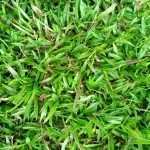
Image source: Bing (Web (fair-use with source credit))
Identify What You've Got (Sandbur vs. Burweed vs. Goosegrass)
Before you spray anything, you need to know what you're fighting. Three common "stickery" lawn weeds get lumped together, and they need different fixes.
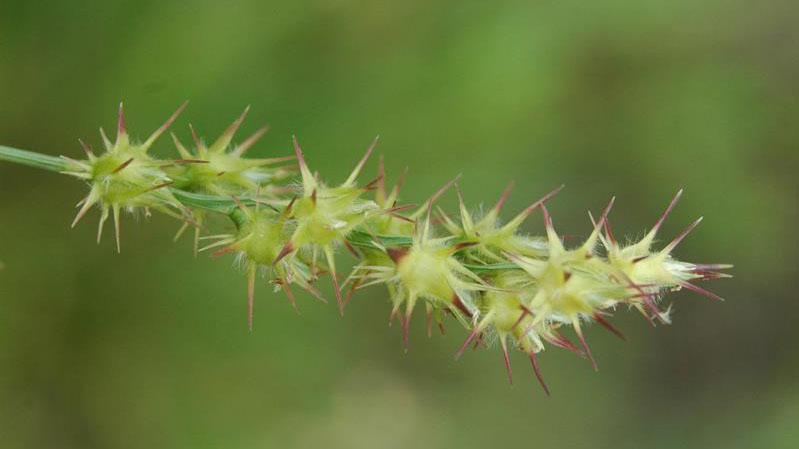
Field sandbur (Cenchrus incertus) is the classic culprit. It's a summer annual grass with a seed head that hardens into spiny burs by late July through September. The leaves are flat, about a quarter inch wide, and the plant grows in a clumping, sprawling habit.
If you grab a seed head, you'll feel sharp spines that hurt.
Lawn burweed (Soliva sessilis) looks completely different. It stays low to the ground, has feathery leaves, and produces tiny stickers in spring, usually March through May in the South. The pain is just as real, but the timing is earlier in the year.
If your stickers show up in spring and disappear by June, you may have burweed, not sandbur.
Goosegrass (Eleusine indica) is another summer annual grassy weed, but it doesn't produce stickers. It has a flatter, whorled seed head. People often misidentify goosegrass as a young sandbur.
The key difference: goosegrass never forms spiny burs.
| Weed | Season | Growth Habit | Burr Type | Treatment Window |
|---|---|---|---|---|
| Field sandbur | Summer annual | Clumping, sprawling | Hard spiny burs | Pre-emergent in spring, post-emergent by July |
| Lawn burweed | Winter annual | Low, mat-forming | Tiny hooked stickers | Pre-emergent in fall, post-emergent in early spring |
| Goosegrass | Summer annual | Flat, whorled | No burrs (seeds only) | Pre-emergent in spring, post-emergent in early summer |
The University of Florida IFAS Extension notes that misidentification is the number one reason DIY treatments fail. If you treat burweed in summer, you're too late. If you treat sandbur in fall, you're too late.
The plant, and the timing, dictates the fix.
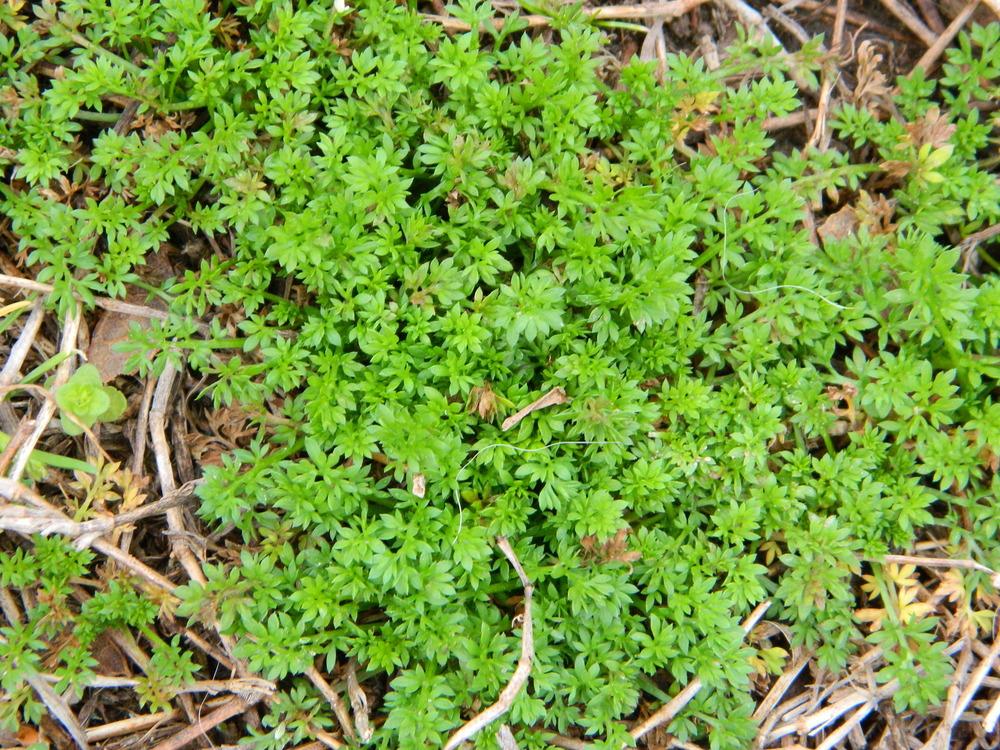
Image source: Bing (Web (fair-use with source credit))
What Sandburs Need to Survive and Why Your Lawn Is Letting Them In
Sandburs don't just show up randomly. They thrive in specific conditions, and most of those conditions are problems with your lawn, not just bad luck.
Thin, weak turf is an open invitation
Sandburs love bare or thin spots. They germinate fast in soil that gets a lot of direct sun and doesn't have competing grass roots. If your lawn has patchy areas, compacted soil, or drought stress, sandburs will fill in those gaps before your grass can.
Extension research from Texas A&M AgriLife confirms that dense, healthy turf is the single best long-term defense.
Sandy or compacted soil makes it worse
Sandburs do especially well in sandy soils, which is why they're a nightmare across the coastal South, Florida, and the Gulf states. Compacted clay soils also favor sandburs because desirable grass struggles to root deeply, leaving room for weeds.
Mowing too short is a hidden problem
Scalping your lawn at 1 inch or lower opens the soil to sunlight and helps sandbur seeds germinate. The fix: raise your mower deck. Bermuda can handle 1.5 to 2 inches, St.
Augustine wants 2.5 to 3 inches, and fescue needs 3 to 3.5 inches. Taller grass shades the soil and slows sandbur establishment.
Drought stress opens the door
When grass goes dormant from heat and lack of water, sandburs keep growing. They have deep roots and tolerate dry conditions better than most turfgrasses. Watering deeply but infrequently, about 1 inch per week total, keeps your grass competitive.
The bottom line: if you only spray herbicide without fixing the underlying conditions, sandburs will be back the moment you stop.
Pick Your Control Strategy: Pre-Emergent, Post-Emergent, or Both
There's no single "best" approach to sandburs. The right strategy depends on where you are in the season, how bad the infestation is, and what grass you're growing. Let's break down the options.
Pre-emergent: stop seeds before they sprout
Pre-emergent herbicides form a chemical barrier in the top inch or two of soil. When sandbur seeds germinate, the seedlings absorb the herbicide and die before they ever break the surface. This is your most powerful tool, but timing is everything.
The trigger is soil temperature. Wait until soil at 4-inch depth holds 52 to 55°F for three to five consecutive days. In most of the South, that's early to mid-March.
In the transition zone, it's mid-March to early April. Clemson Cooperative Extension recommends using a soil thermometer rather than guessing by calendar.
Common pre-emergent active ingredients:
- Prodiamine (longest residual, ~8 months in some soils)
- Pendimethalin (good all-around choice, 3 to 4 month residual)
- Dithiopyr (also has some early post-emergent activity on young seedlings)
For warm-season grasses like Bermuda, Zoysia, St. Augustine, and Centipede, all three work well. For fescue and other cool-season grasses, pendimethalin and prodiamine are generally safe when applied in early spring before fescue breaks dormancy.
Post-emergent: kill what's already growing
If you missed the pre-emergent window or sandburs slipped through, post-emergent herbicides kill plants that are already up. The best timing is when sandburs are young and actively growing, usually 4 to 6 weeks after germination, before seed heads form.
Active ingredients that work on sandburs in warm-season turf:
- Imazaquin (safe on Bermuda, Zoysia, Centipede; can temporarily yellow St. Augustine)
- Metsulfuron-methyl (effective on many grass weeds, but check label for your turf type)
- Quinclorac (works on some grassy weeds, less reliable on mature sandburs)
For cool-season turf (fescue, bluegrass), options are more limited. Most effective post-emergent sandbur control in cool-season grass is hand pulling or spot treatment with a non-selective herbicide like glyphosate, accepting that you'll reseed the area.
One critical note: MSMA used to be the go-to post-emergent for sandburs. As of 2026, MSMA is restricted-use or banned for residential turf in many states. Check your state Department of Agriculture regulations before considering it.
Imazaquin and metsulfuron-methyl have largely replaced it.
Organic and cultural options
If you want to avoid synthetic herbicides, you have limited but real options:
- Corn gluten meal at 20 lbs per 1,000 sq ft has mild pre-emergent effects, though research on its sandbur efficacy is mixed.
- Hand-pulling works for small infestations, but you have to get plants before seed heads form. One missed plant drops hundreds of seeds.
- Heavy mulch in landscape beds suppresses sandburs effectively, but you can't mulch a lawn.
- Goats and chickens will eat sandburs, useful on rural properties but impractical for most homeowners.
| Strategy | Best Timing | Effectiveness | Best For |
|---|---|---|---|
| Pre-emergent | Soil 52 to 55°F, early spring | 80 to 90% if timed right | All grass types, first line of defense |
| Post-emergent | 4 to 6 weeks after germination | 70 to 85% on young plants | Escapes and patch treatments |
| Hand pulling | Before seed head formation | 100% if done thoroughly | Small infestations, organic lawns |
| Cultural (mow high, water deep) | Ongoing | Long-term suppression | All lawns, supports other methods |
The winning formula, in our research, is pre-emergent in spring, post-emergent spot treatment in early summer, and aggressive cultural fixes through fall. That combo attacks sandburs from every angle.
Step-by-Step Plan to Kill Sandburs and Stop Next Year's Crop
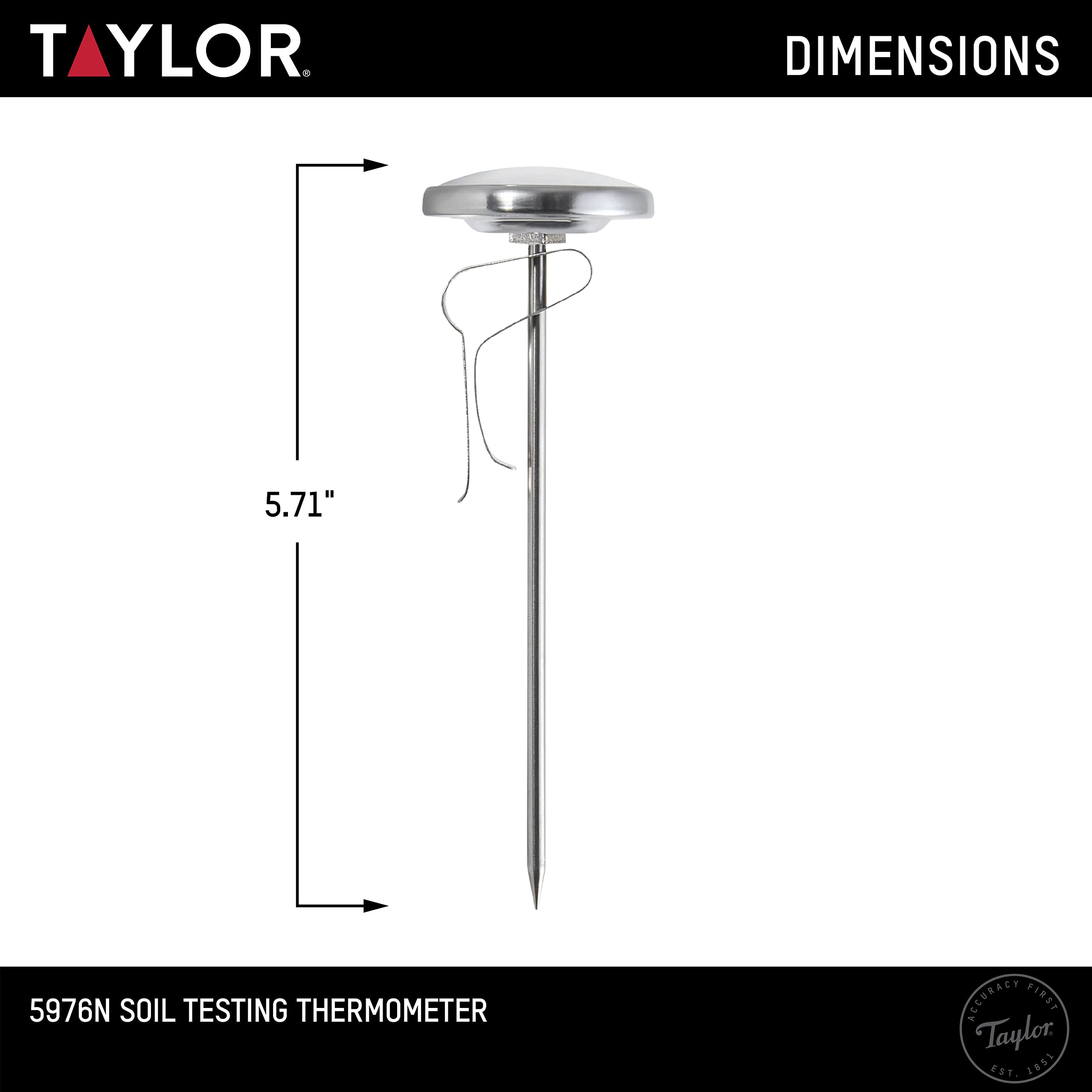
Image source: Bing (Web (fair-use with source credit))
Here's the workflow that actually works. Follow it in order, and don't skip steps.
Step 1: Scout and map the damage in early spring
Walk your lawn before spring green-up. Mark the spots where sandburs were worst last year. Those are your priority zones.
Sandbur seeds drop in fall and overwinter in the soil, so the worst areas are predictable.
Step 2: Get a soil thermometer and track temperature
Buy a cheap soil thermometer. Check the 4-inch depth in a shaded spot each morning. Once you see 52 to 55°F for three to five days in a row, you're in the pre-emergent window.
Don't spray before this or you'll miss the germination flush.
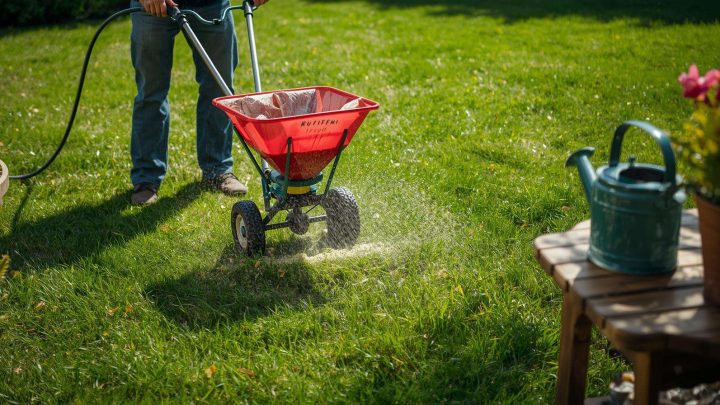
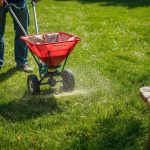
Step 3: Apply pre-emergent with a calibrated spreader
Read the label. Calibrate your spreader. Most pre-emergent products need 1 to 1.5 lbs of active ingredient per acre, but rates vary.
Apply evenly, then water in with about half an inch of irrigation within 24 to 48 hours to activate the chemical barrier.
Step 4: Mow high starting now
Raise your mower deck to the top of your grass's recommended range. Mow frequently enough that you never remove more than one-third of the leaf blade. Bag clippings if sandburs are already visible, otherwise you're spreading seed heads.
Step 5: Spot-treat escapes in early summer
Walk the lawn every week starting in late May. The moment you see a sandbur plant with no seed head yet, hit it with a labeled post-emergent. Young plants absorb herbicide far better than mature ones.
Per manufacturer specifications, imazaquin performs best when sandburs are 2 to 4 inches tall.
Step 6: Overseed thin areas in fall
Cool-season grasses overseed in September to October. Warm-season grasses can be sodded or plugged in late spring. Filling in bare spots now means sandburs have nowhere to germinate next year.
Step 7: Repeat the pre-emergent next spring
This is the step most people skip. Sandbur seeds last 3 to 5 years in soil. One year of pre-emergent kills the current crop, but buried seeds from previous years are still viable.
You need at least two to three consecutive years of pre-emergent to exhaust the seed bank.
Timing, Products, and Rates by Grass Type
Your grass type decides which products are safe and when to spray. Here's how to match the strategy to your lawn.
Warm-season grasses (Bermuda, Zoysia, St. Augustine, Centipede)
These grasses green up in late spring, which means your pre-emergent window is earlier than for cool-season lawns. Apply when soil temps hit 52 to 55°F, usually March in the Deep South and April in the transition zone. Bermuda and Zoysia tolerate prodiamine, pendimethalin, and dithiopyr without issue.
St. Augustine and Centipede are more sensitive. Prodiamine is the safest pre-emergent choice.
Imazaquin post-emergent can yellow St. Augustine temporarily, so spot-treat only. Centipede grows slowly and herbicide injury lingers longer, so go light on rates and don't spray during summer heat.
Cool-season grasses (Tall fescue, Kentucky bluegrass)
Fescue stays green through winter and struggles in summer heat, which is when sandburs attack. Pre-emergent timing is trickier because fescue is also breaking dormancy. Pendimethalin and prodiamine work if applied before soil temps reach 55°F and before fescue starts active growth.
Post-emergent options for fescue are limited. There's no selective grass herbicide that kills sandburs without harming fescue. Spot-treat with glyphosate and reseed, or hand-pull young plants.
Per Texas A&M extension guidance, cool-season lawn owners often rely more on cultural control and accept some summer hand-pulling.
| Grass Type | Pre-Emergent Timing | Safe Active Ingredients | Post-Emergent Notes |
|---|---|---|---|
| Bermuda | Soil 52 to 55°F | Prodiamine, pendimethalin, dithiopyr | Imazaquin safe, metsulfuron effective |
| Zoysia | Soil 52 to 55°F | Prodiamine, pendimethalin, dithiopyr | Same as Bermuda, slightly more sensitive |
| St. Augustine | Soil 52 to 55°F | Prodiamine preferred | Spot-treat only with imazaquin, expect yellowing |
| Centipede | Soil 52 to 55°F | Prodiamine, low rate | Very sensitive, go light or avoid post-emergent |
| Fescue | Soil 50 to 55°F | Pendimethalin, prodiamine | Spot-treat with glyphosate or hand-pull |
Calibrate your spreader before each application. Per manufacturer specifications, applying 20% more than the labeled rate doesn't improve control, it just stresses your grass and wastes product. A simple test: measure a 1,000 sq ft area, fill the spreader with a known weight, apply, and weigh what's left.
The difference is your actual rate.
Mistakes That Keep Sandburs Coming Back Year After Year
Even with the right products, small errors can blow the whole program. Here are the failures we see most often.
Spraying pre-emergent too early or too late
Pre-emergent works on seeds that are about to germinate. If you spray in February when soil is still 45°F, the chemical breaks down before sandbur seeds wake up. If you wait until April in the South, many seeds have already sprouted and the barrier does nothing.
Track soil temperature, not the calendar.
Skipping the post-emergent follow-up
Pre-emergent is 80 to 90% effective on a good day. That means 10 to 20% of seeds slip through. If you don't walk the lawn in June and July and spot-treat escapes, those plants set seed and refill your soil bank.
One mature sandbur plant produces 200 to 1,000 seeds. Do the math on what a few escapes can do.
Bagging vs. mulching clippings during a sticker year
If sandburs are already producing seed heads and you mow without bagging, you're shooting seed heads all over the lawn. Bag clippings during peak sticker season, usually July through September. Switch back to mulching once you're confident no seed heads are present.
Watering wrong after pre-emergent
Pre-emergent needs to be activated by water. Apply, then water in within 24 to 48 hours. About half an inch of irrigation or rain moves the chemical into the top inch of soil where seeds germinate.
Skip this step and the herbicide sits on the surface, breaking down in sunlight without doing its job.
Treating once and quitting
This is the biggest mistake. Sandbur seeds last 3 to 5 years in soil. If you treated in 2024 and skipped 2025, you're restarting from year one.
The seed bank is still loaded. Plan on three consecutive years of pre-emergent for a full reset, then maintenance applications if you see new pressure.
Letting pets and kids onto wet herbicide
Most post-emergent products need 24 hours to dry before re-entry. Some require longer. Check the label.
Walking on wet herbicide, then tracking it inside or letting a dog lick its paws, is a real exposure risk. Keep pets and kids off treated areas until the spray has dried completely.
For regional-specific questions about timing or restricted herbicides, your state's Cooperative Extension Service is the fastest way to get locally accurate answers.
Frequently Asked Questions
How long does it take to get rid of sandburs completely?
Two to three years of consistent treatment. Sandbur seeds stay viable in soil for 3 to 5 years, so one season of pre-emergent only kills the current year's germination. Skip a year and the seed bank reloads.
Plan on a multi-year program, not a one-time fix.
Will pre-emergent herbicide hurt my grass?
No, if you use the right active ingredient for your grass type. Prodiamine, pendimethalin, and dithiopyr are safe on all common turfgrasses when applied at labeled rates. St.
Augustine and Centipede are the most sensitive, so stick to prodiamine on those. Always read the label before applying.
Can I spray sandburs while they have stickers?
Post-emergent works best on young plants before seed heads form. Once burs harden, the plant is shutting down and herbicide uptake drops dramatically. If stickers are already out, mow or bag to remove them, then plan your pre-emergent for next spring to stop the next generation.
What's the best pre-emergent for sandburs in Bermuda grass?
Prodiamine is the longest-lasting and most forgiving option for Bermuda. Pendimethalin and dithiopyr also work well. Apply when soil temps hit 52 to 55°F and water in within 48 hours.
Per Clemson extension guidance, split applications 8 weeks apart give the best season-long control in heavy pressure years.
Are sandburs toxic to dogs?
Sandburs themselves aren't toxic, but the spines can embed in paw pads, between toes, and in ear canals. This causes pain, infection risk, and sometimes requires a vet visit to remove deeply embedded burs. If your dog limps after being outside, check paws first.
Keeping the lawn treated is the safest long-term fix.
Is there an organic way to kill sandburs without chemicals?
Limited options. Corn gluten meal has weak pre-emergent effects at 20 lbs per 1,000 sq ft. Hand-pulling works for small infestations if done before seed heads form.
Heavy mulch in beds stops them completely. For a full lawn, organic control alone is a tough multi-year grind, and most homeowners combine cultural methods with targeted herbicide use.

Similar Posts