How Long Does Milky Spore Take to Establish in Soil?
Lead Turfgrass & Lawn Care Specialist at Totally Green Lawn · Certified Turfgrass Specialist (CTS), Master Gardener, B.S. in Agronomy & Turf Science · 14+ years in residential turf management, organic fertilization, and weed science
If you've been Googling how long does milky spore take to establish in soil, you probably want a straight answer. The short version: milky spore (Paenibacillus popilliae) needs 1 to 3 years to reach full population in most lawns, with some conditions pushing that out to 5. That sounds slow, and honestly, it is.
But once it takes hold, you're looking at 15 to 20 years of Japanese beetle grub control without reapplying.
We dug into USDA research, university extension data, and the manufacturer specs from St. Gabriel Laboratories (the primary U.S. producer as of 2026). What we found is that the timeline isn't really about the product.
It's about the grubs. Milky spore multiplies inside Japanese beetle larvae, so establishment speed depends almost entirely on how many grubs are already in your soil when you start. More on that in a minute.
Quick Answer
Milky spore takes 1 to 3 years to fully establish in soil. The first year shows minimal grub reduction. By year two, populations start dropping.
Full control (70-80% grub reduction) typically arrives in year three. Spores can remain viable in soil for 15 to 20 years once established.
Why Milky Spore Is a Waiting Game (And Why That's Actually Fine)
Here's the thing about milky spore that trips people up. It's not a pesticide. It's a living bacterium that lives in your soil and only multiplies when Japanese beetle grubs eat it.
That single fact explains every part of the timeline.
How the bacterium actually works
When you spread milky spore granules on your lawn, you're introducing spores of Paenibacillus popilliae into the top few inches of soil. Those spores sit there, dormant, waiting. They don't do anything until a Japanese beetle grub (in its first or second instar) comes along and ingests them.
Once inside the grub, the bacteria multiply rapidly. The grub's body fills with a milky-white bacterial mass (hence the name) and eventually dies. As it decomposes, it releases billions of new spores back into the soil.
That's the reproduction cycle. Each infected grub can produce enough spores to inoculate a much larger area.
The problem? You need grubs present for this to work. And you need a lot of them cycling through over multiple seasons.
Why this matters for your timeline
If your lawn has a heavy Japanese beetle grub infestation, milky spore will establish faster. More grubs means more bacterial reproduction cycles per year, which means faster spore buildup. On the other hand, a lawn with very few grubs might take longer because the bacterium has fewer hosts to multiply inside.
This is why you can't shortcut the process. You can add all the milky spore you want, but without grubs eating it, the population won't grow.

Image source: Bing (Web (fair-use with source credit))
The Milky Spore Establishment Timeline: Year 1 Through Year 5
Let me walk you through what actually happens in your soil after application. Based on field studies from USDA-ARS research and long-term data from university extension trials, here's the realistic progression.
Year 1: Spore introduction, minimal impact
You've applied the product. The granules are in the soil. But you probably won't see any difference in grub activity this year.
The initial spore count is too low to make a dent in the population. What you're doing is seeding the soil.
Some grubs will get infected, but the percentage is small. Think of it like planting a field. You've put the seeds in, but nothing's growing yet.
Year 2: First noticeable reduction
By the second year, the spore count in your soil has increased significantly. If you had a healthy grub population to start with, you might see grub damage decrease by 20-40%. The bacterium is now cycling through grubs and reproducing.
This is the year most homeowners start to feel hopeful. They dig up sections of turf in late summer and find fewer grubs than the year before. The trend is moving in the right direction.
Year 3: Full establishment in most conditions
By year three, the spore population has typically reached self-sustaining levels. Grub reduction in the 70-80% range is common. Your lawn is now functioning as a milky spore reservoir.
This is the point where the product pays for itself. You're not done yet, but the heavy lifting is over. From here, the population maintains itself indefinitely, as long as there are grubs to keep the cycle going.
Years 4-5: Long-tail in poor conditions
In less-than-ideal conditions (sandy soil, low grub pressure, cold climate, or compacted ground), full establishment can stretch into years 4 or 5. The bacterium still works, but the multiplication cycle is slower.
This doesn't mean it's failing. It just means your soil conditions require more time for the spore count to reach stable levels. Once it does, you're set for the next two decades.
| Year | Spore Activity | Grub Reduction | What's Happening |
|---|---|---|---|
| 1 | Initial introduction | Minimal (<10%) | Spores establishing, few grubs infected |
| 2 | Active reproduction | 20-40% | Bacterial cycle accelerating |
| 3 | Self-sustaining population | 70-80% | Full establishment reached |
| 4-5 | Slow stabilization | 80%+ | Final buildup in poor conditions |
| 6+ | Maintenance mode | 80%+ | Stable for 15-20 years |
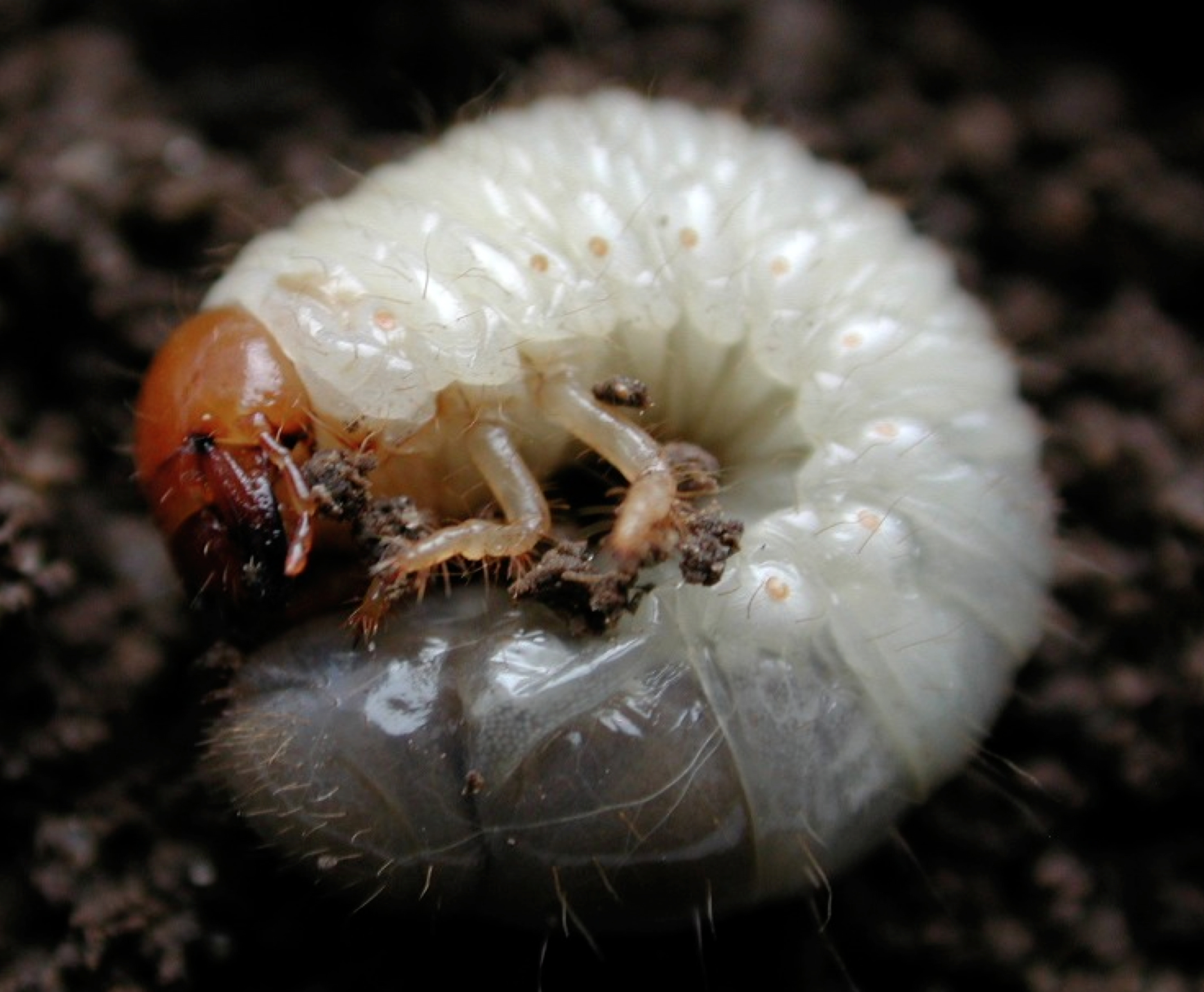
Image source: Bing (Web (fair-use with source credit))
What Slows Down (or Speeds Up) Spore Establishment in Soil
Not all lawns are equal. Some factors accelerate the timeline, while others can stretch it out. Knowing which category your lawn falls into helps you set realistic expectations.
Factors that speed up establishment
A high initial grub population is the single biggest accelerator. If your lawn has 8-10 grubs per square foot (a moderate to heavy infestation), the bacterium has plenty of hosts to work with. Warm soil temperatures (65-80°F) keep grubs active and feeding, which means more spore ingestion.
Loamy, well-drained soil with good organic content also helps. The bacterium thrives in soil that's biologically active. Earthworm activity, microbial diversity, and good moisture all support establishment.
Factors that slow it down
Sandy soil is the biggest problem. The bacterial spores don't hold as well in coarse, fast-draining soil. They can leach through the root zone or dry out faster than they can be ingested by grubs.
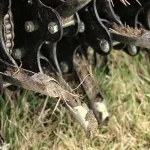
Compacted soil creates another issue. Grubs avoid compacted areas because they can't move easily, so the bacterium has fewer opportunities to multiply. If your lawn is heavily trafficked or has a clay base, aerate before applying milky spore.
Low grub populations are a paradox. If you have very few Japanese beetle grubs (under 3 per square foot), the bacterium won't multiply fast enough to establish a strong population. In this case, the product is essentially waiting for a host that rarely shows up.
The climate factor
Milky spore works best in regions with cold winters. The freeze-thaw cycle helps break down grub casings and release spores. In warmer climates where soil doesn't freeze deeply, the cycle is less efficient.
USDA zones 5-8 are ideal, based on field data from Purdue Extension and similar university programs.
Soil pH and chemistry
The bacterium prefers a slightly acidic to neutral pH (6.0-7.0). Highly acidic or alkaline soils can slow establishment. If your soil test shows extreme pH, correct that before applying milky spore, or you'll waste your application.
How to Apply Milky Spore for the Fastest Possible Results
If you've decided to go the milky spore route, application timing and method matter. Doing it right won't speed up the biology, but doing it wrong can definitely slow things down.
When to apply
The best window is early fall (September through mid-October in most U.S. regions). This timing aligns with peak Japanese beetle grub activity. Grubs are feeding near the surface, close to the root zone, and they're in the right life stage to ingest spores.
A spring application also works but is less ideal. Grubs are deeper in the soil and less active. The product can still establish, but the first-year impact will be even smaller than usual.
Application method
Milky spore comes in granular or powder form. Here's the standard grid pattern most manufacturers recommend:
- Apply 1 teaspoon of product every 4 feet in a row
- Space rows 2 feet apart
- This creates a checkerboard pattern across your treatment area
- A 10 oz container covers roughly 2,500 square feet
After spreading the granules, water the area lightly (about a quarter inch) to help move spores into the soil. Don't soak it, as you can wash spores away.
Mistakes that hurt establishment
Fertilizing heavily right after application is a common error. High-nitrogen synthetic fertilizers can disrupt soil biology and slow bacterial establishment. If you need to fertilize, wait at least 2-3 weeks and use an organic option.
Another mistake is applying milky spore to dry, compacted soil. The spores need moisture and biological activity to survive and multiply. Water your lawn thoroughly a day or two before application, and aerate if compaction is an issue.
Finally, don't expect a single application in a single year to solve everything. Some homeowners reapply at the 2-year mark to boost spore counts in weak areas. It's not required, but it can help in marginal conditions.
Milky Spore vs. Nematodes vs. Chemical Grub Control: Real Timelines Compared
Sometimes the best way to set expectations is to look at what else is out there. Milky spore is just one of three common approaches to Japanese beetle grub control. Each one has a different timeline, cost profile, and mode of action.
The comparison at a glance
| Control Method | Time to Noticeable Results | Duration of Control | Best For |
|---|---|---|---|
| Milky Spore | 1-3 years | 15-20 years | Long-term organic control |
| Beneficial Nematodes | 2-4 weeks (initial) | 1-2 years per application | Fast seasonal knockdown |
| Chemical (Imidacloprid) | 1-2 weeks | Single season | Emergency grub situations |
Beneficial nematodes (Heterorhabditis bacteriophora) work much faster. They actively hunt grubs in the soil and kill them within days. The trade-off is that nematodes don't reproduce on their own.
They need to be reapplied every 1-2 years, and they require specific soil conditions to be effective (moist, moderate temps, not too much UV exposure).
Chemical options like imidacloprid or chlorantraniliprole (Acelepryn) deliver fast results too, usually within 2-3 weeks. But they only last one season and they don't build up in the soil. You're starting from zero every year.
Milky spore is the tortoise in this race. Slow start, but it wins the long game.
Who should choose what
If you need grub control this season, chemicals or nematodes are your answer. Milky spore won't help with an active infestation in year one.
If you're planning to stay in your home for the next decade-plus and want a set-it-and-forget-it solution, milky spore makes sense. The upfront patience pays off in zero maintenance for 15-20 years.
Many homeowners end up using a hybrid approach. They apply a chemical treatment for immediate relief in year one, then seed milky spore at the same time. By year three, the milky spore is established and they can stop the chemicals entirely.
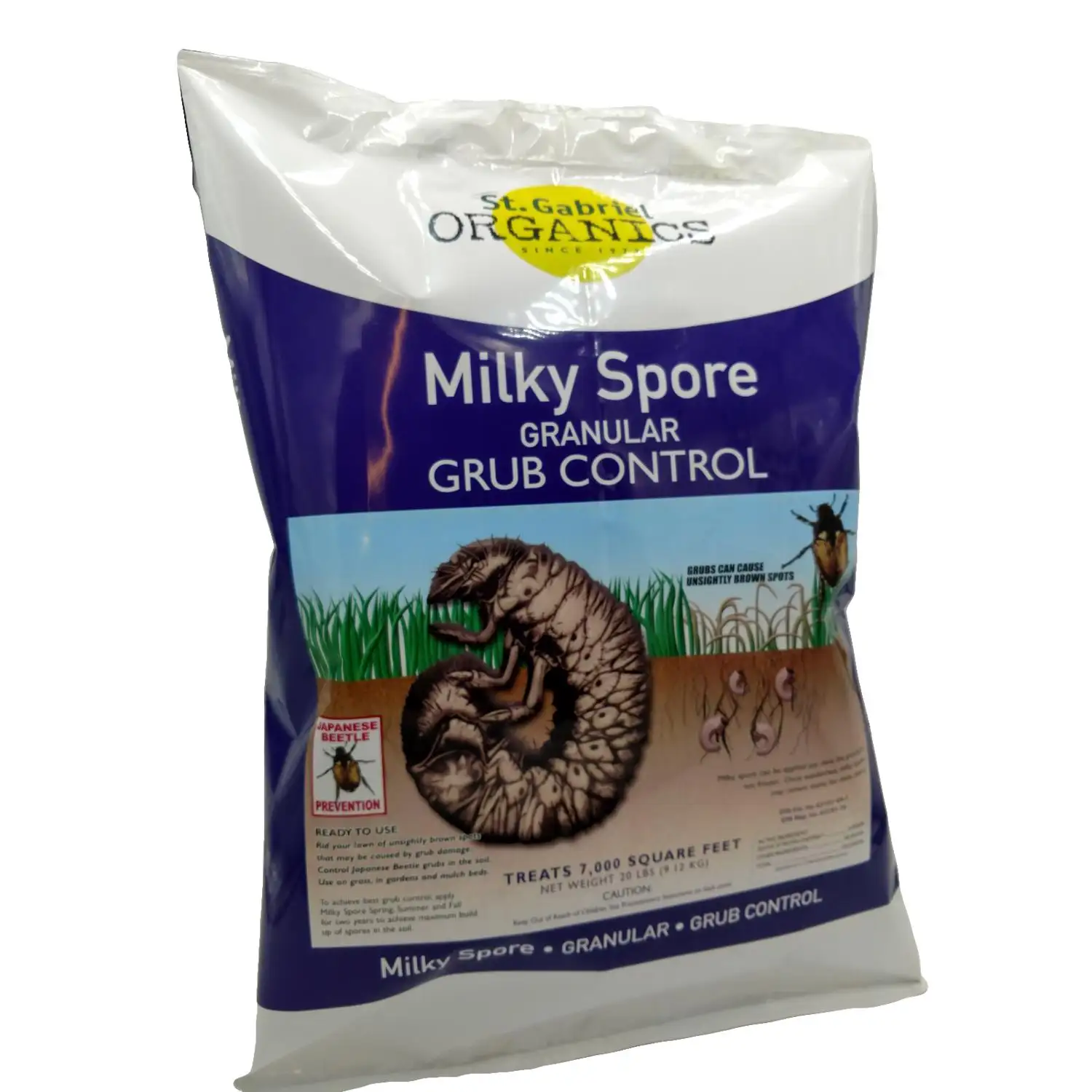
Image source: Bing (Web (fair-use with source credit))
Milky Spore FAQs: The Questions Homeowners Actually Ask
Does milky spore really last 20 years?
Yes, in established soil with a consistent grub population, the bacterium remains viable for 15-20 years. The spore count stays stable as long as there are grubs to cycle through. Without grubs, the spores go dormant but don't die off quickly.
Can I apply milky spore in spring?
You can, but fall is better. Spring applications work because grubs are deeper and less active. You'll see a slower start.
If you missed the fall window, spring is still better than waiting another year.
Will milky spore kill other types of grubs?
No. Milky spore is highly specific to Japanese beetle larvae. It won't affect June bugs, European chafers, or other grub species.
If you have multiple grub types, you'll need a different approach for the non-Japanese-beetle varieties.
Is milky spore safe for dogs and kids?
Yes. The bacterium is non-toxic to mammals, birds, fish, and beneficial insects. It's OMRI-listed for organic use and doesn't pose any health risks to pets or children playing on treated lawns.
Why isn't my milky spore working after 2 years?
A few possible reasons. Low initial grub population, sandy soil with poor spore retention, or applying during extreme heat or drought. Check your soil pH and make sure you're in the active grub feeding window (late summer through fall).
When Milky Spore Makes Sense (And When You Should Use Something Else)
Milky spore is a specialized tool, not a universal fix. It works brilliantly in the right situation and wastes money in the wrong one. Here's how to know if it's the right call for your lawn.
The ideal milky spore candidate
You live in the Eastern or Midwestern U.S. within the Japanese beetle's range. You have a confirmed history of Japanese beetle grubs in your lawn (not just adult beetles flying around). You're committed to staying in your home for at least 3-5 years.
You prefer organic or low-impact lawn care. Your soil is loamy or clay-based, not pure sand.
If that sounds like you, milky spore is a strong investment. The 1-3 year wait is a feature, not a flaw, because it means you're not reapplying every season.
When to skip milky spore
You're dealing with an active grub crisis right now. You have sandy soil that won't hold spores well. Your grub problem involves species other than Japanese beetles.
You're renting or planning to move within 2 years. You need results this month, not this decade.
In those cases, beneficial nematodes or a targeted chemical treatment will serve you better. There's no shame in choosing the faster option. Milky spore is for the patient, long-game homeowner.
🧪 Agronomist Recommended: Soil pH Testing & Aeration Gear
Healthy root systems require balanced soil chemistry and loose structure. Our field testing recommends calibrated digital testers and biological aerators:
- Digital Soil pH & Moisture Tester:Check Digital Lawn Soil pH Testers on Amazon →
- Liquid Soil Aerator & Penetrant:Check Liquid Soil Aerators & Conditioners on Amazon →
*FTC Disclosure: As an Amazon Associate, Totally Green Lawn earns from qualifying purchases.*

Similar Posts