How Deep Can You Level a Lawn With Sand Without Killing
Lead Turfgrass & Lawn Care Specialist at Totally Green Lawn · Certified Turfgrass Specialist (CTS), Master Gardener, B.S. in Agronomy & Turf Science · 14+ years in residential turf management, organic fertilization, and weed science
If you've ever looked at your yard and thought the mowing looks like a roller coaster, you've probably wondered how deep can you level lawn with sand without killing grass. The good news is that sand is one of the best tools for filling low spots and creating a smoother surface. The catch is that depth, timing, and sand type all matter a lot.
Most university extension services recommend no more than ½ inch of sand per application, with multiple light layers over a full growing season rather than one deep pour. Get that part right, and your lawn will reward you with a level surface and healthier turf. As of 2026, this is still the standard guidance taught by turfgrass programs across the U.S.
Quick Answer
You can safely level a lawn with sand by adding no more than ½ inch per application. Apply multiple thin layers spaced 4 to 6 weeks apart. Never bury the grass blades completely.
Use coarse, washed sand matched to your existing soil. Total seasonal depth should stay under 1 to 2 inches.
The Short Answer: How Much Sand Is Too Much
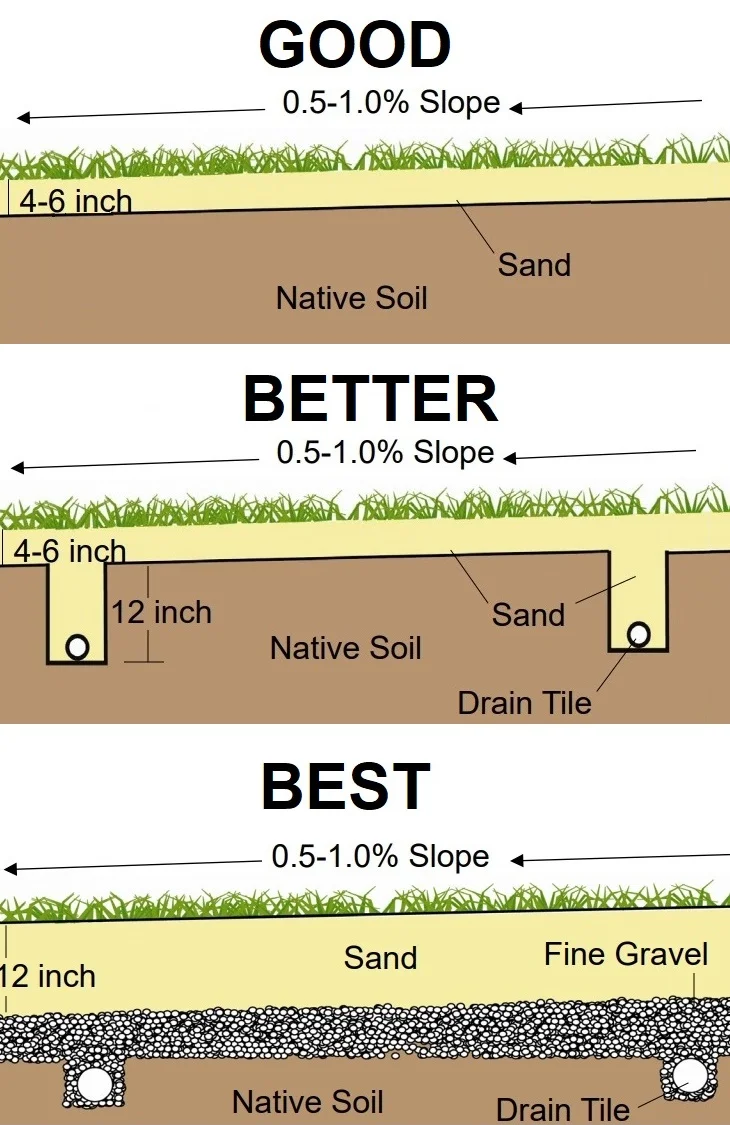
Here's the straight rule: keep each sand application to ½ inch or less. That's the depth most turfgrass extension specialists point to as the safe ceiling, because the grass blades and crowns still need sunlight, air, and water to photosynthesize and breathe. Go deeper in a single pass, and you risk suffocating the turf, causing yellowing, dieback, or outright kill spots.
Beyond per-application depth, there's a seasonal ceiling too. Across one full growing season, most lawns can handle 1 to 2 inches of cumulative sand if you build it up gradually. Think of it like frosting a cake in thin layers rather than dumping it all on at once.
Sand doesn't disappear, so every layer adds to the last.
A few factors shift the number slightly. Warm-season grasses like Bermuda and Zoysia recover faster from sand burial than cool-season fescues, so they tolerate slightly faster buildup. Deep-rooted grasses also handle sand better than shallow-rooted ones.
And if your lawn has an existing thatch layer thicker than ½ inch, you'll want to dethatch first so the sand can reach the soil instead of sitting on top of spongy organic matter.
The Variables That Decide Your Safe Depth
There's no single magic number that works for every yard. The "right" depth depends on a handful of conditions that change from lawn to lawn. If you understand these variables, you can make a smarter call than any generic rule.
Grass Type and Growth Speed
Warm-season grasses (Bermuda, Zoysia, St. Augustine, centipede, Bahia) grow aggressively in summer and push through sand faster. They can usually handle the full ½ inch per pass and recover in 2 to 3 weeks.
Cool-season grasses (Kentucky bluegrass, tall fescue, perennial ryegrass) grow more slowly and tend to sit under sand longer, so lean toward ¼ to ⅜ inch per pass.
Current Thatch Layer
If your thatch is under ½ inch, sand topdressing works beautifully. If it's thicker than that, sand gets trapped in the thatch and never reaches the soil, creating a hydrophobic (water-repelling) layer that dries out and kills grass. Dethatch first, then topdress.
Soil Texture Below the Surface
Sand on sandy loam works great. Sand on heavy clay is where layering problems start. The clay holds water, the sand drains it, and you end up with a perched water table right at the boundary.
If your soil is heavy clay, mix the sand 50/50 with screened topsoil or compost before applying, and core aerate first to break up the boundary.
Slope and Drainage
Steeper slopes lose sand to rain runoff before it ever settles. You'll need to apply in smaller doses, work the sand in with a stiff broom, and water it in lightly to lock it down. Flat or gently sloped lawns hold sand in place much better.
Depth of the Low Spot
A shallow 1-inch depression needs a totally different plan than a 4-inch sunken area. Shallow spots can usually be fixed with one or two sand topdressing cycles. Deep spots need fill dirt or topsoil first to bring the level up, then sand topdressing as the final smoothing pass.
Picking the Right Sand for Your Grass and Soil
Not all sand is the same. The bag at the hardware store might be perfect, or it might be the worst thing you could spread on your lawn. Here's how to choose.
Sand Particle Size and Shape
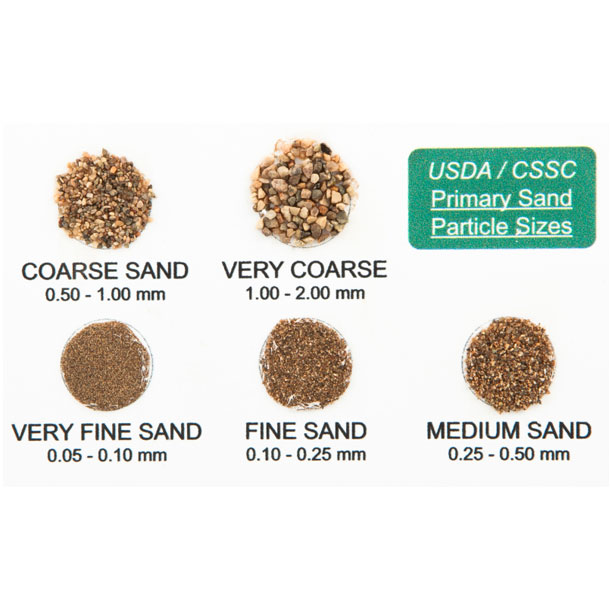
You want medium to coarse, washed, angular sand. Angular grains lock together and don't migrate as easily during rain. Rounded grains (like play sand or beach sand) shift around and never fully settle.
USGA specifications for golf green sand call for 60 to 80 percent of particles in the medium to coarse range, with very little fine sand or silt.
For most home lawns, that's overkill. A coarse masonry sand or "concrete sand" from a landscape supplier hits the sweet spot. It's affordable, drains well, and won't crust over.
Sand Types Compared
| Sand Type | Best Use | Watch Out For |
|---|---|---|
| Masonry / concrete sand | General lawn leveling, topdressing | May contain fines; ask for washed |
| Sharp sand (USGA-grade) | Golf-style leveling, premium lawns | Expensive, sometimes hard to source |
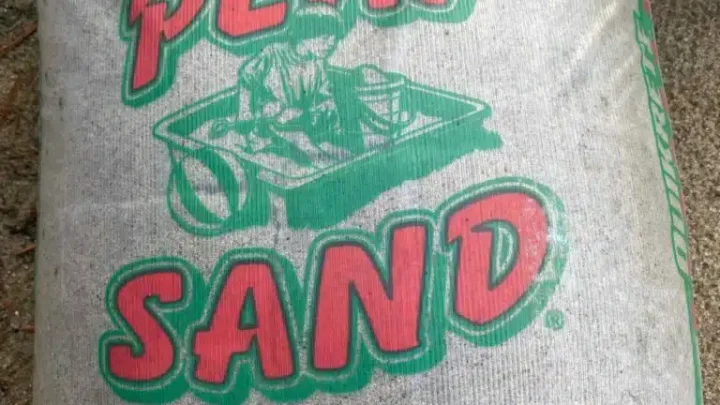
| Play sand | Decorative only | Too fine, crusts, suffocates grass |
| River sand | Decorative, paver base | Rounded grains, won't lock in |
| Beach sand | Never use on lawns | Salt content, rounded grains |
Compatibility With Your Soil
The jar test is the easiest way to check sand-to-soil compatibility. Fill a clear jar one-third full with soil from your lawn, add water to the top, shake hard for 2 minutes, and let it sit for 24 hours. The layers will separate into sand (bottom), silt (middle), and clay (top).
Your topdressing sand should be coarser than your soil's sand layer, but not dramatically different. A big mismatch is what creates layering problems down the road.
If you're working with heavy clay soil, blend your sand 60/40 or 50/50 with screened topsoil or compost. The organic matter helps the sand bridge into the clay instead of sitting on top like a dry blanket.
The Step-by-Step Process for Leveling Without Killing Grass
Once you know your depth limit and the right sand, the actual work is pretty straightforward. The order matters more than the speed, so don't skip steps.
Tools and Materials
| Item | Purpose |
|---|---|
| Coarse washed sand | Main leveling material |
| Compost or screened topsoil (optional) | For blending on clay soils |
| Dethatcher or power rake | Removes thatch over ½ inch |
| Core aerator | Breaks up soil and improves sand penetration |
| Lute rake or drag mat | Spreads sand evenly |
| Stiff push broom | Works sand down into the canopy |
| Hose or sprinkler | Washes sand off grass blades |
Step 1: Mow Low and Bag the Clippings
Cut the lawn shorter than usual, around 1.5 to 2 inches, and bag the clippings. You want the grass blades standing up and visible, not flopped over and hidden. Short grass also makes it easier to see the actual low spots.
Step 2: Dethatch if Needed
If the thatch layer exceeds ½ inch, run a dethatcher across the lawn and remove the debris. Sand applied over thick thatch just sits on top and dries out. The grass underneath can't push through it.
Step 3: Core Aerate (Optional but Recommended)
Core aeration pulls small plugs out of the soil and gives the sand somewhere to fall. This step is especially important on clay soils or compacted lawns. It dramatically reduces the risk of creating a hard pan layer.
Step 4: Mix and Stage the Sand
If you're using a sand/compost blend, mix it on a tarp or in a wheelbarrow until the color is uniform. For straight sand, just stage it in piles around the yard so you don't have to haul it back and forth.
Step 5: Spread Sand at ½ Inch Max
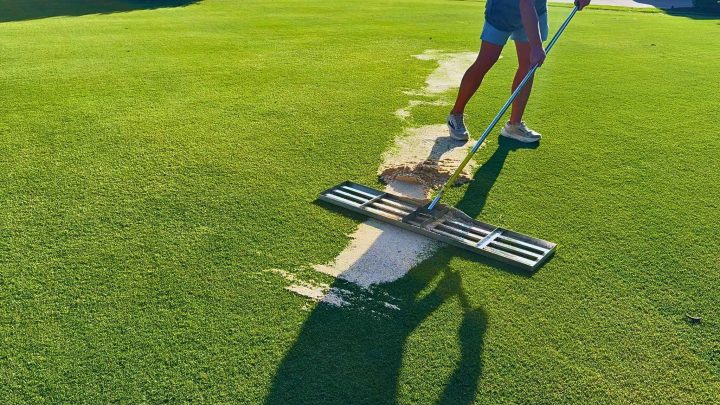
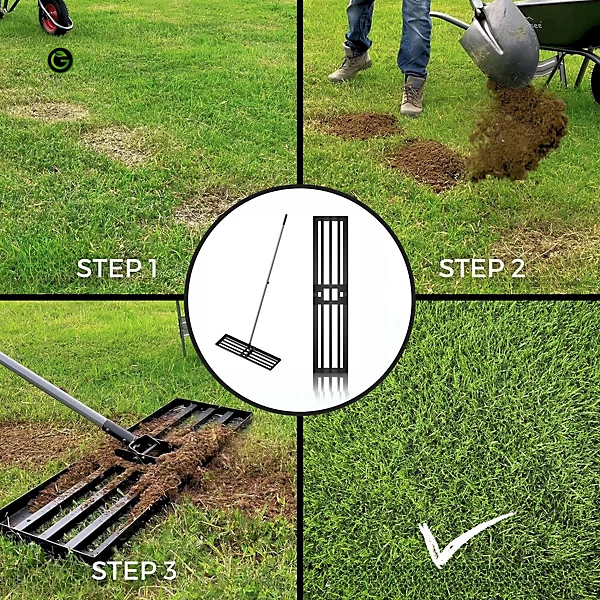
Shovel or pour the sand into the low spots, then drag a lute rake or the back edge of a heavy rake across the area to level it. Don't try to fill a 3-inch depression in one pass. Fill it halfway, let the grass grow through, then come back in 4 to 6 weeks for the next layer.
Step 6: Work the Sand Into the Canopy
Use a stiff push broom to sweep the sand down into the grass. You want most of the sand contacting soil, not sitting on top of blades. Brushing also helps the sand settle evenly without little mounds.
Step 7: Water Lightly
Mist the area with ¼ inch of water. This washes the remaining sand off the blades and helps it settle into the soil. Don't flood it, or you'll wash the sand right out of the low spots.
Step 8: Wait and Repeat
Give the grass 4 to 6 weeks to recover and push through before the next application. During peak growing season, you can do 3 to 4 passes per year. Most lawns reach a smooth, level surface in 1 to 2 full seasons.
Common Mistakes That Kill Lawns During Sand Leveling
We've seen the same handful of errors take out otherwise healthy lawns. Skip these, and you'll be fine.
Dumping Too Much at Once
The number one killer. A 2-inch layer of sand dumped in one pass smothers the grass within days. Yellowing shows up first, then brown patches, then bare soil.
Stick to ½ inch or less per pass, no exceptions.
Using the Wrong Sand
Play sand, beach sand, and any "fine" sand will crust over and repel water. The grass underneath dies from drought even though it's surrounded by sand. Always use coarse, washed, angular sand.
Topdressing Over Thick Thatch
Sand sitting on thatch is like sand sitting on a sponge. It dries out, sheds water, and never reaches the soil. Dethatch first if your thatch is over ½ inch.
Ignoring the Timing
Spreading sand in summer dormancy or right before winter dormancy gives the grass no chance to recover. For cool-season lawns, topdress in early fall or spring. For warm-season lawns, target late spring through early summer when growth is most aggressive.
Skipping the Water-In Step
Dry sand on grass blades in full sun acts like a magnifying glass. The blades scorch and die. A quick misting right after spreading prevents this and settles the sand into the canopy.
Forgetting to Mark Sprinkler Heads
Sand buries sprinkler heads fast. Mark them with flags before you start, or you'll be digging them out later.
For deeper guidance on matching sand to soil texture, the USDA Natural Resources Conservation Service soil texture classification system is the gold standard. For warm-season grass timing and recovery windows, the Clemson Cooperative Extension turfgrass publications walk through the exact same topdressing rates covered here.
Sand vs. Other Leveling Materials: What Actually Works Best
Sand isn't always the right pick. The best leveling material depends on what's underneath the grass and how deep the low spot actually is. Here's how the main options stack up.
Sand vs. Topsoil
Topsoil is denser and holds more nutrients, so it works better for deep fills over 1 inch. Sand drains faster and resists compaction, so it shines for shallow leveling and smoothing. If you're filling a sunken trench 3 inches deep, topsoil is the safer bet.
If you're smoothing out ripples and shallow dips, sand wins every time.
Sand vs. Compost
Compost adds organic matter and feeds the soil, but it breaks down over time and the low spot returns. Sand is permanent. Most turf managers blend the two at 70/30 or 60/40 (sand to compost) to get the benefits of both.
Sand vs. Screened Fill Dirt
Fill dirt is cheap and great for raising grade by several inches. It's too coarse and clumpy for the final leveling pass. Use fill dirt to bring the level up, then finish with sand.
When to Use a Pre-Mixed Leveling Product
Bagged "lawn leveling mix" products are usually a sand and compost blend, ready to go. They're convenient for small jobs under 200 square feet. For larger yards, buying sand and compost in bulk and mixing yourself is much cheaper.
| Material | Best Depth | Best For | Avoid If |
|---|---|---|---|
| Sand | ½ inch per pass | Shallow leveling, smoothing | Deep fills over 2 inches |
| Topsoil | 1 to 4 inches | Deep low spots | Final smoothing layer |
| Compost | ¼ inch per pass | Soil improvement | Standalone leveling |
| Sand/compost blend | ½ inch per pass | All-purpose leveling | Heavily compacted clay |
| Fill dirt | 2+ inches | Raising grade | Top ½ inch of finish |
Frequently Asked Questions
Can I put 2 inches of sand on my lawn in one pass?
No. Anything over ½ inch in a single pass will smother most turfgrass. Build up 2 inches over a full growing season using 3 to 4 light applications spaced 4 to 6 weeks apart.
Will sand kill grass if it gets too hot?
Sand itself doesn't generate heat, but dark-colored sand sitting on grass blades in direct sun can scorch them. Water the sand in within 30 minutes of spreading to wash it off the blades and prevent burn.
How long does it take for grass to grow through sand?
Warm-season grasses like Bermuda push through ½ inch of sand in 7 to 14 days during peak growth. Cool-season fescues take 3 to 4 weeks. If you don't see growth after 6 weeks, the layer was likely too thick or the sand was the wrong type.
Should I overseed after topdressing?
Yes, if the lawn is thin. The sand provides excellent seed-to-soil contact. Spread seed right after brushing the sand into the canopy, then water lightly twice a day until germination.
Skip overseeding if the lawn is already thick and full.
Can I use play sand from the hardware store?
We don't recommend it. Play sand is too fine, rounds off the grains, and crusts over when dry. It repels water and suffocates grass.
Spend a few extra dollars on coarse washed masonry sand. Your lawn will thank you.
How do I know if I've hit the layering problem?
Watch for water that pools on the surface and runs off instead of soaking in. That's the classic sign of a sand-over-fine-soil interface. Core aeration and mixing sand with compost before applying usually fixes it.
Decision Guide: Your Situation, Your Plan
Every lawn is a little different, so the right plan depends on what you're actually dealing with. Match your situation to the plan below and you'll avoid the most common pitfalls.
If You Have Shallow Dips Under 1 Inch
Go with pure sand at ½ inch per pass. Two applications spaced 6 weeks apart usually do the trick. Topdress during active growth and water in lightly after each pass.
If You Have a Sunken Trench 1 to 3 Inches Deep
Fill with screened topsoil first, compacted lightly and brought to within ½ inch of the surrounding grade. Let the grass recover for 4 weeks, then finish with sand as the smoothing layer.
If You Have Heavy Clay Soil
Core aerate first, then apply a 50/50 sand and compost blend at ½ inch per pass. The compost bridges into the clay and prevents the perched water table that pure sand creates over heavy soils.
If You Have Bermuda or Zoysia
You can push the depth slightly higher, up to ¾ inch per pass, and the grass will push through in under 2 weeks. Mid to late spring is the ideal window. Skip summer dormancy entirely.
If You Have Kentucky Bluegrass or Fescue
Stick to ¼ to ⅜ inch per pass. Topdress in early fall for the fastest recovery. The grass will slow down in summer heat, so avoid mid-July through August applications.
If You're Leveling a New Lawn Before Seeding
Wait until the seed has germinated and been mowed twice before topdressing. Then use a fine sand at ¼ inch to firm up the surface and improve seed-to-soil contact for the next overseeding pass.
The whole process takes patience, but a properly leveled lawn holds up for years once it's done. Most homeowners who follow the ½-inch-per-pass rule and pick the right sand end up with a smoother, healthier lawn that mows like a dream. If anything looks off after a pass, wait and watch before adding more.
Grass tells you pretty quickly whether you've gone too deep. Yellowing within a week means scale back. Steady green growth means you're on track.

Similar Posts