How to Get Rid of Wild Onions in Your Lawn for Good
Lead Turfgrass & Lawn Care Specialist at Totally Green Lawn · Certified Turfgrass Specialist (CTS), Master Gardener, B.S. in Agronomy & Turf Science · 14+ years in residential turf management, organic fertilization, and weed science
If wild onions have taken over your lawn, you already know the frustration. They pop up in clumps, smell like onions the second you mow, and laugh at most weed killers. And if you've tried to get rid of wild onions in lawn the lazy way, you've probably watched them come right back the next season.
Here's the tough truth: wild onions are perennial bulb weeds, and most store enough energy underground to reshoot after a single surface treatment. Aggregate user reports and turfgrass extension guidance show that fully clearing an established patch takes 2 to 3 seasons of consistent work, and the most effective window is fall after the first frost, when the plants pull herbicide down into the bulbs. The good news: once you understand the plant, the right method becomes obvious.
Quick Answer
To get rid of wild onions in a lawn, treat them in fall with a three-way selective herbicide. Hand-pulling works only for very small, new infestations. Expect 2 to 3 seasons of follow-up treatments.
Identify the plant by smell first. Then match your method to infestation size.
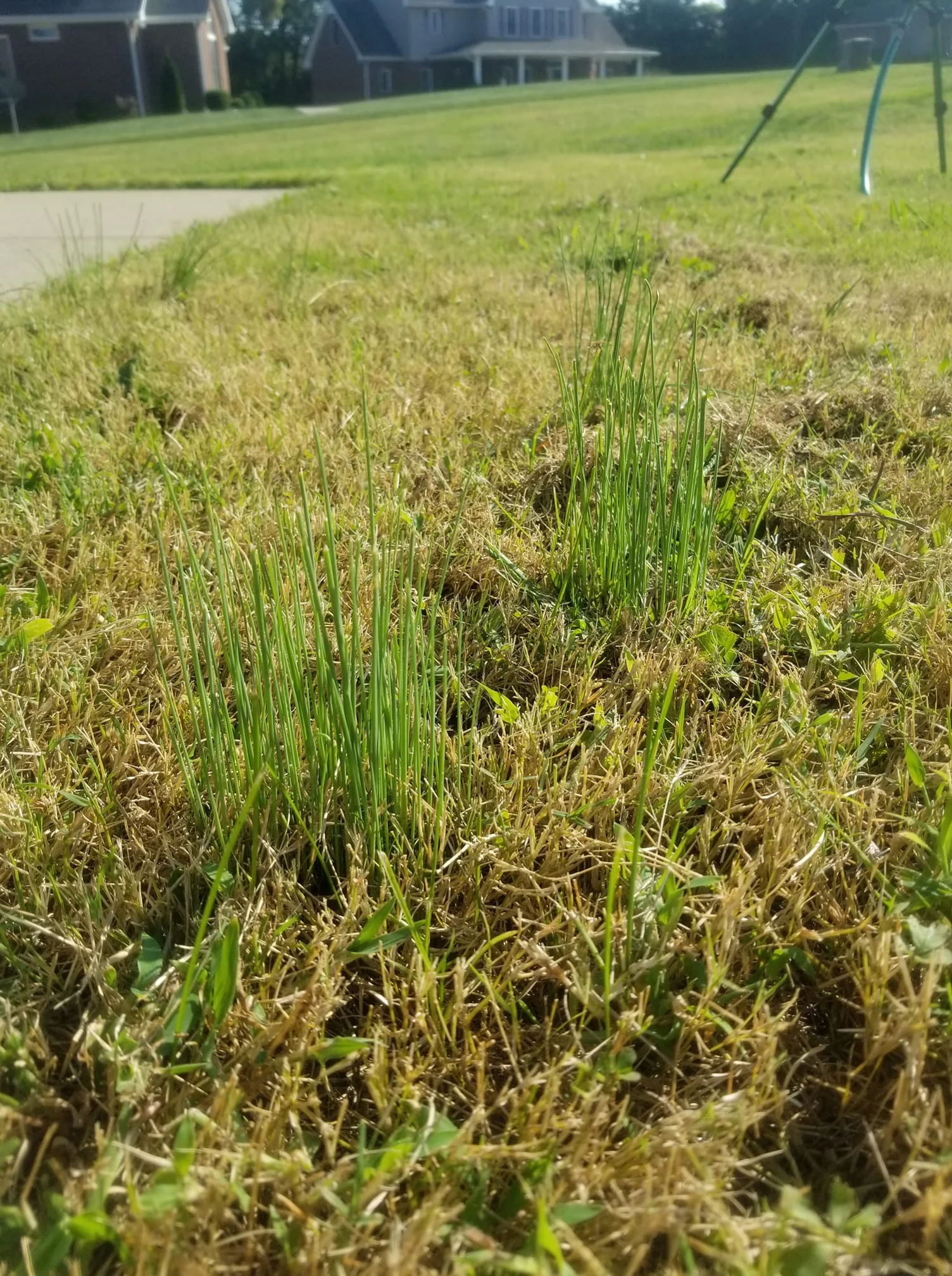
Image source: Bing (Web (fair-use with source credit))
What Wild Onions Are and Why They're So Hard to Kill
Wild onion (Allium canadense) and its close cousin wild garlic (Allium vineale) are cool-season perennial weeds. They sprout from underground bulbs that sit 1 to 4 inches deep, store energy through summer dormancy, and reshoot every fall and spring. That bulb is the entire reason this weed feels unbeatable.
Most lawn weed killers are designed for broadleaf weeds like dandelions and clover. They work through the leaves. Wild onion's glossy, waxy cuticle repels water-based sprays, so the herbicide often beads up and rolls off before it can be absorbed.
Even when some chemical gets in, the dose that reaches the bulb is rarely enough to kill it. The plant shrugs, sends up new leaves, and the cycle continues.
A few more things make this weed stubborn:
- Each bulb produces several smaller bulblets, so one "plant" is really a cluster
- Mowing spreads bulblets to new areas of the lawn
- Bulbs stay viable in soil for 1 to 6 years depending on species
- Cool-season growth means the plant is most active when your lawn is semi-dormant
That's why a single spring spray almost never works. You have to treat the plant when it's moving energy downward, into the bulb. That window is fall, after a frost, when the leaves are still green and the plant is storing reserves for winter.
How to Identify Wild Onion (and Not Mistake It for Something Else)
Before you spray anything, make sure you're actually dealing with wild onion. A few common lookalikes get misidentified, and they don't all respond to the same treatment.
The Smell Test
Crush a leaf between your fingers. If it smells like onion or garlic, you've got an Allium. This is the fastest, most reliable field test.
Leaf Shape and Growth
Wild onion has round, hollow, smooth leaves that grow straight up like little green straws. Wild garlic is nearly identical but has flatter, more flexible leaves. Both grow in upright clumps 6 to 12 inches tall, often in patches rather than spread evenly.
What It's NOT
A few common lookalikes confuse people every year:
- Star-of-Bethlehem has similar grassy leaves and white flowers, but it smells like nothing when crushed and is much harder to control
- Nutsedge has a triangular stem and grows faster in summer
- Regular chives look similar but stay in tidy clumps and rarely invade lawns
Seasonal Clues
Wild onion greens show up in late fall, persist through winter in mild climates, and grow strongly in early spring. By June, the tops die back and the plant goes dormant underground. If your "weed" is thriving in July heat, it's probably not wild onion.

Image source: Bing (Web (fair-use with source credit))
If you're not 100% sure, grab a sample and check with your local university extension service. Most have a free identification service, and the USDA Plants Database lets you confirm species by region.
Your Removal Options: Hand-Pulling, Herbicide, or a Combined Approach
There's no single best method. The right choice depends on how big the infestation is, what kind of grass you have, and whether you're willing to use chemicals. Here's how to think through it.
Option 1: Hand-Pulling (Small, New Infestations Only)
Pulling works if you catch wild onion early, when there are just a few clumps and the bulbs are still shallow. The catch: you have to get the entire bulb. If even a fragment of bulblet stays in the soil, it regrows.
A few tips if you go this route:
- Pull after rain or watering when soil is loose
- Use a hand trowel or dandelion fork to get under the bulb
- Don't compost the bulbs; bag and trash them
- Expect to repeat every 2 to 3 weeks through the growing season
Hand-pulling fails on established patches because you'll never get every bulblet. It's also impractical for anything bigger than a few square feet.
Option 2: Selective Herbicide (The Standard Method)
This is what turfgrass extension services recommend for most lawns, and it's the only reliable option for medium to heavy infestations. The key is using the right product at the right time.
A three-way selective herbicide containing 2,4-D, dicamba, and MCPP (or MCPA) is the standard treatment. As of 2026, this combination is still the most widely recommended active mix for Allium control in home lawns, per multiple state extension services. The three actives work together to penetrate the waxy cuticle and translocate down into the bulb.
For tougher infestations, products containing imazaquin (such as Image) are often recommended by extension specialists. Imazaquin is a stronger systemic that moves more aggressively into the bulb. Check the label to confirm it's safe for your grass type; it can damage certain warm-season grasses.
Option 3: Non-Selective Spot Treatment (Surrender the Grass)
For very heavy, concentrated patches, you can use glyphosate (Roundup) to kill everything in the spot, then reseed. This is a scorched-earth approach, so use it only when the patch is so dense that the lawn underneath is already gone.
If you go this route:
- Spot-treat only, never broadcast
- Wait 7 to 10 days, then rake out dead material
- Reseed or sod the area
- Treat the rest of the lawn selectively to prevent spread
Quick Comparison
| Method | Best For | Time to Work | Re-Treatment Needed |
|---|---|---|---|
| Hand-pulling | A few new clumps | Immediate but slow | Every 2–3 weeks |
| Three-way selective herbicide | Most lawns, medium infestations | 2–3 weeks visible, full effect next season | Once or twice yearly for 2–3 years |
| Imazaquin-based herbicide | Heavy infestations, stubborn patches | 3–4 weeks | Once yearly, fall |
| Glyphosate spot treatment | Dense patches where grass is already lost | 7–10 days | Reseed after, monitor for regrowth |

Image source: Bing (Web (fair-use with source credit))
The Best Time to Treat Wild Onions in Your Lawn
Timing matters more than product choice. Spray the right chemical at the wrong time, and you'll waste a season.
Fall Is the Primary Window (October to Early December)
This is when wild onion is most vulnerable. The plant is actively growing, the leaves are green and full, and it's pulling energy down into the bulb to store for winter. A fall application of a three-way herbicide rides that energy flow into the bulb and kills it from the inside out.
Aim for after the first light frost but before the ground freezes. The greens should still be upright and healthy. In most of the eastern and midwestern US, that window falls roughly October through late November.
Northern zones may need to treat in mid-September.
Spring Is a Secondary Window (Late February to Early April)
If you missed fall, a spring application helps weaken the plant, but it rarely kills the bulb outright. The plant is moving energy upward into new growth, so herbicide doesn't translocate downward as effectively. Think of spring sprays as a maintenance step, not a knockout punch.
Don't spray in summer. The plant is dormant. You'll just waste product and damage any grass you hit.
If You Have Warm-Season Grass
The timing still works, but check the product label carefully. Some selective herbicides safe for fescue or bluegrass can damage Bermuda, St. Augustine, or centipede grass.
The University of Georgia turfgrass extension has grass-specific guidance for most southern states.
Step-by-Step: Getting Rid of Wild Onions Based on Your Situation
Here's where we put it all together. Your actual steps depend on what you're dealing with, so follow the branch that matches your situation.
If You Have a Small, New Infestation (Under 10 Square Feet)
- Wait for moist soil, then hand-pull every clump with a dandelion fork.
- Get the full bulb. Small white bulblets left behind will resprout.
- Bag and trash the pulled plants. Don't compost.
- Monitor weekly and pull any new shoots immediately.
- Spot-treat any regrowth with a three-way selective herbicide in the next fall window.
If You Have a Medium, Established Infestation (Most Lawns)
- Mow 2 to 3 days before treatment, then leave the area alone. You want green, actively growing leaves.
- Wait for a calm day with temps between 50°F and 80°F. No rain in the forecast for 24 hours.
- Mix your three-way selective herbicide per label directions. Add a surfactant if the label recommends one; it helps break through the waxy leaf surface.
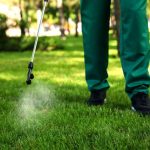
- Spot-spray each clump thoroughly, wetting the leaves until just before runoff.
- Don't mow for 2 to 3 days after application.
- Don't water for 24 hours.
- Watch for regrowth in 2 to 3 weeks. Treated leaves will yellow and twist.
- Re-treat any survivors in 6 to 8 weeks, or wait for the next fall window.
- Plan on 2 to 3 seasons of treatment before the patch is fully gone.
If You Have a Heavy, Lawn-Taking-Over Infestation
- Mark the densest patches.
- Spot-treat those patches with glyphosate to kill everything, including the grass.
- Spot-treat the rest of the lawn with a three-way selective herbicide.
- Wait 7 to 10 days for the glyphosate spots to die off.
- Rake out dead material, then reseed or lay new sod.
- Treat the new grass as a "medium infestation" case going forward.
- Overseed the rest of the lawn in fall to thicken it up. Dense turf outcompetes wild onion.
What You'll Need
| Item | Purpose |
|---|---|
| Three-way selective herbicide (2,4-D + dicamba + MCPP) | Main treatment for most lawns |
| Pump sprayer or hose-end sprayer | Even, controlled application |
| Surfactant (if label recommends) | Helps herbicide stick to waxy leaves |
| Dandelion fork or hand trowel | For hand-pulling small patches |
| Glyphosate (only for heavy patches) | Spot-kill dense clumps |
| Grass seed or sod | Repair after heavy treatment |
| Gloves and eye protection | Safety during mixing and spraying |
Pro tip: if your lawn is more than 50% weeds, you're better off killing everything and starting fresh. Trying to selectively rescue a thin, weedy lawn usually ends with more weeds than grass.
Mistakes That Keep Wild Onions Coming Back
Most failed wild onion control comes down to a handful of repeat errors. If you've sprayed and watched the weeds bounce back, one of these is probably why.
Spraying at the Wrong Time
Spring-only treatments are the most common mistake. The plant is moving energy upward, not down, so herbicide doesn't reach the bulb. If you only spray once a year, do it in fall.
Using the Wrong Product
A single-active 2,4-D product often isn't enough. The waxy leaf surface needs a three-way mix (2,4-D + dicamba + MCPP) to break through and translocate. Stronger still, imazaquin-based products like Image work on stubborn patches where the three-way mix has failed.
Mowing Right Before or After Treatment
Mowing removes the leaf surface that absorbs herbicide. Stop mowing 2 to 3 days before spraying. Wait another 2 to 3 days after spraying.
This alone improves results more than people realize.
Spreading Bulbs with the Mower
If you mow over mature wild onion patches, you can drag bulblets to clean parts of the lawn. Bag your clippings when mowing weedy areas until the patch is under control.
Treating Once and Quitting
One spray rarely finishes the job. Bulbs that survive the first treatment reshoot 4 to 6 weeks later. Plan on repeat applications across 2 to 3 seasons.
Quitting early is the single biggest reason people think "herbicide doesn't work on wild onion."
Ignoring Lawn Health
A thick, healthy lawn is your best long-term defense. Thin, patchy turf invites wild onion back. Overseed bare spots, mow at the right height (3 to 3.5 inches for most cool-season grasses), and fertilize on a sensible schedule.
Wild Onion Removal FAQs
Will one herbicide treatment kill wild onions completely?
No. A single treatment usually kills the top growth and weakens the bulb, but rarely destroys it. Expect 2 to 3 seasons of fall applications for full control, with possible spring touch-ups in between.
Can I use vinegar or boiling water instead of herbicide?
Household vinegar (5% acetic acid) burns the leaves but doesn't reach the bulb. Boiling water can work on small patches but often kills surrounding grass too. Neither is reliable for established infestations.
For organic-leaning options, a horticultural vinegar (20% acetic acid) is stronger but still needs repeat applications and can damage soil biology.
Is wild onion the same as onion grass?
They're used interchangeably in most lawn-care conversation, but technically they can refer to different Allium species. Wild onion (Allium canadense) and wild garlic (Allium vineale) are the two most common invaders. Both respond to the same treatment methods.
Will wild onion come back after I kill it?
Yes, if bulbs or seeds remain in the soil. Bulbs stay viable for 1 to 6 years. Seeds can germinate for several seasons too.
Continued monitoring and a thick lawn are the only real long-term defense.
Is wild onion safe for pets to walk on after spraying?
Read the specific product label. Most selective herbicides are safe once the spray dries, usually 24 hours. Keep pets off the treated area until then.
For glyphosate spot treatments, follow the label's re-entry interval exactly.
Your Wild Onion Battle Plan: What to Do This Week
If you're reading this in spring, here's your short-term plan: walk the lawn, mark the worst patches, and plan your fall treatment. Use spring only to hand-pull small clumps and improve overall lawn density through overseeding and proper mowing.
If you're reading this in fall, you're in the prime window. Mow the lawn, wait 2 to 3 days, then spot-spray every patch with a three-way selective herbicide on a calm day with no rain in the forecast. Add a surfactant if the label suggests one.
Mark your calendar for 6 to 8 weeks out to check for regrowth.
If you're reading this in summer, do nothing herbicide-related. Focus on mowing high, watering deeply but infrequently, and planning your fall attack. Use the summer to buy product, calibrate your sprayer, and study the worst patches so you know exactly what you're dealing with.
The honest truth: wild onion is a long game. But the homeowners who win are the ones who treat it like a perennial project, not a weekend fix. Two to three fall seasons of consistent work, combined with a thick, well-maintained lawn, will get you to a clean, onion-free yard.
After that, a single fall spot-spray each year keeps any new bulbs from getting established.
🚜 Agronomist Recommended: Dethatching & Disease Management Tools
Combat thatch suffocating your turf and stop rapid fungal spread with tested maintenance equipment and systemic fungicides:
- Electric Power Dethatcher & Scarifier:Check Electric Dethatchers & Scarifiers on Amazon →
- Broad-Spectrum Systemic Fungicide:Check Scotts DiseaseEx Lawn Fungicide on Amazon →
*FTC Disclosure: As an Amazon Associate, Totally Green Lawn earns from qualifying purchases.*

Similar Posts