Why Grass Won’t Grow Under Shade Trees (And How to Fix It)
Lead Turfgrass & Lawn Care Specialist at Totally Green Lawn · Certified Turfgrass Specialist (CTS), Master Gardener, B.S. in Agronomy & Turf Science · 14+ years in residential turf management, organic fertilization, and weed science
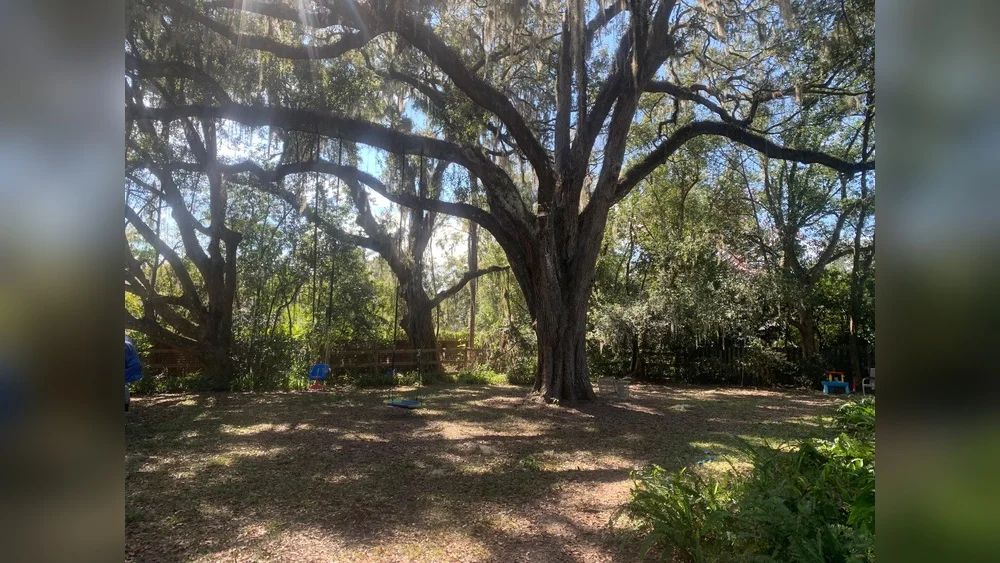
You've raked the leaves, pulled the weeds, even tossed down a fresh bag of seed, and you're still staring at the same sad patch of dirt. Here's the honest answer: if you're wondering why won't grass grow under large shade trees, the tree is almost always winning the fight for light, water, and nutrients, and sometimes even poisoning the soil.
The fix isn't a magic seed. It's figuring out which of those four battles your grass is losing, then matching the right solution to that exact problem. As of 2026, most university extension services still recommend diagnosing first, because shotgun fixes like tossing shade mix on compacted root zone soil rarely work.
Quick Answer
Grass struggles under large shade trees for four main reasons. The canopy blocks the 4 to 6 hours of daily sun most turf needs. Surface tree roots steal water and nutrients before grass can reach them.
Decomposing leaves and needles drop soil pH, locking out nitrogen. Some trees (walnut, pine, oak) release natural herbicides called allelopathins. Fix the limiting factor first, then reseed with a shade-tolerant mix.
Why Grass Struggles Under Big Shade Trees (The Real Reasons)
Grass and big trees want the same things: sunlight, water, and nutrients. Under a mature canopy, the tree got there first, and it's bigger. That single fact drives almost every problem you see.
Most cool-season turfgrasses need 4 to 6 hours of direct or filtered sun per day to stay thick and vigorous. Fine fescues can survive on as little as 2 to 3 hours, but even they struggle in deep, year-round shade. When sunlight drops below a grass plant's energy budget, the blades thin out, the roots shrink, and weeds or moss move in.
Then there's the root competition. A mature oak's root system can spread 2 to 3 times wider than its canopy, sitting in the top 6 to 12 inches of soil, exactly where grass roots live. Every time you water or fertilize, the tree drinks first.
Add in the chemistry. Decomposing leaves, needles, and bark naturally acidify soil over time, dropping pH below the 6.0 to 7.0 range turf prefers. Acidic soil locks up nitrogen, the nutrient grass needs most for green growth.
And then there are the trees that fight dirty. Black walnut produces juglone, a chemical that stunts or kills most turf species. Pecan, hickory, and some pines release similar allelopathic compounds through leaf litter and root secretions.
Diagnose Your Situation: Which Problem Is Killing Your Grass?
Before you buy a single bag of seed, you need to play detective. The right fix depends entirely on which of the four problems above is dominant in your yard. Skip this step and you'll just waste time and money on solutions that don't address the real issue.
How Much Light Is Actually Getting Through?
Don't guess. Step outside at 10 a.m., noon, and 3 p.m. on a sunny day and check whether the area under your tree gets direct sun, dappled light, or full shade. Grass under a high-canopy honey locust with dappled light has a fighting chance.
Grass under a dense maple with solid shade almost never does.
A simple sunlight log for one full day tells you which category you're in:
| Light Condition | Sunlight Per Day | Grass Survival Odds |
|---|---|---|
| Full sun | 6+ hours direct | Excellent for most species |
| Part shade | 3 to 6 hours | Good with shade-tolerant mixes |
| Deep shade | Less than 3 hours | Poor; consider alternatives |
If you're in the deep shade column, no amount of seed or fertilizer will give you a thick lawn. You're better off redirecting your effort toward ground cover or mulch beds.
Are Tree Roots Stealing the Water and Nutrients?
Dig a small hole 6 inches deep in the problem area. If you hit roots within the first 3 inches, you're dealing with heavy root competition. Grass roots can't compete with established tree roots for moisture in that topsoil layer, especially during dry spells.
You'll know this is your main problem if the grass outside the drip line (the area directly under the canopy edge) grows fine, but the area inside the drip line stays thin and dry even after rain. The tree's canopy actually acts like an umbrella, blocking rain from reaching the soil beneath it. This "rain shadow" effect can leave the under-tree zone much drier than the rest of your yard.
Is It Allelopathy? (When the Tree Itself Is the Problem)
If you have a black walnut, butternut, or pecan tree and nothing grows within 50 to 80 feet of the trunk, juglone is the likely culprit. The chemical leaches from roots, leaves, and nuts, and persists in the soil for years after the tree is removed. Some pines and eucalyptus species produce milder versions of the same problem through needle litter.
The giveaway is a sharp boundary: lush grass 30 feet from the trunk, then a dead zone right up to the drip line. That's not light, that's chemistry.
Fix #1: Adjust the Tree to Help the Grass
Sometimes the fastest path to a better lawn is giving the grass a fighting chance by managing the tree itself. You don't want to top the tree or damage it, but smart pruning and proper mulching can shift the balance back toward the grass without harming the tree.
Limb Up and Thin the Canopy the Right Way
"Limbing up" means removing the lowest branches to raise the canopy. Thinning means selectively removing entire branches from within the crown to let more light filter through. Done correctly, either technique can increase understory light by 30 to 50% without harming the tree.
The key is doing it during dormancy (late winter for most species) and never removing more than 25% of the canopy in a single year. Over-pruning stresses the tree, invites disease, and triggers a flush of weak, fast-growing shoots that actually create denser shade the next year. If you're not comfortable climbing or using a chainsaw, hire a certified arborist through the International Society of Arboriculture.
Don't Volcano-Mulch — Build a Proper Mulch Ring
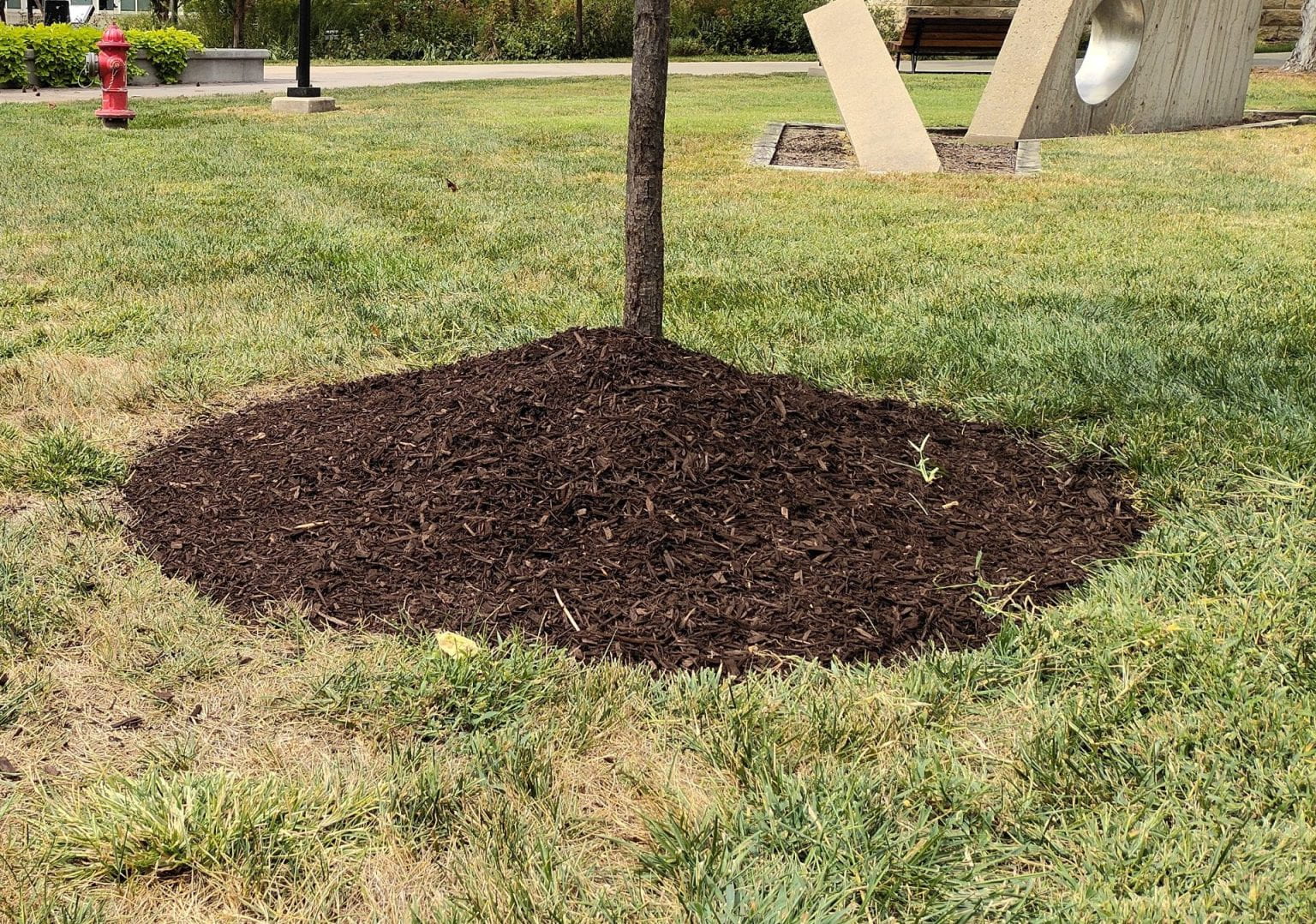
One of the most common mistakes homeowners make is piling mulch in a tall cone around the trunk. This "volcano mulching" keeps moisture against the bark, invites rot, and actually strangles the tree over time. It also doesn't help your grass problem at all.
What you want instead is a wide, flat mulch ring extending 2 to 4 feet out from the trunk, kept 2 to 4 inches deep, with a clear gap around the trunk flare. This ring suppresses weeds, holds moisture for the tree, and gives you a clean edge between the tree and your lawn. Coarse wood chips or shredded bark break down slowly and feed the soil as they decompose.
The University of Maryland Extension confirms that proper mulching reduces root competition at the surface and helps tree health, which means less aggressive surface rooting and better conditions for surrounding grass.
Fix #2: Choose the Right Grass for Deep Shade
If you've adjusted the tree and the area still gets at least 2 to 3 hours of filtered light, you can grow grass. You just can't grow any grass. The Kentucky bluegrass and perennial ryegrass that thrive in sunny lawns will slowly starve in shade.
You need species evolved for low light.
Best Shade-Tolerant Grass Seed Mixes
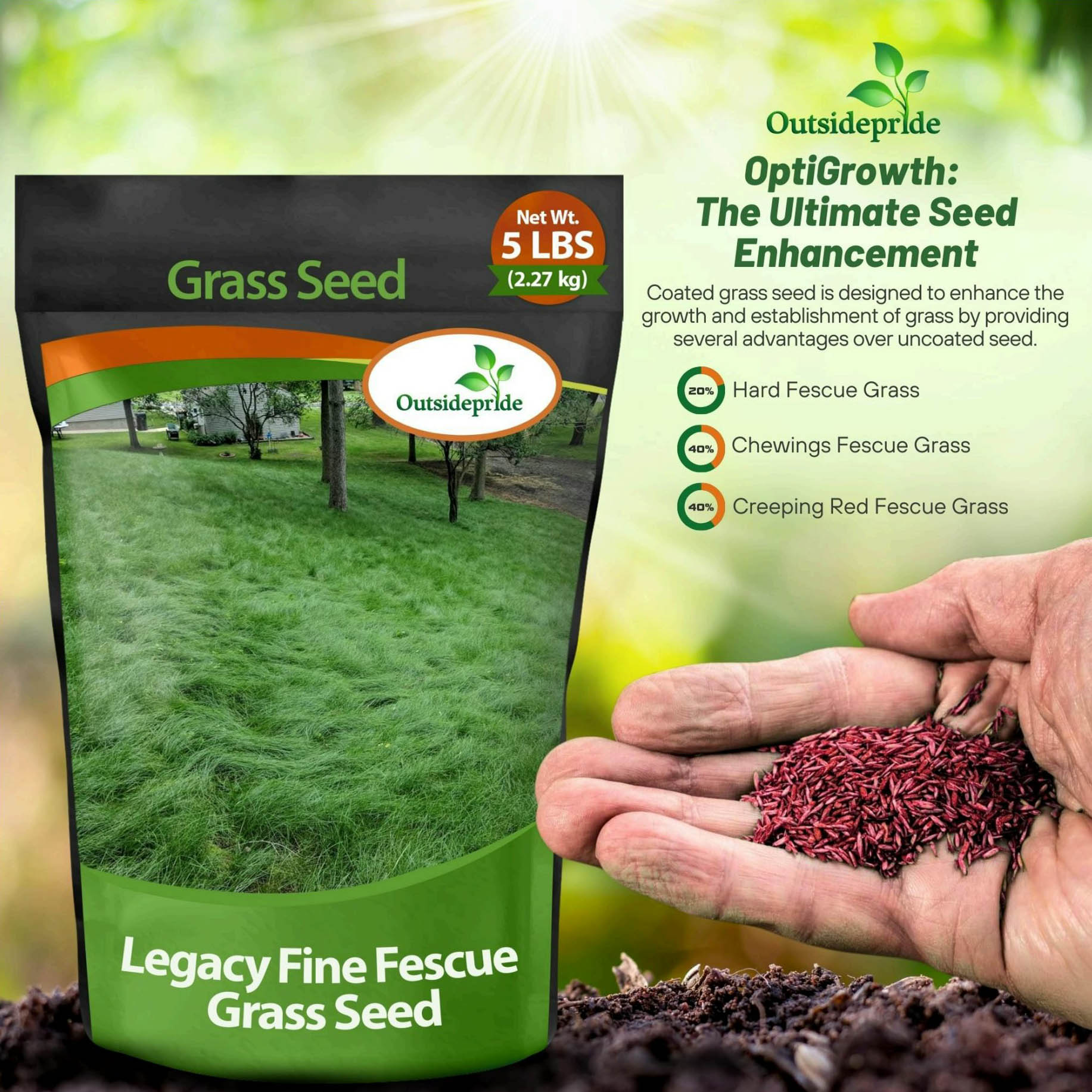
Fine fescues are the gold standard for shaded lawns. They use less water, tolerate acidic soil, and stay green with minimal nitrogen. Look for blends that combine two or more of the following:
| Grass Type | Shade Tolerance | Drought Tolerance | Best Region |
|---|---|---|---|
| Creeping red fescue | Excellent | Good | Cool-season zones |
| Chewings fescue | Excellent | Excellent | Cool-season zones |
| Hard fescue | Excellent | Excellent | Cool-season, low-maintenance |
| Tall fescue | Good | Very good | Transition and cool-season zones |
| Rough bluegrass | Good | Moderate | Cool, moist climates |
For warm-season regions, St. Augustine and zoysia handle filtered shade better than Bermuda, but neither will survive deep shade under a dense canopy.
Seed vs. Sod: What Works Under Trees
Seed is cheaper and offers more variety, but it takes longer to establish and struggles in heavy root competition. Sod gives you an instant lawn, but the variety options for shade are limited, and sod can fail if the underlying root competition is too intense.
If you're seeding, plan on overseeding every fall for 2 to 3 years until the stand thickens. If you're sodding, prep the soil by aerating and topdressing with compost first, and water deeply but less often to encourage deep roots that can compete with the tree.
Fix #3: Prep the Soil and Overseed Like a Pro
Even the right grass seed fails if you drop it onto compacted, acidic, root-filled soil. Prep work is what separates a patchy mess from a thick shaded lawn. Skip these steps and you'll be reseeding again next fall.
Aerate, Topdress, and Reseed in Fall
Core aeration is the single most important step for shaded lawns. Pulling 2 to 3 inch plugs relieves compaction, breaks up surface roots, and opens channels for water and air. Follow immediately with a thin topdressing of compost (about 1/4 inch) to improve soil structure and feed microbes.
Then overseed. Fall is the right window in nearly every region, because soil stays warm while air cools, giving grass a head start before the tree drops its leaves. In most of the U.S., that means mid-August through mid-October.
Spring seeding competes with weed pressure and summer stress, so it almost always underperforms.
Watering, Mowing, and Fertilizing for Shaded Lawns
Shaded grass needs less water but more frequent monitoring. Water deeply once a week (about 1 to 1.5 inches total) rather than daily shallow sprinkling. This pushes grass roots deeper where tree roots are less concentrated.
Mow high. Set your blade to 3 to 4 inches. Taller blades capture more of the limited sunlight and shade the soil, which retains moisture and crowds out weeds.
Remove no more than 1/3 of the blade at any single mowing.
Fertilize lightly. Shaded grass uses less nitrogen than sun-grown turf, so cut your normal rate in half. Heavy spring feeding causes weak, leggy growth that collapses under summer shade.
A single fall application of slow-release nitrogen is usually plenty.
When Grass Won't Work: Better Alternatives for Heavy Shade
If your yard gets fewer than 2 hours of light, stop fighting biology. The honest answer is that no grass will thrive there, and you'll spend years and real money chasing a lawn that won't come. Redirect that energy into alternatives that look intentional and stay low-maintenance.
Ground Covers That Thrive Where Grass Won't
Shade-loving ground covers solve the bare-dirt problem once and for all. The right pick depends on your region and how much foot traffic the area gets:
| Ground Cover | Light Needs | Foot Traffic | Best Region |
|---|---|---|---|
| Pachysandra | Full to deep shade | Low | Northeast, Midwest |
| Vinca (periwinkle) | Part to full shade | Low | Southeast, Mid-Atlantic |
| Hosta | Part to full shade | Low | Most U.S. zones |
| Ajuga | Part shade | Moderate | Cool-season zones |
| Creeping lilyturf | Part to full shade | Moderate | South, transition zone |
| Wild ginger | Full shade | Low | Cool, moist climates |
For a more natural look, native ferns and wildflowers handle deep shade beautifully and support local pollinators. Choose plants matched to your USDA hardiness zone for the best survival.
Moss Lawns, Mulched Beds, and No-Mow Zones
Moss is an underrated option. If your soil is acidic, compacted, and stays damp, moss will thrive where grass fails. A moss "lawn" needs no mowing, no fertilizing, and almost no water once established.
The trade-off is zero foot traffic tolerance.
A clean mulch bed under the tree is the lowest-maintenance option of all. Defined edges, 2 to 4 inches of shredded hardwood mulch, and a wide ring around the trunk give you a tidy look without the constant reseeding cycle. Many landscape designers consider this the gold standard for mature trees, since it eliminates root competition and protects the tree itself.
Common Mistakes That Keep Grass From Growing Under Trees
Most failed attempts come down to a handful of repeat errors. If you've already tried without success, one of these is probably why.
Using the wrong grass species. Kentucky bluegrass and Bermuda need sun. They'll germinate in shade, then slowly starve over the next two seasons. Always match the grass to the light, not the other way around.
Skipping aeration. Shaded soil under trees is almost always compacted from foot traffic and root growth. Seed dropped on hard ground germinates poorly and dies young. Aerate first, always.
Mowing too short. Short blades can't photosynthesize enough in low light. Anything under 3 inches in shade is asking for thin, weak turf.
Over-fertilizing. More nitrogen doesn't compensate for low light. It just creates weak top growth that collapses. Cut your rate in half under trees.
Piling mulch against the trunk. Volcano mulching suffocates the tree and creates a wet, rot-prone collar. Keep mulch 2 to 4 inches deep, but pull it back from the trunk flare by several inches.
Planting in the rain shadow. If the canopy blocks most of the rainfall, your seed is sitting in dry dust. Water consistently until grass is established, then taper.
Ignoring allelopathy. If you have a black walnut nearby, juglone is the real problem. No grass species will overcome it. Switch to juglone-tolerant ground covers or mulch.
Removing leaves in fall but skipping overseeding. Fallen leaves are free organic matter, but a thick mat blocks light and smothers grass. Rake or mulch-mow them, then overseed in the same window.
Your Quick Decision Guide: What's Actually Going to Work in Your Yard
Before you spend another dollar, run your situation through this short decision tree. The right answer depends entirely on what you're actually working with.
If you get 4 or more hours of direct or filtered light, start with a fine fescue blend, aerate, and overseed in early fall. Prune the canopy lightly to push that number higher.
If you get 2 to 4 hours of dappled light, fine fescues still have a shot. Focus on soil prep, deep watering, and accepting that this zone will be thinner than the rest of your lawn.
If you get less than 2 hours of light, stop trying to grow grass. Choose a shade-tolerant ground cover, install a clean mulch bed, or build a moss lawn. These options look intentional and save years of frustration.
If you have a black walnut, butternut, or pecan nearby, skip grass entirely within the juglone zone. Go straight to tolerant ground covers like wild ginger, sweet woodruff, or ferns.
If surface roots dominate the top 3 inches of soil, plan on annual aeration and consider whether mulch beds would be easier than constant overseeding. Your time has value.
The honest truth: a perfect lawn under a mature shade tree is rare. The best results come from matching your expectations to the light you actually have, then using the right plant for the right place. Sometimes that means grass.
Sometimes it means ground cover or mulch. Both can look great when you work with the tree instead of against it.
Frequently Asked Questions
How much sun does grass actually need to grow?
Most turfgrasses need 4 to 6 hours of direct or filtered sunlight per day. Fine fescues are the exception, surviving on as little as 2 to 3 hours of dappled light. Below 2 hours, no common lawn grass will thrive.
What grass grows best in deep shade under trees?
Fine fescues are the top performers. Look for blends with creeping red fescue, chewings fescue, and hard fescue. Tall fescue handles light shade well.
In warm climates, St. Augustine outperforms Bermuda and zoysia in filtered light.
Will grass grow back after you cut down a large shade tree?
Yes, but transition slowly. Existing shade grass won't suddenly handle full sun. Overseed with a sun-tolerant mix the following fall, and expect a full season to rebuild density.
Watch for weeds and soil compaction in the meantime.
Is it better to mulch or plant grass under a tree?
For mature trees with dense canopy and surface roots, mulch is almost always the better long-term choice. It reduces competition, protects roots, and eliminates constant reseeding. Grass works best under trees with higher canopies and lighter shade.
Why does grass die under pine and oak trees specifically?
Pine needles acidify soil over time, dropping pH below the range turf prefers. Oak leaves contain tannins that slow decomposition and tie up nitrogen. Both can be managed with lime applications and fall leaf cleanup, but expect slower growth than in open lawn areas.
Can I just plant more shade-tolerant grass seed every year?
You can, but if the underlying problem is light, water, or root competition, you're just refreshing the same failure each fall. Diagnose the cause first, fix what's fixable, and reseed only after you've addressed the real issue.

Similar Posts