Plant Microclover in Your Lawn Without Killing Grass
Lead Turfgrass & Lawn Care Specialist at Totally Green Lawn · Certified Turfgrass Specialist (CTS), Master Gardener, B.S. in Agronomy & Turf Science · 14+ years in residential turf management, organic fertilization, and weed science
Most homeowners who want microclover in their lawn end up with one of two results. Either the clover never takes off because the existing grass smothers it, or they scalp the lawn so aggressively that the grass dies back and the whole yard turns into a patchwork mess. There's a middle path, and it starts with understanding what your existing lawn actually needs before you drop a single seed.
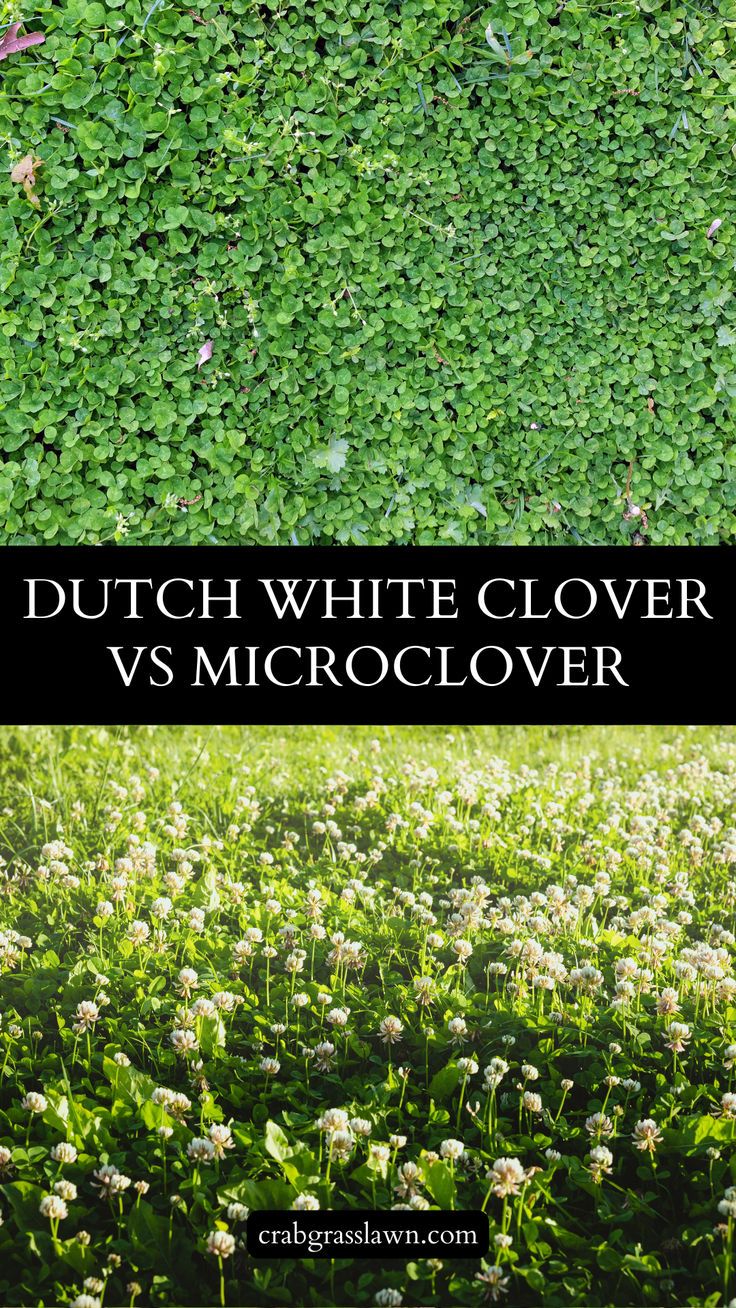
Microclover (Trifolium repens, the low-growing cultivars like 'Pirouette' and DLF's 'Microclover') is a nitrogen-fixing legume bred to stay short and play nicely with turfgrass. Per manufacturer specifications from DLF Seeds, microclover leaves run about 1/4 to 1/2 inch across, compared to 3/4 to 1 inch for standard white Dutch clover. That size difference matters.
It's what lets it blend into a lawn instead of dominating it. What follows is the workflow that actually works, broken out by the conditions that change your approach.
Quick Answer
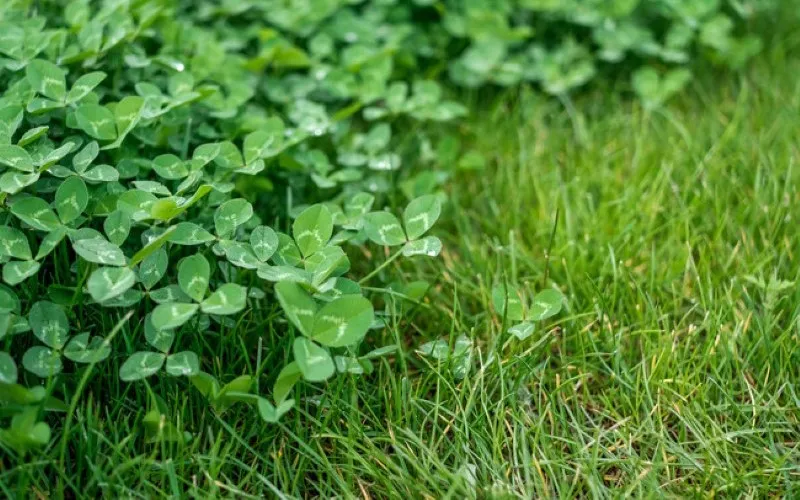
To plant microclover in an existing lawn without killing the grass, mow high, dethatch if needed, and broadcast 1 to 2 pounds of seed per 1,000 square feet in early fall. Water lightly twice daily for two weeks. Do not apply broadleaf herbicide for at least six weeks before or after seeding.
Raise your mowing height to 3 inches year-round.
The Real Challenge: Why Overseeding Microclover Isn't a One-Size-Fits-All Project
Here's the thing about "overseeding clover into lawn" advice online. Most of it assumes a Kentucky bluegrass lawn in the upper Midwest with decent soil. Change any one of those variables, and the recommended steps shift.
The grass species matters. The thatch layer matters. The shade matters.
Even your irrigation setup changes the watering schedule.
The reason this topic trips people up is that microclover seedlings are tiny and slow in their first 60 to 90 days. They're competing against established grass plants with deep root systems and full leaf canopies. If conditions are wrong, the existing grass wins every time, and you're back to square one with a few hundred dollars of seed sitting on top of the soil.
The conditions that most often trip up a microclover overseeding are also the ones most generic guides ignore. If your lawn is dominated by warm-season grass, the timing shifts to late spring. If your thatch is over half an inch thick, seed-to-soil contact is essentially zero.
If your lawn is in deep shade, microclover will struggle no matter what you do. Work through the variables below before you buy a single bag of seed.
Your Lawn's Starting Point: 4 Conditions That Change Everything
Before you touch a spreader, figure out which of these four conditions describes your lawn. The seeding method, timing, and aftercare all change based on what you're starting with.
Cool-Season Lawns (Kentucky Bluegrass, Fescue, Ryegrass)
This is the easiest case and the one most guides are written for. Cool-season grasses go semi-dormant in mid-summer, which gives clover seedlings a window of reduced competition. If your lawn is mostly tall fescue or Kentucky bluegrass, you're in the sweet spot.
Fall overseeding works best, with soil temperatures between 55 and 65°F, typically from mid-August through early October depending on your latitude.
Tall fescue clumps can shade out young clover if left tall. Mow down to 2.5 inches before seeding, then raise back to 3 inches once clover germinates. Per University of Minnesota Extension guidance on lawn renovation, cool-season grass and clover mixes are among the most studied and reliable combinations in low-input turf research.
Warm-Season and Transition Zone Lawns (Bermuda, Zoysia, Centipede)
This is where most microclover projects fail. Bermuda and zoysia spread aggressively through rhizomes and stolons. They'll outcompete clover seedlings in most conditions, and both go dormant in winter while microclover stays semi-active in mild climates.
The result is a patchy, uneven lawn.
If you're in a transition zone, the workable path is late spring seeding, when warm-season grass is just breaking dormancy and hasn't filled in its summer canopy yet. Even then, expect clover to establish only in the thin spots. Solid coverage across a bermudagrass lawn is unlikely.
Thatch Problems and Compacted Soil
Thatch over half an inch thick blocks seed from reaching soil. The seed germinates on top of the thatch layer, then dies when its roots can't find moisture. Per USDA NRCS guidance on Trifolium repens, white clover (including microclover) needs good seed-to-soil contact for reliable establishment.
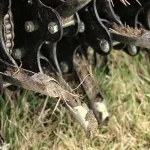
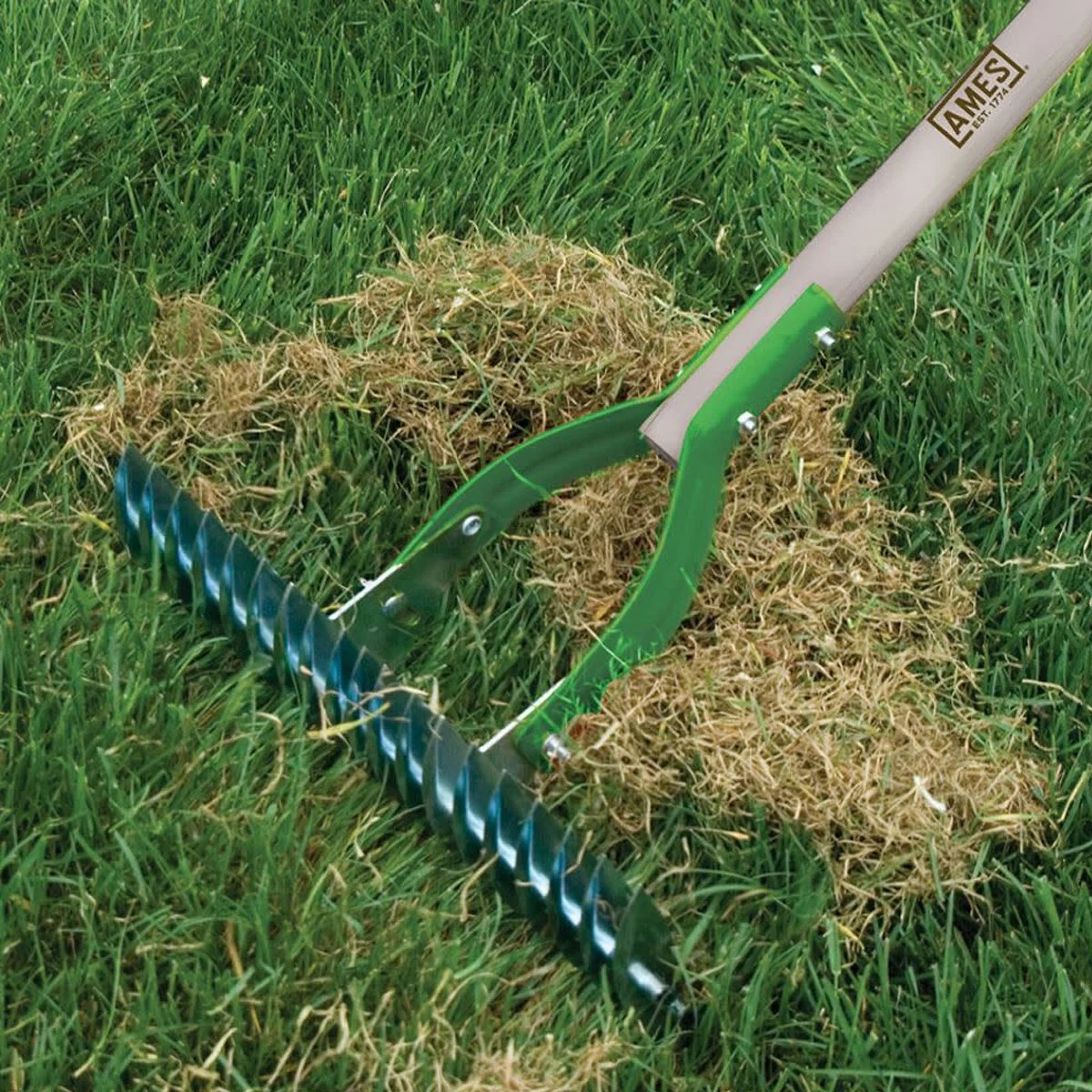
If your lawn has heavy thatch, dethatch first. A power dethatcher or vertical mower is the right tool. Core aeration alone won't solve the problem because the seed still lands on top of the thatch mat.
After dethatching, rake up the debris, then seed.
Heavy Shade or Dense Tree Canopy
Microclover tolerates partial shade but not deep shade. If your lawn gets less than four hours of direct sun daily, clover seedlings will stretch, weaken, and eventually fail. The grass will too, but grass at least tolerates filtered light better than clover.
If most of your lawn is under tree canopy, microclover overseeding isn't the right project. Consider a shade-tolerant groundcover like sweet woodruff or pachysandra instead.
The Microclover Overseeding Workflow: Step-by-Step for Each Condition
Once you know your starting condition, the workflow itself is straightforward. The trick is matching the steps to your situation rather than following a generic checklist.
Timing Your Seeding (Fall vs. Spring vs. Dormant)
Timing depends almost entirely on your grass type and climate. Here's how the windows break down.
| Grass Type | Best Seeding Window | Why |
|---|---|---|
| Cool-season (bluegrass, fescue, rye) | Early fall (mid-Aug to early Oct) | Cooler temps, less competition, fall rain |
| Warm-season (bermuda, zoysia) | Late spring (May) | Grasses not yet at peak growth |
| Transition zone | Fall, with irrigation backup | Cool nights favor clover establishment |
| Dormant seeding (zones 3–5) | Late fall, before ground freezes | Seed sits, germinates in spring |
Dormant seeding works in colder zones where the ground freezes solid. The seed sits through winter and germinates as soon as soil temps hit 45°F in spring. It avoids the problem of fall-seeded clover being killed by mid-winter freeze-thaw cycles.
Prep Work That Actually Matters
Skip the gimmicks. The four prep steps that move the needle are mowing, dethatching, top-dressing, and watering setup. Everything else is optional.
Mow low, but not scalped. Cut to 2 to 2.5 inches the day before seeding. This opens the canopy so sunlight reaches the soil surface. Don't go below 2 inches, or you'll stress the existing grass enough to invite weed germination.
Dethatch if thatch is over 1/2 inch. A metal thatch rake works for light jobs. For serious thatch, rent a vertical mower. After dethatching, rake up all loose debris.
The exposed soil between grass crowns is exactly where clover seed needs to land.
Top-dress with a thin compost layer. A quarter inch of screened compost over the seedbed dramatically improves germination rates. It holds moisture and gives the tiny clover seedlings something to root into. Don't bury the seed under more than that or it'll struggle to emerge.
Set up irrigation before you seed. Hand watering is fine for small lawns. Anything over 1,500 square feet needs a temporary sprinkler setup. You'll be watering two to three times daily for the first two weeks, and dragging a hose around gets old fast.
Seeding Method and Rate
The seeding rate for overseeding into existing grass is much lower than for starting a new lawn. For a typical overseed into established cool-season turf, broadcast 1 to 2 pounds per 1,000 square feet. For warm-season or transition zone lawns where establishment is harder, bump it to 2 to 3 pounds per 1,000 square feet.
A drop spreader gives more even coverage than a broadcast spreader for small seed like clover. If you use a broadcast spreader, set it to the lowest setting and make two passes at half rate, with the second pass at 90 degrees to the first. This pattern reduces striping.
Pelleted seed is easier to spread evenly and is often pre-inoculated with Rhizobium trifolii bacteria, which is what allows clover to fix nitrogen. Raw seed is cheaper but stickier and harder to spread. If you use raw seed, buy a separate inoculant and coat the seed before spreading.
After spreading, lightly rake the area to work seed into the top quarter inch of soil. Then roll with a water-filled lawn roller if you have one. The goal is firm seed-to-soil contact without burying the seed.
Watering and First-Season Care
The first 14 days are critical. Keep the top quarter inch of soil consistently moist. That means light watering two to three times per day, 5 to 10 minutes per session depending on your sprinkler output.
The goal is moisture, not puddles.
Once seedlings are up and showing their first true leaves (around day 14 to 21), back off to once daily. After a month, switch to deep, infrequent watering, the same pattern you'd use for established grass, roughly 1 inch per week total.
Do not mow until the grass reaches 3.5 to 4 inches. When you do mow, raise the deck to 3 inches and never cut below 3 inches for the life of the lawn. Short mowing is the single most common reason clover fails.
It needs leaf area to photosynthesize and recover from clipping stress.
Mowing Strategy to Keep Both the Clover and Grass Thriving
Mowing is where most microclover lawns quietly fail. The clover is doing fine, the grass is doing fine, and then someone drops the mower deck to 2 inches in June because the lawn "looks messy." By August, the clover is gone.
The rule is simple. Mow at 3 inches minimum, 3.5 inches during summer heat. That's it.
Microclover's growing point is higher on the plant than grass, so it doesn't tolerate close cutting the way turfgrass does. Cut it short a few times and it stops recovering.
Mow frequently enough that you're never removing more than one-third of the leaf blade at once. In spring, when both clover and grass are growing fast, that might mean mowing every 5 to 7 days. In summer heat, you can stretch to 10 to 14 days.
Leave the clippings on the lawn. They return nitrogen to the soil, which is the whole point of having clover in the mix. The exception is if you're dealing with a disease outbreak, in which case bag clippings until it clears.
Mistakes That Kill Microclover Before It Establishes
Even with perfect timing and prep, a few specific mistakes derail microclover projects more than anything else. These are the ones we see repeated in nearly every failed overseeding.
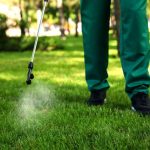
Applying broadleaf herbicide before or after seeding. This includes products like 2,4-D, dicamba, and triclopyr. Most broadleaf herbicides will kill young clover. If you've used one in the past 6 to 8 weeks, your seed won't establish.
Wait it out, or skip the herbicide and accept the weeds.
Over-fertilizing the existing grass. Microclover fixes its own nitrogen. When you add synthetic nitrogen fertilizer, you're feeding the grass, which grows faster and shades out the clover. If you must fertilize, use a low-nitrogen organic option, or skip it entirely for the first year.
Seeding into a thick thatch layer without dethatching. The seed germinates on the surface, then dies when its roots can't reach soil. This is the most common reason clover "didn't come up" in user reports.
Mowing too early or too short. Mowing before seedlings are 3 to 4 inches tall pulls them out by the roots. Mowing below 3 inches after establishment slowly starves the clover of leaf area.
Seeding at the wrong time. Mid-summer overseeding in hot climates kills seedlings with heat and drought stress. Late fall seeding in cold zones can work as dormant seeding, but only if you understand that's what you're doing.
Using raw seed without inoculant. Inoculant isn't strictly required if clover has grown in the area before, but in a new lawn or a heavily disturbed yard, the rhizobia bacteria may not be present. Pelleted seed usually has it included.
Microclover vs. Alternatives: When a Different Approach Makes More Sense
Microclover isn't the right answer for every lawn. Before you commit, it's worth a quick comparison to the other low-input options. The right choice depends on your climate, sun exposure, and how much you're willing to tolerate a non-traditional lawn.
| Option | Best For | Key Tradeoff |
|---|---|---|
| Microclover | Cool-season lawns, partial shade, pollinator interest | Slow first year, won't thrive in deep shade |
| Standard white Dutch clover | Quick cover, low cost | Taller, more aggressive, more bloat risk for pets |
| Dutch clover + fescue blend (eco-lawn mixes) | Hands-off low-input lawns | Less uniform appearance, may need reseeding |
| Creeping thyme | Dry, sunny sites, paths | Slow to establish, dies in heavy foot traffic |
| Chamomile lawn | Sandy soil, mild climates | High maintenance, won't tolerate wet feet |
| Fescue-only low-input lawn | Shade, drought tolerance, no flowering | No nitrogen fixation, still needs some fertilizer |
If your main goal is reducing fertilizer, microclover is the strongest option. The nitrogen fixation, typically 50 to 100 pounds of N per acre per year in mixed stands, replaces a meaningful chunk of what you'd otherwise buy.
If your main goal is drought tolerance without clover, a tall fescue blend is more reliable. Tall fescue has deep roots and handles heat better than clover, but you'll still need to fertilize.
If you have shady, wet, or acidic conditions, none of these are great fits, and you're better off working with a shade-tolerant groundcover or accepting a thin, mossy lawn.
Frequently Asked Questions
Will microclover take over my entire lawn?
Not if you mow at 3 inches or higher. Microclover stays shorter and less aggressive than standard white Dutch clover, and the taller mowing height favors your existing grass. You'll end up with a blended lawn, typically 10 to 30% clover by coverage in the second year, which is the goal.
If you mow short or fertilize heavily, you can shift the balance. But under normal conditions, microclover plays well with cool-season turf.
How long until I see real results?
You'll see germination in 7 to 14 days. You'll see thin coverage by the end of the first growing season. You'll see real, visible clover presence in year two.
The first year is about establishment, not appearance. If you go in expecting a thick clover lawn in month three, you'll be disappointed. If you expect a slow, steady buildup, you'll be pleased.
Can I still use broadleaf weed killer?
Not within 6 to 8 weeks of seeding, and not on an established clover-grass lawn if you want to keep the clover. Broadleaf herbicides don't distinguish between clover and dandelions. If you have serious weed pressure, spot-treat individual weeds with a glyphosate wipe or pull them by hand.
Some users accept that a clover lawn means tolerating a few weeds.
Is microclover safe for dogs and kids?
Yes. Microclover is non-toxic, and the 'Pirouette' cultivar was specifically bred to have lower bloat-causing compounds than standard clover. The main practical concern is that bees visit the flowers in summer.
If anyone in your household is allergic to bee stings, mow more frequently during bloom to remove the flowers before they attract heavy foraging. Otherwise, the lawn is safe to walk, play, and lie on.
Costs, Specs, and What to Expect in the First Year
Budgeting for a microclover overseeding is mostly a seed cost, since you're not renting equipment or doing major soil work. Here's what the numbers look like as of 2026.
| Item | Typical Cost | Notes |
|---|---|---|
| Microclover seed (raw) | $4 to $8/lb | Cheaper, needs separate inoculant |
| Microclover seed (pelleted, inoculated) | $6 to $14/lb | Easier to spread, pre-coated |
| Seed for 5,000 sq ft overseed | $20 to $70 | At 1–2 lbs per 1,000 sq ft |
| Inoculant (if needed) | $8 to $15 | One packet treats ~50 lbs of seed |
| Compost top-dressing (1/4 inch) | $30 to $80 per cubic yard | One yard covers ~1,300 sq ft |
| Dethatcher rental (half day) | $40 to $75 | Only if thatch is heavy |
Total project cost for a 5,000 square foot lawn typically runs $50 to $200, depending on whether you need dethatching and top-dressing. That's a one-time cost. The annual savings on nitrogen fertilizer usually run $50 to $100 per year for a lawn that size, so the project pays for itself within two to three years.
Expect first-year nitrogen contribution at roughly 50 to 80% of full potential. Full nitrogen fixation kicks in during year two as the rhizobia colonies establish in your soil.
Troubleshooting: Why Your Microclover Isn't Establishing
If you've seeded at the right time, prepped properly, and still see thin coverage, walk through this checklist. Most failures come down to one of these issues.
Yellowing seedlings in week two to three. Usually a watering consistency problem. The surface dried out between waterings. Increase frequency, drop the duration.
Seedlings germinated then disappeared. Often birds, or heavy rain washing seed away. For birds, a light straw mulch at seeding helps. For erosion on slopes, use an erosion blanket or jute mesh.
Clover established in patches but not uniformly. Spreader calibration issue, or thatch was uneven. Reseed the bare patches in early fall of year two using the same method.
Clover established then died back in summer heat. Normal dormancy. Microclover handles heat but goes semi-dormant above 85°F. It greens back up when nights cool.
Don't overwater trying to "save" it during dormancy.
Grass is outcompeting the clover. Either you're mowing too short, or you're fertilizing. Both favor the grass. Drop synthetic nitrogen and raise the deck.
Decision Guide: Is Microclover Right for Your Lawn?
Before you order seed, run through this final decision framework. If most of your answers point toward "no," you'll save yourself a season of frustration.
Microclover is a strong fit if:
- Your lawn is mostly cool-season grass (bluegrass, fescue, rye)
- You mow at 3 inches or higher
- You want to reduce or eliminate synthetic nitrogen
- You get at least four hours of direct sun
- You're patient enough to wait a full year for full results
Microclover is a marginal fit if:
- Your lawn is warm-season grass with thin spots you want to fill
- You're in a transition zone and willing to overseed every couple of years
- Your lawn is partially shaded but still gets good morning or late-day sun
Microclover is not a good fit if:
- Your lawn is mostly bermudagrass or zoysiagrass in full sun
- You insist on a uniform, golf-course-style appearance
- Your lawn gets less than four hours of direct sun
- You won't commit to a 3-inch minimum mowing height
If you're in the "strong fit" category, the project is straightforward and the payoff is real. If you're in the "marginal fit" category, proceed with realistic expectations. Plan on reseeding patches in year two, and accept that your lawn will look more "naturalized" than "manicured."
If you're in the "not a good fit" category, save your money. A fescue-only low-input lawn, or a different groundcover entirely, will give you better results with less frustration.
The best lawns in this category aren't the ones with perfect coverage. They're the ones where the owner matched the plant to the site and worked with what they had. Microclover rewards that kind of thinking.

Similar Posts