How Often to Spray Humic Acid on Your Lawn: Expert Schedule
Lead Turfgrass & Lawn Care Specialist at Totally Green Lawn · Certified Turfgrass Specialist (CTS), Master Gardener, B.S. in Agronomy & Turf Science · 14+ years in residential turf management, organic fertilization, and weed science
How often should you spray humic acid on lawn treatment really comes down to what your soil needs, not a fixed calendar date. If your lawn is in rough shape, you'll want to spray more aggressively at first. If it's already healthy, you're just maintaining.
Most liquid humic acid products call for application every 4 to 8 weeks during the active growing season, at a typical rate of 1 to 2 oz per 1,000 square feet. University turfgrass extension programs note that soil temperature between 55°F and 85°F drives uptake, so the schedule shifts with your climate and grass type. Think of it as a dial you adjust, not a switch you flip.
Quick Answer
Spray humic acid on your lawn every 4 to 8 weeks during the growing season. Apply at 1 to 2 oz per 1,000 sq ft. Match timing to your grass type.
Avoid dormant or heat-stressed turf. Water in lightly after spraying.

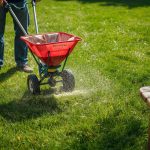
Image source: Bing (Web (fair-use with source credit))
What Actually Drives the Spray Schedule (and Why There's No One-Size Answer)
Here's the thing. The "every 4 to 8 weeks" rule is a starting point, not gospel. Your actual frequency depends on a handful of variables that change the math.
Let me walk you through the ones that matter most.
Soil Condition Is the Biggest Variable
A lawn sitting on compacted clay behaves nothing like one rooted in loose, sandy loam. Compacted soil has poor structure, low microbial activity, and limited nutrient-holding capacity. It responds to humic acid dramatically, especially early in a treatment program.
Sandy soil, on the other hand, leaches humic substances faster. You'll see shorter-lasting benefits and may need more frequent reapplication to maintain soil organic matter.
If your soil already has 3% to 6% organic matter (you can confirm this through a basic soil test), you're in maintenance mode. If it's below 2%, you're in recovery mode, and that changes the cadence significantly.
Grass Type and Growth Cycle
Cool-season grasses like Kentucky bluegrass, fescue, and ryegrass have a primary growth window in spring and fall. Warm-season grasses like bermuda, zoysia, and St. Augustine peak in late spring through early fall.
You want to apply humic acid when grass is actively growing so it can actually use the benefit. Treating dormant turf wastes product.
Whether You're Recovering or Maintaining
This is the real fork in the road.
If your lawn is thin, patchy, or recovering from aeration, dethatching, or overseeding, push the schedule toward every 2 to 4 weeks for the first two to three applications. You're trying to rebuild soil biology fast.
If your lawn is already healthy and you're applying humic acid as a preventive soil conditioner, every 6 to 8 weeks is plenty. Over-applying doesn't speed up results. It can actually cause issues, which we'll cover in the mistakes section.
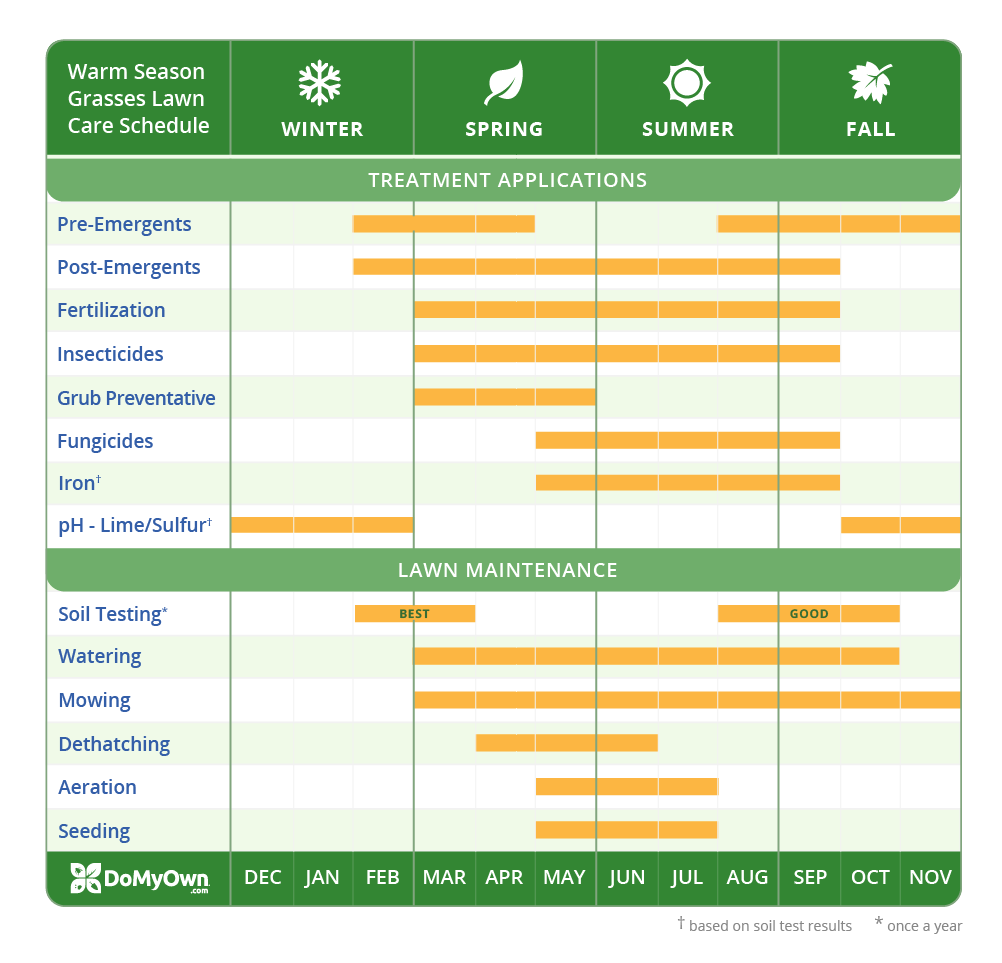
Image source: Web (Bing) / domyown.com (Web image (fair-use with source credit))
Your Lawn's Situation: Choosing the Right Humic Acid Frequency
Let's make this practical. Use the table below to match your situation to a starting frequency, then adjust based on results over the first 6 to 8 weeks.
| Lawn Condition | Grass Type | Recommended Frequency | Application Rate |
|---|---|---|---|
| Compacted clay, low organic matter | Cool-season | Every 2 to 3 weeks (first 2 apps), then monthly | 2 oz / 1,000 sq ft |
| Compacted clay, low organic matter | Warm-season | Every 3 to 4 weeks (first 2 apps), then bi-monthly | 2 oz / 1,000 sq ft |
| Sandy soil, leaching concerns | Either | Every 3 to 4 weeks | 1.5 oz / 1,000 sq ft |
| Healthy maintenance | Cool-season | Every 6 to 8 weeks | 1 oz / 1,000 sq ft |
| Healthy maintenance | Warm-season | Every 4 to 6 weeks | 1 oz / 1,000 sq ft |
| Post-aeration or dethatching recovery | Either | Every 2 weeks for first month, then resume normal | 2 oz / 1,000 sq ft |
| New sod or overseeded lawn | Either | Wait 2 to 3 weeks after planting, then every 4 weeks | 1.5 oz / 1,000 sq ft |
A few quick notes on this table. The rates are based on liquid humic acid concentrates at typical 6% to 12% concentration. Manufacturer specifications vary, so always cross-check the label.
For granular humic acid products, the equivalent rate usually falls in the 2 to 4 lbs per 1,000 sq ft range, applied every 6 to 12 weeks depending on soil need. Granular is slower-release, so the frequency naturally extends.
If you're in the transition zone where both cool and warm seasons overlap, lean toward the cool-season schedule in spring and fall, and the warm-season schedule in summer.
Step-by-Step Application Workflow for Liquid Humic Acid
Once you know your frequency, the actual application is straightforward. Here's the workflow that works whether you're using a hose-end sprayer, backpack sprayer, or pump sprayer.
Step 1: Test Your Soil First
Before you start any humic acid program, get a baseline soil test. Most university extension services offer this for a nominal fee (often $10 to $25). You're looking for organic matter percentage, pH (ideal range 6.0 to 7.5), and existing nutrient levels.
Without a test, you're guessing. With a test, you can confirm whether humic acid is the right tool or whether you actually need lime, sulfur, or a different amendment first.
Step 2: Time It Right
Apply when soil temperature is between 55°F and 85°F and your grass is actively growing. Early morning or late afternoon works best. Avoid spraying during the heat of midday, which can cause the product to evaporate before it absorbs.
Don't spray right before heavy rain. A light watering-in afterward is good. A downpour right after application will wash product off the leaf surface before it can soak into the soil.
Step 3: Pre-Water the Lawn (Optional but Helpful)
If your soil is dry, water the lawn lightly the day before application. Moist soil absorbs humic acid more evenly than bone-dry soil. Skip this step if you've had rain in the past 24 hours.
Step 4: Mix According to Label
For most liquid concentrates, the mix ratio is 1 to 2 oz per gallon of water, covering roughly 500 to 1,000 sq ft depending on calibration. Always follow the manufacturer's dilution instructions on the product label. These ratios are verified for efficacy.
If you're tank-mixing with liquid fertilizer, check compatibility first. Most humic acids play well with NPK fertilizers, but avoid mixing with high-calcium products or certain fungicides unless the label confirms compatibility.
Step 5: Apply Evenly
Use a fan-spray nozzle and walk at a consistent pace. Overlap passes by about 30% to avoid striping. Coverage should be thorough but not pooling.
If you see runoff, you're applying too fast or too heavily.
Step 6: Water It In
Within 15 to 30 minutes of application, water the lawn lightly. About 0.25 to 0.5 inches is enough to move the humic acid off the grass blades and into the soil where it does the real work. This step is critical for soil-drench applications and helpful for foliar sprays.
Step 7: Log the Application
Write down the date, rate, weather conditions, and any observations. Aggregate user feedback suggests that visible improvements in color and density show up around 2 to 6 weeks after the first application. Tracking helps you decide whether to stay on the current frequency or adjust.
Common Humic Acid Spray Mistakes That Waste Product and Time
Most of the frustration homeowners have with humic acid comes from a handful of recurring errors. Let's clear them up.
Mistake 1: Spraying Dormant or Heat-Stressed Grass
Humic acid works by feeding soil microbes and improving nutrient exchange. Microbial activity drops sharply when grass goes dormant in winter or shuts down during extreme heat (above 90°F sustained). Spraying during these windows doesn't harm the lawn, but it's a waste.
The product just sits there until biology wakes up.
Mistake 2: Skipping the Water-In Step
If you spray and walk away, a lot of the humic acid stays on the leaf surface where it does very little. The whole point is to get it into the root zone. A quick watering-in 15 to 30 minutes after application moves it where it counts.
Mistake 3: Over-Applying "Just in Case"
More is not better. Excessive humic acid can disrupt nutrient ratios in the soil and, in rare cases, contribute to iron or manganese tie-up. Stick to the recommended rates.
If you're not seeing results after 6 to 8 weeks, reassess your soil test data before doubling down.
Mistake 4: Mixing Incompatibly
Humic acid is generally stable, but combining it with the wrong product can cause clumping, precipitation, or reduced efficacy. Avoid mixing with lime sulfur, Bordeaux mixtures, or high-pH products unless the label specifically allows it.
Mistake 5: Ignoring Coverage on Hardscapes
Liquid humic acid is dark, almost black, and it stains concrete, pavers, wood decks, and shoes. Mask off nearby hardscape or rinse it off immediately. Aggregate reviews consistently flag staining as the top complaint with liquid applications.
Mistake 6: Expecting Overnight Results
Humic acid is a soil conditioner, not a quick-fix fertilizer. It builds soil structure and biology over time. Visible color and density improvements typically appear in 2 to 6 weeks, with full soil-building benefits accumulating over a full season or two.
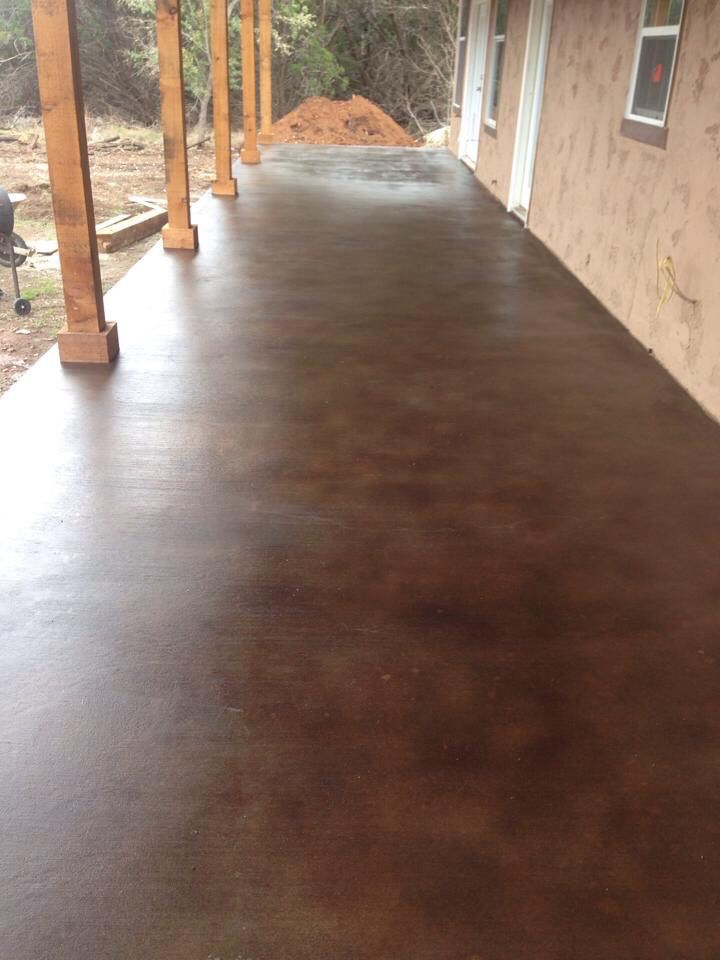
Image source: Web (Bing) / pinterest.com (Web image (fair-use with source credit))
Pro Tips and Seasonal Adjustments for Long-Term Soil Health
Once you've got the basics down, these adjustments separate a good humic acid program from a great one.
Coordinate with Aeration and Overseeding
If you core aerate in fall, apply humic acid within 7 to 14 days after aeration. The holes give the product direct access to the root zone. Pairing it with overseeding at that same time gives new grass seedlings a head start on root development.
Adjust for Foliar vs. Soil-Drench Goals
If you're using humic acid as a foliar spray (coating the leaf surface), frequency can run a bit higher, every 3 to 4 weeks, because the plant absorbs some benefit directly through the leaf.
If you're focused on soil biology and structure (the more common goal), stick to the 4 to 8 week soil-drench schedule. Don't expect foliar application alone to fix deep soil issues.
Match Frequency to Your Fertilizer Schedule
Most lawn care programs fertilize every 6 to 8 weeks during the growing season. Coordinating humic acid applications with fertilizer apps (apply humic acid 1 to 2 weeks before fertilizer) helps the soil use fertilizer more efficiently. Aggregate user feedback supports this timing for improving nutrient uptake.
Cut Back in Late Fall
As soil temperatures drop below 55°F heading into late fall, microbial activity slows. Your last application should be 2 to 4 weeks before your average first frost date. This gives the soil time to absorb and store the benefit before winter dormancy.
For warm-season grasses, the last application should come 2 to 4 weeks before the grass goes fully dormant in late fall. As of 2026, university extension guidelines still recommend this buffer window for winter preparation.
Humic Acid Lawn Spraying FAQs
Can I spray humic acid every 2 weeks?
Yes, but only during aggressive recovery phases. For most lawns, every 2 weeks is too frequent and risks over-application. Stick to 2-week intervals only for the first 2 to 3 treatments on severely compacted or depleted soil, then extend to 4 to 6 weeks.
Should I spray humic acid before or after fertilizer?
Apply humic acid 1 to 2 weeks before fertilizer. This preps the soil by improving cation exchange capacity, so the fertilizer nutrients bind to soil particles instead of leaching. It maximizes the efficiency of both products.
Is liquid humic acid better than granular for lawn spraying?
Liquid is better for foliar and quick soil-drench applications because it absorbs faster. Granular is better for slow-release, long-term soil building and easier broadcast application. For spray frequency questions specifically, liquid is the form you're working with.
Can I mix humic acid with weed killer or herbicide?
Generally no. Most selective herbicides and many non-selective ones have label restrictions against tank-mixing with soil amendments. Apply them separately, at least 5 to 7 days apart, to avoid reduced efficacy or phytotoxicity.
Will humic acid burn my lawn if I over-apply?
It's very unlikely to cause direct burn like synthetic fertilizer can. However, excessive humic acid can disrupt micronutrient availability (especially iron and manganese) and waste product. Stick to label rates for best results.
How long until I see results after starting humic acid?
Most lawns show subtle color and density improvements within 2 to 4 weeks. Deeper soil structure changes take a full growing season to become noticeable. Consistent application over 6 to 12 months delivers the strongest long-term benefits.
Final Verdict: Building a Humic Acid Schedule That Fits Your Lawn
The right humic acid spray schedule isn't a fixed number. It's a range that shifts with your soil, grass type, and goals. Here's how to lock in your personal schedule.
Start with a soil test to establish your baseline organic matter and pH. If your organic matter is below 2%, plan for an aggressive 2 to 4 week interval for the first two to three applications, then taper to monthly. If you're at 3% to 6% organic matter, a maintenance schedule of every 6 to 8 weeks during the growing season is sufficient.
Match your frequency to your grass type. Cool-season lawns benefit from spring and fall applications timed with peak growth. Warm-season lawns do best with late spring through early summer applications.
Avoid dormant-season spraying entirely.
Apply at 1 to 2 oz per 1,000 sq ft for liquid products, water in lightly within 30 minutes, and log every application. After two to three cycles, reassess. If your lawn looks denser, deeper in color, and holds water better, you're on the right track.
If not, revisit your soil test and consider whether your lawn needs lime, additional nutrients, or a different amendment first.
Humic acid isn't a magic fix. It's a soil-building tool that pays off when used consistently and appropriately. Get the schedule right for your specific lawn, and the results compound season over season.

Similar Posts