Prepare Soil for a Creeping Thyme Lawn: Step-by-Step Guide
Lead Turfgrass & Lawn Care Specialist at Totally Green Lawn · Certified Turfgrass Specialist (CTS), Master Gardener, B.S. in Agronomy & Turf Science · 14+ years in residential turf management, organic fertilization, and weed science
If you've ever stood in your yard and watched your grass struggle while your water bill climbs, you're probably already thinking about a creeping thyme lawn. Knowing how to prepare soil for planting creeping thyme lawn is the single biggest factor in whether it actually fills in or turns into a patchy weed bed. The good news: thyme asks for less than almost any other ground cover, but it does have a few non-negotiables.
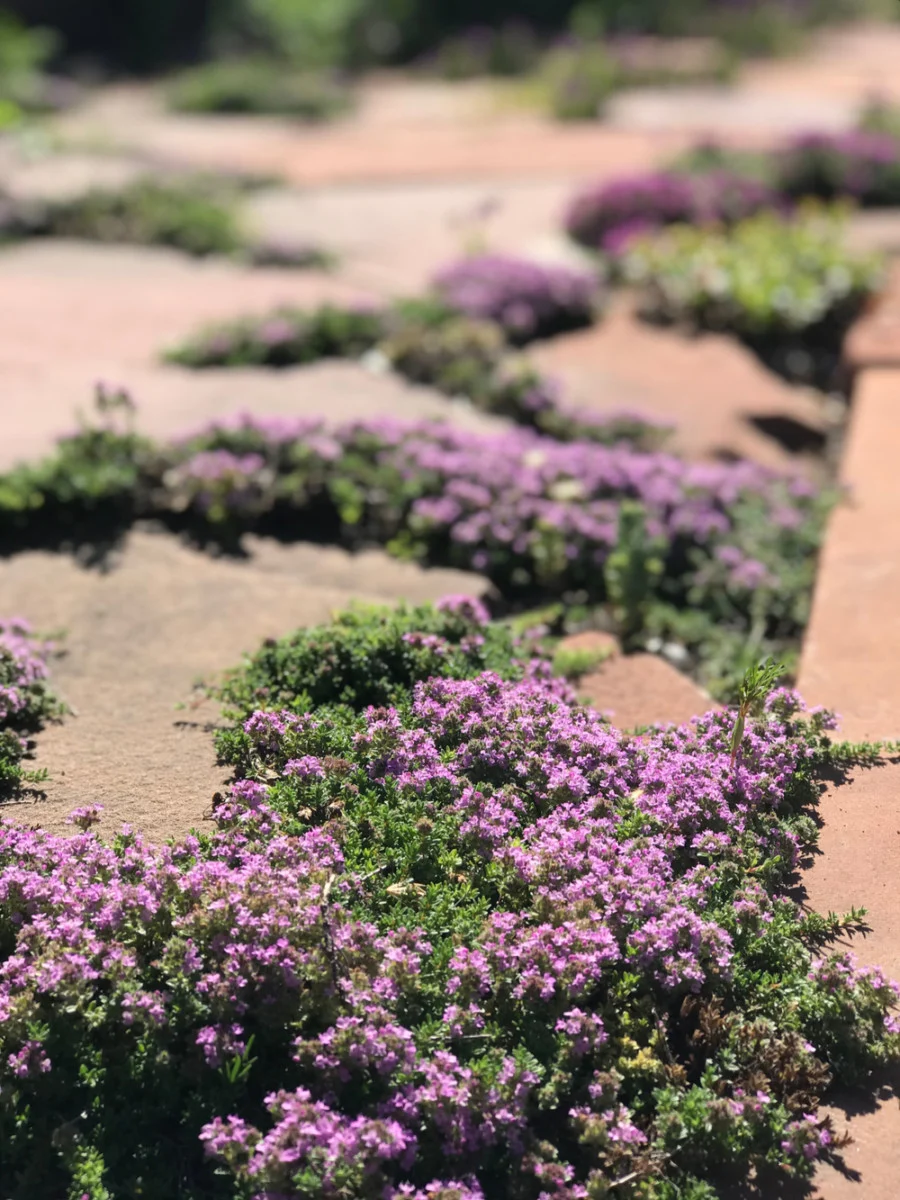
Thyme hates wet feet and rich soil more than anything else. Per USDA NRCS plant records, Thymus serpyllum thrives in well-drained, low-fertility sites with a pH between 6.0 and 8.0, which lines up with what most extension services recommend as of 2026. Get those three things right, sun, drainage, and lean soil, and the rest is mostly patience.
Quick Answer
Creeping thyme needs full sun, sharp drainage, and lean, sandy or gritty soil with a pH of 6.0 to 8.0. Remove all existing grass and weeds first. Loosen the top 6 to 8 inches.
Work in coarse sand or grit if your soil is heavy. Skip the fertilizer and compost for the most part. Water lightly until the plants establish, then back off.
Diagnose Your Site First: Sun, Soil Type, and Drainage
Before you touch a shovel, walk your yard and answer three questions. This is the decision-tree moment that decides everything else. Sun, soil texture, and how fast water disappears after rain will tell you exactly how much amending you need to do, or whether you need to do any at all.
What Creeping Thyme Tolerates (and What It Won't)
Here's the honest truth about Thymus serpyllum: it's a Mediterranean herb that evolved on rocky, dry hillsides. That biology shapes every decision you'll make.
| Condition | Creeping Thyme Reaction | Your Fix |
|---|---|---|
| Full sun (6+ hrs) | Thrives, dense mat | Plant in place |
| Light afternoon shade | Tolerates, slower fill | Acceptable in hot zones |
| Deep shade | Leggy, sparse, dies back | Pick a different ground cover |
| Sandy or gravelly soil | Loves it | Minimal prep |
| Average loam | Adapts well | Light amendment only |
| Heavy clay | Roots rot, plant dies | Major drainage work |
| Standing water after rain | Fails fast | Raised bed or French drain |
If your site has heavy clay or collects water, don't try to fight it with a thyme lawn. Build a raised bed at least 6 to 8 inches tall, or pick a wet-tolerant ground cover instead. Thyme won't bend on this one.
How to Test Your Soil Before You Start
You don't need a lab coat. Two simple checks tell you almost everything.
The squeeze test: Grab a handful of moist soil and squeeze it. If it holds a tight ball and stays slick when you poke it, you've got clay. If it crumbles apart with a little coaxing, you're looking at loam.
If it won't hold shape at all and feels gritty, that's sandy soil. Thyme does best in anything that crumbles or stays gritty.
The drainage test: Dig a hole about 12 inches deep and fill it with water. Let it drain, then fill it again. Time how long the second fill takes to disappear.
Under 30 minutes means fast drainage (great). Over an hour means slow drainage (problem for thyme). Anything in between works with a little grit worked in.
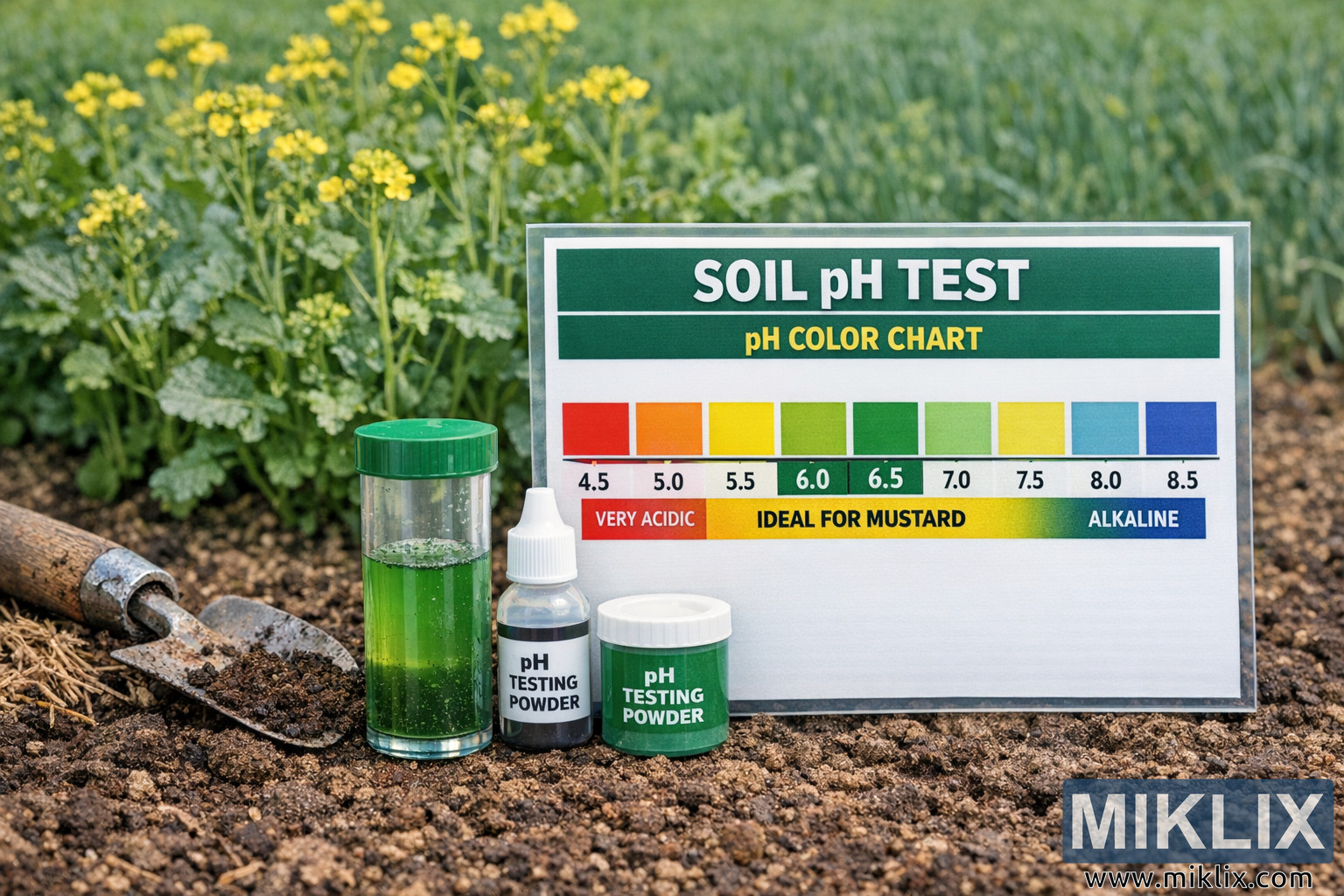
For pH, a $10 home test kit from any garden center works fine. If your pH is under 6.0, add a light dusting of garden lime. Thyme actually tolerates slightly alkaline soil, so anything from 6.0 to 8.0 is workable without major changes.
Adjust Your Soil Based on What You Found
Once you know your soil type, the amendment list gets short. Most of the work in prepping a thyme lawn is subtraction, not addition. You're removing barriers, not building up fertility.
Preparing Sandy or Rocky Soil
You're already most of the way there. Sandy and rocky soils drain fast and stay lean, which is exactly what thyme wants.
Your main job is weed removal. Get every perennial root out. Add 1 to 2 inches of compost only if your soil is so poor it won't hold moisture at all during the first summer, then mix it into just the top 3 inches.
That's it. Rake smooth, water once to settle, and you're ready to plant.
Preparing Clay or Compacted Loam
This is where most people give up. You can make clay work, but it takes effort.
Work coarse builder's sand or pea gravel into the top 6 to 8 inches at roughly a 1:1 ratio with your native soil. Compost at this stage is optional and should be used sparingly, no more than 1 inch mixed in. Rich organic matter holds moisture, and that's the opposite of what you want.
If drainage is still slow after amending, go raised bed. An 8-inch raised frame filled with a 50/50 mix of topsoil and coarse sand gives thyme the sharp drainage it needs without a permanent drainage overhaul.
Preparing Average Loam
Lucky you. If your squeeze test crumbled into loose clumps and your drainage test came in under 30 minutes, your prep is simple.
Pull weeds, loosen the top 4 to 6 inches with a fork or tiller, rake smooth, and plant. Skip the compost, skip the sand, skip the fertilizer. Loam is the sweet spot for thyme without any amendments at all.
Step-by-Step: How to Prepare the Ground for Planting
Now we get to the actual workflow. These steps apply whether you're planting seed, plugs, or sod. The bed prep doesn't change, only what you put on top of it.
Clearing Existing Grass and Weeds
This is the step people rush, and it's the step that decides whether your thyme lawn fills in clean or spends two years fighting bindweed. Per Cornell University's lawn-to-garden conversion guidance, the safest approach is smothering rather than herbicide, especially in areas where pets or kids will play.
You have three real options:
- Smothering (4 to 8 weeks): Lay cardboard or 6+ sheets of newspaper over the area. Wet it down. Top with 3 to 4 inches of mulch. Wait. Grass and most weeds die underneath without chemicals.
- Sod cutting (same day): Cut out existing turf with a flat spade or sod cutter. Best when you need to plant right away and you're physically able to do the work.
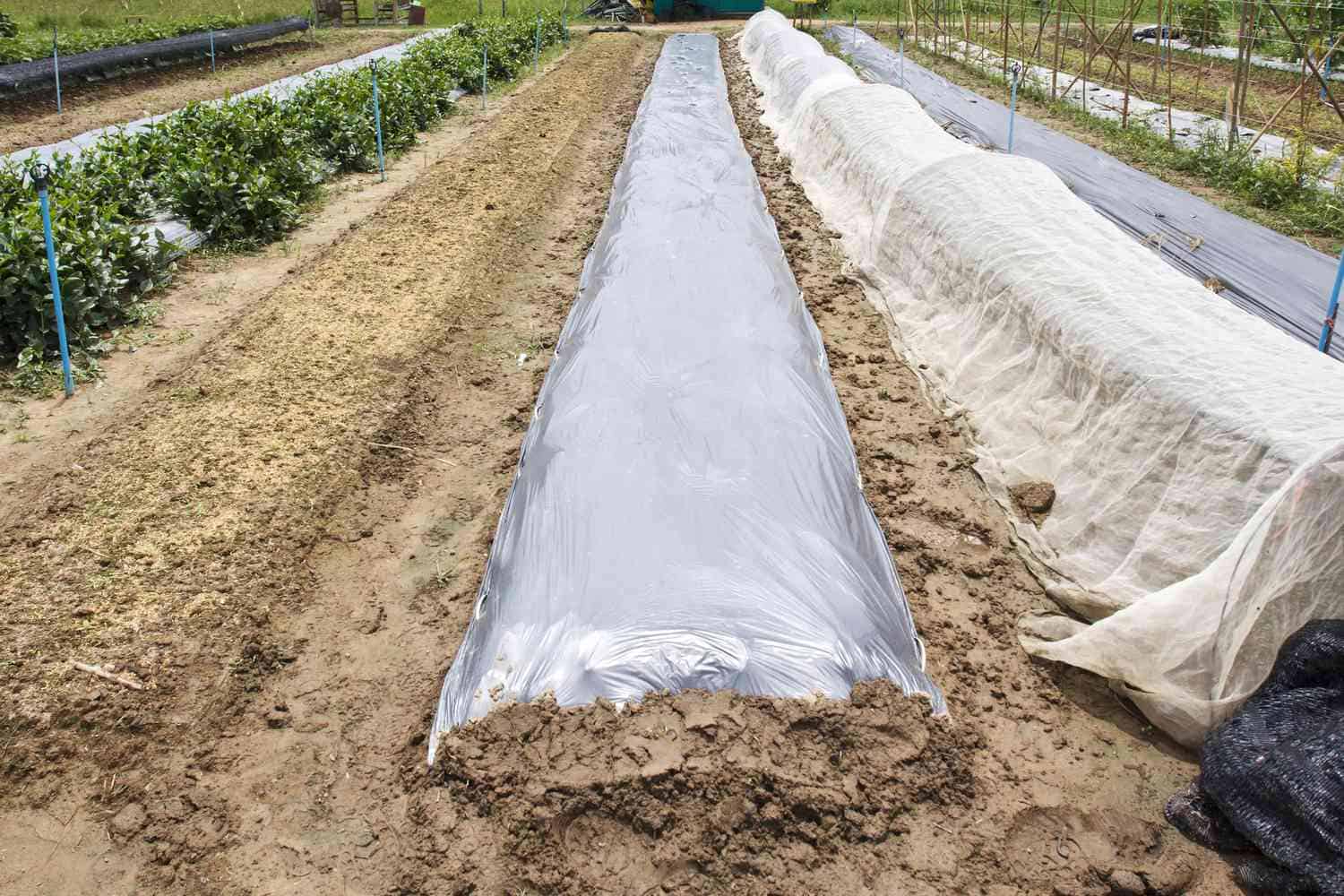
- Solarization (6 to 8 weeks in summer): Cover cleared, moist soil with clear plastic for 6 to 8 weeks of hot sun. Kills weed seeds and many pathogens. Best timing is mid-summer.
For perennial weeds like Bermuda grass or quackgrass, smothering beats solarization because the light-blocking wins where heat sometimes doesn't reach deep rhizomes.
Loosening and Amending the Soil
Once the surface is clear, loosen the top 6 to 8 inches. A garden fork works for small areas. A rear-tine tiller is faster for larger yards, but go easy.
Over-tilling destroys soil structure and brings up weed seeds.
Here's where your soil type matters:
| Soil Type | Amendment | Ratio | Compost? |
|---|---|---|---|
| Sandy | None needed | 0 | 1 inch max if very poor |
| Loam | None needed | 0 | Skip |
| Clay | Coarse sand or grit | 1:1 with native | 1 inch max |
| Compacted | Grit + organic matter | 1:1 grit, light compost | 1 inch |
Mix amendments into the top 6 inches, not deeper. Thyme roots are shallow. Fertilizer is the one thing you should never add.
Rich nitrogen makes thyme leggy, weak, and short-lived, the opposite of the dense mat you're after.
Final Grading, Firming, and Watering-In
Rake the area smooth. Remove sticks, stones, and any leftover root bits. You want a fine, even seedbed with a gentle slope away from buildings.
Firm the soil by walking over it in small steps or using a lawn roller half-filled with water. The bed should feel solid underfoot, not fluffy. Fluffy beds dry out fast and let plugs sink.
Water the area deeply the day before planting. You want the top 6 inches evenly moist, not soggy. By planting day, the surface should be dry enough to walk on without sticking to your shoes, but the soil below should still feel cool and damp.
Planting Day: Seed, Plugs, or Sod
Now your bed is ready, and the planting method changes how you handle the actual install. But the prep is the same.
| Method | Best For | Spacing | Time to Full Cover |
|---|---|---|---|
| Seed | Large areas, lowest cost | Broadcast, 1 oz/1,000 sq ft | 2 growing seasons |
| Plugs | Most home gardeners | 6 to 12 inches apart | 1 to 2 seasons |
| Sod | Instant lawn look | Tight, no gaps | Immediate |
Seeds are slow and need steady moisture for 2 to 3 weeks. Plugs are the sweet spot for most people. They establish fast and let you space properly.
Sod is expensive and rarely available for thyme, but if you find it, the prep is identical.
After planting, top-dress with a thin layer (about a quarter inch) of fine gravel or decomposed granite instead of bark mulch. Gravel mulch keeps the crown dry, reflects heat, and looks intentional. Bark mulch stays wet and can rot the plants.
First-Year Care and Long-Term Maintenance
The first year is mostly babysitting. The second year is when the thyme lawn starts looking like the photos online. Plan accordingly.
Watering schedule after planting:
- Weeks 1 to 3: Light water every day or two, just enough to keep the top inch moist.
- Weeks 4 to 8: Cut back to every 3 to 4 days, deeper soakings.
- After 8 weeks: Water only during extended drought. Thyme wants to dry out between drinks.
Weed control is the biggest first-year job. Pull weeds the moment you see them, especially the first 6 months. Once the thyme fills in, it chokes out most weeds on its own.
If you planted seed, expect 2 full growing seasons before the bed looks tight.
Mowing isn't required, but a light trim after flowering keeps the mat dense and tidy. Set your mower high (around 3 inches) and only cut the spent flower heads. Never scalp the plants.
Fertilizing is almost always a mistake. Thyme evolved in poor soil. Aggregate user reviews of established thyme lawns consistently show that fed thyme grows floppy, flowers less, and dies out faster.
If your soil is genuinely exhausted, a single light compost top-dress in early spring is plenty.
Long-term, an established thyme lawn in the right conditions can last 10+ years with almost no input. The main killer is overwatering and overfeeding. Treat it like a Mediterranean herb, not a petunia.
Common Mistakes That Kill Creeping Thyme Lawns
Most failed thyme lawns come down to a handful of repeat errors. If you avoid these, you'll be ahead of 90% of first-time growers.
Planting in shade. Thyme needs sun to grow tight and dense. Anything less than 5 to 6 hours of direct light gives you a leggy, patchy mess.
If your yard is shaded, this isn't the ground cover for you.
Skipping weed prep. We've covered this already, but it bears repeating. If you plant into a bed full of grass and weed roots, those weeds win the race.
Thyme grows slowly in year one. Weeds don't.
Amending with too much compost. Rich soil feels like a kindness, but it's actually poison for thyme. Compost holds water and feeds the wrong growth pattern.
Use sand or grit instead.
Overwatering once established. This is the #1 killer of mature thyme. If your sprinklers hit the thyme lawn the same way they hit the fescue next door, the thyme will rot out within a season.
Planting too deep. Thyme crowns need to sit right at the soil surface. Bury them even an inch deep and they suffocate.
Plugs should be planted so the soil line matches the plug's original line exactly.
Ignoring drainage. If water pools after rain, no amount of amending fixes it. Go raised bed or go a different plant.
Trying to force thyme into wet ground always ends the same way.
Choosing the wrong thyme variety. Woolly thyme looks gorgeous in photos but doesn't handle foot traffic. Thymus serpyllum 'Elfin' is slow-growing. For a walkable lawn, stick with straight species Thymus serpyllum or named clonal selections like 'Magic Carpet' or 'Pink Chintz'.
Using bark mulch. We touched on this earlier. Bark holds moisture against the crown.
Use gravel, decomposed granite, or no mulch at all.
Frequently Asked Questions
How long does creeping thyme take to fully cover a lawn?
Most thyme lawns need 1 to 2 full growing seasons to fill in completely. Plugs spaced 8 inches apart typically close gaps within 12 to 14 months. Seed takes longer, often the full second season.
After year two, the mat should be dense and self-sustaining.
Can I plant creeping thyme in clay soil without amending?
No, not with any reliability. Clay holds too much water and thyme roots rot in it. You can either work in 50% coarse sand or grit, or build a raised bed at least 8 inches tall filled with a sandy loam mix.
Trying to plant straight into unamended clay usually fails within the first wet winter.
Does creeping thyme need fertilizer?
Almost never. Thyme evolved in lean, rocky soil. Fertilizer makes it grow soft, floppy, and short-lived.
If growth looks weak after year two, a quarter-inch compost top-dress in early spring is the most you should add. Skip synthetic fertilizer entirely.
How much sun does creeping thyme need to grow into a lawn?
Six or more hours of direct sun is the minimum for a dense, walkable mat. Less than that, and the plants get leggy, flower poorly, and leave gaps. In very hot climates (zones 9 to 10), a little afternoon shade is fine, but full morning sun is non-negotiable.
Will creeping thyme choke out weeds once established?
Yes, mostly. A fully filled-in thyme mat is dense enough to crowd out most annual weeds. It will not reliably suppress deep-rooted perennial weeds like bindweed or Bermuda grass that grow up through the mat.
Get those out before planting.
Can you walk on creeping thyme?
Light to moderate foot traffic is fine. Thyme releases a nice scent when stepped on, and most clonal varieties handle paths and stepping stones well. It's not a replacement for a play lawn, but for walkways and lightly used yards, it holds up better than most ground covers.

Similar Posts