Why Moss Invades Shaded, Acidic Lawns (And How to Stop It)
Lead Turfgrass & Lawn Care Specialist at Totally Green Lawn · Certified Turfgrass Specialist (CTS), Master Gardener, B.S. in Agronomy & Turf Science · 14+ years in residential turf management, organic fertilization, and weed science
Why does moss take over lawn in shade and acidic soil? Short answer: moss thrives where grass struggles, and shade plus low pH is exactly the combo where grass gives up. If your lawn sits under tree cover, holds moisture, and tests below 6.0 pH, you've basically built moss's dream home.
Moss isn't invading your lawn so much as filling the gap your grass left behind. University extension research shows moss prefers soil pH below 5.5 and areas receiving fewer than four hours of direct sun, the exact conditions that weaken cool-season turf. The fix isn't one product.
It's a sequence: test, adjust, reseed, and manage the shade. Let's walk through how to figure out which cause matters most in your yard, then what to do about it.
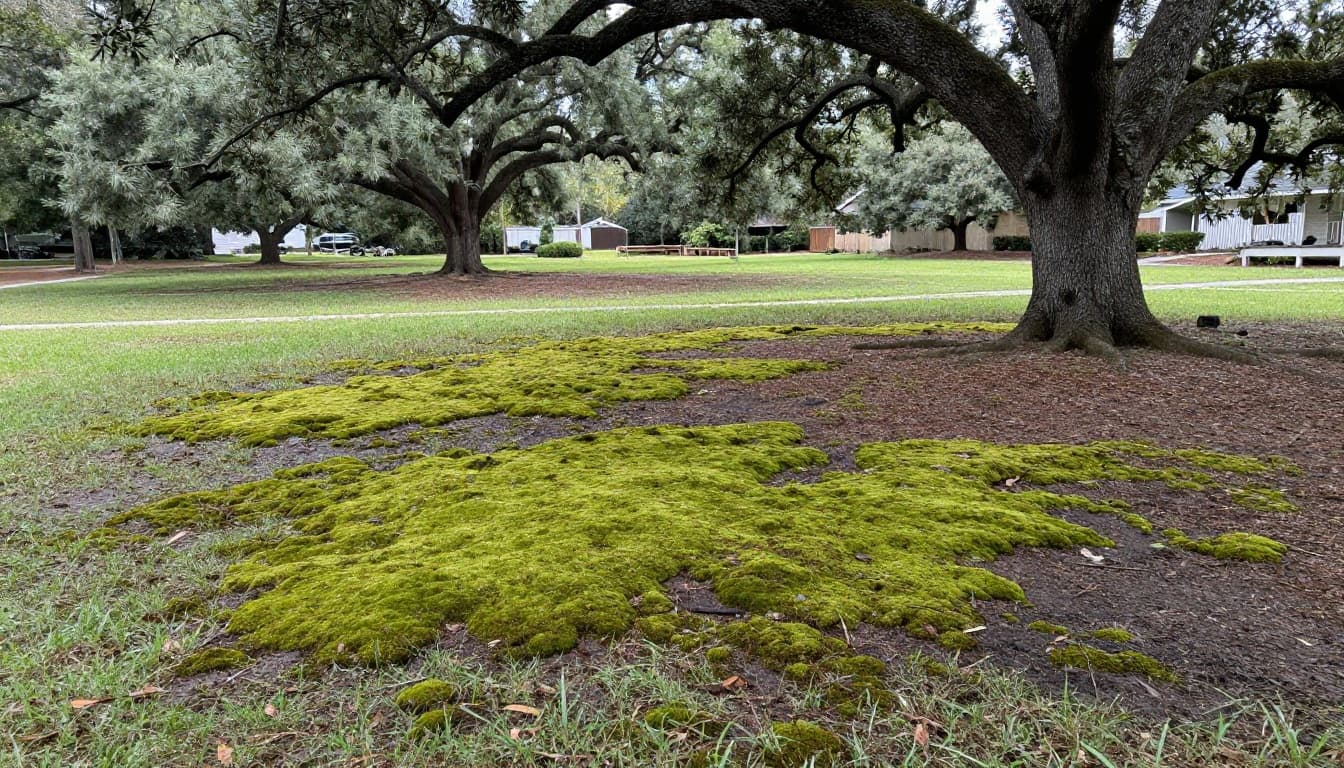
Image source: Bing (Web (fair-use with source credit))
Quick Answer
Moss takes over shaded, acidic lawns because grass can't. Moss needs low light, moisture, and a pH below 5.5 to thrive. Grass needs at least four hours of sun and a pH of 6.0 to 7.0.
Fix the conditions and moss loses its edge.
Why Moss Keeps Winning in Your Shaded, Acidic Lawn
Moss is opportunistic. It doesn't fight your grass. It just shows up wherever grass can't grow well, and then it sticks around because the conditions still favor it.
The three triggers almost always overlap in moss-heavy lawns: shade, moisture, and low pH. Stack any two of those and you're losing turf. Stack all three and moss owns the yard.
Here's the thing most homeowners miss. Killing the moss is the easy part. A bag of iron sulfate will burn it black in 24 hours.
The hard part is keeping it gone, and that means changing the conditions that let it move in. If you skip that step, the moss comes back thicker next spring, because you treated a symptom, not a cause.
A few biological realities drive this. Moss is a non-vascular plant, so it doesn't need roots in deep soil. It absorbs water and nutrients through its leaves directly from the surface.
That gives it a massive advantage in thin, acidic, compacted soils where grass roots struggle to establish. Grass also needs nitrogen, phosphorus, and potassium in plant-available forms, and those nutrients get locked up when pH drops below 6.0. So your grass is starving while moss thrives on almost nothing.
Shade makes it worse. Most cool-season turfgrasses need at least four hours of direct sunlight to photosynthesize enough to compete. Under heavy tree cover, grass thins out, and the bare spots are immediately claimed by moss spores, which are always floating around in the air.
According to USDA Cooperative Extension guidance on lawn renovation, thinning turf is the single biggest invitation for moss establishment.
The takeaway: if you only kill the moss, you're mowing a battlefield you keep losing. The real win comes from rebuilding the soil and the turf so moss has nothing to grab onto.
Diagnose What's Actually Driving the Moss
Before you buy a single bag of lime or moss killer, you need to know which factor is doing the heavy lifting in your yard. The treatment changes depending on the cause. Here's how to tell what's what.
Is it the shade, the soil, or both?
Start by walking your lawn at midday and asking a few simple questions.
- How many hours of direct sun does the worst moss patch get? If it's under three hours, shade is the dominant cause.
- Does water pool or stay soggy for hours after rain? That points to drainage or compaction, which moss loves.
- When you push a screwdriver into the soil, does it stop at one or two inches? That's compaction, and it's choking your grass roots.
- Is the moss bright lime green or darker? Bright green usually means it has plenty of moisture. Darker, denser moss often signals acidic soil.
If you answered yes to two or more of those, you're dealing with a combined problem, which is the most common setup. That's also why a one-step fix never lasts. The grass can't recover until you address each issue.
What kind of moss is it?
Most lawn moss falls into three genera, and knowing which one tells you how persistent the problem is.
| Moss type | Appearance | What it signals |
|---|---|---|
| Bryum | Bright green, low, cushion-like | Recent invasion, plenty of moisture |
| Hypnum | Feathery, spreading, dark green | Acidic soil, long-standing issue |
| Polytrichum | Taller, hair-like, upright | Compacted, acidic, often under conifers |
If you see Polytrichum, you're looking at serious soil problems. It's a moss that thrives where grass has given up entirely. Hypnum is the most common lawn invader, and it points straight back to acidic, low-fertility conditions.
Bryum is often the first to show up when conditions start slipping.
Quick field test for pH
You don't need a lab to get a rough read. A home soil pH probe or test strip will give you a number within 0.5 units of a lab result. Just take samples from three or four spots in the mossy area, mix them, and test.
If the reading comes back under 5.5, your soil is acidic enough to lock out grass nutrients. If it's 6.0 to 7.0, your problem is more about shade, drainage, or grass selection than pH.
This step matters more than any other. As of 2026, university extension programs still recommend soil testing as the first move in any moss management plan, because guessing wastes both time and money.
Your Soil Type and pH — Testing Before You Treat
You can't fix what you haven't measured. Liming a lawn that doesn't need lime can push pH too high and lock out iron and manganese. Skipping lime where it's needed means your grass stays weak and moss keeps winning.
The test takes the guesswork out.
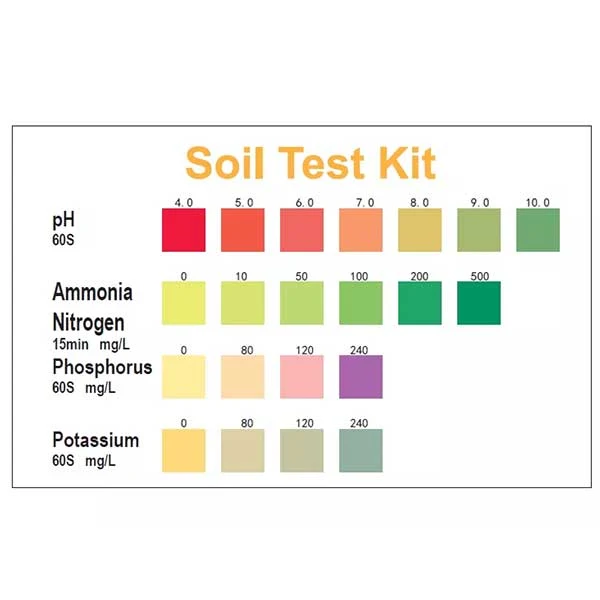
Image source: Bing (Web (fair-use with source credit))
How to take a usable soil sample
Grab a clean trowel and a plastic bucket. Take eight to ten cores from the mossy zone, going about three inches deep. Avoid the first inch of thatch, since you're testing soil, not debris.
Mix the cores in the bucket, then scoop out about a cup of the mix into a clean zip bag. Label it with the location. If you have separate moss-prone areas, like under the maple versus the back corner near the fence, sample them separately.
Conditions vary, and a blended sample hides useful detail.
Reading the results
A standard turf soil test reports pH, phosphorus, potassium, and often organic matter. Here's how to interpret the pH number for moss-prone lawns.
| Soil pH | What it means | Action |
|---|---|---|
| Below 5.0 | Strongly acidic, grass severely limited | Lime aggressively, reseed |
| 5.0 to 5.5 | Acidic, moss-favored | Lime to reach 6.5 |
| 5.5 to 6.0 | Slightly acidic, edge of grass tolerance | Light lime application |
| 6.0 to 7.0 | Ideal turf range | Skip lime, focus on shade and grass type |
| Above 7.0 | Alkaline, iron deficiency likely | Don't lime, test for other issues |
If phosphorus or potassium comes back low, your grass is starving even if the pH is fine. A starter fertilizer at seeding helps, but don't overdo nitrogen in shade, since heavy growth without enough light leads to weak, disease-prone turf.
Calcitic vs dolomitic lime
Both raise pH. The difference is the mineral bonus. Calcitic lime is mostly calcium carbonate.
Dolomitic lime adds magnesium, which helps if your soil is also low in magnesium, common in sandy coastal soils. For most heavy, clay-based lawns with moss, dolomitic is the safer pick, since magnesium deficiency shows up as yellowing between grass veins. Apply lime in fall or early spring, since it takes two to three months to fully react with the soil.
A typical rate to raise pH by one full unit runs around 25 to 50 pounds per 1,000 square feet on clay soils, less on sandy soils. Always follow the rate your soil test recommends, since over-liming creates a different set of problems.
The Right Fix Depends on Your Conditions
There's no single moss treatment that works in every yard. The right path depends on what your diagnosis turned up. Think of this section as a branching guide: pick the branch that matches your situation.
If shade is the main problem
You need to either reduce the shade or accept it and switch to shade-tolerant grass. Pruning the tree canopy to let in more light often makes the biggest difference. Raising the tree's lowest branches and thinning the upper canopy can bump light levels from two hours to four or five, enough to keep most cool-season grasses alive.
If pruning isn't an option, reseed with fine fescue. Fine fescues, including hard fescue, chewings fescue, and creeping red fescue, handle as little as two to three hours of sun. They have fine blades, deep green color, and far better shade tolerance than Kentucky bluegrass or perennial ryegrass.
Avoid Kentucky bluegrass in heavy shade. It will germinate, then slowly fade.
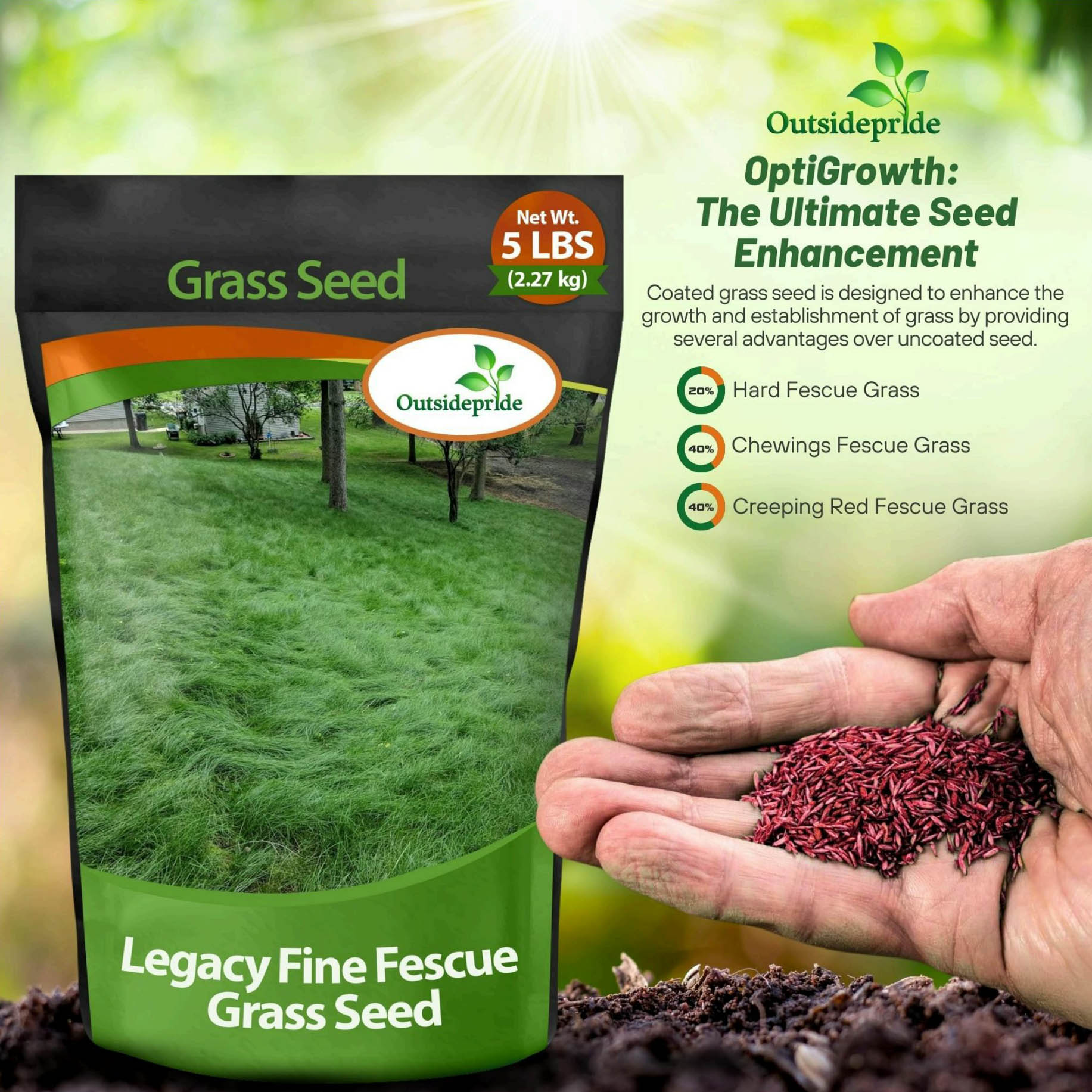
Image source: Web (Bing) / outsidepride.com (Web image (fair-use with source credit))
Mow higher in shaded areas too. Set your mower to three to three and a half inches. Longer blades mean more leaf surface to capture the limited light, and deeper roots to compete with tree roots for water.
If acidic soil is the main problem
Lime is your main tool, but only after a test confirms it's needed. Once pH moves into the 6.0 to 7.0 range, grass roots can access the nutrients already in the soil, and the playing field levels out for turf.
Apply dolomitic or calcitic lime based on your test results, water it in lightly, and wait two to three months before reseeding. Overseeding too soon after liming can hurt germination, since lime raises surface pH faster than the seed can handle.
If drainage or compaction is the main problem
Core aeration is the move. Rent a core aerator or hire it out, and run it over the mossy zones in fall when grass is actively growing. The plugs pull up compacted soil and open channels for air, water, and roots.
Follow up with a light topdressing of compost to add organic matter and improve soil structure.
Drainage fixes are more involved, but if water stands in the moss zone after rain, you may need to regrade slightly or install a French drain. Most homeowners can skip that step and still get results just by aerating, since compaction is the more common culprit.
If it's all three (the common case)
Do them in order. Lime first, since it takes the longest to work. Then aerate.
Then overseed with a shade-tolerant blend. Then mow high and water deeply but less often. The order matters because each step sets up the next.
Liming without aerating wastes the lime's effect in compacted soil. Seeding without liming means the new grass faces the same acidic conditions. Treat it as a system, and moss stays gone.
Step-by-Step: Rebuilding a Moss-Free Lawn
Once you've diagnosed the cause and gathered your materials, the actual rebuild is straightforward. Don't skip steps or rush the timing, because each one sets up the next.
Materials you'll need
| Item | Purpose | Approximate cost (USD, as of 2026) |
|---|---|---|
| Soil test kit or lab submission | Confirm pH and nutrient needs | $15 to $40 |
| Dolomitic or calcitic lime | Adjust soil pH | $5 to $10 per 50 lb bag |
| Core aerator (rental) | Relieve compaction | $40 to $80 per day |
| Iron sulfate moss killer | Burn out active moss | $15 to $30 |
| Shade-tolerant grass seed | Reseed thin areas | $40 to $70 per 10 lb bag |
| Starter fertilizer | Boost new seedlings | $20 to $35 |
| Rake or dethatcher | Remove dead moss after treatment | $25 to $50 |
The sequence
- Test the soil in early fall. Fall is the ideal window because grass grows actively, weeds slow down, and lime has time to react before spring.
- Apply lime based on test results. Water lightly to wash it into the soil. Wait at least six weeks before seeding.
- Aerate compacted zones. Make two passes in different directions. Leave the cores on the surface to break down naturally.
- Kill existing moss. Apply iron sulfate per label rates when moss is actively growing and the lawn is moist. Wait 7 to 14 days for it to blacken.
- Rake out dead moss. Use a dethatching rake or power dethatcher. Bag and dispose of the debris so it doesn't smother new grass.
- Overseed with a shade-tolerant blend. Spread seed at the bag's recommended rate, then lightly rake for soil contact.
- Topdress with a thin compost layer. About a quarter inch is enough to hold moisture and protect seed.
- Water lightly twice daily until germination, then shift to deeper, less frequent watering.
- Mow at three to three and a half inches once new grass reaches four inches. Never cut more than a third of the blade at once.
If you seed in spring, you can skip the lime wait by applying lime in the prior fall. Otherwise, fall seeding in the same year you lime is too tight a window for the pH to shift.
Mistakes That Keep Moss Coming Back
Most homeowners follow the basic steps but still end up with moss the next spring. In our research, the same handful of mistakes show up over and over. Here's what to avoid.
Treating moss without fixing the cause
Iron sulfate blackens moss fast, which feels like progress. But if shade, acidity, and compaction are still in place, moss regrows from spores within weeks. Always treat moss as a final cleanup step, not the first move.
Skipping the soil test
Guessing on lime is the most common error. If you lime when pH is already 6.5, you push it alkaline and lock out iron. If you skip lime at pH 5.0, your seed struggles.
A $20 test saves a season of frustration.
Using the wrong grass seed
Kentucky bluegrass and perennial ryegrass look great in full sun. In shade, they thin out within one season. If your lawn gets under four hours of sun, fine fescue is the only reliable pick.
Hard fescue handles dry shade best. Creeping red fescue handles moist shade.
Mowing too short
Scalping shaded grass removes the leaf surface it needs to photosynthesize. Mow at three to three and a half inches in shaded zones, even if the rest of your lawn is shorter. The taller grass outcompetes moss better than any herbicide.
Overwatering
Shaded lawns stay moist longer than sunny ones. If you're running sprinklers on a fixed schedule, you're probably overwatering shaded zones. Water only when the top inch of soil is dry, and water deeply so roots grow down instead of staying shallow.
Ignoring tree roots
Large trees compete aggressively for water and nutrients in the top six inches of soil, exactly where grass roots live. If your moss is concentrated under a mature maple or oak, you may need to water and fertilize that zone separately to give the grass a fighting chance.
Decision Guide: What to Do Based on Your Situation
By now you've tested, diagnosed, and learned what moss needs to thrive. The last step is matching the right action to your specific conditions. Use this quick guide to pick your path.
If your soil pH is below 5.5
Lime is the priority. Apply dolomitic lime at the rate your test recommends, then wait six to ten weeks before seeding. Overseed with a shade-tolerant blend only after the pH starts moving into the 6.0 range.
If your lawn gets under three hours of direct sun
Switch grass species. Fine fescue blends survive in as little as two to three hours of sun. You can also prune overhead branches to bump light levels, which often makes more difference than any soil amendment.
If your soil is compacted
Core aerate in fall, then topdress with compost. If water still pools after rain, consider regrading or installing a simple French drain. Compaction alone can hold back grass even in perfect pH and light conditions.
If moss is concentrated under trees
You're fighting tree competition, not just moss. Water and fertilize the under-tree zone separately. Overseed with hard fescue, which tolerates dry shade better than most other turfgrasses.
If moss keeps returning every year despite treatment
Something fundamental hasn't changed. Re-test your soil. Re-check sun exposure.
Look for drainage issues you missed. In severe cases, replacing the lawn with a shade-friendly groundcover like pachysandra, sweet woodruff, or moss itself may be a better long-term answer than fighting nature.
The pattern across all these paths is the same. Moss isn't your enemy. It's a messenger telling you what your soil and light conditions are actually like.
Read the message, change the conditions, and the moss problem solves itself.
🧪 Agronomist Recommended: Soil pH Testing & Aeration Gear
Healthy root systems require balanced soil chemistry and loose structure. Our field testing recommends calibrated digital testers and biological aerators:
- Digital Soil pH & Moisture Tester:Check Digital Lawn Soil pH Testers on Amazon →
- Liquid Soil Aerator & Penetrant:Check Liquid Soil Aerators & Conditioners on Amazon →
*FTC Disclosure: As an Amazon Associate, Totally Green Lawn earns from qualifying purchases.*

Similar Posts