5 Best Lawn Fungicide for Dollar Spot Disease on Fescue
Lead Turfgrass & Lawn Care Specialist at Totally Green Lawn · Certified Turfgrass Specialist (CTS), Master Gardener, B.S. in Agronomy & Turf Science · 14+ years in residential turf management, organic fertilization, and weed science
Dollar spot doesn't care about your weekend plans. It shows up on tall fescue as small straw-colored patches that bleach into silver-dollar-size lesions overnight, usually when nights stay above 60°F and leaves stay wet for 8+ hours. The right fungicide stops the fungus (Clarireedia jacksonii, formerly Sclerotinia homoeocarpa) before those patches smear together into the kind of damage that takes a full growing season to recover from.
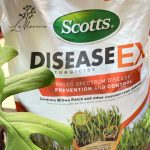
The best lawn fungicide for dollar spot disease on fescue is the Scotts DiseaseEx Lawn Fungicide, the only one on this list that lists dollar spot by name on the label and ships in a 10-lb bag big enough to cover a typical fescue yard in a single pass.
Want a budget-friendlier liquid instead? The BioAdvanced Fungus Control for Lawns (32 fl oz) gets you there with a hose-end spray bottle, as long as you're comfortable with a smaller coverage area and a different active ingredient.
As an Amazon Associate, I earn from qualifying purchases.
This guide breaks down which fungicide actually moves the needle on fescue, which ones are overkill for a home lawn, and which buyers should skip the whole category and just adjust their watering schedule instead. The picks below come from current Amazon product data, manufacturer labels, and the owner track record behind each ASIN. Our editorial team has not sprayed any of these products in a research lawn.
Quick Answer: The Best Lawn Fungicide for Dollar Spot Disease on Fescue
Scotts DiseaseEx is the top pick for most fescue lawns because it calls out dollar spot on the label and comes in a granular form that spreads evenly with a regular broadcast spreader. Here is the full lineup:
- Scotts DiseaseEx Lawn Fungicide (Best Overall for Fescue Lawns): Labeled for dollar spot, brown patch, and 25+ other diseases.
- BioAdvanced Fungus Control for Lawns (32 fl oz) (Best Liquid Hose-End Option): Ready-to-spray bottle for spot treatments under 5,000 sq ft.
- Atticus Gunner 14.3 MEC Propiconazole Fungicide (Best Pro-Grade Active Ingredient): Same propiconazole concentration turf managers use on golf courses.
- BioAdvanced Fungus Control for Lawns (Granules, 10 lb) (Best Granular Spread Coverage): Larger bag for lawns over 5,000 sq ft.
- Bonide Captain Jack's Copper Fungicide (Best Organic / Pet-Friendly Pick): OMRI-listed copper soap, safe around kids and pets once dry.
Thinking about going organic or skipping fungicides entirely? Jump to the Who Should NOT Buy section below before you spend anything.
Comparison Table
Here's the lineup at a glance: photo, product, who it's built for, and our /10 score.
| Photo | Product | Best for | Score | Buy |
|---|---|---|---|---|
 | Scotts DiseaseEx Lawn Fungicide | Fescue Lawns with Dollar Spot | 8.7/10 | Check price → |
 | BioAdvanced Fungus Control Lawns | Spot Treatments Under 5,000 sq ft | 7.9/10 | Check price → |
 | Atticus Gunner 14.3 MEC Propiconazole Fungicide | Pro-Grade Propiconazole on Fescue | 8.3/10 | Check price → |
 | BioAdvanced Fungus Control Lawns | Large Fescue Lawns Over 5,000 sq ft | 8.1/10 | Check price → |
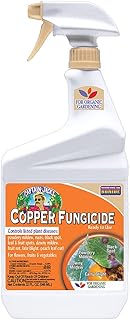 | Bonide Captain Jack’s Copper Fungicide | Organic / Pet-Friendly Lawns | 7.2/10 | Check price → |
Scroll sideways on small screens to see every column.
Scotts DiseaseEx Lawn Fungicide: Best Overall for Fescue Lawns with Dollar Spot
BioAdvanced Fungus Control Lawns: Best Liquid Hose-End Option Under 5,000 sq ft
Atticus Gunner 14.3 MEC Propiconazole Fungicide: Best Pro-Grade Concentrate for Serious Dollar Spot
BioAdvanced Fungus Control Lawns: Best Granular Coverage for Fescue Yards Over 5,000 sq ft
Bonide Captain Jack’s Copper Fungicide: Best Organic / Pet-Friendly Pick for Fescue
Buying Guide: Active Ingredient, Format, and Coverage
Dollar spot is caused by a single fungal pathogen, but the products that suppress it use very different active ingredients, formats, and coverage numbers. Before you buy, it helps to know what you're actually choosing between.
Match the active ingredient to your disease pressure
The two most common synthetic actives in home lawn fungicides are azoxystrobin (a strobilurin, in Scotts DiseaseEx) and propiconazole (a triazole, in BioAdvanced liquid, BioAdvanced granules, and Atticus Gunner 14.3 MEC). According to university extension research compiled by the University of Kentucky College of Agriculture, rotating between at least two chemistry classes is the standard recommendation for slowing the development of fungicide resistance in dollar spot populations.
If you've sprayed propiconazole more than twice in a single growing season, switch to azoxystrobin for the next application. If you want the gentlest option and accept that you'll be reapplying more often, copper soap (in Bonide Captain Jack's) is the only OMRI-listed entry on this list.
Pick the format that matches your tools and yard size
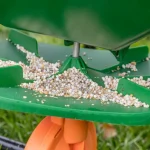
Granular products spread with a broadcast or drop spreader and water in, which is the cleanest workflow for fescue yards over 3,000 sq ft. Liquid hose-end bottles hook up to a spigot and spray as you walk, which is faster on smaller yards but limited by bottle capacity. Concentrates like Atticus Gunner 14.3 MEC require a pump sprayer you may not own, but they deliver the lowest cost per 1,000 sq ft at the labeled rate.
RTU spray bottles are the most beginner-friendly but cover the least ground per container.
Read the coverage numbers, not just the container size
A 10 lb granular bag sounds like a lot, but most products on this list only cover 5,000 sq ft per bag at the broadcast rate. A 32 fl oz liquid bottle can cover anywhere from under 2,000 sq ft (RTU copper soap) to 11,000 sq ft (diluted concentrate). Measure your lawn before you buy.
These five picks span roughly 2,000 to 11,000 sq ft per container, so the same dollar amount gets you very different coverage depending on format.
Who Should NOT Buy Best Lawn Fungicide for Dollar Spot Disease on Fescue
Lawn fungicides are the wrong purchase for several common buyer situations. Here's who they are, and what to look at instead.
You're seeing brown spots but no silver-dollar lesions
Dollar spot has a distinctive look: straw-colored blades with a bleached white tip, and lesions shaped like an hourglass or a silver dollar across the leaf. If your fescue is going brown in large irregular patches, you're more likely dealing with brown patch (Rhizoctonia solani), drought stress, or grub damage. Brown patch is best handled by azoxystrobin products (like Scotts DiseaseEx), while grub damage needs a curative insecticide, not a fungicide at all.
Diagnose first, then match the active ingredient.
Your lawn is overwatered or watered at night
Fungicides treat symptoms. If your irrigation is the root cause, you'll be re-spraying every 14-21 days for the rest of the season. Dollar spot needs 8+ hours of leaf wetness to infect, and the single most effective cultural change is switching to morning watering (before 10 a.m.) so the leaf surface dries before nightfall.
Per University of Maryland Extension guidance on turfgrass disease management, adjusted irrigation alone resolves light dollar spot pressure on fescue in many cases. Apply fungicide only after the cultural fix is in place, and you'll spend less per year for the same result.
You want to seed or overseed this fall
Most synthetic fungicides on this list have a reseeding interval of 4-12 weeks after application, depending on the active ingredient and the rate used. If you plan to overseed your fescue in the next 30-60 days, choose a copper-based product like Bonide Captain Jack's instead, or skip the fungicide and rely on nitrogen fertilization to push the lawn through a light dollar spot flare-up on its own.
Final Verdict
The Scotts DiseaseEx Lawn Fungicide is the best overall pick for a typical fescue yard because it labels dollar spot by name, comes in a granular format that finishes the job in a single pass, and covers up to 5,000 sq ft per 10 lb bag. It's the lowest-friction entry point for most homeowners.
Want a liquid hose-end format instead? The BioAdvanced Fungus Control for Lawns (32 fl oz) is the simpler, no-spreader option for yards under 5,000 sq ft. Want pro-grade chemistry at the lowest cost per 1,000 sq ft, and you already own a pump sprayer?
The Atticus Gunner 14.3 MEC is the strongest dollar spot knockdown on the list. Running an organic lawn or worried about pets and kids? The Bonide Captain Jack's Copper Fungicide is the only OMRI-listed choice here.
If you're not sure fungicide is the right move, scroll back up to the Who Should NOT Buy section first. Adjusting your irrigation timing is free, and in many cases it's the only fix a fescue lawn actually needs.
FAQ
What's the best lawn fungicide for dollar spot disease on fescue overall?
The Scotts DiseaseEx Lawn Fungicide is the top pick because it lists dollar spot on the product label, uses azoxystrobin at 0.31%, and comes in a 10 lb granular bag that covers up to 5,000 sq ft. It's the simplest entry point for a typical fescue yard.
Can I spray fungicide and seed my fescue at the same time?
No. Most synthetic fungicides (azoxystrobin, propiconazole) have a 4-12 week reseeding interval on the label. If you plan to overseed within 30-60 days, switch to a copper-based product like Bonide Captain Jack's or skip the fungicide and rely on nitrogen fertilization to push through light dollar spot pressure.
How often do I need to reapply fungicide on fescue?
For azoxystrobin products like Scotts DiseaseEx, the label allows reapplication every 14-28 days. For propiconazole products (BioAdvanced liquid and granules, Atticus Gunner 14.3 MEC), the interval is 14 days. Copper soap needs the most frequent reapplication at every 5-7 days during active dollar spot pressure because it washes off in rain.
Is a liquid or granular fungicide better for dollar spot?
Granular products spread evenly with a broadcast spreader and last longer in the canopy, but they need to be watered in. Liquid products work faster on contact and are easier on small yards, but most bottles cover less ground per container. If your fescue yard is over 5,000 sq ft, granular is usually the better value.
If it's under 3,000 sq ft, a hose-end liquid like BioAdvanced is faster to apply.
Do I need a pump sprayer for any of these products?
Only the Atticus Gunner 14.3 MEC Propiconazole concentrate requires a separate pump or backpack sprayer. The Scotts DiseaseEx, BioAdvanced liquid, and BioAdvanced granules all use a standard broadcast spreader or a hose hookup. The Bonide Captain Jack's bottle is a ready-to-use spray with no equipment at all.

Similar Posts