Stop Condensation in Small Engine Fuel Cans: A Storage Guide
Lead Turfgrass & Lawn Care Specialist at Totally Green Lawn · Certified Turfgrass Specialist (CTS), Master Gardener, B.S. in Agronomy & Turf Science · 14+ years in residential turf management, organic fertilization, and weed science
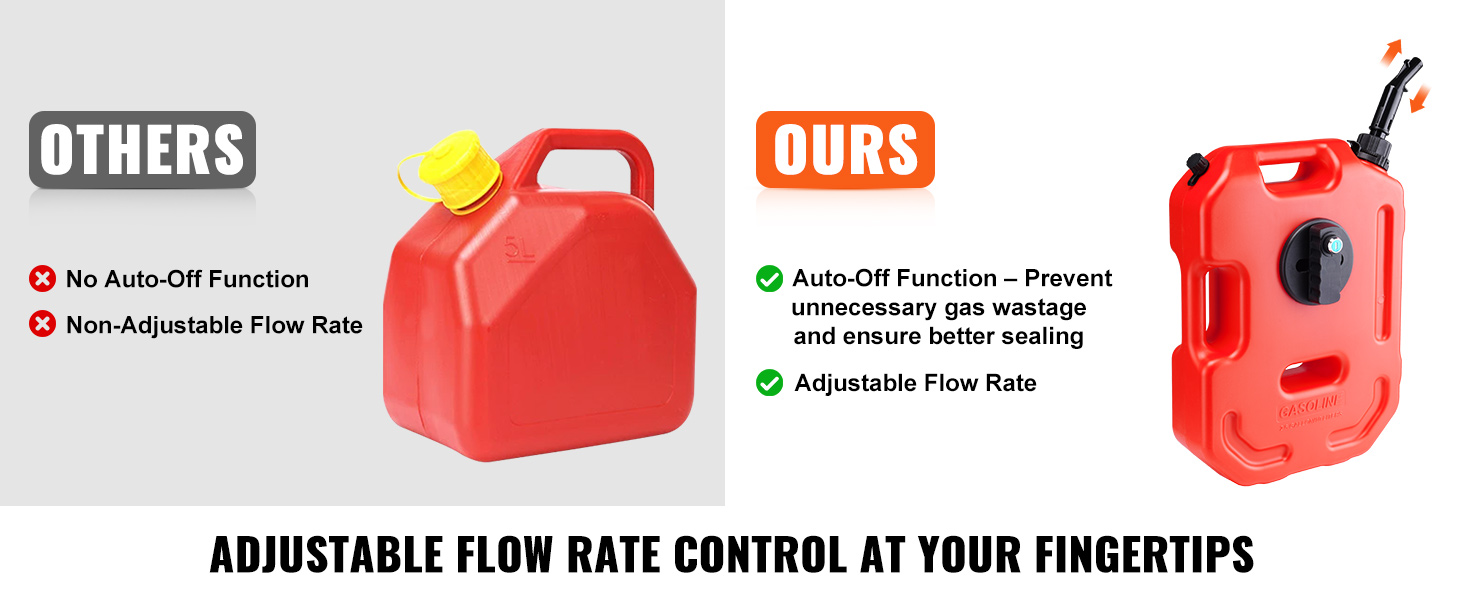
Image source: Bing (Web (fair-use with source credit))
If you've ever popped the cap on a gas can and seen water droplets floating on top, you already know the frustration. Learning how to store small engine fuel cans without condensation saves you from clogged carburetors, rough starts, and repair bills that hit $150 to $400 for a simple cleanout. Moisture in fuel is the silent killer of lawn mowers, chainsaws, and generators left sitting for a few months.
The fix isn't complicated, but it does depend on your fuel type, your climate, and how long the can sits between uses. Ethanol-blended gasoline (E10, the standard at most US pumps as of 2026) starts pulling water from the air once it enters your tank, and phase separation kicks in around 0.5% water content. Get the storage method right, and your fuel stays dry, your engine starts on the first pull, and you skip the repair trip entirely.
Quick Answer
Store fuel cans in a climate-stable space between 50 and 80°F. Fill cans to 95% capacity to limit headspace air. Seal the vent cap tightly.
Add a fuel stabilizer if storing longer than 30 days. Keep cans off concrete floors. Use a desiccant pack nearby in humid climates.
Check seals every 60 days.
Why Condensation Forms Inside Fuel Cans (and What It Does to Your Engine)
Condensation happens when warm, moist air contacts a cooler surface. Inside a fuel can, that surface is the metal or plastic wall and the fuel itself. As outdoor temperatures swing between day and night (or between a heated garage and a cold shed), the air inside the can cools and releases moisture.
That water settles on the fuel surface or mixes directly into gasoline.
Ethanol makes the problem worse. E10 fuel is hygroscopic, meaning it actively absorbs water from the air. Once water content crosses about 0.5%, ethanol and water bond and drop out of the gasoline.
This is called phase separation, and the heavier water-ethanol layer sinks to the bottom of the can. Your engine then pulls that contaminated fuel through the carburetor.

The damage shows up fast. Corroded carburetors, varnished fuel lines, and hard starts are the usual symptoms. In severe cases, water in the combustion chamber causes hydrolock, which can bend connecting rods.
A can of gas costs $5 to $15. A carburetor rebuild runs $200 or more. Prevention is cheap.
It Depends on Your Fuel, Your Climate, and How Long You're Storing
There's no single "right way" to store fuel. The best method for you depends on three variables:
| Variable | What Changes | Storage Impact |
|---|---|---|
| Fuel type | E10 vs. ethanol-free | Ethanol blends absorb water faster; non-ethanol lasts longer but still needs sealed storage |
| Climate | Humid coastal vs. dry desert vs. four-season | Humidity drives condensation; freeze-thaw cycles stress can seals |
| Storage duration | Under 30 days vs. 30 to 90 days vs. 6+ months | Short-term needs minimal prep; long-term requires stabilizer and rotation |
If you run E10 in a humid climate (Gulf Coast, Florida, Southeast US): Treat every can as long-term. Add stabilizer at the pump, store in a climate-controlled space, and rotate stock every 60 days.
If you run ethanol-free fuel in a dry climate (Southwest, high desert): You have more flexibility. Untreated fuel can last 3 to 6 months in a sealed can stored between 50 and 80°F.
If you store equipment for winter (snow blowers, seasonal mowers): Plan for 4 to 6 months of downtime. Stabilizer is mandatory, and a full can (95% capacity) is better than a half-empty one because there's less air to hold moisture.
The Storage Decision Tree: Pick Your Path Based on Conditions
Use this branching logic to lock in your storage method:
Are you storing fuel for less than 30 days?
- Yes: Seal the cap tight. Store in a cool, dry spot. No stabilizer needed.
- No: Continue to the next step.
Is your fuel ethanol-blended (E10 or higher)?
- Yes: Add fuel stabilizer at the recommended ratio (typically 1 oz per 2.5 gallons). Run the engine for 5 minutes to circulate treated fuel.
- No (ethanol-free): Stabilizer is optional but still extends shelf life.
What's your average humidity?
- Above 60% relative humidity (common in coastal and southeastern US): Use a sealed storage container or add a desiccant pack to the storage area. Consider a temperature-stable indoor location.
- Below 60% (arid and mountain West): Standard indoor storage works.
Is the storage area subject to temperature swings greater than 20°F between day and night?
- Yes: Move cans to an insulated space or add insulation around the storage area. Temperature swings are the primary driver of condensation.
- No: Standard garage or shed storage is fine.
Are you storing the can directly on a concrete floor?
- Yes: Concrete wicks moisture and stays cooler than ambient air, which increases condensation on the can bottom. Elevate cans on a wooden pallet or metal shelf.
- No: You're already ahead.
This decision tree gets you to the right method in five questions. Most people land on a "stabilize, seal, elevate, stabilize the temperature" path, which is the gold standard for E10 fuel in any climate.
Step-by-Step: How to Store Fuel Cans Without Condensation Buildup
Follow this sequence every time you fill a can for storage. The whole process takes under 10 minutes.
Inspect the can. Check for rust, cracks, or a worn gasket. A compromised seal lets moist air cycle in and out. Replace damaged cans; don't risk it.
Clean the spout and cap. Wipe off dust, debris, and old fuel residue. Grit on the seal surface prevents a tight closure.
Fill to 95% capacity. Leave about 5% headspace for thermal expansion, but no more. More air means more moisture-holding capacity. A half-full can is a condensation factory.
Add fuel stabilizer if storing more than 30 days. Pour the correct dose (check the label; most are 1 oz per 2.5 gallons) directly into the can before you seal it. Ethanol-free fuel can skip this for short-term storage, but E10 cannot.
Seal the vent cap fully. Many cans have a two-stage cap: a vented position for pouring and a sealed position for storage. Make sure it's locked in the sealed mode. A vented cap in storage is an open invitation for moisture.
Label the can. Use a permanent marker to note the fill date and fuel type. This makes rotation simple and helps you track shelf life.
Store in a climate-stable location. Target 50 to 80°F with low humidity. A ventilated garage, basement, or dedicated fuel storage shed works. Avoid direct sunlight, which heats the can and drives evaporation and pressure changes.
Elevate off the floor. Place cans on a wooden pallet, metal shelf, or plastic stand. Concrete floors stay cooler and hold moisture.
Check seals every 60 days. Look for condensation droplets on the can exterior, listen for a hiss when opening the cap (indicates pressure changes from air exchange), and confirm the gasket is still pliable.
Rotate stock. Use the oldest can first. Untreated E10 lasts 3 to 6 months; treated E10 lasts 12 to 24 months. Ethanol-free fuel can stretch to 12 months untreated in good conditions.
Mistakes That Cause Moisture Problems (and How to Fix Them)
Storing Half-Empty Cans
A can with 50% fuel and 50% air is a moisture magnet. The air space holds water vapor that condenses on every temperature drop. Fill cans to 95% capacity, or use a smaller can if you only need a little fuel.
Leaving the Vent Cap Open
Many portable gas cans have a two-position cap. The open or vented position is for pouring. The sealed position is for storage.
A can stored in vented mode breathes humid air constantly. Always confirm the cap is fully sealed and locked.
Storing Directly on Concrete
Concrete holds moisture and stays cooler than the surrounding air. The temperature difference drives condensation on the can bottom. Elevate cans on a wooden pallet, plastic tote lid, or metal shelf.
Ignoring the Date
Fuel has a shelf life. E10 untreated lasts 3 to 6 months. Without a date on the can, you lose track.
A Sharpie mark on the side solves this in two seconds.
Skipping Stabilizer on E10
Ethanol fuel starts degrading the moment it leaves the pump. Stabilizer slows oxidation and water absorption. Running equipment for 5 minutes after adding stabilizer circulates the treated fuel through the entire fuel system, including the carburetor.
Storing Near Ignition Sources
Pile up the common storage errors and you get a safety problem, not just a moisture problem. Keep cans away from water heaters, furnaces, electrical panels, and direct sunlight. Maintain clearance from any ignition source per NFPA 30 guidelines for flammable liquids.
Safety Rules, Storage Limits, and Legal Guidelines
Most US residential fire codes cap fuel storage at 25 gallons per property. Some jurisdictions allow more, some allow less. Check with your local fire marshal before stacking cans in a garage or shed.
Ventilation matters. Indoor storage areas need airflow to prevent vapor buildup. The OSHA flammable liquids standard (29 CFR 1926.155) sets the baseline for commercial settings. A garage with a vent or louvered door meets residential best practice.
Container compliance. Use only EPA-compliant or CARB-compliant containers (the latter required in California). These cans have flame arresters, child-resistant caps, and self-venting spouts. Never store fuel in glass, unrated plastic jugs, or repurposed containers.
Static electricity. Ground yourself before pouring. Touch a metal surface or use a grounding clip. Static discharge near gasoline vapors can ignite them.
Cold, dry winter air makes static buildup worse.
No living space storage. Never store fuel cans in a bedroom, closet, or above a living area. Even a sealed can can leak vapors. Detached garages, sheds, and dedicated fuel lockers are the only safe options.
Disposal of old fuel. Don't dump old gas on the ground or in storm drains. Most municipalities have hazardous waste drop-off days. Some auto parts stores accept used fuel for recycling.
Check local rules before you dispose.

Similar Posts