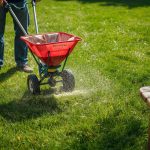
Organic Weed Killers That Actually Work Without Glyphosate
Lead Turfgrass & Lawn Care Specialist at Totally Green Lawn · Certified Turfgrass Specialist (CTS), Master Gardener, B.S. in Agronomy & Turf Science · 14+ years in residential turf management, organic fertilization, and weed science
You want organic weed killers that actually work without glyphosate, and you've probably already burned through a bottle of "natural" spray that turned weeds brown for a day, then watched them come right back. That's a fair complaint. The honest truth is that most non-glyphosate options are contact herbicides, which means they burn what they touch and don't travel down to the root.
They can absolutely work, but only if you match the active ingredient to the weed, the weather, and your patience for repeat spraying.
As of 2026, the market is dominated by five organic-friendly active ingredients: pelargonic acid, acetic acid (horticultural vinegar), citric acid, clove or citrus oils, and iron-based herbicides like FeHEDTA. The EPA's registration database and the OMRI product list confirm that OMRI-listed options are the only ones safe to use in certified organic production, and they are the same products homeowners are buying off the shelf. So the question isn't whether these herbicides work, it's which one to grab for your specific weed problem, and how to apply it so the weeds actually stay dead.

Image source: Bing (Web (fair-use with source credit))
Quick Answer
Yes, organic weed killers without glyphosate do work. The best options for 2026 are pelargonic acid, 20%+ horticultural vinegar, and OMRI-listed clove or citrus oil blends. They are contact herbicides, so they kill green growth in 2 to 24 hours but usually need a repeat application 7 to 14 days later for full root kill.
Iron-based herbicides (FeHEDTA) are the only organic option that selectively controls broadleaf weeds in lawns without harming grass.
Why Most "Organic" Weed Killers Disappoint (And What Actually Works)
The number one reason people give up on non-glyphosate weed killers is that they expect systemic root kill and they don't get it. Glyphosate moves through the plant. Most organic herbicides do not.
They work by destroying the cuticle and rupturing plant cells on contact, which is great for top growth and terrible for established perennial roots.
That gap between expectation and chemistry is the whole game. Once you accept that organic weed control is a "burn, wait, repeat" process rather than a one-shot treatment, results get dramatically better. Manufacturer specifications for pelargonic acid products like FinalSan and Axxe list visible burn-down in 2 to 4 hours, with full kill requiring 7 to 14 days and often a follow-up spray.
That's not a flaw, that's how the chemistry works.
The second issue is concentration. The 5% acetic acid vinegar sold for cleaning and pickling is not the same product as a 20% or 30% horticultural vinegar labeled for weed control. Aggregate reviews and university extension guidance consistently show that household-strength vinegar is a waste of money on anything beyond a seedling.
You need the strong stuff, you need eye protection, and you need to accept that strong acetic acid is a corrosive that demands respect.
How Non-Glyphosate Herbicides Work: Acids, Oils, and Iron
Every organic weed killer you'll find at a garden center, hardware store, or organic farm supplier falls into one of three chemistry families. Understanding which is which saves you from buying the wrong product twice.
Acid-Based Herbicides (Acetic, Citric, Pelargonic)
These work by lowering the pH of plant tissue on contact, which collapses cell walls and dries the leaves out fast. Pelargonic acid (also called nonanoic acid) is a fatty acid found in many plants, and it's the active ingredient in products like Beloukha and FinalSan. It's fast, relatively low-toxicity, and OMRI-listed.
Acetic acid at 20%+ is the old-school standby, and citric acid products have entered the market in the last few years as a slightly milder alternative.
Oil-Based Herbicides (Clove, Citrus, Cinnamon)
Clove oil (eugenol) and d-limonene from citrus peels are the active ingredients in products like EcoSMART and Avenger. They dissolve the waxy cuticle on leaves, causing rapid desiccation. They're flammable, strong-smelling, and surprisingly effective on small broadleaf weeds.
Iron-Based Herbicids (FeHEDTA)
This is the only selective organic option for lawns. Iron HEDTA targets broadleaf weeds like dandelion, clover, and plantain while leaving cool-season turfgrass largely unharmed. It's a game-changer for homeowners who want to treat a weedy lawn without glyphosate or 2,4-D.
| Chemistry Family | Active Ingredient | Example Products | Mode of Action | Selectivity |
|---|---|---|---|---|
| Acid | Pelargonic acid | Beloukha, FinalSan | Cell membrane rupture | Non-selective |
| Acid | Acetic acid 20%+ | Green Gobbler 30%, Nature's Wisdom | Desiccation via pH drop | Non-selective |
| Acid | Citric acid | Avenger Citrus, BurnOut | Cuticle disruption | Non-selective |
| Oil | Clove oil (eugenol) | EcoSMART, BurnOut | Dissolves leaf wax | Non-selective |
| Oil | d-Limonene | Avenger, CitraSolv-based | Membrane disruption | Non-selective |
| Iron | FeHEDTA | Iron X, Fiesta | Lipid peroxidation in broadleaves | Selective (broadleaf only) |
The Active Ingredients Ranked: Vinegar, Pelargonic Acid, Citric, Clove Oil, and Iron
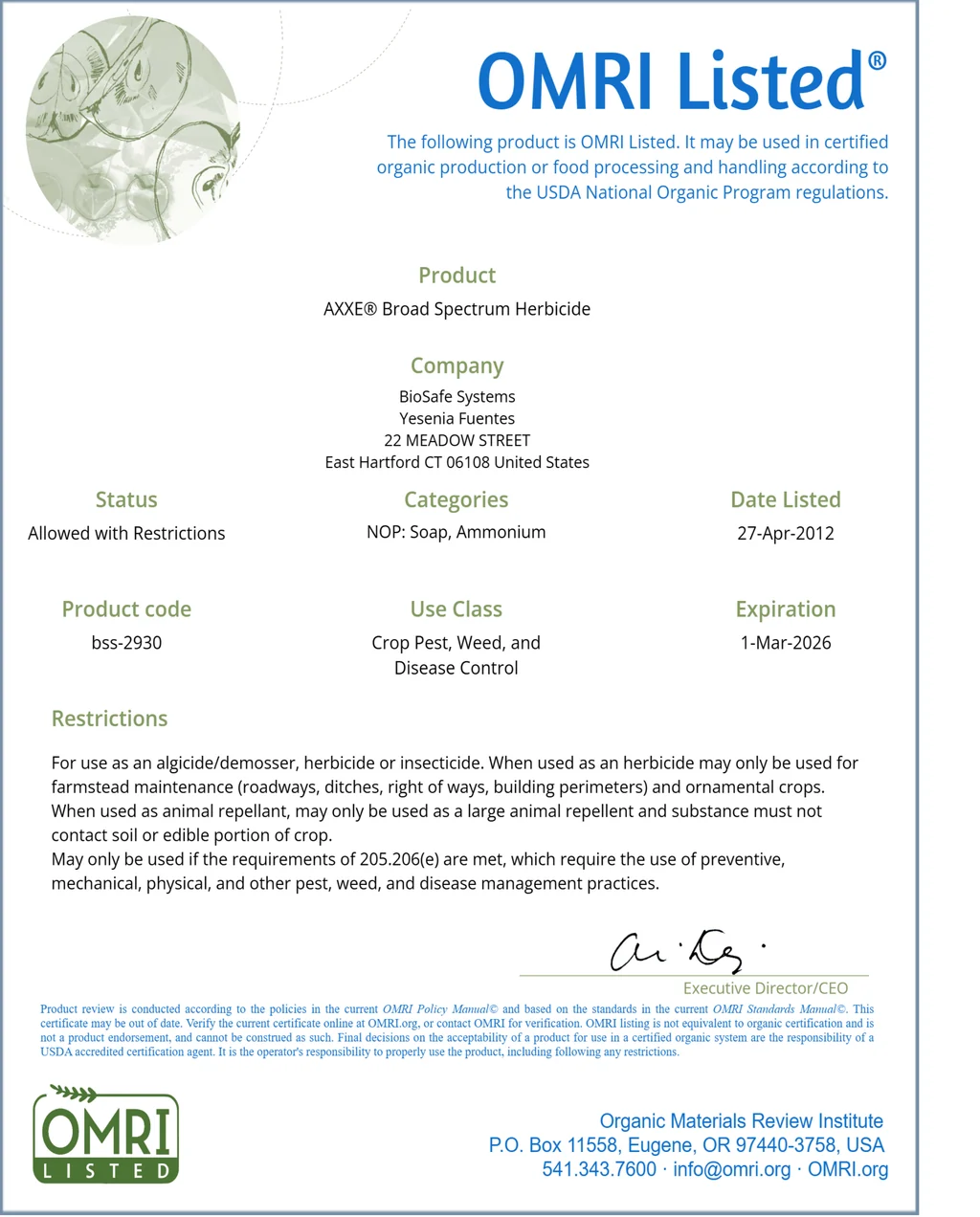
Image source: Bing (Web (fair-use with source credit))
Not all organic herbicides pull the same weight. Here's how the five main active ingredients actually stack up based on manufacturer specs, university extension data, and aggregate user feedback.
Pelargonic Acid: The Best Overall Performer
Pelargonic acid is the closest thing to a drop-in glyphosate replacement for hardscape and garden use. It works in temperatures as low as 40°F, shows visible burn in 2 to 4 hours, and degrades in soil in under 24 hours. OMRI-listed products like Beloukha and Axxe are approved for use in organic food production up to the day of harvest in some cases, per OMRI product listings.
For driveways, fence lines, and pre-plant garden bed prep, this is the first pick.
20%+ Acetic Acid: The Budget Workhorse
Horticultural vinegar at 20% to 30% acetic acid is cheaper per ounce than pelargonic acid products and nearly as fast on small annual weeds. The downsides: it's corrosive to skin and eyes, it can damage concrete and metal if overapplied, and it's less effective on perennial weeds with deep taproots. Extension services at Cornell University's horticulture program and other land-grant universities consistently note that acetic acid works best on weeds under 6 inches tall and in warm, sunny conditions.
Citric Acid: The Gentler Option
Citric acid products have grown in popularity because they're less corrosive than acetic acid and have a milder odor. They're effective on young weeds and work well in residential settings where the smell of vinegar would draw complaints. They tend to be slightly slower than pelargonic acid but faster than clove oil.
Clove Oil and Citrus Oil: Best for Small Weeds
Botanical oil herbicides shine on seedling weeds in garden beds and around established perennials. They smell strong (clove oil in particular), they're flammable before they dry, and they require thorough coverage. They're a poor choice for anything with a developed root system.
Iron (FeHEDTA): The Only Organic Lawn Solution
If your problem is dandelions and clover in a cool-season lawn, iron-based herbicides are the only organic answer. Products like Fiesta and Iron X turn weeds black within 24 to 48 hours while leaving Kentucky bluegrass, fescue, and perennial ryegrass untouched. They're more expensive per application than glyphosate, and you may need two or three treatments per season, but they're legal for organic lawns and safe around pets once dry.
Side-by-Side Comparison: Best Organic Weed Killers (No Glyphosate)
This is the table most readers want. Below is a side-by-side look at the most widely available non-glyphosate herbicides as of 2026, based on manufacturer specifications, OMRI and EPA registration data, and aggregate buyer feedback.
| Product Type | Active Ingredient | OMRI Listed | Visible Results | Best For | Price Range (RTU) | Repeat Needed |
|---|---|---|---|---|---|---|
| Beloukha / FinalSan | 6% pelargonic acid | Yes | 2 to 4 hours | Driveways, fence lines, garden prep | $25 to $45 / quart | 7 to 14 days |
| Green Gobbler 30% | 30% acetic acid | No (but allowed in some organic programs) | 2 to 6 hours | Annual weeds, cracks in pavement | $20 to $35 / gallon concentrate | 7 to 14 days |
| Avenger / BurnOut | Citric acid + clove oil | Yes | 4 to 12 hours | Garden beds, young weeds | $15 to $30 / RTU | 7 to 14 days |
| EcoSMART | 4.5% eugenol (clove oil) | Yes | 4 to 12 hours | Seedling weeds, around ornamentals | $20 to $35 / RTU | 7 to 14 days |
| Fiesta / Iron X | 26.5% FeHEDTA | Yes | 24 to 48 hours | Lawn broadleaf weeds (dandelion, clover) | $40 to $70 / quart | 14 to 21 days |
| Axxe | 6% pelargonic acid | Yes | 2 to 4 hours | Commercial organic farms, large hardscape | $30 to $50 / quart | 7 to 14 days |
Which One Should You Pick?
- Gravel driveway or patio overrun with weeds: Pelargonic acid (FinalSan, Beloukha). Fast, OMRI-listed, no soil residual.
- Lawn full of dandelions and you want to stay organic: FeHEDTA (Fiesta, Iron X). The only selective option.
- Budget-focused spot treatment on young annuals: 20% to 30% acetic acid concentrate, diluted 1:1 or used full strength.
- Garden bed prep before seeding or transplanting: Citric acid or clove oil blends. Low soil residual, no plant-back interval issues.
- Around delicate ornamentals with careful spot spraying: Clove oil at low concentration. Always shield desirable plants with cardboard.
How to Apply Organic Weed Killers for Real Results
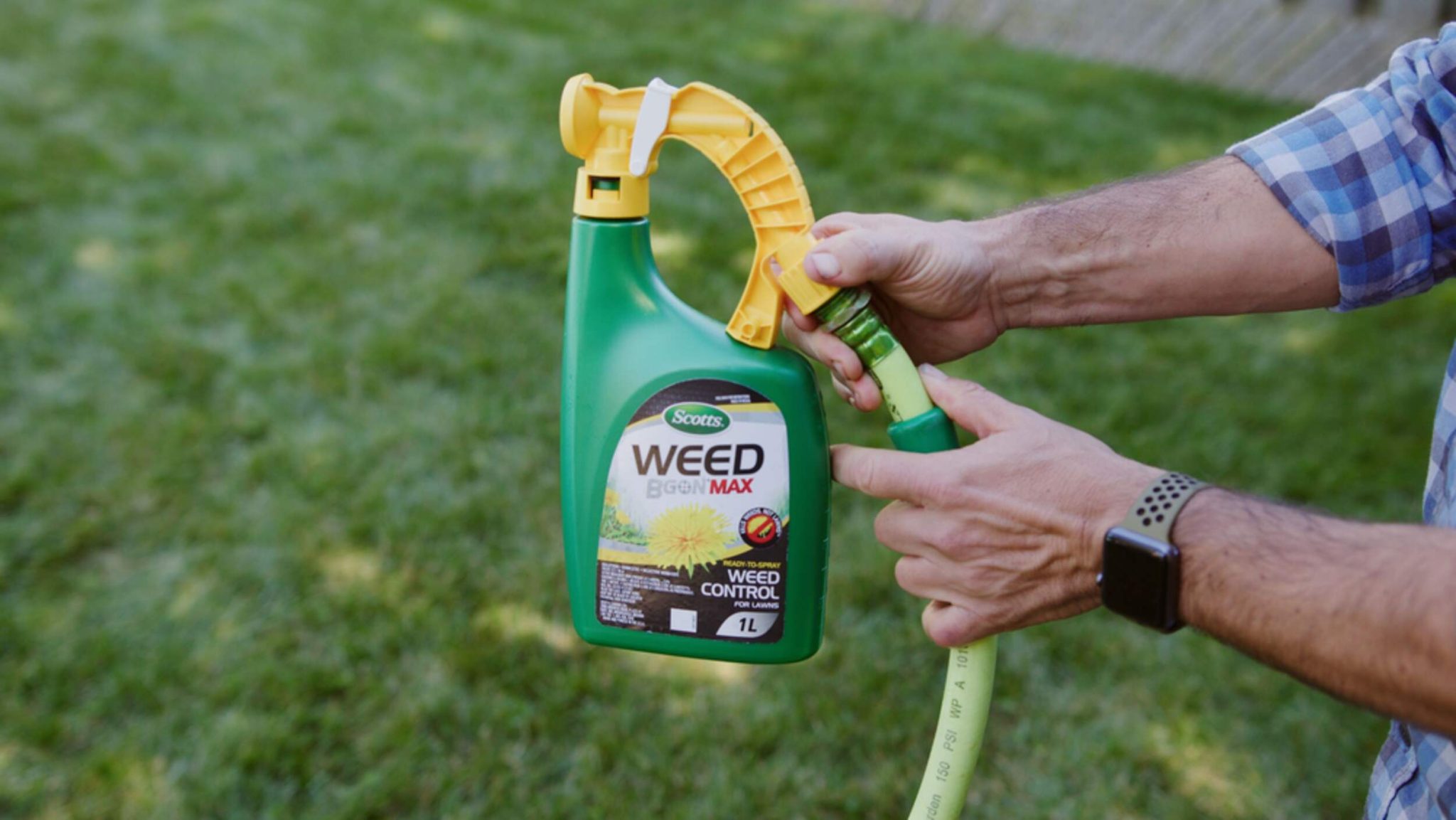
Image source: Bing (Web (fair-use with source credit))
Even the best organic herbicide fails when it's applied wrong. These are the application conditions that separate a 90% kill rate from "I might as well have used water."
Spray Timing and Weather
Apply on a warm, sunny day with temperatures above 60°F and no rain in the forecast for 24 hours. Pelargonic acid and acetic acid both work through desiccation, which is dramatically faster when the plant is actively growing and the sun is pulling moisture out of the leaves. Early morning after the dew dries is ideal.
Avoid windy days above 5 mph to prevent drift onto desirable plants.
Coverage and Droplet Size
These herbicides are contact products, so thorough coverage is everything. Use a fan nozzle for broadleaf weeds and a coarse stream for cracks and crevices. Wet the leaves until they just begin to drip.
Missed spots are weeds that survive and regrow.
Repeat Treatment Schedule
Plan on at least two applications, spaced 7 to 14 days apart, for any perennial weed. Annual weeds in the seedling stage may only need one pass. Bindweed, Canada thistle, and established dandelions typically require three or more treatments across a full growing season.
Where Organic Weed Killers Work Best (And Where They Won't)
Matching the product to the location is where most people go wrong. Organic herbicides shine in some scenarios and are a complete waste of money in others.
Best Use Cases
Driveways, walkways, gravel areas, and fence lines are ideal because you're not worried about soil residual or replanting. Pelargonic acid is the standout here, with OMRI-listed products like Beloukha approved for use in organic production up to the day of harvest in some cases, per OMRI product listings. Garden bed prep before seeding or transplanting is another strong fit, since you'll be disturbing the soil soon anyway.
Iron-based herbicides are the right call for lawn broadleaf control if you want to stay organic.
Poor Use Cases
Don't expect organic herbicides to clear a half-acre of mature bindweed in one pass. They're not going to replace glyphosate on large agricultural infestations or for pre-plant burn-down of sod. They're also weak against mature grassy weeds like crabgrass and nutsedge, which have protected growing points at the soil surface.
For those, hand removal, smothering, or spot flame weeding works better.
Mistakes That Make Organic Weed Killers Fail
After looking at hundreds of user complaints and extension service Q&A logs, the same handful of mistakes show up over and over.
Using Household Vinegar
5% grocery-store vinegar will burn seedling weeds on a hot day and do almost nothing on anything else. The label rate for horticultural vinegar is 20% to 30% acetic acid, and even that needs direct coverage. If you're not willing to buy the strong stuff, save your money.
Skipping the Second Application
One pass on a perennial weed buys you about two weeks of dead top growth before regrowth from the root. Users who treat once and assume the weed is "done" are the ones leaving one-star reviews. The chemistry is honest about what it does, and what it doesn't do is kill deep roots in a single pass.
Spraying in the Wrong Conditions
Cool weather, cloudy days, rain within 12 hours, and wind all undercut performance. Pelargonic acid slows dramatically below 50°F. Acetic acid needs sun to accelerate desiccation.
A light rain after application can wash the active ingredient off the leaf before it absorbs.
Spraying Without Shielding Desirable Plants
Organic herbicides are non-selective. They'll fry your tomato seedlings as fast as they'll fry a dandelion. Use a piece of cardboard as a spray shield, and keep the nozzle close to the target.
Expecting Pre-Emergent Performance
None of the post-emergent organic herbicides prevent new weeds from germinating. If you want pre-emergent organic control, corn gluten meal is the only widely available option, and its efficacy data is mixed at best. Plan on repeat spot treatments through the season.
Final Verdict: Which Non-Glyphosate Weed Killer Should You Buy?
The short version: there's no single best organic weed killer, because the right pick depends on what you're spraying and where.
For hardscape and garden prep, pelargonic acid products like FinalSan and Beloukha are the top performers. They work fast, they have OMRI listing, and they leave no soil residual. For lawn broadleaf control, FeHEDTA products like Fiesta and Iron X are the only organic option that selectively targets weeds without harming turfgrass.
For budget-conscious spot treatment on young annuals, 20% to 30% acetic acid concentrate is hard to beat on price per ounce, as long as you respect the corrosivity and wear eye protection. Clove oil and citric acid products are gentler and better suited to garden beds where you're working around desirable plants.
Whatever you choose, commit to the repeat-spray schedule. One application is rarely enough on perennial weeds, and that's the trade-off you accept when you skip glyphosate. Done right, organic weed control works.
Done once and forgotten, it doesn't.
Frequently Asked Questions
Do organic weed killers actually kill the root?
Most do not. Pelargonic acid, acetic acid, citric acid, and clove oil herbicides are contact products that destroy the top growth but rarely reach the root. Repeat applications every 7 to 14 days are required for full kill of perennial weeds.
What is the strongest natural weed killer?
20% to 30% horticultural acetic acid and 6% pelargonic acid are the strongest natural options available to homeowners. Both are OMRI-listed at appropriate concentrations and show visible results in 2 to 6 hours on small weeds.
Is vinegar as good as Roundup?
No, not in a single application. Household vinegar is far weaker than glyphosate. Horticultural vinegar at 20%+ is closer in speed but still requires repeat treatments for perennial weeds, where glyphosate's systemic action remains superior.
Are OMRI-listed weed killers safe for pets?
Once dry, OMRI-listed products like pelargonic acid and FeHEDTA are safe for pet reentry per label instructions. Keep pets away during application and until the spray has fully dried, usually 1 to 4 hours depending on humidity.
Can I mix vinegar and dish soap to make weed killer?
Homemade vinegar and dish soap mixes are popular online but unreliable. The soap helps the vinegar stick to waxy leaves, but 5% household vinegar is too weak to kill mature weeds. Use a 20%+ horticultural vinegar if you're going the DIY route, and wear eye protection.
Will organic weed killers harm my soil?
No. Pelargonic acid degrades in soil in under 24 hours, acetic acid breaks down within days, and FeHEDTA iron binds to soil particles. None of the OMRI-listed options leave persistent soil residue that affects future planting.
🌾 Agronomist Recommended: Pre-Emergent & Weed Control Supplies
To prevent weed breakthroughs and protect desirable turfgrass from foliar injury, our agronomy field trials recommend calibrated pre-emergents and non-ionic surfactants:
- Professional Pre-Emergent:Check Prodiamine 65 WDG Pre-Emergent on Amazon →
- Non-Ionic Spray Surfactant:Check Non-Ionic Foliar Surfactants on Amazon →
*FTC Disclosure: As an Amazon Associate, Totally Green Lawn earns from qualifying purchases.*

Similar Posts