Growing Grass in Heavy Tree Shade: Diagnosis, Alternatives & Soil Care
Lead Turfgrass & Lawn Care Specialist at Totally Green Lawn · Certified Turfgrass Specialist (CTS), Master Gardener, B.S. in Agronomy & Turf Science · 14+ years in residential turf management, organic fertilization, and weed science
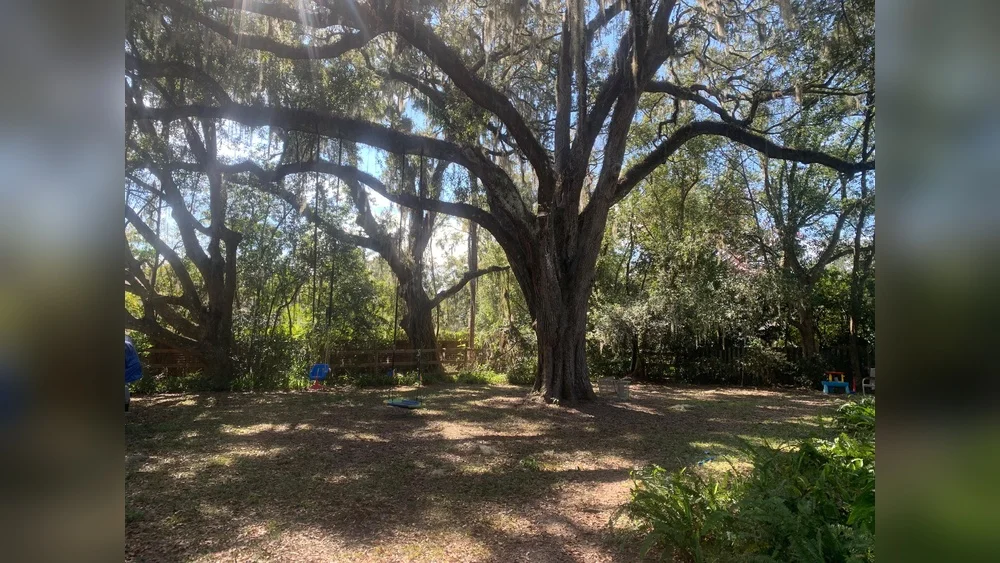
Why won't grass grow under large shade trees? Most often, it's not one thing. It's three working together: not enough sunlight reaches the ground, the tree's roots drink up the water and nutrients first, and fallen leaves make the soil too acidic for turf to thrive.
Turfgrass needs roughly 4 to 6 hours of direct sun a day, but a mature maple or oak canopy can block 90% of that light. Add in shallow feeder roots competing for the same moisture, plus a soil pH that often drops below 6.0 under evergreens and oaks, and you get the bare, mossy patch we all hate. We'll walk through how to figure out which factor is hurting your lawn the most, and what to do about it.
Quick Answer
Grass struggles under large shade trees because of low light, root competition, and acidic soil. Most turf needs 4 to 6 hours of direct sun. Tree roots win the water and nutrient race.
Leaf litter drops soil pH. Pick shade-tolerant grass or switch to mulch or groundcover.
Why Grass Struggles Under Big Shade Trees (The Real Diagnosis)
Trees and turf want the same things. Sunlight, water, nitrogen. Under a mature canopy, the tree wins every time.
That imbalance shows up in three predictable ways, and your lawn will show you which one is dominant if you know what to look for.
Light is usually the biggest factor. Grass needs light to photosynthesize. Without it, the blades get thin, pale, and leggy. A dense oak or beech canopy can block 95% of sunlight at midday.
Even partial shade reduces photosynthesis enough to weaken the plant over a single growing season.
Root competition is the silent killer. Most tree feeder roots sit in the top 6 to 12 inches of soil. That's the exact same zone grass roots live in. When both are pulling from the same shallow reservoir, the tree gets first dibs.
The grass slowly starves.
Soil chemistry shifts under trees. Dropped leaves and needles break down into acidic organic matter. Over years, pH under oaks, pines, and maples can drop to 5.0 or lower. Most turfgrass prefers 6.0 to 7.0.
Outside that range, nutrients like iron and phosphorus get locked up and unavailable to grass roots.
In our research through university extension data, the worst combination is a shallow-rooted tree (like a maple or willow) growing in compacted, acidic soil. That stack of problems leaves almost no path for turf to survive without help.
The Three Things Working Against Your Grass
Before you buy a single bag of seed, you need to identify which problem is hurting your lawn the most. The fix changes completely depending on the cause. Here's how to tell them apart.
Not Enough Sunlight
Walk outside at 1 PM on a sunny summer day. Look straight up. If you see a thick ceiling of leaves with very few gaps, your grass is photosynthesizing in near-darkness.
You can also use a smartphone light meter app to check. Most turf needs at least 2,000 to 3,000 foot-candles to stay dense.
Signs it's a light problem:
- Grass is thin and pale, but weeds and moss are thriving
- Bare patches get worse each year as the canopy fills in
- The lawn is fine in sunny spots but dies out toward the trunk
Root Competition
Stick a screwdriver into the soil near the bare patch. If it stops after an inch or two, you're hitting a tangle of woody roots. Trees like silver maples, willows, and beeches have aggressive surface roots that claim the topsoil.
Grass simply can't push down to reach water.
Signs it's a root problem:
- The soil is bone dry even after rain
- Grass struggles in a wide ring matching the canopy drip line
- Nearby shrubs and perennials are also stunted
Acidic, Compacted Soil
Grab a $10 soil pH test kit from a garden center. Poke 4 inches down in the bare area and again in a sunny spot for comparison. If the shaded soil reads below 6.0, pH is part of your problem.
Soil compaction is just as common under trees. Foot traffic and lack of sunlight slow microbial activity, so the soil stays tight and airless.
Signs it's a soil problem:
- Water pools on the surface instead of soaking in
- Moss and clover dominate the area
- The pH test shows a difference of 0.5 or more versus the sunny lawn
If your situation shows 2 or 3 of these together, you'll need to address all of them. Just throwing shade seed onto compacted, acidic soil won't work.
How to Figure Out Which Problem You Actually Have
A simple diagnostic workflow saves you from wasting money on the wrong fix. Follow these steps in order.
Step 1: Map your sun. Spend one full day checking the area every two hours from 8 AM to 6 PM. Note when direct sun hits the ground. Anything under 4 hours of direct light is classified as shade, and you need a shade blend, not a standard sunny mix.
Step 2: Test the soil. Use a home kit or send a sample to your local cooperative extension. Per USDA extension guidance, a basic test should report pH, phosphorus, potassium, and organic matter. That gives you a baseline for any amendments.
Step 3: Probe for roots. Push a long screwdriver or metal rod into the soil in 4 or 5 spots. Note where you hit resistance. A root mat feels like hitting wood.
If that's everywhere, root competition is in play.
Step 4: Look at the tree. Identify the species. Oaks, beeches, and maples create dense, dry shade. Pines let more dappled light through.
Black walnuts produce juglone, a natural herbicide that kills most turf and many plants. This is also called allelopathy, and it's why nothing grows under a walnut without specific plant choices.
Once you know what you're dealing with, the path forward becomes clear.
Your Options: Fix the Grass, Change the Grass, or Skip the Grass
You have three real paths. Most homeowners skip straight to "grow grass," but the other two often work better and cost less over time. Here's how to weigh them.
| Option | Best For | Upfront Cost | Long-Term Maintenance |
|---|---|---|---|
| Fix the grass (prune, amend, overseed) | Light to moderate shade with decent soil | Low to medium | High, you still battle the tree |
| Change the grass (shade-tolerant species) | Dappled light, partial shade | Low | Medium |
| Skip the grass (mulch or groundcover) | Deep shade, near trunk, root competition | Medium | Low |
Fix the existing lawn when you only have partial shade and the tree is healthy. Selective pruning can bump light levels up by 20 to 30%. Aeration breaks up compaction.
Lime corrects pH. Then overseed with a shade mix in early fall.
Change the grass species when light is filtered but not gone. Fine fescues, especially hard fescue and creeping red fescue, handle 2 to 4 hours of sun surprisingly well. In warm climates, St.
Augustine and zoysia tolerate more shade than Bermuda or centipede.
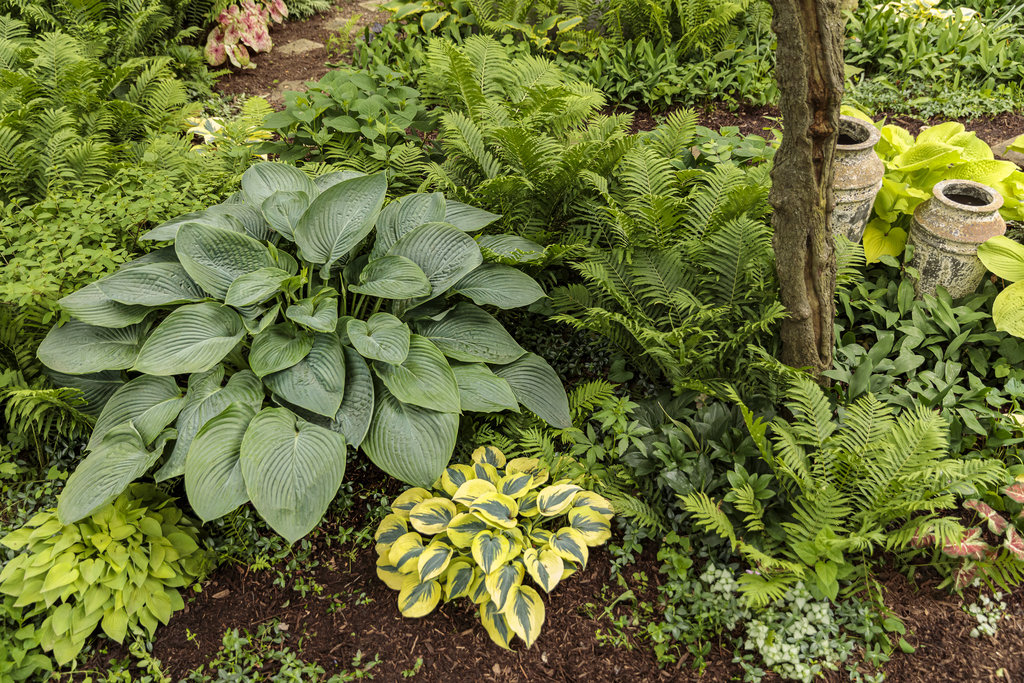
Skip the grass entirely when you're fighting dense shade right under the trunk, or dealing with a black walnut's juglone. A 3- to 4-inch mulch ring or a shade-loving groundcover like pachysandra, hostas, or sweet woodruff will look better, save water, and protect the tree's root flare from mower damage.
Aggregate reviews from extension services suggest that homeowners who try to force bluegrass or ryegrass into deep shade are reseeding every spring with poor results. Matching the plant to the place is the move that actually lasts.

Step-by-Step: How to Grow Grass Under Shade Trees
If you've decided to keep the lawn, timing and order matter. Follow this sequence and you'll get the best odds of a real stand of grass.
Step 1: Prune the canopy in late winter. Hire an ISA-certified arborist for big trees. The goal is to raise the crown and thin interior branches. This alone can double the light reaching the ground.
Avoid topping or lion-tailing, which stresses the tree.
Step 2: Test and amend the soil in early spring. Send a sample to your local cooperative extension or use a quality home kit. If pH is below 6.0, apply pelletized lime at the rate on the bag, usually 25 to 50 pounds per 1,000 square feet. Add a half-inch of compost as a topdressing.
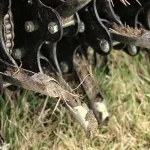
Step 3: Aerate in early fall. Use a core aerator to pull 2- to 3-inch plugs. This relieves compaction and gives grass roots a runway. Skip tilling.
It will shred tree roots and stress the tree.
Step 4: Overseed with a shade blend. For cool-season lawns, use a mix dominated by fine fescues. For warm-season, choose St. Augustine or zoysia cultivars rated for shade.
Apply at 4 to 6 pounds per 1,000 square feet. The best window is late August through mid-October in northern zones, when soil is warm but air is cool.
Step 5: Water deeply but less often. Shaded lawns need roughly 30% less water than sunny ones. Soak to 4 inches, then let the surface dry slightly. Overwatering invites moss and fungus.
Step 6: Raise your mower height. Cut shaded grass at 3 to 3.5 inches, an inch higher than sunny areas. Longer blades photosynthesize more light and outcompete moss.
If germination is patchy after 3 weeks, the area may be too shady for turf. That's your sign to switch to groundcover instead of fighting it.
Mistakes That Make It Worse (and What to Do Instead)
Most failed lawn repairs under trees come from repeating the same handful of mistakes. Here's what to avoid, and what to do instead.
Mowing too short. Scalping shaded grass cuts into the carbohydrate reserves it needs to limp through low light. Keep the cut at 3 inches or higher.
Over-fertilizing. Nitrogen pushes top growth the grass can't support in shade. Cut your nitrogen rate by about half compared to sunny areas, and skip summer feedings entirely.
Adding soil over the root flare. People often "fix" low spots by dumping topsoil near the trunk. This buries the flare, invites rot, and slowly kills the tree. Never raise the grade within 6 feet of a mature trunk.
String trimming around the trunk. Whip damage opens wounds that invite borers and decay. Leave a mulch ring 2 to 4 feet out from the trunk and mow around it.
Planting the wrong species. Kentucky bluegrass and perennial ryegrass need full sun. They germinate fast, look promising for a month, then fade. Start with a shade blend from day one.
Ignoring leaf litter. A thick mat of unshredded leaves smothers new grass and feeds fungal disease. Shred with a mower in fall, or bag and compost them.
The single biggest mistake, per aggregate extension feedback, is trying to grow a sunny lawn in deep shade. Match the plant to the light, and most of these problems disappear.
🚜 Agronomist Recommended: Dethatching & Disease Management Tools
Combat thatch suffocating your turf and stop rapid fungal spread with tested maintenance equipment and systemic fungicides:
- Electric Power Dethatcher & Scarifier:Check Electric Dethatchers & Scarifiers on Amazon →
- Broad-Spectrum Systemic Fungicide:Check Scotts DiseaseEx Lawn Fungicide on Amazon →
*FTC Disclosure: As an Amazon Associate, Totally Green Lawn earns from qualifying purchases.*

Similar Posts