How Iron Weed Killer Kills Dandelions Fast
Lead Turfgrass & Lawn Care Specialist at Totally Green Lawn · Certified Turfgrass Specialist (CTS), Master Gardener, B.S. in Agronomy & Turf Science · 14+ years in residential turf management, organic fertilization, and weed science
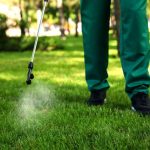
If you've ever sprayed a bottle of iron-based weed killer on a dandelion, watched the leaves curl and blacken, then felt a wave of satisfaction… you probably know the frustration a few days later. The taproot sends up a fresh rosette like nothing happened. The short answer to how does iron based weed killer work on dandelions is that it's a contact herbicide.
It ruptures plant cell membranes on whatever leaves it touches, then the top growth dies back fast. The catch? It almost never reaches the deep taproot, so dandelions usually bounce back.
Here's what that actually means in practice. According to manufacturer specifications, products built around FeHEDTA (iron chelated with hydroxyethylethylenediaminetriacetic acid) deliver roughly 1 to 2 percent active iron to the leaf surface. That's enough to trigger rapid lipid peroxidation, the same cellular breakdown you see in over-fertilized turf with iron spillover.
You get fast visual kill on the leaves, but the taproot lives to push another round of yellow flowers in a few weeks.
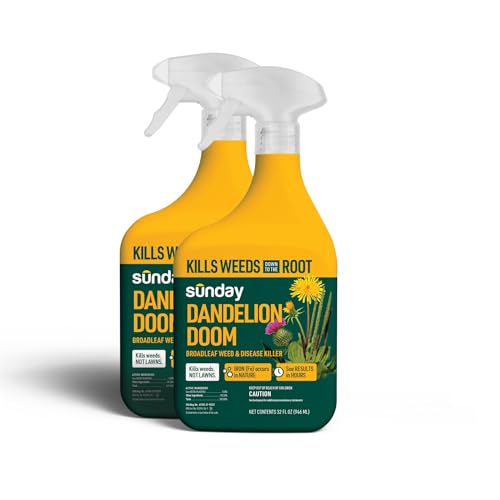
Image source: Bing (Web (fair-use with source credit))
Quick Answer
Iron-based weed killer works on dandelions by contact only. The chelated iron overloads leaf cells with reactive oxygen species. Membranes rupture, tissue blackens, and top growth dies within hours.
It does not reach the taproot. Dandelions usually regrow from the root in 2 to 6 weeks.
How Iron Herbicide Actually Works at the Plant Level
The chemistry sounds simple, but the biology is what's worth understanding. Iron is essential for plant life. Chlorophyll production, enzyme function, electron transport, all of it runs on iron.
Push too much iron onto a leaf at once, though, and the plant can't manage the free radical load.
That overload is the actual kill mechanism. Chelated iron (FeHEDTA or FeHEDDHTA) enters the leaf and dumps free iron ions into the cells. Those ions catalyze the formation of reactive oxygen species, primarily hydroxyl radicals, through the Fenton reaction.
The radicals attack lipid membranes. Cell contents leak out. Within 1 to 4 hours, you'll see dark, water-soaked spots that turn black and crispy by the next day.
The reason this kills the top of a dandelion but not the root comes down to movement. Iron herbicide has limited translocation. It doesn't move systemically through the phloem the way 2,4-D or dicamba do.
Whatever it touches, it kills. Whatever it doesn't touch, keeps growing.
What "Contact-Only" Looks Like in Practice
- You spray a dandelion rosette on a calm morning.
- The leaves shrivel and turn black by afternoon.
- The crown at soil level often survives.
- New leaves emerge from the taproot within 2 to 6 weeks.
- You re-treat, and the cycle repeats until the root finally exhausts its stored carbohydrates, which can take a full growing season of consistent applications.
This is why extension researchers at places like Penn State's College of Agricultural Sciences describe iron-based products as "suppression tools" rather than "eradication tools" for perennial broadleaf weeds.
The Key Compounds Behind the Spray Bottle
| Chelate | Common Name | Typical Use |
|---|---|---|
| FeHEDTA | Iron hydroxyethylethylenediaminetriacetic acid | Most lawn weed killer products (Fiesta, Natria, Iron X) |
| FeHEDDHTA | Iron hydroxyethylenediaminediacetic acid | Some OMRI-listed organic formulations |
| FeDTPA | Iron diethylenetriaminepentaacetic acid | Less common in residential herbicides, more in agriculture |
All three deliver iron in a form the leaf absorbs quickly. The chelate just keeps the iron soluble until it gets inside the plant.
Why Iron Herbicide Doesn't Always Kill the Whole Dandelion
This is the heart of the question, and it's where most homeowners get tripped up. Iron herbicide is fast, visible, and satisfying in the moment. It's also shallow.
The taproot of a dandelion can reach 10 to 15 inches deep, with stored carbohydrates the plant uses to push out new growth. Contact herbicide only destroys what the spray droplet lands on.
The Real Reason Dandelions Bounce Back
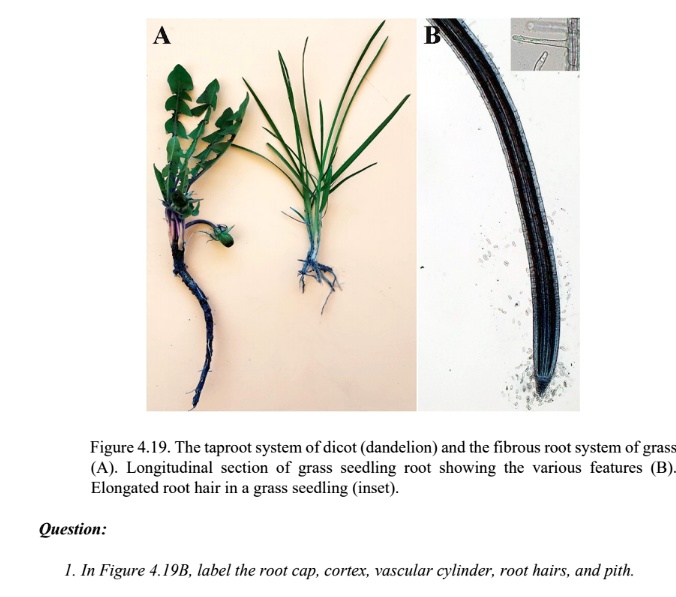
Image source: Bing (Web (fair-use with source credit))
A dandelion taproot is a survival machine. It stores starch, holds dormant buds, and regenerates even from small root fragments. When you kill the leaves with iron spray, the root keeps living.
It draws on its reserves, sends up a new rosette, and you're back where you started.
University turf research, including work published through Michigan State University Extension, shows that a single contact herbicide application typically suppresses dandelion top growth for 2 to 6 weeks. Full taproot depletion takes repeated treatments timed to the plant's weakest growth stages.
When Contact Action Works Well
There are scenarios where iron herbicide shines, even without killing the root:
- Spring rosette stage, when dandelions are small and the spray covers the entire plant.
- Pre-bloom treatment, before the plant invests energy into flower stalks.
- Fall applications in cool-season turf, when the plant is moving carbohydrates into the root and is most vulnerable.
- Spot treatment of isolated weeds in sensitive areas.
When Contact Action Falls Flat
- Mature dandelions with bolted flower stalks (the spray misses the lower leaves).
- Drought-stressed weeds with waxy, hardened cuticles that repel spray.
- Hot afternoons above 85°F, which can cause turf burn before the weed fully dies.
- Dense infestations, where you can't physically wet every leaf.
The Right Way to Apply Iron Weed Killer for Dandelion Control
Application method is where the gap between "worked great" and "did nothing" usually lives. Iron herbicide is unforgiving of sloppy technique. Get the coverage, timing, and concentration right, and you'll see real suppression.
Skip those details, and you'll wonder why the bottle was a waste of money.
Step-by-Step Application Process
- Identify the target. Dandelions in the rosette stage (flat cluster of leaves, no flower stalk) are the easiest to cover. Spot-treat each one rather than broadcasting.
- Check the weather. Aim for 60 to 85°F, low wind (under 10 mph), and no rain in the forecast for at least 3 to 6 hours. Most product labels list a 3-hour rainfast period.
- Mix the concentrate. For FeHEDTA products, the typical residential dilution delivers 1 to 2 percent iron in the spray solution. Check your label, since concentration varies.
- Calibrate your sprayer. A pump sprayer or trigger bottle works fine for spot jobs. For larger lawns, a backpack or hose-end sprayer at low pressure produces the medium to coarse droplets that stick to leaves without drifting.
- Wet the leaves thoroughly. Coverage is everything. Hit the top of the rosette and the underside of the leaves, where the cuticle is thinnest.
- Let it dry. Once the spray has dried on the leaf, the iron has done its job. Most labels allow reentry within 4 hours, and the product is rainfast in 3 to 6 hours.
- Mark your calendar. Repeat in 2 to 4 weeks if regrowth appears, and again in fall if you're targeting taproot depletion.
Application Conditions at a Glance
| Factor | Ideal Range | Why It Matters |
|---|---|---|
| Air temperature | 60 to 85°F | Heat above 85°F risks turf burn; cold below 50°F slows uptake |
| Humidity | Moderate to high | Dry air reduces leaf wetness and absorption |
| Wind | Under 10 mph | Drift can stain concrete, kill ornamentals, or hit you |
| Time of day | Morning or late afternoon | Avoid midday sun and heat stress |
| Rain forecast | None for 3+ hours | Rainfast period varies by formulation |
Coverage Tips That Actually Move the Needle
- Add a surfactant if your product doesn't include one. It reduces surface tension and helps the iron penetrate the waxy cuticle.
- Don't mow 2 days before or after treatment. You want maximum leaf surface for the spray to land on.
- Spot-treat, don't broadcast. Iron herbicide is not selective enough for whole-lawn spraying on most residential turf. It will burn whatever it hits, including grass, if over-applied.
- Rinse concrete and stone immediately after overspray. Chelated iron leaves a stubborn rust stain that's tough to remove once it sets.
Iron-Based Herbicide vs. Other Dandelion Control Methods
This is the comparison most readers actually want. Iron herbicide is one of several ways to deal with dandelions, and it's not always the best one. Your lawn, your tolerance for chemicals, and how aggressive the infestation is all change the answer.
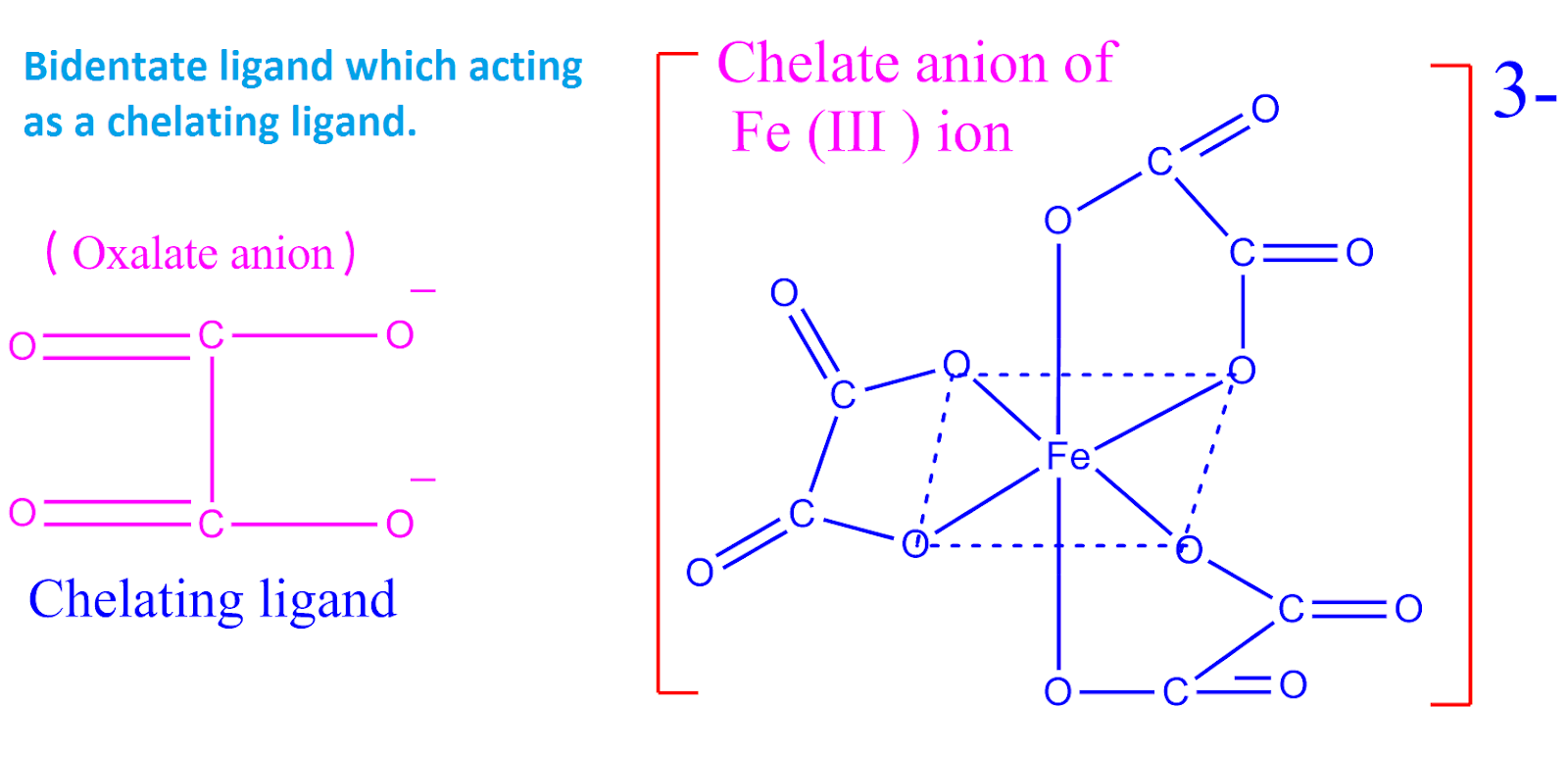
Image source: Bing (Web (fair-use with source credit))
Side-by-Side Comparison
| Method | How It Kills Dandelions | Root Kill? | Time to Visible Results | Best For |
|---|---|---|---|---|
| Iron-based herbicide | Contact lipid peroxidation | No (suppresses) | 1 to 4 hours | Pet- and kid-conscious lawns, organic programs |
| Synthetic broadleaf (2,4-D, dicamba) | Systemic hormone disruption | Yes | 7 to 14 days | Heavy infestations, full eradication |
| Hand pulling | Mechanical root removal | Yes (if whole root) | Immediate | Small patches, organic yards |
| Vinegar (acetic acid) | Contact desiccation | No | Hours | Driveways, cracks, non-turf areas |
| Corn gluten meal | Pre-emergent (root inhibitor) | Prevents seedlings | N/A | Stopping new dandelions before they sprout |
| Pelargonic acid | Contact cell disruption | No | Hours | Organic spot treatment in landscape beds |
When Iron-Based Is the Right Pick
- You have pets or kids who use the lawn daily, and you want minimal synthetic chemical exposure.
- Your municipality restricts certain herbicides (common in some Canadian provinces and US states).
- You're managing a small infestation, fewer than 20 dandelions per 1,000 sq ft, and you have time to spot-treat.
- You want fast reentry. Most iron products allow foot traffic within 4 hours of drying.
When Synthetic Broadleaf Wins
- You're fighting 50+ dandelions per 1,000 sq ft.
- You want the taproot killed, not just the leaves.
- You don't have pets or small children using the lawn during application windows.
- You're comfortable with the standard 24 to 48 hour reentry interval for products like 2,4-D.
When Hand Pulling Still Beats Both
For fewer than 10 dandelions in a small lawn, a dandelion weeding tool with a forked tip gets the full taproot in one pull. It's free, zero chemical exposure, and the root comes out intact. As of 2026, most extension services still recommend hand pulling for small infestations as the lowest-impact option.
Mistakes That Make Iron Weed Killer Fail on Dandelions
Iron herbicide looks idiot-proof on the bottle. Spray the weed, watch it die. In reality, the most common mistakes turn a 70 percent effective product into a 20 percent effective one.
Here's where things go wrong, and what to do instead.
Top Mistakes and How to Avoid Them
- Spraying in the heat of the day. Temperatures above 85°F cause the spray to evaporate before it fully absorbs, and you risk scorching the surrounding turf. Spray in the morning or evening instead.
- Skipping coverage on the leaf undersides. The cuticle is thinnest on the bottom of the leaf, and that's where uptake is fastest. Angle the nozzle to wet the whole rosette, not just the top.
- Treating drought-stressed weeds. A waxy, hardened cuticle repels spray. Water the lawn a day before application so the dandelions are turgid and absorbent.
- Using hard water in the mix. Calcium and magnesium in hard water can displace iron from the chelate, reducing effectiveness. If your water is hard, use a chelated iron product with HEDTA, which holds up better than FeDTPA in mineral-heavy water.
- Expecting one application to finish the job. Dandelion taproots have energy reserves. Plan on 2 to 4 treatments per season, spaced 2 to 4 weeks apart, with a final fall application to weaken the root before winter dormancy.
- Mixing with herbicide concentrates that raise pH. Some tank mixes shift the spray solution above pH 7, which can break down the chelate. If you're mixing iron with anything else, check the pH first.
- Letting spray dry on concrete. It stains. Rinse any drift or overspray off hardscape within minutes, not hours.
Troubleshooting Failures
| Symptom | Likely Cause | Fix |
|---|---|---|
| Leaves barely wilt, no browning | Diluted mix, drift, rain too soon | Recheck dilution ratio, reapply in 2 weeks |
| Black turf burn spots, weeds look fine | Over-application or hot weather | Water the lawn to dilute, avoid future midday sprays |
| Dandelions recovered in 2 weeks | Root not killed (expected) | Repeat application, schedule fall treatment |
| Rust stains on sidewalk | Overspray not rinsed | Pressure wash and apply oxalic acid cleaner |
When Iron Herbicide Makes Sense (and When It Doesn't)
Iron herbicide isn't a universal answer, and it isn't a gimmick either. It fills a specific niche in lawn care, and the more clearly you understand where it fits, the less frustrated you'll be with the results.
Scenarios Where Iron Herbicide Is the Right Call
- You're managing a small lawn, under 5,000 sq ft, with fewer than 30 dandelions per 1,000 sq ft. Spot-treatable territory.
- Your household includes pets, toddlers, or kids who play on the grass daily. Once the spray dries, reentry is safe.
- You live in a region with synthetic herbicide restrictions. Some Canadian provinces and US states limit 2,4-D and dicamba in residential settings.
- You're maintaining an organic program and need an OMRI-listed product.
- You need visible results within hours, not weeks, for a quick event or curb-appeal fix.
Scenarios Where It Falls Short
- A heavy infestation across the whole lawn. You'll spend more time spraying than the results justify.
- Mature dandelions with deep, established taproots. You'll need many repeat treatments, and even then, full kill is uncertain.
- Hot, dry summers. Iron herbicide performs poorly above 85°F and on drought-stressed weeds.
- Lawns with mixed weed species. Iron is broad-spectrum, so you'll kill clover and ground ivy too, whether you want to or not.
- Proximity to concrete, stone patios, or decorative rock. Overspray stains are tough to reverse.
A Quick Decision Check
Ask yourself three questions before you reach for the bottle:
- How many dandelions are we talking? Under 30 per 1,000 sq ft makes spot-treating practical. Over 100, consider a systemic broadleaf herbicide instead.
- Are kids or pets on the lawn every day? If yes, iron herbicide is a low-exposure option. If no, synthetic broadleaf products deliver more reliable root kill.
- Are you prepared to repeat? If you're willing to treat 2 to 4 times per season, iron herbicide will gradually weaken the taproot. If you want one-and-done, choose a systemic product.
Safety, Timing, and Long-Term Dandelion Management
Using iron herbicide safely isn't complicated, but the details matter. Most product labels are written for applicators who already know what they're doing, which means the small print often gets ignored. Here's what the labels actually say, and what experienced turf managers look for.
Personal and Environmental Safety
- Wear gloves and eye protection when mixing concentrate. Chelated iron can irritate skin and eyes on contact.
- Avoid spraying on windy days. Drift can stain siding, fencing, and outdoor furniture, and you don't want it on desirable ornamentals.
- Keep the spray out of storm drains and gutters. Even OMRI-listed products shouldn't enter waterways in concentrated form.
- Store concentrate in original container, away from children and pets. Shelf life is typically 1 to 2 years if sealed.
Timing for Maximum Taproot Stress
Iron herbicide works on the leaves, but timing your applications around the dandelion's growth cycle makes each treatment more effective. The plant is most vulnerable when it's moving energy into the root.
| Timing | Plant Activity | Why It Helps |
|---|---|---|
| Early spring (rosette stage) | Top growth just emerging | Small plants, full coverage, easy kill of leaves |
| Pre-bloom (before flowers open) | Plant pushing energy upward | Catching it before energy is spent on flowers |
| Fall (after first frost) | Carbohydrates moving into root | Plant is weakest as it stores reserves for winter |
Fall applications are the most underrated. Per University of Maryland Extension guidance on broadleaf weed control, fall timing allows the plant to translocate surface herbicide stress into the root zone, gradually depleting reserves. It's the closest thing to a "root kill" you can get with a contact product.
Long-Term Lawn Health to Reduce Dandelion Pressure
Iron herbicide is a tool, not a strategy. The real long-term answer is a thick, competitive lawn that crowds out dandelions before they establish.
- Mow high. Set your mower at 3 to 3.5 inches. Taller grass shades the soil and blocks dandelion seed germination.
- Water deeply, infrequently. Shallow daily watering favors weeds. Deep weekly watering favors turf roots.
- Fertilize on a soil-test-driven schedule. Healthy turf outcompetes dandelions for light, water, and nutrients.
- Overseed thin areas in fall. Bare soil is a dandelion invitation.
- Spot-treat early. Catch new dandelions before they reach the bolted stage, when they're harder to cover.
Frequently Asked Questions
How long does it take for iron weed killer to kill dandelions?
Visible leaf damage shows up within 1 to 4 hours of application. Full browning and crisping takes about 24 hours. The taproot, however, usually survives and sends up new growth in 2 to 6 weeks.
Will iron-based weed killer kill dandelion roots?
No. Iron herbicide is a contact product with limited translocation. It kills the leaves and crown it touches but doesn't move into the taproot.
Repeated applications over a season are needed to deplete root reserves.
Is iron-based weed killer safe for pets and kids?
Once the spray has dried, most iron herbicide products are safe for reentry, often within 4 hours. During application, keep pets and children away from the treated area. Check your specific product label for its reentry interval.
Can I use iron weed killer on my whole lawn?
Only if you want to risk temporary turf darkening. Broadcast application of iron herbicide can blacken grass tips and leave visible streaks. Spot-treating individual weeds is the safer approach for residential lawns.
Does rain wash iron weed killer off dandelions?
Yes, if it rains before the spray has dried and absorbed. Most products need 3 to 6 hours of rainfast time to do their job. Check the label for your specific formulation, since rainfast periods vary.
How often should I reapply iron weed killer on dandelions?
Plan on 2 to 4 treatments per growing season, spaced 2 to 4 weeks apart. Add a fall application to weaken taproots before winter dormancy. As of 2026, most extension services still recommend repeat treatments rather than a single seasonal spray.
🌾 Agronomist Recommended: Pre-Emergent & Weed Control Supplies
To prevent weed breakthroughs and protect desirable turfgrass from foliar injury, our agronomy field trials recommend calibrated pre-emergents and non-ionic surfactants:
- Professional Pre-Emergent:Check Prodiamine 65 WDG Pre-Emergent on Amazon →
- Non-Ionic Spray Surfactant:Check Non-Ionic Foliar Surfactants on Amazon →
*FTC Disclosure: As an Amazon Associate, Totally Green Lawn earns from qualifying purchases.*

Similar Posts