How Long Does Grass Seed Take to Germinate? Full Timeline
Lead Turfgrass & Lawn Care Specialist at Totally Green Lawn · Certified Turfgrass Specialist (CTS), Master Gardener, B.S. in Agronomy & Turf Science · 14+ years in residential turf management, organic fertilization, and weed science
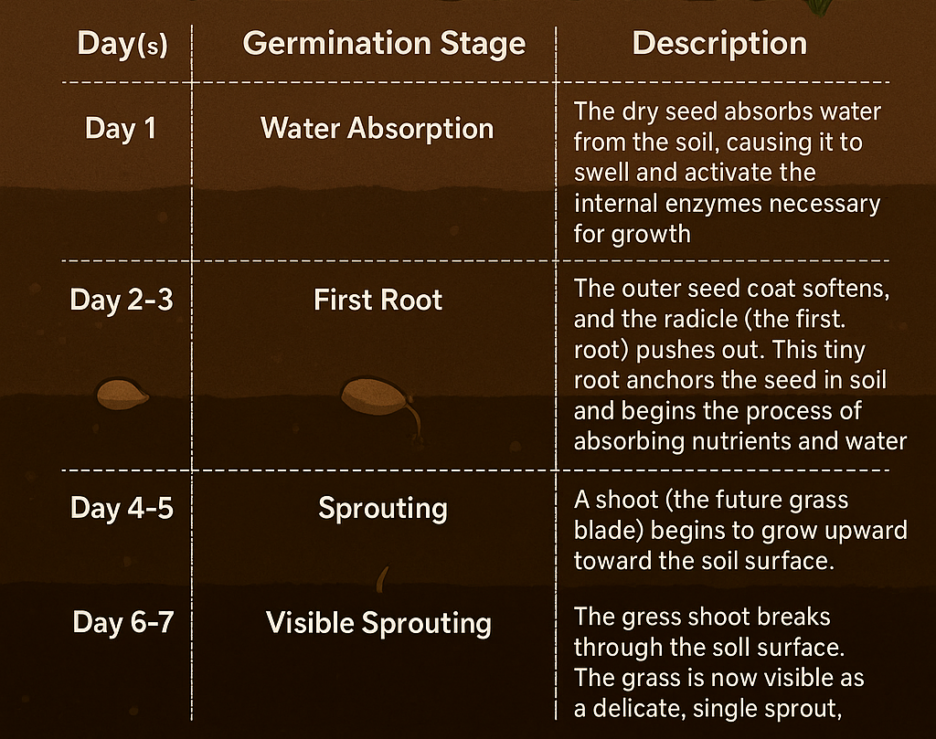
Image source: Bing (Web (fair-use with source credit))
You spread the seed, watered it in, and now you're staring at bare dirt wondering when the magic happens. The honest answer to how long does grass seed take to germinate is that it depends entirely on the type of grass you're planting, the soil temperature, and how consistently you water. Most cool-season grasses show green shoots within 7 to 14 days, while some warm-season varieties can take a full three weeks or more before you see anything at all.
Here's what catches most people off guard: germination is a range, not a single day. Per seed label laws, every bag lists a "germination percentage" that's measured under lab conditions, so real-world results almost always run slower than the bag suggests. As of 2026, university extension services still recommend planning for a 14 to 30 day window depending on species, with soil temperature being the single biggest variable.
Once you understand the timeline your specific grass runs on, the waiting game gets a whole lot easier.
Quick Answer
Most grass seed germinates within 7 to 21 days. Ryegrass is fastest at 5 to 10 days. Kentucky bluegrass and Bermuda take 14 to 30 days.
Soil temperature, watering, and seed age all shift the timeline.
Germination Timelines: What to Expect by Grass Type
Not all grass seed runs on the same clock. Cool-season grasses and warm-season grasses germinate at completely different speeds, and even within those groups, there's a wide spread. If you planted a blend (which most bags are), expect the fastest variety to pop first and the slowest to fill in last.
Here's how the major types stack up, based on seed label data and university extension guidance:
| Grass Type | Typical Germination Window | Optimal Soil Temp | Notes |
|---|---|---|---|
| Perennial ryegrass | 5 to 10 days | 50 to 65°F | Fastest sprouter, often used in blends for quick cover |
| Tall fescue | 7 to 14 days | 55 to 70°F | Tolerant of heat and drought once established |
| Fine fescue | 7 to 14 days | 50 to 65°F | Shade-loving, slower to fill in densely |
| Kentucky bluegrass | 14 to 30 days | 60 to 75°F | Spreads via rhizomes, slowest cool-season starter |
| Bermuda grass | 7 to 21 days | 65 to 80°F | Aggressive warm-season grower |
| Zoysia grass | 14 to 21 days | 70 to 85°F | Dense, slow to establish from seed |
| Bahiagrass | 14 to 28 days | 70 to 85°F | Low-maintenance, low germination rate |
| Centipede grass | 14 to 28 days | 70 to 85°F | Tends to have low viability in seed form |
A few things worth knowing. Ryegrass is the "germination guarantee" grass, since it sprouts so fast that it gives quick cover while slower varieties catch up. Kentucky bluegrass has a notoriously long and uneven germination window, so don't panic if you see bare patches at day 14.
Warm-season grasses planted in cool soil will simply sit there doing nothing until temps rise.
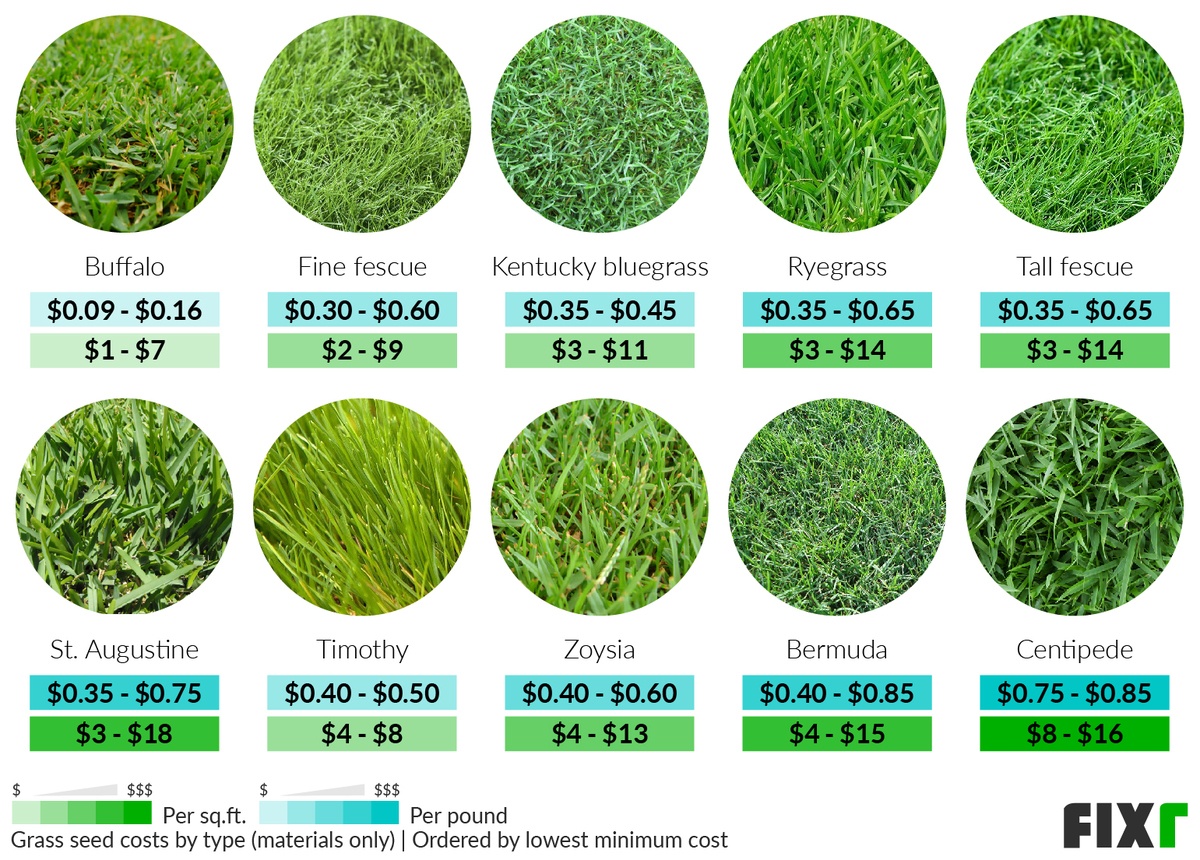
Image source: Bing (Web (fair-use with source credit))
What Actually Controls How Fast Grass Seed Sprouts
The seed itself doesn't decide when to wake up. You do, through the conditions you create. Three variables matter more than anything else, and getting any one of them wrong will either slow germination to a crawl or stop it entirely.
Soil temperature is the master switch. Grass seed won't germinate below a certain threshold, no matter how perfectly you water it. Per USDA and university extension research, most cool-season grasses need soil temps above 50°F, and warm-season grasses need 65°F or higher.
If you spread seed in early spring when daytime air feels warm but the soil is still cold from winter, you're just feeding the birds.
Moisture has to be consistent, not heavy. The seed needs to stay damp the entire time it's sprouting. That means light watering once or twice a day, not one deep soak that sits and rots the seed.
The top inch of soil should never dry out completely during the germination window. Once you see green shoots, you can back off slightly.
Seed-to-soil contact is the third piece. Seed sitting on top of dead thatch or loose straw dries out fast and never gets the moisture signal to trigger germination. Raking seed into the top quarter inch of soil, or rolling it with a light lawn roller, makes a huge difference.
There's also seed age, which most people overlook. Grass seed loses viability over time. A bag from this season will outperform a bag that's been sitting in your garage for three years, even if the label date says otherwise.
Germination rates drop 10 to 20% per year in typical storage conditions.
Speeding Things Up or Slowing Them Down: Real Factors That Shift the Timeline
If your seed is running slow, or you just want to compress the window as much as possible, here's where to focus. These are the levers that actually move the needle, based on what cooperative extension services recommend.
Watering frequency is the easiest one to fix. Light watering two to three times per day for the first two weeks keeps the seed moist without drowning it. Drop to once daily once you see consistent germination, then taper over the following two weeks as the roots push deeper.
Soil temperature can be manipulated in smaller areas. A thin layer of straw or peat moss over the seed bed acts like a blanket, holding warmth and moisture. In cool shoulder seasons, this can shave several days off the germination window.
Just make sure it's a light layer, not a thick mat that blocks sunlight.
Seed coating matters more than most homeowners realize. Coated seeds (sometimes called "water smart" or "germination enhanced") have a treatment that helps retain moisture around the seed. They germinate faster and more uniformly in marginal conditions.
The trade-off is that coated seed weighs more, so you're getting less actual seed per pound.
One thing to avoid: pre-emergent herbicide. If you've applied a crabgrass preventer in the last 8 to 12 weeks, it will block your grass seed from germinating right along with the weeds. Check your herbicide label for "seeding interval" before you spread anything.
What Went Wrong: Common Reasons Grass Seed Never Sprouts (and How to Fix It)
You waited three weeks, watered faithfully, and still see bare dirt. This is the most common frustration with new lawns, and the cause is almost always one of a handful of fixable issues.
Seed planted too deep won't make it. More than half an inch of soil over the seed, and many varieties run out of energy before they reach the surface. Aim for a quarter inch or less, with the seed ideally sitting at the surface and just barely covered.
Soil crusting is a sneaky problem, especially in clay-heavy soils. When you water and the surface dries, a hard crust forms that physically blocks the seedling from emerging. A light raking to break up the crust, or topdressing with a fine compost, prevents this.
Birds can wipe out a freshly seeded lawn in a weekend. The fix is either a light straw cover (which also holds moisture) or bird netting over high-value areas. In our research, uncovered seed in open areas loses 20 to 40% to birds within the first week.
Old or improperly stored seed is another silent killer. If your seed has been in a hot garage or shed for two seasons, the germination rate has likely crashed. You can do a simple viability test: spread 50 seeds on a damp paper towel, cover it, and check in 10 days.
If fewer than 35 sprout, the seed is past its prime.
Finally, if you mowed too soon or walked heavily on the new seedlings, you may have crushed them before they had a chance to root. Stay off the new lawn until it's been mowed two or three times.
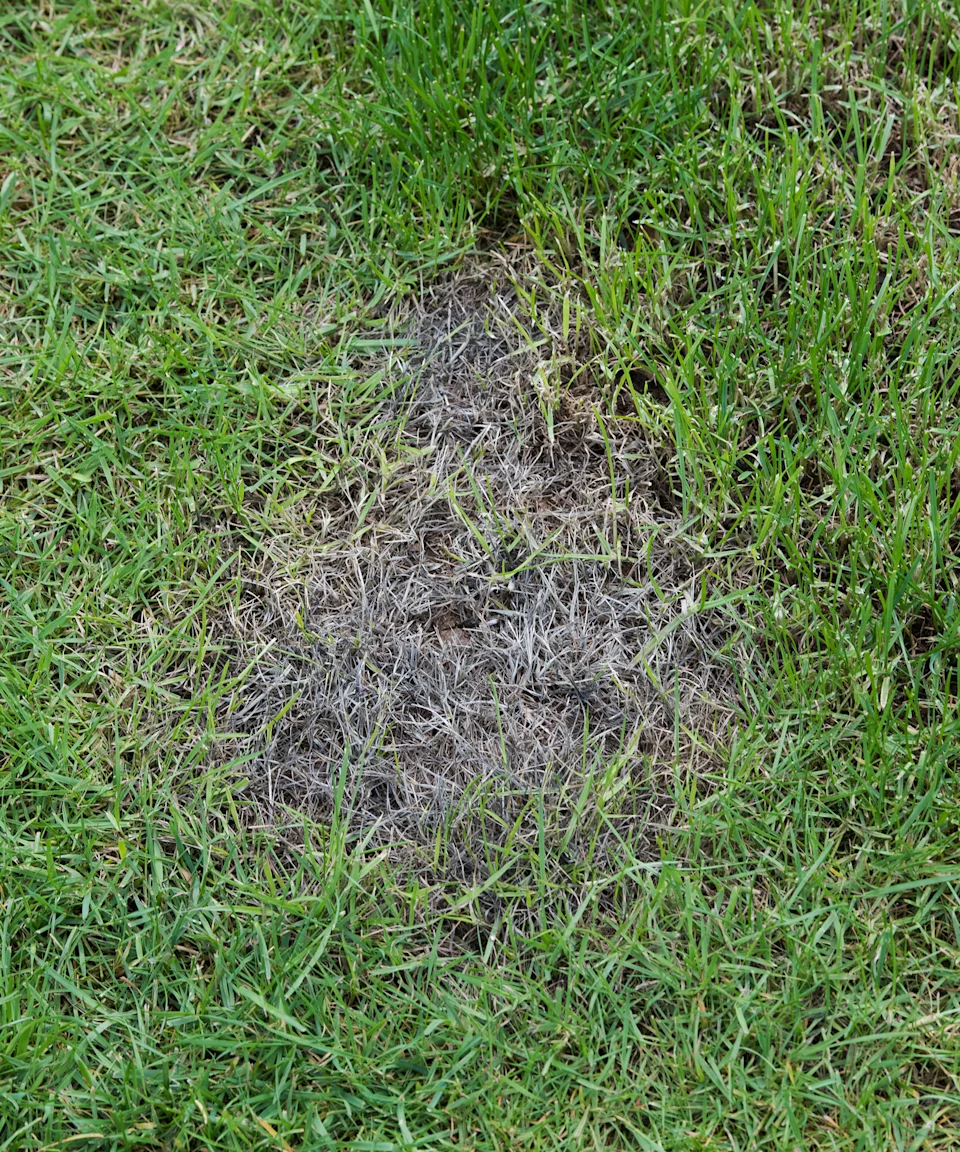
Image source: Bing (Web (fair-use with source credit))
Day-by-Day Care After You Spread the Seed
The first two weeks after seeding matter more than anything else you do for the lawn. Get this window right, and the rest is mostly patience. Get it wrong, and you're starting over in fall.
Days 1 through 7 are all about moisture. Water lightly two to three times a day, just enough to keep the top inch of soil damp. Early morning and late afternoon are ideal.
Avoid heavy evening watering that leaves the seed sitting in cold, wet soil overnight, which invites fungal issues like damping off.
Days 7 through 14 are when you'll start seeing the first green shoots, especially if you planted ryegrass or tall fescue. Keep the same watering schedule going. Don't switch to deeper, less frequent watering yet.
The roots are still tiny, barely an inch deep, and they can't reach moisture further down.
Days 14 through 21 are the transition phase. You'll see patchy fill-in, with slower varieties like Kentucky bluegrass still waking up. Start reducing watering frequency.
Move to once daily, then every other day, encouraging the roots to chase moisture downward.
By day 21 to 30, the new grass should be ready for its first mow, once it hits about three to four inches tall. Cut it tall, at three inches or so, and use a sharp blade. Dull blades tear young grass and open the door to disease.
One more thing: stay off it. New seedlings are fragile. A single footprint can compress the soil and smother the grass beneath it.
Keep foot traffic, kids, and pets off the new lawn until it's been mowed at least twice.
Real-World Scenarios: Timelines for New Lawns, Overseeding, and Patch Repairs
The germination window shifts depending on what you're actually trying to do. Here's how the timelines look in the three most common situations homeowners face.
Starting a new lawn from bare soil is the longest project. You're waiting on every seed to sprout, then watching the lawn fill in over the following six to eight weeks. If you're using a blend with Kentucky bluegrass, expect a fully filled-in lawn in about 10 to 12 weeks.
A ryegrass-heavy blend can look established in four to five weeks, though it may not be as durable long term.
Overseeding an existing lawn is faster, because you're not starting from zero. The existing grass shades the soil and holds moisture, which speeds things up. Most overseeding projects show strong results in two to three weeks, with the new grass blending into the existing turf by week four.
Fall is the best time, when soil is warm but air temps are cooler, and weeds are less competitive.
Patch repair for bare spots is the quickest turnaround. Small patches often sprout within a week if conditions are right. The trick is keeping the patch area consistently moist, since surrounding grass tends to wick moisture away.
A light layer of straw or compost over the patch holds humidity in and dramatically improves results.
Hydroseeding falls somewhere in the middle. The slurry contains seed, mulch, and tackifier, which holds moisture against the seed. Germination typically happens a few days faster than dry seeding because of the constant contact with moisture.
Expect green shoots in five to seven days for ryegrass blends, and a fully established lawn in six to eight weeks.
Dormant seeding in late winter is a different beast. You spread seed when it's too cold to germinate, and the seed waits in the soil until spring temperatures trigger growth. It works, but you'll see germination delayed until soil temps rise, often eight to twelve weeks after you spread it.
Grass Seed Germination FAQs
Can grass seed germinate in 3 days?
Only perennial ryegrass under near-perfect conditions. Soil temps in the 65 to 75°F range with constant moisture can produce visible shoots in as little as three to five days. Most other varieties take at least a week.
How often should I water new grass seed?
Two to three light waterings per day for the first two weeks. Keep the top inch of soil consistently moist, not soggy. Drop to once daily once you see uniform germination, then taper as the grass matures.
Does grass seed need full sun to germinate?
No. Germination happens in the soil, so light isn't required for the seed itself. However, the new seedlings need sunlight within days of emerging.
Seed planted in deep shade will germinate but often thin out and die.
Why is my grass seed not germinating after 3 weeks?
The most common causes are cold soil, inconsistent watering, old seed with low viability, or seed planted too deep. Test a few seeds with a damp paper towel viability check. Check soil temp with a probe thermometer.
Both should run before you reseed.
Can you put too much grass seed down?
Yes. Overcrowded seedlings compete for water and nutrients, producing weak, spindly grass. Stick to the recommended seeding rate on the bag, typically 2 to 4 pounds per 1,000 square feet for most cool-season blends.
When can I mow new grass for the first time?
Wait until the new grass reaches about three to four inches tall, usually three to four weeks after germination. Cut high, at three inches, and never remove more than a third of the blade at once.
🚜 Agronomist Recommended: Dethatching & Disease Management Tools
Combat thatch suffocating your turf and stop rapid fungal spread with tested maintenance equipment and systemic fungicides:
- Electric Power Dethatcher & Scarifier:Check Electric Dethatchers & Scarifiers on Amazon →
- Broad-Spectrum Systemic Fungicide:Check Scotts DiseaseEx Lawn Fungicide on Amazon →
*FTC Disclosure: As an Amazon Associate, Totally Green Lawn earns from qualifying purchases.*

Similar Posts