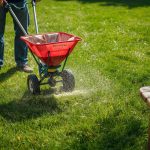
Mix Mycorrhizae with Grass Seed: A Simple Pre-Spread Guide
Lead Turfgrass & Lawn Care Specialist at Totally Green Lawn · Certified Turfgrass Specialist (CTS), Master Gardener, B.S. in Agronomy & Turf Science · 14+ years in residential turf management, organic fertilization, and weed science
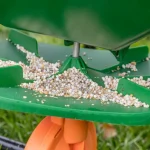
If you're wondering how to mix mycorrhizae with grass seed before spreading, the short answer is yes, you can do it, and it works best when you coat the seed just before you broadcast. Mycorrhizal inoculants are dormant fungal spores that wake up once they're near living roots, so the closer you can park them to each seed, the faster colonization happens.
Most granular or powder products are designed to physically cling to seed coats, and manufacturer specs typically call for use within 24 to 48 hours of mixing for best viability. Soil temperature matters more than air temperature here, so wait until your ground is consistently above 50°F (10°C) at a 4-inch depth. Get that right, and the rest of the job is just clean mixing and fast coverage.
As of 2026, university extension services still recommend fall application for cool-season lawns and late spring for warm-season grasses, since seedling roots need time to establish before summer stress hits.
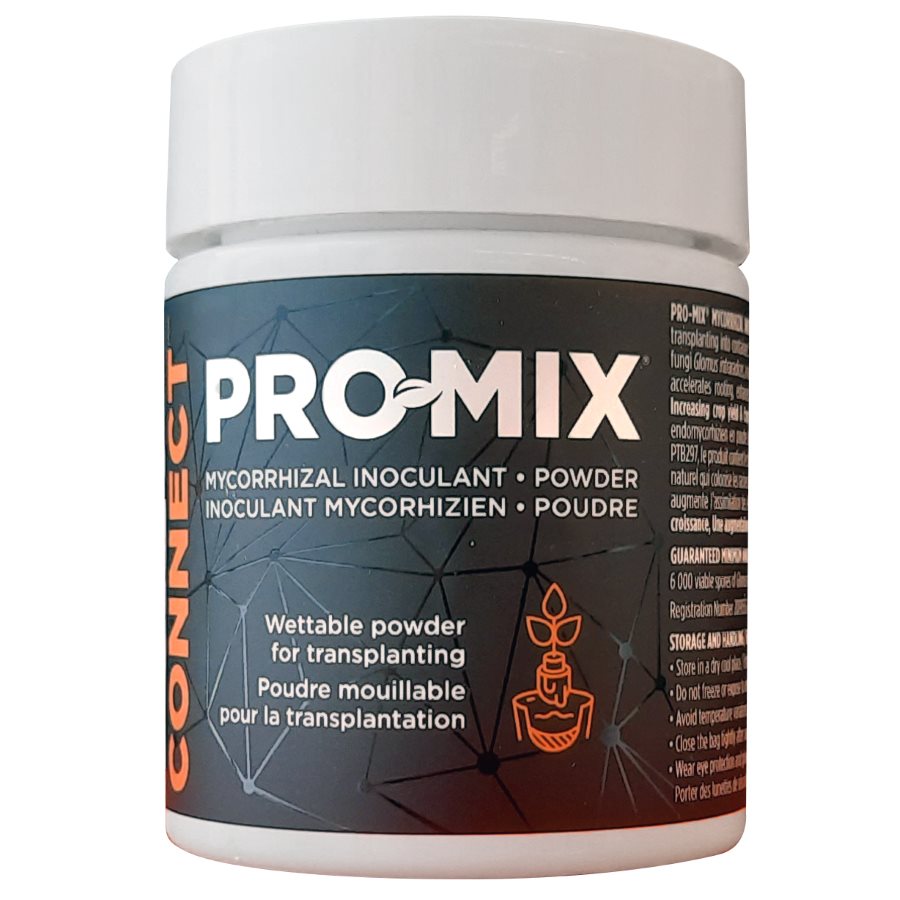
Image source: Bing (Web (fair-use with source credit))
Quick Answer
Yes, you can mix mycorrhizae with grass seed before spreading. Use a powder or granular inoculant at the rate on the label, coat the seed in a clean bucket, and spread within 24 hours. Keep the mix out of direct sun.
Water lightly right after spreading so spores reach moist soil.
How Mycorrhizae Actually Work With Grass Seed
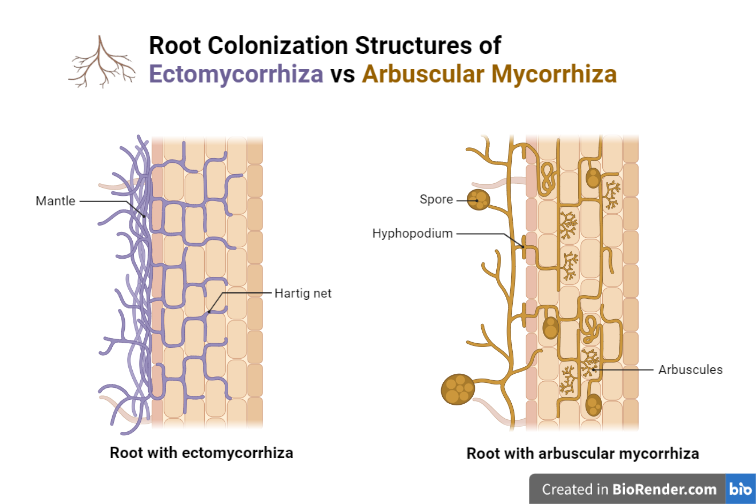
Mycorrhizae are beneficial fungi that form a symbiotic relationship with plant roots. For turfgrass, the relevant group is arbuscular mycorrhizal fungi (AMF), which penetrate root cells and extend thin fungal threads (hyphae) far out into the soil. Those hyphae act like a second root system, pulling in water and nutrients the grass couldn't reach on its own.
The trade is fair. The grass feeds the fungus sugars from photosynthesis, and the fungus hands back phosphorus, zinc, copper, and moisture. In return, you get faster root development, better drought tolerance, and reduced fertilizer needs once the lawn is established.
A few details that catch people off guard:
- AMF only colonize living roots, so the spores sit dormant until a seed germinates nearby.
- Colonization takes 2 to 4 weeks under good soil moisture and temperature.
- High phosphorus levels in starter fertilizer can actually suppress colonization, since the grass no longer needs the fungus to find P.
- Most inoculants contain multiple species (Rhizophagus, Glomus, Funneliformis) for broader compatibility across turf types.
This is why timing and placement matter so much. You're not "feeding" the lawn. You're introducing a living partner that needs roots to activate.
What to Check Before You Mix (Condition Variables)
Before you open that bag of inoculant, run through these condition checks. Each one changes which mixing method you should use.
Soil Temperature and Timing
Soil at 4 inches deep should read above 50°F (10°C) consistently for at least a week. Cooler soil slows germination, which means spores sit unused and lose viability. Warmer soil (60 to 75°F) is the sweet spot for both seed and fungus.
Existing Soil Condition
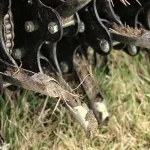
Compacted clay, hydrophobic sandy soil, or soil stripped of organic matter will fight you. Mycorrhizae help, but they don't perform miracles in dead dirt. If your soil is heavy clay or hardpan, core aerate first or topdress with 1/4 inch of compost before seeding.
Per the USDA NRCS soil health guidance, healthy microbial activity starts with aggregate stability and organic matter, both of which mycorrhizae support over time.
Recent Chemical Use
Systemic fungicides (especially those containing mefenoxam, fosetyl-Al, or thiophanate-methyl) can persist in soil for weeks and kill spores on contact. If you've applied a fungicide in the last 30 to 60 days, either wait or use a higher spore count product. The same goes for high-phosphorus starter fertilizer applied in the past 2 weeks.
Spread Type and Lawn Goal
| Scenario | Best Inoculant Form | Mixing Method |
|---|---|---|
| Bare soil, new lawn | Powder with high spore count | Slurry or dry coat |
| Overseeding thin lawn | Granular carrier blend | Dry coat in spreader |
| Patch repair | Powder (small batch) | Slurry in hand |
| Sloped or erosion-prone area | Granular with tackifier | Dry coat, water immediately |
Pick the row that matches your situation. That choice drives everything in the next section.
The Mixing Method: Dry Coat vs. Slurry (Decision Branch)
There's no single "right" way to mix. Use the decision branch below.
If you're using a granular inoculant (pre-mixed with a carrier like calcined clay or vermiculite), go with the dry coat method. Pour seed and granules into a clean bucket at roughly a 4:1 seed-to-inoculant ratio by volume (always defer to the product label). Tumble gently for 30 to 60 seconds until every seed looks lightly dusted.
The granules' weight helps them stick to seed coats without crushing the seed.
If you're using a powder inoculant (pure spore concentrate), use the slurry method for smaller batches or the dry coat method for larger ones. For slurry, mix 1 to 2 ounces of powder with about 1 cup of dechlorinated water per pound of seed. Stir until it forms a thin paint, drizzle over seed in a bucket, and stir again to coat.
Spread immediately.
Critical rule for both methods: do not let chlorinated tap water sit on spores. Municipal chlorine kills them on contact. Use rainwater, well water, or let tap water sit uncovered for 24 hours before mixing.
If your spreader is a drop type (not a broadcast), lean toward granular. Powder-coated seed can clump and jam drop mechanisms. If you only have powder, sieve it through a fine mesh before mixing so no lumps survive.
If you're seeding a large area (over 2,000 sq ft), split into smaller batches. A 5-gallon bucket mixes more evenly than a wheelbarrow, and you can dump each batch into the spreader as you go.
| Method | Best For | Water Needed | Time to Spread |
|---|---|---|---|
| Dry coat (granular) | Large areas, drop spreaders | No | Within 24 hours |
| Dry coat (powder) | Medium areas, broadcast spreaders | No | Within 24 hours |
| Slurry | Small patches, repair spots | Yes (dechlorinated) | Within 2 to 4 hours |
Use the method that matches your spreader, area, and water access. Don't try to force one approach when conditions favor another.
Step-by-Step: Mixing, Spreading, and Watering In
Here's the full workflow, start to finish. Work in the shade if you can. Spores don't love UV.
Step 1: Prep the Area
Mow existing grass short (about 1.5 inches). Rake out dead material and break up the soil surface with a stiff rake. If you're starting on bare soil, lightly roughen the top 1/4 inch so seed has something to grip.
Step 2: Calculate Your Seed and Inoculant
Measure the lawn area. Most turf seed bags list coverage at a specific rate (typically 2 to 5 lbs per 1,000 sq ft). Multiply by your square footage, then check the inoculant label for the matching application rate.
Standard powder doses run 1 to 2 oz per 1,000 sq ft.
Step 3: Mix in a Clean Bucket
Pour half your seed into a 5-gallon bucket. Add half your inoculant. Cap the bucket and roll it gently for 30 seconds, or stir with a stick.
Add the rest and repeat. You want every seed lightly dusted, not buried.
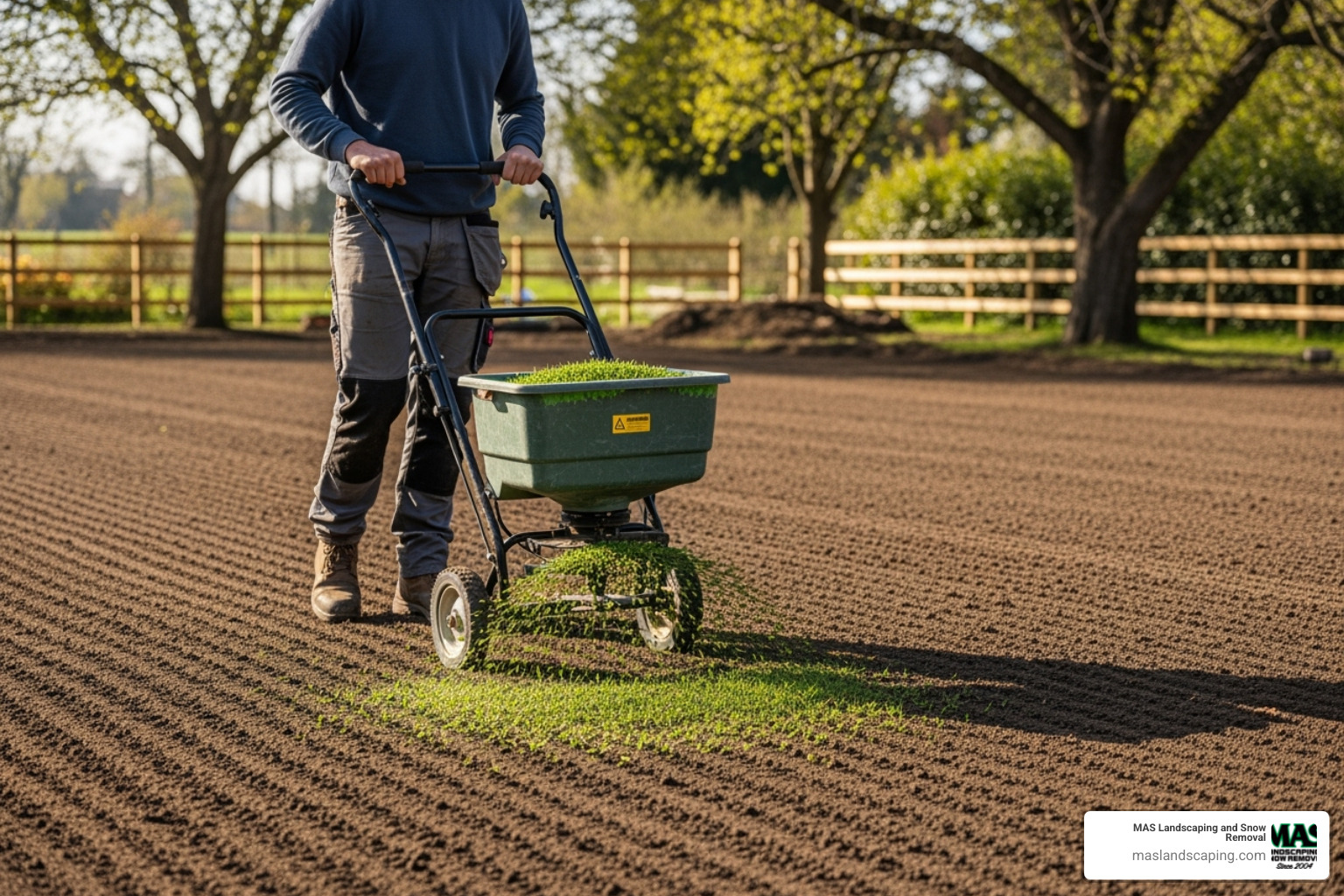
Step 4: Load and Spread
Fill your spreader over a tarp so you can catch spills. Set the spreader to half the recommended seeding rate and walk the area in two directions (north-south, then east-west). This gives even coverage and prevents stripe patterns.
If you have a spreader that resists powder, switch to a broadcast model or use granules instead.
Step 5: Lightly Rake and Roll
Drag the back of a leaf rake across the area to knock seed into soil contact. For larger lawns, a water-filled lawn roller works, but keep it light. You're not pressing seed deep, just firming contact.
Step 6: Water In
Water immediately with a fine mist. Soak the top 1 to 2 inches of soil, but avoid runoff. For the next 10 to 14 days, water 2 to 3 times daily in short cycles (5 to 10 minutes each).
The goal is constant surface moisture without puddles.
Step 7: Delay Fertilizer
If you want mycorrhizae to colonize, hold off on phosphorus-heavy starter fertilizer for at least 14 to 21 days. A light nitrogen source (starter with low P, or compost tea) is fine. Per the University of Maryland Extension's turf establishment guidance, excess phosphorus at seeding actually reduces mycorrhizal benefit by making the symbiosis unnecessary.
Mistakes That Kill Your Mycorrhizae Before They Work
Even with the right product, a few common errors can wipe out your spores before they ever reach a root. Here's what to watch for.
Mixing Too Far in Advance
Spore viability drops the longer the mix sits. Once seed is coated, the clock is running. Aim to spread within 24 hours for dry mixes and 2 to 4 hours for slurries.
Anything older and you're wasting product.
Using Chlorinated Water
Municipal tap water contains chlorine or chloramine, both of which kill fungal spores on contact. If you must use tap water, let it sit uncovered for 24 hours to off-gas the chlorine, or run it through an activated carbon filter. Rainwater and well water are safer bets.
Applying in Direct Sunlight
UV light degrades spores fast. Mix and spread in the early morning, late afternoon, or on overcast days. If you can't avoid midday, work in a shaded area and seed immediately after coating.
Pairing With High-Phosphorus Starter Fertilizer
Starter fertilizers with a high middle number (P) actually discourage colonization. The grass no longer needs the fungus to find phosphorus, so it stops signaling the spores. Wait 14 to 21 days before applying P-heavy products, or use a low-P nitrogen source instead.
Skipping Soil Moisture
Spores need moisture to germinate and reach roots. If you spread on dry soil and walk away, they'll desiccate within hours. Water before, during, and after application to keep the top 1 to 2 inches consistently damp.
Spreading on Fungicide-Treated Soil
Systemic fungicides can persist for weeks. If you've applied a product containing mefenoxam, fosetyl-Al, or thiophanate-methyl in the last 30 to 60 days, delay seeding. Per Penn State Extension's turf disease management guide, these chemistries suppress not just pathogens but beneficial fungi as well.
Pro Tips, Timing, and Long-Term Results
Once you've got the basics down, these tips separate a good result from a great one.
Match the Inoculant to Your Turf Type
Cool-season grasses like Kentucky bluegrass, perennial ryegrass, and tall fescue all respond well to AMF mixes. Warm-season grasses such as Bermuda and Zoysia also benefit, but colonization rates can vary by cultivar. If you're unsure, choose a multi-species product (Rhizophagus intraradices, Funneliformis mosseae, Glomus aggregatum) for broader compatibility.
Don't Overapply
More spores don't equal faster results. Studies show colonization plateaus once spores reach a critical density per root. Sticking to label rates (usually 1 to 2 oz powder per 1,000 sq ft) is the sweet spot.
Overapplication just wastes money.
Time Your Seeding With Seasonal Stress in Mind
For cool-season lawns, early fall is king. Soil is warm, air is cool, and weeds are fading. For warm-season lawns, late spring once soil temps hit 65°F is ideal.
Avoid seeding right before summer heat or winter dormancy. Seedlings need 4 to 6 weeks of active growth before stress hits.
Expect Visible Results in 4 to 8 Weeks
You won't see much above ground for the first few weeks. Below ground, the fungus is colonizing roots and extending hyphae. By week 4 to 6, you should notice deeper green color and thicker growth.
By week 8, drought tolerance and reduced watering needs become obvious.
Reduce Long-Term Fertilizer Inputs
Once AMF is established, you can typically cut phosphorus applications by 25 to 50% without seeing deficiency. The fungus handles the heavy lifting. Many homeowners shift to a low-N, low-P, higher-K fertilizer after the first year.
Reapply Only If Soil Has Been Disturbed
AMF persists in soil for years once established. You don't need to re-inoculate annually. The exception is if you've done major grading, applied fungicide, or solarized the soil.
In those cases, reapply at seeding.
| Time After Seeding | What's Happening Below Ground | What You See Above Ground |
|---|---|---|
| 0 to 2 weeks | Spores germinating, seeking root exudates | Seed germinating, tiny shoots |
| 2 to 4 weeks | Hyphae penetrating root cells | Seedlings 2 to 3 inches tall |
| 4 to 8 weeks | Full colonization, nutrient exchange active | Thicker, greener growth |
| 8 to 12 weeks | Mature network, drought resilience kicking in | Reduced watering need |
Frequently Asked Questions
How long does mycorrhizae take to work on grass?
Mycorrhizae begin colonizing roots within 2 to 4 weeks under good soil conditions. Visible benefits, like deeper color and improved drought tolerance, typically show up between 4 and 8 weeks after seeding.
Can I mix mycorrhizae with starter fertilizer?
Avoid mixing mycorrhizae directly with high-phosphorus starter fertilizer. High P levels suppress colonization. If you need starter fertilizer, use a low-P nitrogen source and apply it 14 to 21 days after seeding.
Should I use granular or powder mycorrhizae with grass seed?
Granular inoculants work best for large areas and drop spreaders. Powder inoculants are ideal for smaller patches, slurry mixes, or when you want a higher spore concentration. Both work if applied correctly.
Do mycorrhizae need to be watered in after spreading?
Yes. Spores need consistent moisture to germinate and reach roots. Water immediately after spreading, then keep the top 1 to 2 inches of soil damp for 10 to 14 days with light, frequent watering.
Will mycorrhizae survive winter or hot summer?
Established AMF networks persist through winter and summer dormancy. Spores go dormant when conditions turn hostile and reactivate when soil warms and moisture returns. That's why fall seeding works so well for cool-season grasses.
Can I use too much mycorrhizae on my lawn?
Overapplying doesn't speed up colonization and wastes product. Stick to the manufacturer's recommended rate, usually 1 to 2 oz of powder per 1,000 sq ft. More isn't better in this case.
🚜 Agronomist Recommended: Dethatching & Disease Management Tools
Combat thatch suffocating your turf and stop rapid fungal spread with tested maintenance equipment and systemic fungicides:
- Electric Power Dethatcher & Scarifier:Check Electric Dethatchers & Scarifiers on Amazon →
- Broad-Spectrum Systemic Fungicide:Check Scotts DiseaseEx Lawn Fungicide on Amazon →
*FTC Disclosure: As an Amazon Associate, Totally Green Lawn earns from qualifying purchases.*

Similar Posts