Grow a Lush Oceanfront Lawn Despite Salt Spray
Lead Turfgrass & Lawn Care Specialist at Totally Green Lawn · Certified Turfgrass Specialist (CTS), Master Gardener, B.S. in Agronomy & Turf Science · 14+ years in residential turf management, organic fertilization, and weed science
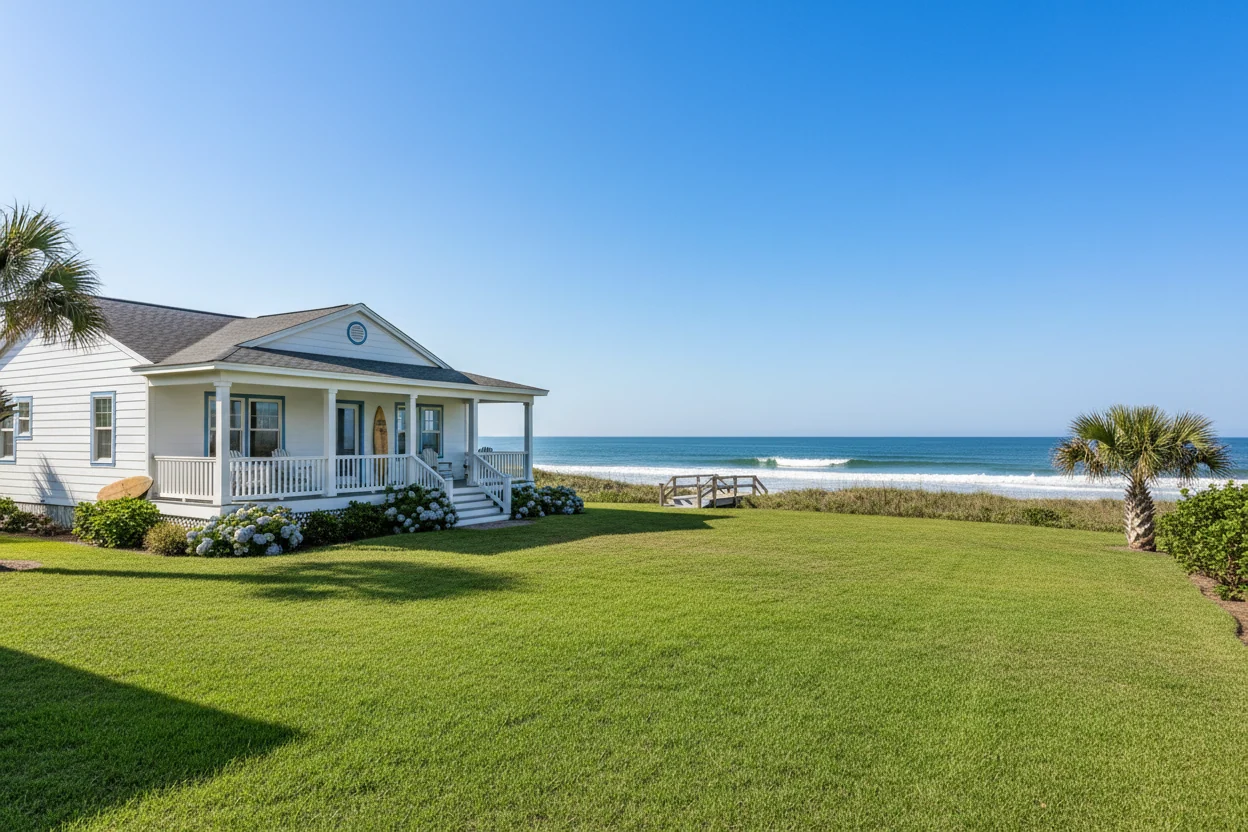
If you've ever stood on an oceanfront lawn and watched the tips turn brown within a week, you already know the problem. Salt spray doesn't just dry the leaves. It slowly poisons the soil and breaks down the structure that grass roots depend on.
Here's the truth, though: you absolutely can have a lush lawn near the ocean with salt spray, and as of 2026 the turf industry has cultivars rated to handle root-zone salinity up to 30 dS/m. The trick is matching the grass to your exact exposure zone, prepping the soil to push salts below the root zone, and using a maintenance rhythm that flushes rather than feeds the buildup. Let's walk through the decision tree that makes it actually work.
Quick Answer
To grow a lush lawn near the ocean with salt spray, choose a halophytic grass such as seashore paspalum or a salt-tolerant Bermuda. Test your soil's ECe and apply gypsum if sodium is high. Plant in late spring, leach the soil monthly with fresh water, and rinse foliage after heavy spray.
What Living So Close to the Ocean Does to Your Lawn
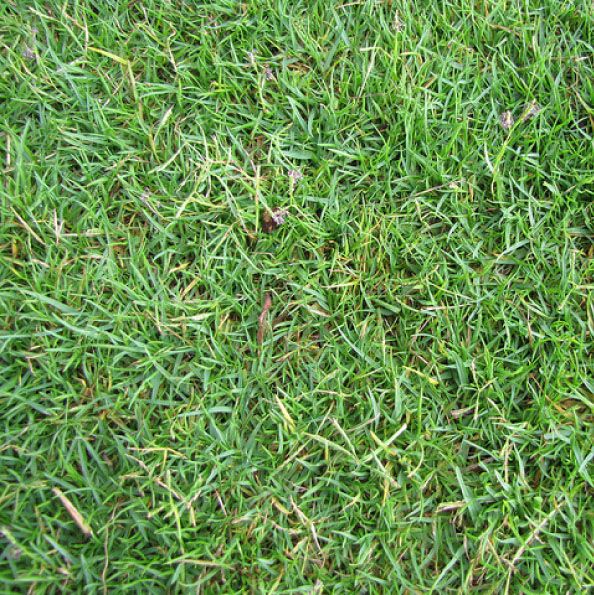
The damage you see above ground is only half the story. Salt spray hits the leaf blades first, drawing moisture out and leaving those telltale brown tips. But the more stubborn problem is what's happening below the surface.
Sea air carries microscopic salt particles that settle onto your soil after every onshore breeze. Over months, sodium binds to soil particles and destroys the structure grass roots need. Water stops moving through the profile.
Air pockets collapse. Roots suffocate even when there's plenty of moisture.
Then there's the chloride, which is genuinely toxic to most turfgrass roots at concentrations above roughly 350 ppm in the soil water. Chloride doesn't bind to soil, so it travels straight to the root tip and burns it from the inside.
You'll notice three patterns on a struggling coastal lawn:
- Burned leaf tips on the windward side, often worse the first 50 feet from the dune line
- Patchy thinning in low spots where salt-laden water collects after rain
- Hard, crusted soil that sheds irrigation instead of absorbing it
The good news is that none of this is a death sentence. You just have to approach the lawn as a system, not a patch of dirt.
Find Your Exposure Zone: The First Real Decision
Before you pick a grass, a fertilizer, or even a sod supplier, you need to know how much punishment your lawn actually takes. We call this your exposure zone, and it changes everything that comes after.
How Far Are You From the High Tide Line?
Distance matters more than almost any other variable. Salt spray concentration drops off fast as you move inland, but it never goes to zero.
- 0, 50 feet (Direct Spray Zone): Expect daily salt deposition. This is brutal for any maintained turf. Native dune vegetation or a hardscape buffer usually wins here.
- 50, 150 feet (Heavy Spray Zone): Weekly spray events, especially during onshore winds. Salt-tolerant turf is mandatory, and you'll need a windbreak.
- 150, 500 feet (Moderate Spray Zone): Spray hits during storms and steady onshore winds. Most salt-tolerant cultivars thrive here.
- Beyond 500 feet (Light Spray Zone): Occasional exposure during major weather events. Standard salt-tolerant cultivars do fine.
Which Way Does the Wind Blow?
On the Atlantic coast, prevailing winds come from the east and northeast. On the Gulf coast, southeasterlies dominate. On the Pacific coast, westerlies rule.
Your lawn's worst damage will always be on the side facing the prevailing wind. If you have a choice about where to focus your best soil prep and your hardiest grass, that's the spot.
What's Your Soil Already Doing?
Get a soil salinity test before you do anything else. Your county extension office can run one for under $25, or you can buy a home ECe meter. We're looking for two numbers:
- ECe (electrical conductivity of the soil paste): Above 4 dS/m is saline. Above 8 dS/m is heavily saline.
- SAR (sodium adsorption ratio): Above 13 means sodium is actively breaking down your soil structure.
These two numbers decide whether you can plant directly or whether you need gypsum and a leaching program first.

Pick the Right Grass for Your Salt Zone
Once you know your zone, the grass choice gets surprisingly simple. You're picking from a short list of turf species that have actual published salt-tolerance ratings, not marketing claims.
The Salt-Tolerance Tier List
Here's how the major warm-season turfgrasses stack up, based on root-zone salinity thresholds from university extension research:
| Grass | Root-zone salt tolerance (ECe dS/m) | Best zone | Establishment |
|---|---|---|---|
| Seashore paspalum | Up to 30 | Direct to heavy spray | Sod or sprigs |
| Bermuda (salt-tolerant cultivars) | ~15 | Heavy to moderate spray | Sod, sprigs, or seed |
| Zoysia | 10–12 | Moderate spray | Sod or plugs |
| St. Augustine | 8–10 | Light spray | Sod or plugs |
| Centipede | 4–6 | Light spray, acidic soils | Sod or seed |
If you're in the heavy spray zone, seashore paspalum is the only grass we genuinely recommend. It was literally developed for golf courses built on saltwater-irrigated sites, and it outperforms everything else in replicated trials. The University of Florida's IFAS Extension turfgrass program has decades of data on it.
Why We Don't Recommend Cool-Season Grasses Here
Tall fescue and perennial ryegrass look great in a nursery, but they collapse fast in salt spray. Their tolerance tops out around 4, 6 dS/m, and they hate the heat that comes with most coastal summers. Stick with warm-season turf.
Cultivar Matters More Than Species
Within each species, some cultivars handle salt dramatically better than others. For Bermuda, look for 'Tifway 419' or 'Celebration'. For Zoysia, 'Zorro' and 'Emerald' lead the pack.
For seashore paspalum, 'SeaStar', 'SeaIsle 1', and 'Aloha' are the proven performers. Your sod supplier should be able to tell you the exact cultivar, and if they can't, find a different supplier.
Prep the Soil So Salt Doesn't Win Long-Term
You can plant the right grass and still lose the lawn if you skip soil prep. Salt lives in your soil, not just on the leaves, and it has to be pushed out before you install anything.
Test First, Then Amend
Run a full soil test through your local extension office. You're checking pH, ECe, SAR, and organic matter. As of 2026, most extension services offer digital results within 5 business days.
If your SAR is above 13, you need gypsum. If your ECe is above 4 dS/m, you need to leach before you plant.
Gypsum to Break Up Sodium
Gypsum (calcium sulfate) replaces sodium on soil particles with calcium. The sodium then becomes mobile and can be leached away with water. For home lawns, apply 50 pounds per 1,000 square feet and work it into the top 6 inches.
Water heavily for the next two weeks to flush the displaced sodium below the root zone.
Leaching Is Not Optional
Leaching means applying more fresh water than the lawn needs, so the excess carries salts down past the roots. In moderate-to-heavy spray zones, plan to leach monthly during the growing season. You can calculate your leaching fraction based on your irrigation water's ECe, but a simple rule of thumb: apply 1.5 inches of fresh water in a single deep session once a month.
Build Organic Matter
Compost topdressing at a quarter-inch depth, worked into the top 2 inches of soil, improves structure and helps roots push through crusted layers. Compost also buffers salt spikes. Apply it once at install and again annually each fall.
Plant It the Right Way (and at the Right Time)
Timing matters more on the coast than it does inland. Plant too early and cold soil stalls establishment. Plant too late and summer heat plus salt spray stress the new grass before roots can anchor.
When to Install
Target late spring, once soil temperatures stay above 65°F at the 4-inch depth. For most Atlantic and Gulf coastal zones, that means mid-May through mid-June. On the Pacific coast, push that window to late May through early July.
Avoid fall establishment entirely. Young turf needs a full growing season to build the root mass that handles winter salt and storm surge.
Sod vs. Sprigs vs. Seed
For heavy spray zones, sod wins almost every time. It gives you an instant canopy that takes the brunt of salt deposition while roots establish below.
Sprigs work for seashore paspalum and Bermuda if budget matters and you can irrigate aggressively. Expect 60 to 90 days to full coverage.
Seed is rarely the right call in the first 100 feet of shoreline. Establishment is too slow and the exposure too harsh. Beyond 300 feet, seed-starting cultivars of Bermuda become a reasonable option.
Installation Steps
- Finish all soil prep and gypsum leaching at least two weeks before delivery.
- Lay sod within 24 hours of harvest. Stale sod heats up and dies fast.
- Stagger seams like brickwork. Press edges together firmly.
- Roll the entire area to eliminate air pockets under the sod.
- Water immediately and keep the top inch moist for the first 10 days.
- Back off irrigation gradually over the next 30 days to drive roots deeper.
Keep It Alive: Maintenance That Actually Works
Installation is the easy part. Long-term survival in salt spray comes down to a rhythm of fresh water, low-salt fertility, and consistent mowing height.
Mowing Height
Keep the blade taller than you would inland. For seashore paspalum and Bermuda, 2.5 to 3 inches works. For Zoysia and St.
Augustine, push it to 3.5 to 4 inches. Taller leaf area means more photosynthesis under stress and more shade for the soil surface.
Never remove more than one-third of the blade in a single mow. Scalp cuts in coastal lawns invite salt burn straight into the crown.
Irrigation and Leaching
Water deeply but infrequently. Shallow daily watering concentrates salts in the root zone. Aim for one to two deep sessions per week, then add that monthly leaching pass at 1.5 inches.
If your irrigation source is brackish (above 1.5 dS/m), the leaching fraction matters even more. Most university extension calculators will give you a custom number based on your water test.
Fertilizer Choice
Use low-salt-index fertilizers. Look for products with a salt index below 25 per unit of nitrogen. Slow-release nitrogen sources like polymer-coated urea or organic blends are easier on roots.
Skip potassium chloride (muriate of potash) in heavy spray zones. Switch to potassium sulfate or a liquid potassium acetate blend. Chloride is the most damaging ion in salt spray, and you don't want to add more through your fertilizer.
Foliar Rinse After Storms
After any major salt spray event, rinse the foliage with fresh water as soon as you can. A 10-minute sprinkler session washes off chloride before it crystallizes on the leaf. This one habit can save you from a brown lawn every time a hurricane passes offshore.
Common Mistakes Coastal Homeowners Make
Most oceanfront lawn failures trace back to a handful of predictable errors. Knowing them upfront saves you a full re-sod.
Planting a Non-Tolerant Species
We see this constantly. Someone moves in, sees a beautiful fescue lawn at the garden center, and lays it down 80 feet from the surf. It's dead in three months.
The ocean didn't change. The grass was wrong.
Skipping the Soil Test
Without a baseline ECe and SAR, you're guessing. Guessing leads to gypsum when you didn't need it, or no gypsum when your soil was already sodic. Test first.
Always.
Overwatering With Shallow Sessions
Light daily watering is the most common mistake. It keeps salts in the top inch of soil, right where the roots are. You end up with a wet, salty root zone and a brown lawn.
Fertilizing During Salt Stress
When the lawn is already struggling, a high-salt synthetic fertilizer pushes it over the edge. Hold off on nitrogen during heavy spray months. Let the grass recover first, then feed.
Removing the Dune Buffer
Some homeowners rake or mow the natural dune grass between their lawn and the beach. That buffer is what catches salt before it reaches your turf. Remove it, and you just moved your lawn 30 feet closer to the surf in terms of salt load.
Frequently Asked Questions
How close to the ocean can you grow a real lawn?
You can grow a maintained lawn as close as 50 feet from the high tide line, but only with seashore paspalum, a windbreak, and a serious leaching program. Closer than 30 feet, switch to native dune vegetation or hardscape. The salt load there overwhelms any turfgrass, no matter the species.
What is the most salt-tolerant grass for coastal lawns?
Seashore paspalum is the clear winner, tolerating root-zone salinity up to about 30 dS/m. Salt-tolerant Bermuda cultivars come second at around 15 dS/m. Both are used on seaside golf courses worldwide and have decades of replicated trial data behind them.
Can you use ocean water to irrigate a lawn?
In a true emergency, you can irrigate seashore paspalum with full-strength seawater for short periods without killing it. Long-term, the sodium buildup destroys soil structure. Always switch back to fresh water as soon as it's available, and plan a deep leaching pass.
How often should you flush salt from a coastal lawn?
Leach with fresh water at least once a month during the growing season in moderate-to-heavy spray zones. Apply 1.5 inches in a single deep session, more if your irrigation water has any measurable salinity. This pushes accumulated salts below the root zone.
Will salt spray kill St. Augustine grass?
St. Augustine handles light salt spray in zones beyond 300 feet, with tolerance around 8 to 10 dS/m. In heavy spray zones closer than 150 feet, it struggles.
You will see burned tips and thinning within a single season. Pick seashore paspalum or Bermuda instead.
When is the best time to plant a coastal lawn?
Late spring, once soil temperatures at the 4-inch depth stay above 65°F consistently. That gives the new grass an entire warm season to establish before winter storms arrive. Fall planting is the most common reason we see first-year lawn failures on the coast.
🚜 Agronomist Recommended: Dethatching & Disease Management Tools
Combat thatch suffocating your turf and stop rapid fungal spread with tested maintenance equipment and systemic fungicides:
- Electric Power Dethatcher & Scarifier:Check Electric Dethatchers & Scarifiers on Amazon →
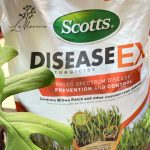
- Broad-Spectrum Systemic Fungicide:Check Scotts DiseaseEx Lawn Fungicide on Amazon →
*FTC Disclosure: As an Amazon Associate, Totally Green Lawn earns from qualifying purchases.*

Similar Posts