Zoysia Grass for Southern Lawns: Pros and Cons Explained
Lead Turfgrass & Lawn Care Specialist at Totally Green Lawn · Certified Turfgrass Specialist (CTS), Master Gardener, B.S. in Agronomy & Turf Science · 14+ years in residential turf management, organic fertilization, and weed science
If you're weighing zoysia grass pros and cons for southern lawns, you've probably noticed that every "best grass" list gives you a different answer. We've dug into university extension data, NTEP trial results, and feedback from southern homeowners to cut through the noise. The short version: zoysia is a tough, drought-smart warm-season grass with a few real trade-offs worth understanding before you commit.
Zoysia is a warm-season C4 grass, meaning it photosynthesizes efficiently in heat and goes dormant (brown) when soil temps drop below about 55°F, typically from late fall through early spring. Depending on cultivar and region, it's recommended for USDA zones 6b through 11, with newer cold-tolerant lines like 'Meyer' and 'Innovation' pushing further north into the transition zone. As of 2026, breeders continue to refine finer-bladed, faster-establishing hybrids, but the core trade-offs have stayed remarkably consistent for decades.
Quick Answer
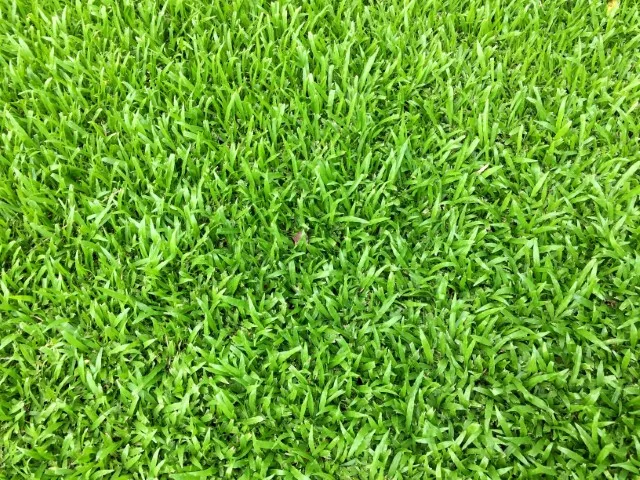
Zoysia grass handles southern heat and drought very well once established. It forms a dense, weed-resistant turf with fewer mowings than bermuda. The trade-offs are slow establishment, winter dormancy, and aggressive spread into beds.
It is ideal for full-sun southern lawns but struggles in deep shade.
Zoysia Grass at a Glance: Why Southern Homekeepers Keep Coming Back to It
Zoysia isn't one grass, it's a genus (Zoysia) with several species and dozens of cultivars, and that variety is a big reason it fits so many southern yards. The three species you'll see most often are Zoysia japonica (coarser blade, cold-hardy), Zoysia matrella (finer, denser, more heat-loving), and Zoysia tenuifolia (very fine, mostly ornamental). Most modern southern lawn cultivars are hybrids, like 'Emerald' (japonica × tenuifolia) or 'Empire' (japonica-type), bred to blend the best traits of each.
What makes zoysia click in the South is its growth habit. It spreads by both stolons (above-ground runners) and rhizomes (below-ground runners), knitting together a thick sod that naturally chokes out most weeds. University extension data consistently shows zoysia uses 30, 50% less water than a typical fescue lawn once mature, and it holds color through 95°F+ summers that scorch cool-season grasses.
It also tolerates salt spray better than bermuda or fescue, which is why it's a staple along the Gulf Coast and coastal Carolinas. According to trial data from Texas A&M AgriLife Extension, certain zoysia cultivars maintain acceptable turf quality at soil salinity levels that would damage most St. Augustinegrass.
The catch? All that density takes time to build. From seed, you're looking at 2, 3 full growing seasons for a tight sod.
From sod, you'll have a usable lawn in 2, 4 weeks, but you'll pay for that speed.
The Real Pros of Zoysia for Southern Lawns
Heat and Drought Performance That Actually Holds Up
Zoysia's deep rhizome system can reach 2, 3 feet once mature, letting it tap moisture most shallow-rooted grasses can't touch. In our research across extension publications, established zoysia typically stays green 1, 2 weeks longer than bermuda during drought without irrigation, then goes dormant (not dead) and bounces back when rains return.
Lower Long-Term Maintenance
You'll mow less. Zoysia's vertical growth is slower than bermuda's, so most southern homeowners mow every 7, 10 days during peak season instead of every 4, 5. Fertilizer needs are modest too, usually 1, 3 lb of nitrogen per 1,000 sq ft per year, depending on cultivar and how green you want it.
Weed and Pest Resistance
A thick zoysia stand is one of the best natural weed barriers you can grow. The density blocks sunlight from reaching weed seedlings, and the rhizome network repairs bare spots faster than most warm-season grasses.
Wear Tolerance for Active Yards
Got kids, dogs, or a backyard soccer habit? Zoysia handles foot traffic well and recovers from wear, though not as quickly as bermuda.
| Pro | What It Means in Practice |
|---|---|
| Drought tolerance | Stays green longer; survives restriction periods |
| Weed suppression | Fewer herbicide applications after year 2–3 |
| Heat tolerance | No summer stress in zones 8–10 |
| Lower mowing frequency | Roughly half the cuts vs. bermuda |
| Salt tolerance | Works in coastal and irrigation-prone areas |
The Real Cons of Zoysia You Should Know Before You Plant
Slow Establishment Is the Big One
This is the trade-off that frustrates most new zoysia owners. Seeded varieties like 'Zenith' or 'Compadre' can take a full year to fill in and 2, 3 years to look like a mature sod. During that window, weeds move in fast, and you'll be babying the lawn with light, frequent watering.
Sod skips the wait but costs more. As of 2026, installed zoysia sod runs roughly $0.30, $0.80 per square foot depending on region, cultivar, and delivery, so a 5,000 sq ft lawn can run $1,500, $4,000 before water and prep.
Winter Dormancy Looks Rough
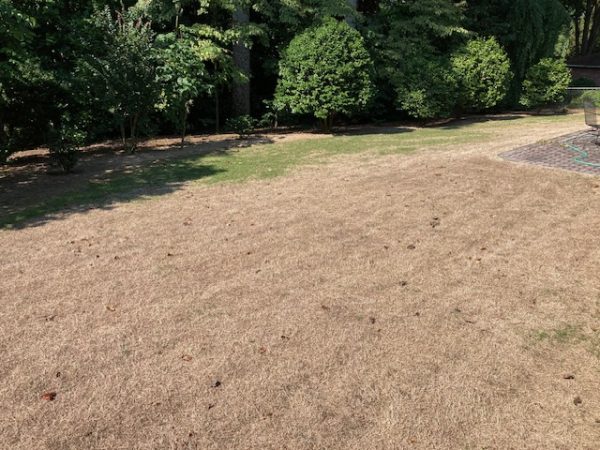
Zoysia goes fully brown when soil temps drop below about 55°F, which in Atlanta means late October through early April. If a green winter lawn matters to you, you'll either overseed with ryegrass (an extra cost and chore) or accept the brown. Some southern homeowners love the "seasonal rest" look.
Others hate it.
Shade Is a Weak Spot
Zoysia needs 6, 8 hours of direct sun to thrive. In dappled or filtered shade, it thins out and weeds creep in. If your yard has heavy tree cover, St.
Augustinegrass or certain fine fescues will outperform zoysia.
Thatch and Aggressive Spread
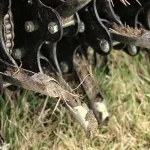
That dense growth? It comes with thatch buildup, a spongy layer of undecomposed stems between grass and soil. Plan to dethatch or verticut every 2, 3 years.
Zoysia also doesn't know property lines. Its stolons will happily creep into flower beds, the neighbor's yard, or your vegetable garden. Edging is a must.
Disease Pressure in Humid Spots
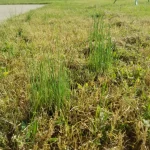
In the Deep South's humid summers, large patch (Rhizoctonia solani) and zoysia rust can show up, especially on over-fertilized or poorly drained lawns. Good airflow and lean fertilization prevent most outbreaks.
| Con | Real-World Impact |
|---|---|
| Slow establishment | 1–3 years to full density from seed |
| Winter dormancy | 4–6 months of brown turf in most of the South |
| Shade intolerance | Thins below ~6 hours of direct sun |
| Thatch buildup | Needs dethatching every 2–3 years |
| Aggressive spread | Invasive into beds and borders |
| Higher sod cost | $0.30–$0.80/sq ft installed |
How Zoysia Stacks Up Against Other Southern Grasses
Comparing grasses isn't about picking a winner. It's about matching the grass to your yard, your climate, and how much you like mowing. Here's how the main southern contenders line up.
Zoysia vs. Bermudagrass
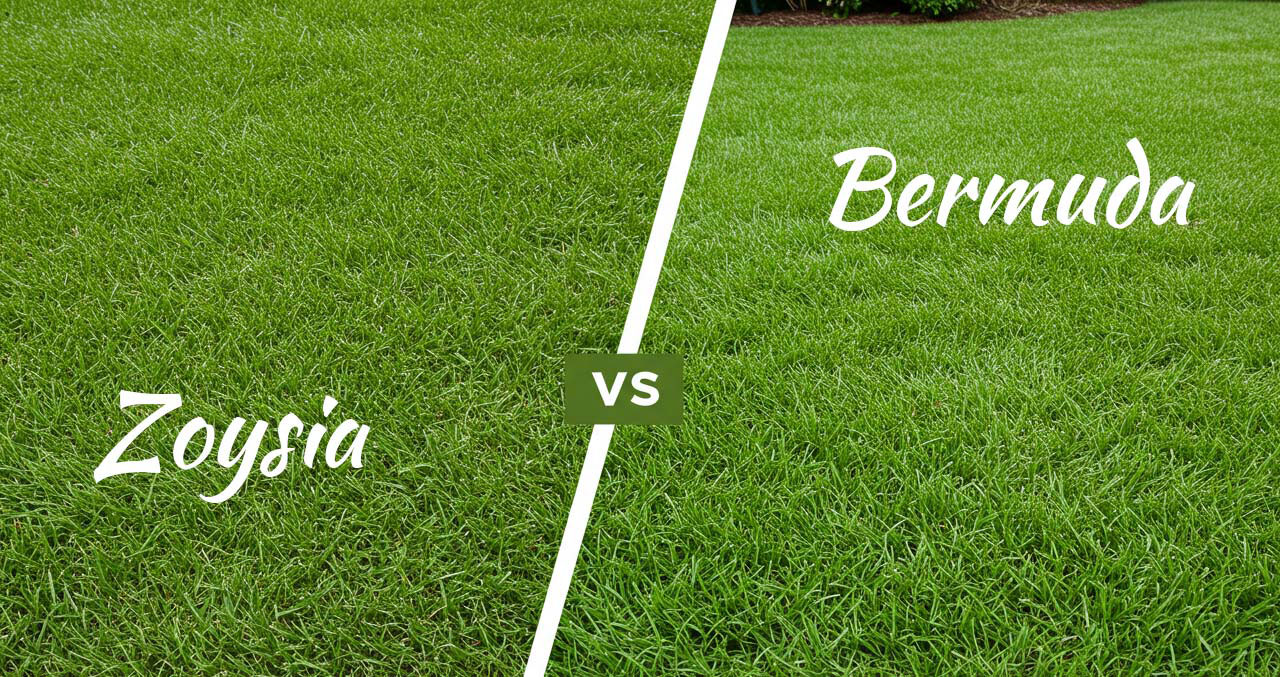
Bermuda establishes faster, tolerates more traffic, and handles closer mowing (down to 0.5 inch for golf-quality cuts). Zoysia wins on shade tolerance, lower mowing frequency, and a slightly softer feel underfoot. Bermuda is cheaper to sod and recovers from damage quicker.
Zoysia vs. St. Augustinegrass
St. Augustine is the shade king of the South, but it needs more water, has a coarser blade, and isn't as cold-tolerant. Zoysia handles wear better and is less prone to chinch bug outbreaks, which plague St.
Augustine in Florida and the Gulf states.
Zoysia vs. Centipedegrass
Centipede is the "lazy man's grass," low fertilizer, slow growth, acidic soil tolerance. But it has poor wear tolerance, slow recovery, and a narrow fertility window. Zoysia is more versatile and durable.
Zoysia vs. Bahiagrass
Bahia is tougher than zoysia on poor, sandy soils and reseeds itself, so it's common in pastures and rural southern lawns. It looks rougher, with tall seedheads, and isn't a fit for manicured home lawns.
| Grass | Shade | Wear | Water Needs | Establishment | Best For |
|---|---|---|---|---|---|
| Zoysia | Moderate | High | Low–Medium | Slow | Balanced southern lawns |
| Bermuda | Poor | Very High | Medium | Fast | Full-sun, high-traffic |
| St. Augustine | High | Medium | High | Medium | Shady coastal yards |
| Centipede | Moderate | Low | Low | Slow | Low-maintenance, acidic soil |
| Bahia | Moderate | Medium | Low | Medium | Sandy, rural, low-input |
Where Zoysia Actually Shines (and Where It Falls Apart)
Zoysia Is a Great Fit If…
- Your lawn gets 6+ hours of direct sun.
- You want a dense, manicured look without weekly mowing.
- You're in zones 7, 10 and can tolerate winter dormancy.
- You have coastal exposure or salty irrigation water.
- You're willing to invest upfront in sod (or patient enough to seed).
Zoysia Will Frustrate You If…
- Your yard is heavily shaded by oaks or pines.
- You want year-round green color without overseeding.
- You need quick cover (a new construction lawn, for example).
- You like to switch grass types every few years. Removing zoysia is a chore.
In the transition zone (think Nashville, Charlotte, northern Georgia, central Texas), zoysia is often the best warm-season compromise: more cold-tolerant than St. Augustine, denser and softer than bermuda. In the Deep South (south Florida, the Gulf Coast), the choice often comes down to shade vs. salt tolerance vs. maintenance preference.
FAQs About Zoysia in the South
How long does zoysia take to fully establish?
From seed, plan on 2, 3 growing seasons for a tight, weed-resistant sod. From sod, you'll have a usable lawn in 2, 4 weeks, with full maturity by the end of the first growing season.
Can I overseed zoysia with ryegrass for winter color?
Yes. Annual ryegrass is the standard choice, seeded 4, 6 weeks before your first expected frost. It dies out naturally in spring heat.
Expect some competition and a slight delay in zoysia green-up.
Does zoysia really choke out weeds?
Once established (year 2, 3), yes, a dense zoysia stand is one of the best natural weed barriers. During establishment, you'll need to stay on top of weeds with pre-emergents labeled safe for young zoysia.
How often should I dethatch zoysia?
Every 2, 3 years is typical, or whenever the thatch layer exceeds 0.5 inch. Late spring, after full green-up, is the safest time.
Is zoysia safe for pets and kids?
Yes. Zoysia doesn't produce significant pollen, and it has no toxic traits. Like most warm-season grasses, it can attract fleas and ticks, so standard lawn pest control applies.
What's the best zoysia cultivar for the Deep South?
'Meyer' for cold tolerance and the transition zone, 'Empire' for a balance of texture and durability in Florida, 'Zeon' for fine-bladed, shade-tolerant performance in the upper South. Local extension trials are the best guide for your specific area.
Final Take: Is Zoysia the Right Grass for Your Southern Lawn?
Zoysia is one of the best all-around warm-season grasses for southern lawns with full sun and homeowners who value long-term performance over quick results. It saves water, fights weeds naturally, and stays attractive with less mowing than bermuda. The trade-offs are real: slow establishment, winter brown-out, and aggressive spread that demands edging.
If you can accept those, zoysia will reward you with a tough, beautiful lawn that can last 30+ years with proper care. Start with a soil test, pick a cultivar proven in your county, and budget for either sod or a 2, 3 year establishment plan from seed. Get those right, and zoysia will be the last grass you plant.
Planting and Caring for Zoysia the Right Way
Getting zoysia off to a strong start is mostly about timing and prep. Plant too early in cool soil and seed rots. Plant too late and it doesn't root before summer stress.
Here's the workflow southern extension services consistently recommend.
When to Plant Zoysia
The sweet spot is late spring through early summer, once soil temps hold steady at 65, 70°F. In the Deep South that's April to early June. In the transition zone, push to May or early June to give the grass maximum heat units before fall.
Prep Work That Pays Off
Start with a soil test. Zoysia prefers a pH of 6.0, 6.5. Lime or sulfur adjustments take 2, 3 months to work, so test in winter for spring planting.
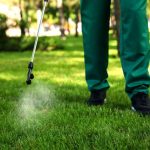
Kill existing vegetation with a non-selective herbicide, then till or scalp the area to create a smooth, firm seedbed.
For sod, skip the tilling and focus on a smooth, rolled surface with no low spots. Sod follows the contour of whatever's underneath, so lumps now mean lumps later.
Establishment by Method
- Sod: Lay in staggered rows, roll to ensure soil contact, water within 30 minutes of unrolling. Keep moist for 2, 3 weeks.
- Plugs: Space 6, 12 inches apart in a grid. Faster fill-in than seed, cheaper than full sod. Expect 1, 2 growing seasons for full cover.
- Sprigs: Cheapest but slowest. Plant at 5, 10 bushels per 1,000 sq ft and keep consistently moist.
- Seed: Use hulled, treated seed at 1, 2 lb per 1,000 sq ft for 'Zenith' or 'Compadre'. Lightly rake and topdress with a thin layer of compost or sand.
First-Year Watering and Mowing
Water lightly and frequently during establishment, 2, 4 times daily for the first 2 weeks, then taper. First mow should be at about 2 inches once grass reaches 3 inches. Never remove more than 1/3 of the blade at once.
FAQs About Zoysia in the South
How long does zoysia take to fully establish?
From seed, plan on 2, 3 growing seasons for a tight, weed-resistant sod. From sod, you'll have a usable lawn in 2, 4 weeks, with full maturity by the end of the first growing season.
Can I overseed zoysia with ryegrass for winter color?
Yes. Annual ryegrass is the standard choice, seeded 4, 6 weeks before your first expected frost. It dies out naturally in spring heat.
Expect some competition and a slight delay in zoysia green-up.
Does zoysia really choke out weeds?
Once established (year 2, 3), yes, a dense zoysia stand is one of the best natural weed barriers. During establishment, you'll need to stay on top of weeds with pre-emergents labeled safe for young zoysia.
How often should I dethatch zoysia?
Every 2, 3 years is typical, or whenever the thatch layer exceeds 0.5 inch. Late spring, after full green-up, is the safest time.
Is zoysia safe for pets and kids?
Yes. Zoysia doesn't produce significant pollen, and it has no toxic traits. Like most warm-season grasses, it can attract fleas and ticks, so standard lawn pest control applies.
What's the best zoysia cultivar for the Deep South?
'Meyer' for cold tolerance and the transition zone, 'Empire' for a balance of texture and durability in Florida, 'Zeon' for fine-bladed, shade-tolerant performance in the upper South. Local extension trials are the best guide for your specific area.
Final Take: Is Zoysia the Right Grass for Your Southern Lawn?
Zoysia is one of the best all-around warm-season grasses for southern lawns with full sun and homeowners who value long-term performance over quick results. It saves water, fights weeds naturally, and stays attractive with less mowing than bermuda. The trade-offs are real: slow establishment, winter brown-out, and aggressive spread that demands edging.
If you can accept those, zoysia will reward you with a tough, beautiful lawn that can last 30+ years with proper care. Start with a soil test, pick a cultivar proven in your county, and budget for either sod or a 2, 3 year establishment plan from seed. Get those right, and zoysia will be the last grass you plant.
🚜 Agronomist Recommended: Dethatching & Disease Management Tools
Combat thatch suffocating your turf and stop rapid fungal spread with tested maintenance equipment and systemic fungicides:
- Electric Power Dethatcher & Scarifier:Check Electric Dethatchers & Scarifiers on Amazon →
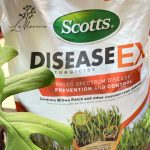
- Broad-Spectrum Systemic Fungicide:Check Scotts DiseaseEx Lawn Fungicide on Amazon →
*FTC Disclosure: As an Amazon Associate, Totally Green Lawn earns from qualifying purchases.*

Similar Posts