Apply Beneficial Nematodes to Your Lawn This Spring
Lead Turfgrass & Lawn Care Specialist at Totally Green Lawn · Certified Turfgrass Specialist (CTS), Master Gardener, B.S. in Agronomy & Turf Science · 14+ years in residential turf management, organic fertilization, and weed science
Most folks who try to apply live beneficial nematodes to lawn in spring end up with soggy sponges and dead grubs. The problem almost always comes down to one thing: the timing and conditions weren't right when the package opened. Nematodes are living organisms, and they need specific soil conditions to actually do their job.
Soil temperature is the make-or-break factor here. As of 2026, manufacturer specs and university extension guidance consistently point to 55°F as the minimum soil temp for active nematode movement. Below that, they just sit there and die.
Get the conditions right, and the rest is straightforward.
Quick Answer
Apply live beneficial nematodes to your lawn in spring when soil temps reach 55°F. Water the lawn deeply the day before. Mix nematodes with cool water.
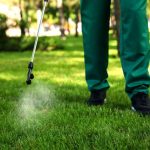
Apply at dawn or dusk using a sprayer. Keep the soil moist for 7 to 10 days after.
What Spring Nematode Application Actually Requires (And Why Most People Get the Timing Wrong)
Here's the thing about spring nematode applications: they're not like fertilizer or seed. You can't just toss them down and hope for the best. They die fast in the wrong conditions, and most homeowners kill them before they ever reach a grub.
Aggregate user reviews and university extension data show that failed applications almost always trace back to one of three issues: soil was too cold, soil was too dry, or the application happened in direct midday sun. All three kill nematodes within minutes to hours.
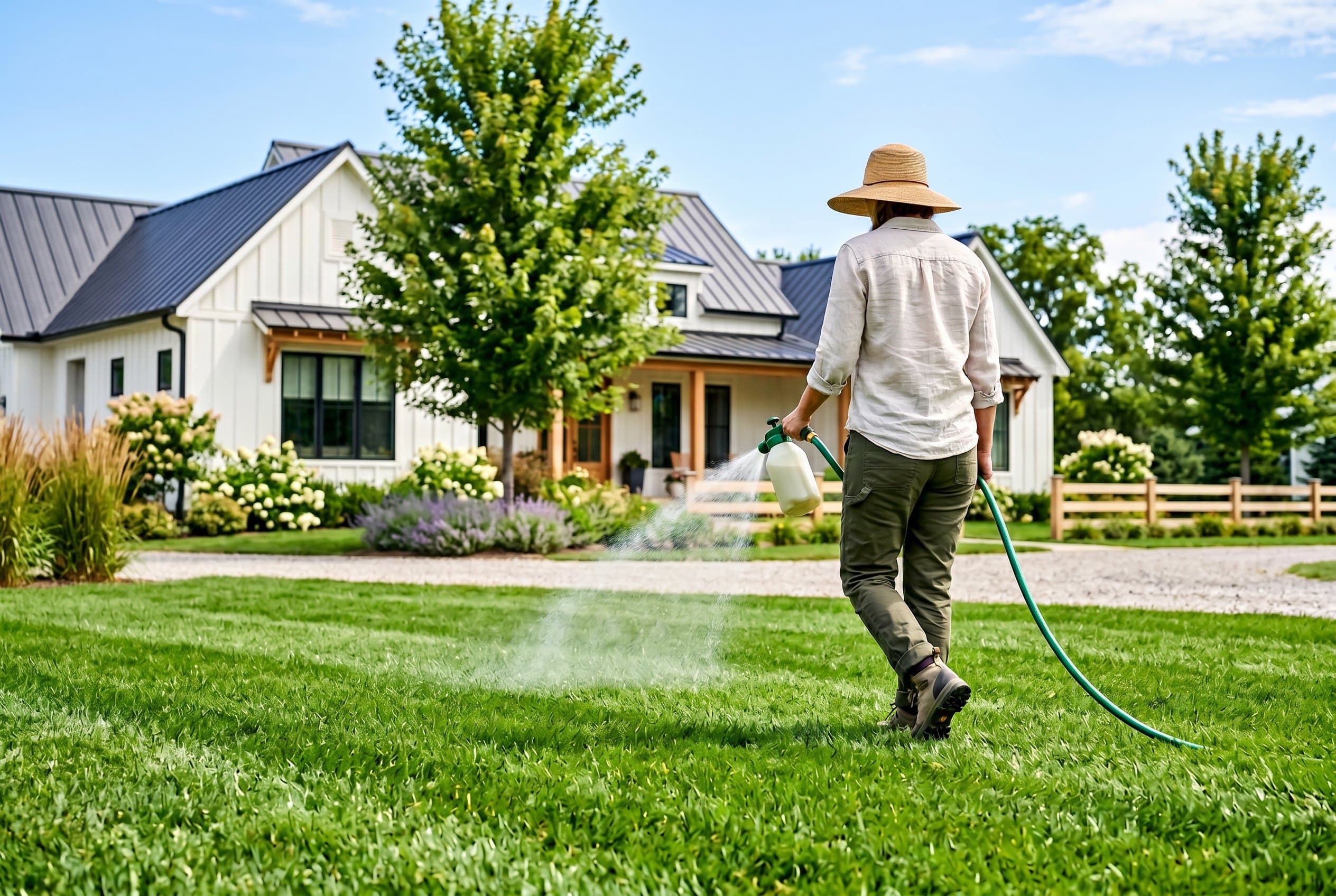
The biological reality is simple. Entomopathogenic nematodes (the beneficial species that hunt soil-dwelling pests) are microscopic worms about 0.5 to 1 mm long. They move through water films in the soil.
No moisture, no movement. No movement, no pest control.
What you actually need is a coordinated setup: the right species, the right soil conditions, the right application method, and consistent moisture for 7 to 10 days afterward. Skip any one of those, and you're just watering your lawn with expensive water.
Check These Conditions Before You Even Open the Package
Before you mix anything up, run through this quick decision tree. If any of these conditions fail, wait. Applying nematodes to the wrong conditions wastes your money and doesn't reduce grub populations.
Soil Temperature
This is the big one. Use a soil thermometer (cheap, available at any garden center) and check 4 to 6 inches deep.
- Below 55°F: Do not apply. Nematodes are dormant or dead.
- 55 to 85°F: Ideal range. Proceed.
- Above 85°F: Soil is too hot. Wait for cooler weather or apply at night.
If you're in a northern zone (USDA zones 3 to 6), this usually means waiting until late May or early June. In southern zones (7 to 9), you might be applying in March or April.
Soil Moisture
The soil needs to be consistently moist before, during, and after application. Think "wrung-out sponge" moisture level.
- If your lawn is dry: Water deeply the day before. You want 4 to 6 inches of moisture penetration.
- If rain is forecast within 24 hours: Great. Time your application for just before it.
- If drought conditions are present: Hold off entirely or commit to a serious irrigation schedule.
Time of Day
UV light kills nematodes fast. This isn't a "whenever you have a free hour" task.
- Best: Early morning (before 9 a.m.) or evening (after 6 p.m.)
- Also good: Overcast days, any time
- Worst: Midday sun, between 10 a.m. and 4 p.m.
Target Pest Identification
What are you actually trying to kill? Different nematode species target different pests. If you don't know what's in your soil, you're guessing.
If you've got Japanese beetle larvae, European chafer grubs, or Oriental beetle larvae, you need one species. If you're dealing with fungus gnats in a greenhouse setting, that's a different nematode entirely. Identify the pest first, then match the species.
Picking the Right Nematode Species for the Pest You're Targeting
This is where most guides go wrong. They treat "beneficial nematodes" as one thing. They're not.
There are hundreds of species, and only a handful are commercially relevant for lawn applications. The three you'll actually see for sale each have a specific job.
The Three Commercial Species You Need to Know
| Species | Best Target | Soil Depth | Notes |
|---|---|---|---|
| Heterorhabditis bacteriophora (Hb) | Japanese beetle grubs, European chafer, Oriental beetle | Deep (4+ inches) | The go-to for lawn grubs |
| Steinernema feltiae (Sf) | Fungus gnats, shore flies, some larvae | Shallow to medium | More for greenhouse use |
| Steinernema carpocapsae (Sc) | Cutworms, armyworms, flea larvae | Shallow (top 2 inches) | Surface-feeder pest specialist |
For a standard spring grub treatment on a residential lawn, you're almost always looking at Heterorhabditis bacteriophora. It's the workhorse species for Japanese beetle and chafer control. If you bought a generic "grub control" nematode product, it's probably Hb.
Steinernema feltiae shows up in products labeled for "lawn pests" or "soil insects," but it's actually less effective against true white grubs. It's better suited for moist, shallow-soil applications.
Steinernema carpocapsae is for cutworms and surface pests. It doesn't work well against grubs that feed deep in the soil. If your target is grubs, skip Sc.
How to Match Species to Your Pest
Use this quick rule: if the grubs are C-shaped, white, and living 3 to 6 inches below the surface, go with Hb. This covers about 90% of spring grub problems in cool-season lawns.
If you're not sure what you're dealing with, contact your local university extension office. Most have diagnostic services or can at least tell you what's common in your region that year.
Prepping Your Lawn So the Nematodes Don't Die Before They Work
Application day prep matters as much as the application itself. Skip this, and you'll be counting dead nematodes instead of dead grubs.
Step 1: Water the Lawn Deeply
The day before application, run your sprinklers or irrigation system long enough to soak the top 4 to 6 inches of soil. You want the soil profile fully charged with moisture.
This does two things. First, it gives nematodes the water film they need to move through soil pores. Second, it brings grubs closer to the surface, where nematodes can reach them faster.
How do you know you've watered enough? Push a screwdriver or soil probe into the ground. It should slide in easily to 4+ inches.
Step 2: Remove Any Immediate Obstacles
- Mow the lawn 1 to 2 days before application. Shorter grass = better soil contact.
- Dethatch if thatch is over half an inch thick. Nematodes can't move through dense thatch layers.
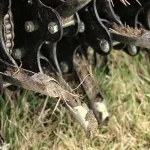
- Aerate if soil is compacted. Core aeration 1 to 2 weeks before nematode application opens up pathways.
Step 3: Avoid These Products Around Application Time
Some lawn care products kill nematodes on contact. Check your recent history.
| Product Type | Wait Time Before Nematodes | Notes |
|---|---|---|
| Broad-spectrum insecticides (carbaryl, pyrethroids) | 2 to 4 weeks | Direct killers |
| Fungicides (most) | 1 to 2 weeks | Check label |
| Lime or sulfur applications | 1 week | pH swings stress nematodes |
| Fertilizer | No wait needed | Actually helps |
If you've applied a broad-spectrum insecticide recently, wait. The beneficial nematodes are living organisms, and they don't bounce back from chemical exposure any better than pests do.
Step 4: Get Your Equipment Ready
You don't need much, but what you use matters.
- Pump sprayer, hose-end sprayer, or watering can: For application
- Cool water (not cold, not warm): For mixing
- Mesh strainer or cheesecloth: To filter out any carrier clumps that clog nozzles
- Stir stick: To keep the solution mixed (nematodes settle)
Don't use a sprayer that previously held herbicides or pesticides. Residues can kill nematodes. If you only have one sprayer, wash it thoroughly with soap and water, then rinse three times.
Step-by-Step Spring Application (With Timing Branches for Cool vs. Warm Season Zones)
Now the actual application. This is where you mix, spray, and pray (or just spray, if you prepped right). The steps are similar across regions, but timing shifts based on your climate zone.
Step 1: Calculate Your Coverage Area
Measure your lawn (or use your property records). Most nematode packages cover specific square footages, typically 1,000 to 2,000 sq ft per 50 million nematodes for Hb species.
- Small lawn (under 2,000 sq ft): One standard package
- Medium lawn (2,000 to 5,000 sq ft): Two to three packages
- Large lawn (5,000+ sq ft): Calculate carefully or buy in bulk
Overapplying wastes money. Underapplying gives inconsistent results. Match your coverage to your actual lawn size.
Step 2: Mix the Nematodes
Here's the critical part: handle them gently. They're alive, and rough mixing kills them.
- Fill your sprayer with cool water (60 to 70°F).
- Remove the nematode sponge or packet from refrigeration right before mixing.
- Submerge the sponge in water and gently squeeze it 5 to 10 times to release the nematodes.
- Pour the concentrated mixture into your sprayer.
- Stir gently. Do not shake.
If using a hose-end sprayer, follow the manufacturer's dilution rate. Most need a 1:10 to 1:20 ratio of nematode concentrate to water.
Step 3: Apply Within 30 Minutes of Mixing
This is non-negotiable. Once nematodes are in water, they start using up their energy reserves. They can survive for an hour or so, but their effectiveness drops the longer they sit in the tank.
Apply the entire mixed batch in one session. Don't mix, stop for lunch, then come back. The nematodes won't be at full strength.
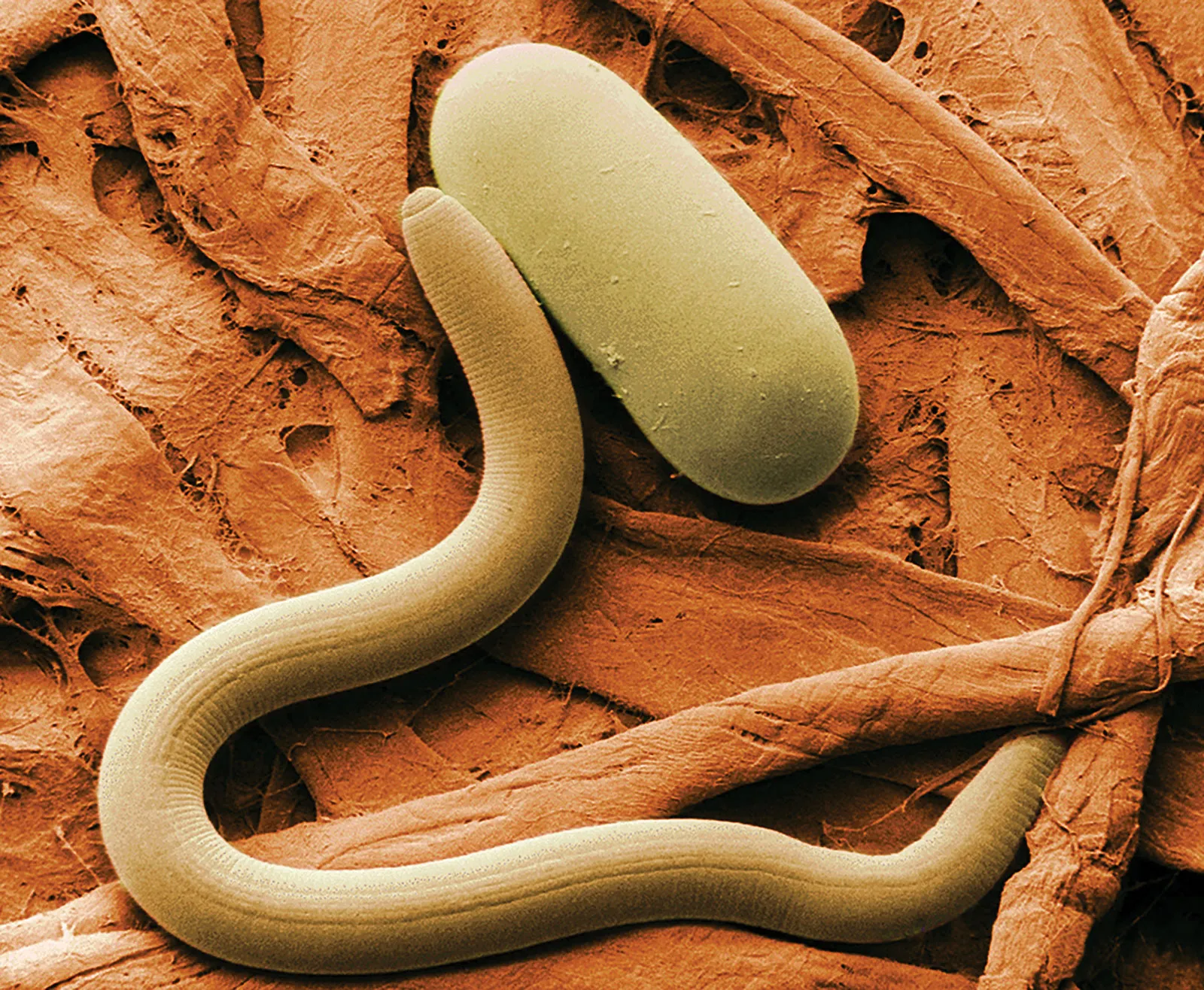
Step 4: Apply Evenly Across the Lawn
Walk the lawn in a pattern similar to how you'd apply fertilizer. Overlap slightly on each pass to avoid gaps.
- Pump sprayer: Slow, steady walking pace, consistent trigger pressure
- Hose-end sprayer: Moderate pace, even coverage
- Watering can: Best for small areas, pour in sweeping motions
For larger lawns, divide the mixed solution in half. Apply the first half in one direction (north-south). Apply the second half perpendicular to that (east-west).
This cross-pattern ensures no missed strips.
Step 5: Timing by Region
| Region | Best Spring Timing | Notes |
|---|---|---|
| Northern (zones 3 to 5) | Late May to mid-June | Soil warms slowly; wait for 55°F+ at 4 inches deep |
| Transition (zones 6 to 7) | Mid-April to late May | Peak application window |
| Southern (zones 8 to 9) | March to early April | Apply before summer heat kicks in |
| Pacific Northwest | Late April to May | Cooler nights, watch soil temps carefully |
If you're in a warm-season grass area (Bermuda, zoysia, St. Augustine), your grubs may be active earlier than in cool-season zones. Match your application to when grubs are small and near the surface, which is typically 2 to 3 weeks after egg hatch.
Post-Application Watering Schedule and What to Watch For Over the Next 10 Days
The first week after application decides whether you succeeded or wasted money. Nematodes need continuous moisture to move through soil and find grubs. Let the soil dry out, and they die before reaching their target.
The 7 to 10 Day Moisture Window
Here's the rhythm that works: water lightly every day for the first three days, then switch to deeper, less frequent watering for the rest of the window. You're keeping the top 2 to 3 inches consistently moist without waterlogging.
| Day | Watering | Goal |
|---|---|---|
| Day 1 (application day) | Water immediately after application (1/4 inch) | Wash nematodes into soil |
| Days 2 to 3 | Light watering (1/4 inch) morning and evening | Keep soil surface moist |
| Days 4 to 7 | Moderate watering (1/2 inch) once daily | Maintain moisture deeper down |
| Days 8 to 10 | Reduce to normal schedule | Let soil firm up |
If rain falls during this window, skip the scheduled watering. Don't overdo it. Saturated soil drives out oxygen and can actually harm nematode survival.
What "Working" Looks Like
You'll know the nematodes are active if you see dead grubs turning reddish-brown or brown within 2 to 3 weeks. The nematodes release symbiotic bacteria that kill the host, then feed on the bacteria and the grub.
No visible change? That doesn't mean failure. Grubs deep in the soil may be dying where you can't see them.
You can verify by digging a 1-square-foot section and counting live grubs 2 to 3 weeks post-application.
Mistakes That Kill Nematodes Before They Reach the Grubs
Most failed applications come down to a handful of recurring errors. Here's what goes wrong, and how to sidestep each one.

Applying to Dry Soil
Dry soil is the number one killer. Nematodes need water films to move between soil particles. Without moisture, they're stuck in place and die within hours.
The fix is straightforward: water the day before, apply to moist soil, then keep it moist for 10 days. If your lawn is on a slope and dries fast, plan for extra watering cycles.
Applying in Direct Sunlight
UV radiation kills nematodes fast. Applying at noon on a sunny day is like leaving them on a black dashboard. Nematodes exposed to direct sunlight for even 15 to 30 minutes can suffer significant die-off.
Schedule applications for early morning, late evening, or overcast days. If you can't avoid midday, at least move fast and water everything in immediately.
Using the Wrong Species
If you're targeting Japanese beetle grubs with Steinernema carpocapsae, you're going to have a bad time. Sc stays near the surface. Grubs feed deeper.
They never meet.
Match your nematode species to your target pest. For typical spring grub issues on home lawns, Heterorhabditis bacteriophora is the right call.
Storing Them Wrong Before Application
Nematodes ship on sponges and need refrigeration (not freezing). Manufacturer specs consistently recommend storage at 38 to 46°F until use. Leaving them in a hot garage or a sunny porch kills them before you even open the package.
Check the expiration or ship date when your order arrives. Most nematode products have a 2 to 4 week shelf life when refrigerated. Use them promptly.
Applying Before Rain That's Too Heavy
A light rain after application is good. A downpour that floods the lawn is bad. Heavy rain can wash nematodes away or push them too deep for the target pest.
Check the forecast. If 2+ inches of rain is expected within 12 hours, postpone. If a gentle 1/4 to 1/2 inch shower is coming, that's ideal timing.
Spring Nematodes vs. Chemical Grub Control: Honest Breakdown
Both approaches work. Neither is universally better. The right choice depends on your priorities, timeline, and tolerance for risk.
How They Compare
| Factor | Beneficial Nematodes | Chemical Grub Control |
|---|---|---|
| Time to kill grubs | 2 to 3 weeks | 24 to 72 hours |
| Target specificity | Narrow (specific species) | Broad (kills most soil insects) |
| Pet and child safety | High (no re-entry interval) | Moderate to low (varies by product) |
| Pollinator impact | None | Moderate to high |
| Application window | Spring or fall, soil 55°F+ | Late spring to early summer |
| Cost per 1,000 sq ft | $25 to $50 | $10 to $25 |
| Residual effect | 1 to 2 seasons in soil | Single season |
| Skill required | Moderate (timing, moisture) | Low (spread and water) |
When Nematodes Win
Choose nematodes if you want a chemical-free lawn, have pets or kids who use the yard, or are managing an organic lawn care program. They're also better for long-term grub suppression because they establish in the soil and keep working season to season.
They're the right call if you're dealing with Japanese beetle or European chafer grubs specifically, since Hb nematodes are highly effective against both.
When Chemicals Win
Choose chemical control if you need fast results (visible grub damage is already severe), want a one-and-done application, or have budget constraints. Products like chlorantraniliprole (Acelepryn) or imidacloprid (Merit) are widely available and straightforward to apply.
They're also useful if your timing doesn't align with nematode requirements. If it's too early in spring and soil is still cold, chemicals give you more flexibility.
The Hybrid Approach
Some homeowners apply nematodes in spring for season-long prevention, then spot-treat with chemicals only if damage appears. This balances the long-term ecological benefits of nematodes with the fast knockdown of chemicals when needed.
Frequently Asked Questions
How long does it take for beneficial nematodes to kill grubs?
Nematodes typically kill grubs within 24 to 48 hours of contact, but you won't see results at the surface for 2 to 3 weeks. The grubs die underground and decompose where you can't see them.
Can I apply nematodes and fertilizer at the same time?
Yes, fertilizer won't harm nematodes. In fact, a light feeding helps the lawn recover from grub damage. Just avoid broad-spectrum pesticides for at least 2 weeks before and after nematode application.
What temperature is too cold for nematode application?
Below 55°F, nematodes are inactive or dying. Below 50°F, they're effectively dead. Wait until soil temps at 4 inches deep reach 55°F consistently before applying.
This usually means late May in northern zones and March or April in southern zones.
How often should I water after applying nematodes?
Water lightly every day for the first 3 days, then moderate watering once daily for days 4 through 7. Reduce to normal watering by day 10. The goal is consistent moisture in the top 2 to 3 inches without saturation.
Will nematodes harm my pets or kids?
No. Beneficial nematodes are safe for mammals, birds, and pets. They only target soil-dwelling insects.
There's no re-entry interval, so kids and pets can use the lawn immediately after application.
Do nematodes work on all types of grubs?
They work on most common lawn grubs including Japanese beetle, European chafer, and Oriental beetle larvae. Make sure you match the species (Heterorhabditis bacteriophora for most grub situations). They won't work well on surface-feeding pests like chinch bugs or cutworms; those need different species.
🚜 Agronomist Recommended: Dethatching & Disease Management Tools
Combat thatch suffocating your turf and stop rapid fungal spread with tested maintenance equipment and systemic fungicides:
- Electric Power Dethatcher & Scarifier:Check Electric Dethatchers & Scarifiers on Amazon →
- Broad-Spectrum Systemic Fungicide:Check Scotts DiseaseEx Lawn Fungicide on Amazon →
*FTC Disclosure: As an Amazon Associate, Totally Green Lawn earns from qualifying purchases.*

Similar Posts