How to Get Rid of Armyworms in Your Lawn Fast
Lead Turfgrass & Lawn Care Specialist at Totally Green Lawn · Certified Turfgrass Specialist (CTS), Master Gardener, B.S. in Agronomy & Turf Science · 14+ years in residential turf management, organic fertilization, and weed science
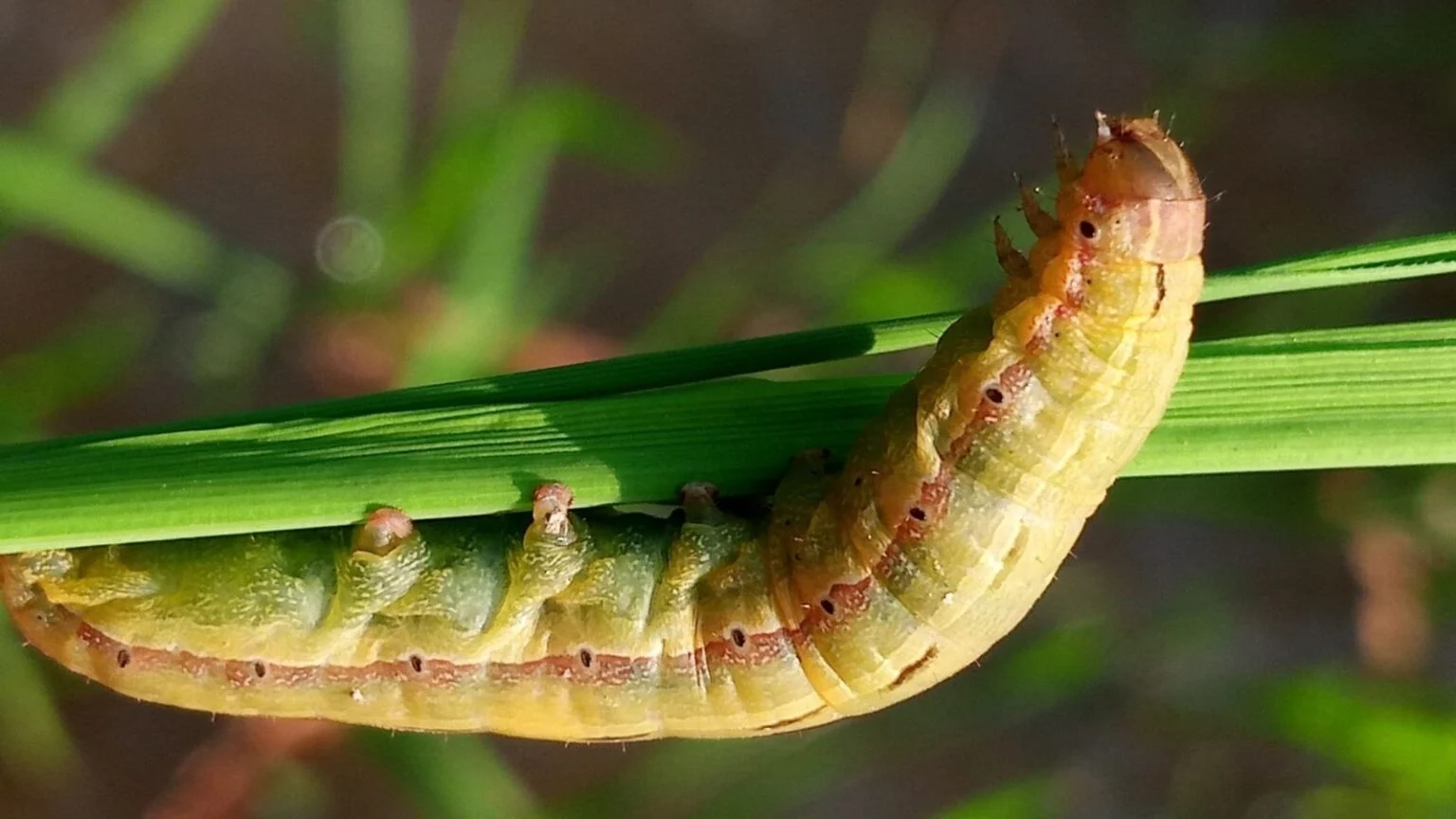
Armyworm damage can turn a healthy lawn brown in less than a week, and most homeowners don't even realize what's happening until the grass is already gone. The good news is that figuring out how to get rid of armyworms in lawn settings is straightforward once you know what you're looking for and act quickly.
The real issue is speed. Fall armyworm larvae can mow through 200 to 400 square feet of turf per day once they reach the later instar stages. Catching them early and choosing the right treatment path makes the difference between a quick recovery and a full reseed.
Let's start with the quick answer, then walk through the exact steps.
Quick Answer
To get rid of armyworms in your lawn, confirm the infestation with a soap flush, then apply an appropriate treatment based on severity. For small outbreaks, Bacillus thuringiensis (Bt) or spinosad works well. For heavy infestations (3+ larvae per square foot), use a labeled insecticide like bifenthrin or carbaryl.
Water the lawn lightly before treatment, recheck in 3 days, and reseed damaged patches.
How to Get Rid of Armyworms in Your Lawn (Step-by-Step Overview)
Armyworm control is a branching process, not a single action. The right path depends on how bad the infestation is, what grass you have, and whether you prefer organic or chemical methods. Here's the high-level workflow we'll walk through:
| Step | What Happens | Decision Point |
|---|---|---|
| 1. Inspect | Look for larvae and damage | Confirmed? Move to step 2. |
| 2. Assess severity | Count larvae per square foot | Under 3/sq ft? Go organic. 3+? Go chemical. |
| 3. Treat | Apply chosen product | Spot or broadcast based on coverage. |
| 4. Monitor | Recheck in 48 to 72 hours | Still seeing larvae? Re-treat. |
| 5. Repair | Reseed dead patches | Fall seeding works best in most regions. |
| 6. Prevent | Adjust mowing and fertility | Next outbreak starts the cycle again. |
Now let's get into the details. The rest of this guide follows the same order: confirm, choose, treat, monitor, recover, and prevent.
Are Those Brown Patches Armyworm Damage? How to Confirm
Before you spray anything, you need to be sure you're dealing with armyworms and not something else. Misdiagnosis is one of the most common mistakes we see, and it leads to wasted product and lost time.
Look for the Right Damage Pattern
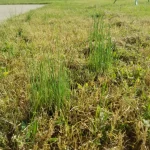
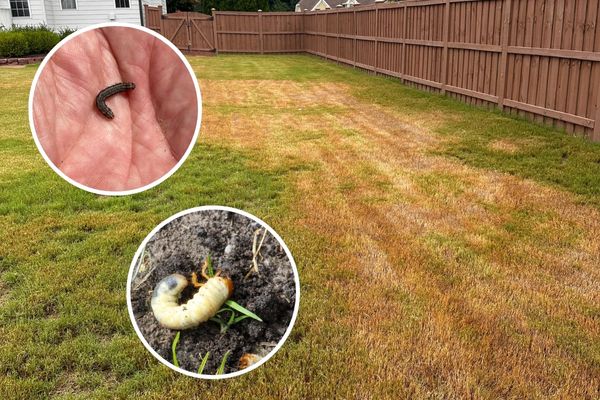
Armyworm damage has a signature look. It usually starts as irregular brown patches with a slightly "chewed" appearance at the edges. Unlike drought stress, which turns grass uniformly yellow-brown, armyworm damage often has green islands in the middle of dead zones.
You might also notice grass blades that look skeletonized, with only the veins left behind.
If you see birds tearing up your lawn more than usual, that's a major clue. Starlings, robins, and mockingbirds will rip at the turf to get at armyworm larvae hiding near the soil surface. According to extension entomologists, this behavior is one of the most reliable early warning signs of an active outbreak.
Run a Soap Flush
The fastest way to confirm larvae are present is the soap flush test. Mix 2 tablespoons of liquid dish soap into 1 gallon of water. Pour it over a 1-square-foot area of damaged turf.
Armyworms will crawl to the surface within 30 to 60 seconds if they're there.
This method is more reliable than just looking because larvae often hide in the thatch layer during the day and only come out to feed at dawn or dusk.
Identify the Larvae
Armyworm caterpillars have a few key features:
- Length: 1 to 1.5 inches when fully grown
- Color: green, brown, or black with light stripes along the body
- Head: an inverted "Y" shape on the face, which is diagnostic
- Behavior: often found in groups, unlike the solitary cutworm
If the larvae don't match this description, you might be dealing with sod webworms, cutworms, or grubs instead. Each of those pests has a different treatment approach.
Check the Threshold
The standard treatment threshold from most state extension services is 3 or more larvae per square foot. Below that level, the lawn can usually outpace the damage with proper watering and fertility. Above it, you're going to lose turf fast and need to act.
Picking the Right Treatment: Organic, Chemical, or Pro Service?
Once you've confirmed armyworms, the next decision is how to kill them. The right answer depends on your tolerance for chemicals, the size of your lawn, and how severe the infestation is.
Organic Options
If you prefer a softer approach, or if you have pets and kids running around, start here.
- Bacillus thuringiensis (Bt kurstaki): a naturally occurring soil bacterium that targets caterpillars specifically. Works best on young larvae.
- Spinosad: derived from a soil microbe. Kills on contact and has a longer residual than Bt.
- Neem oil: a botanical option that disrupts feeding and growth. Slower acting.
- Beneficial nematodes (Steinernema carpocapsae): microscopic worms that parasitize larvae in the thatch layer.
Organic treatments work best when the larvae are small (under 0.5 inches) and the population is still developing. They also require more frequent reapplication, usually every 5 to 7 days until the outbreak ends.
Chemical Options
For fast knockdown on a severe outbreak, conventional insecticides are the way to go. The most common active ingredients for armyworm control include:
| Active Ingredient | Speed | Residual | Notes |
|---|---|---|---|
| Bifenthrin | Fast | 2 to 4 weeks | Broad spectrum, also kills beneficials |
| Permethrin | Fast | 1 to 2 weeks | Common in residential products |
| Carbaryl (Sevin) | Fast | 1 to 2 weeks | Widely available, hard on bees |
| Chlorantraniliprole | Moderate | 4 to 6 weeks | Lower toxicity to mammals and birds |
If you're unsure which product to pick, your local Cooperative Extension Service can give you a recommendation based on current regional outbreaks. As of 2026, fall armyworm populations in the southeastern US are tracking higher than the 10-year average, which means earlier and more aggressive treatment is often warranted.
When to Call a Pro
If the infestation covers more than half your lawn, if you're not comfortable handling insecticides, or if you've treated twice and still see active damage, a licensed pest control operator is worth the call. Pro treatments typically run $75 to $150 for a standard residential lawn, depending on size and region. They also have access to restricted-use products that aren't available over the counter.
What About DIY Sprays?
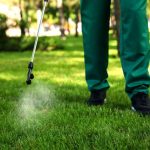
Hose-end sprayers work fine for broadcast applications on small to mid-size lawns. Backpack or pump sprayers give you more control for spot treatments. Whatever you use, calibrate it first.
Applying too little is wasted money, and applying too much is a legal and safety issue. Always follow the label, which is the law under EPA pesticide regulations.
Step-by-Step Process to Eliminate Armyworms From Your Lawn
Now that you know what you're dealing with and which treatment path to take, here's the actual workflow. Follow these steps in order for the best results.
Step 1: Mow and Water Before Treatment
Mow the lawn a half-inch shorter than usual the day before you treat. This opens up the canopy and helps the product reach the larvae. Water lightly the morning of treatment, just enough to moisten the thatch.
Armyworms are more active and exposed in slightly damp, shorter turf.
Step 2: Mix and Apply Your Chosen Product
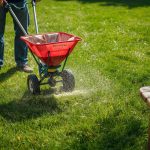
For liquid concentrates, follow the label rate exactly. For granular products, use a broadcast spreader for even coverage. Apply in the late afternoon or early evening, when armyworms are starting to feed and the product won't break down as fast in UV light.
Avoid windy days to prevent drift onto non-target plants.
If you're using Bt or spinosad, these break down quickly in sunlight, so timing matters even more. The University of Florida's entomology program recommends reapplying organic treatments after rain or irrigation that exceeds 0.25 inches.
Step 3: Wait 48 to 72 Hours, Then Recheck
Don't expect instant results with organic products. Bt can take 2 to 3 days to stop feeding, and spinosad usually kills within 24 hours. Chemical insecticides often show results in 12 to 24 hours.
After the wait, run another soap flush in the same spot to see if larvae are still active.
Step 4: Re-treat If Necessary
If you still find 3 or more larvae per square foot, apply a second round. For organic products, you can reapply every 5 to 7 days. For conventional insecticides, follow the label's reapplication interval, usually 7 to 14 days.
Step 5: Reseed Damaged Areas
Once larvae are gone, rake out the dead material and loosen the top quarter-inch of soil. Overseed with a variety that matches your existing lawn. For warm-season grasses like bermudagrass or zoysiagrass, late spring or early summer is ideal.
For cool-season grasses like fescue or Kentucky bluegrass, fall is the best window. Keep the new seed moist until it establishes, usually 2 to 3 weeks.
Step 6: Document and Adjust
Write down what you used, when you applied it, and what worked. Armyworms hit the same regions year after year, and having a record helps you stay ahead of next season's outbreak.
Mistakes That Make Armyworm Infestations Worse
Even with the right product, a few common missteps can drag out the problem or make it worse. Here's what we see trip people up most often, and how to avoid each one.
Spraying at the Wrong Time of Day
Treating at midday is one of the fastest ways to waste product. UV light breaks down Bt and spinosad quickly, and armyworms hide in the thatch during peak heat. Spray in the late afternoon or early evening instead, when larvae are starting to feed and the product has time to work before sun exposure peaks again.
Skipping the Second Inspection
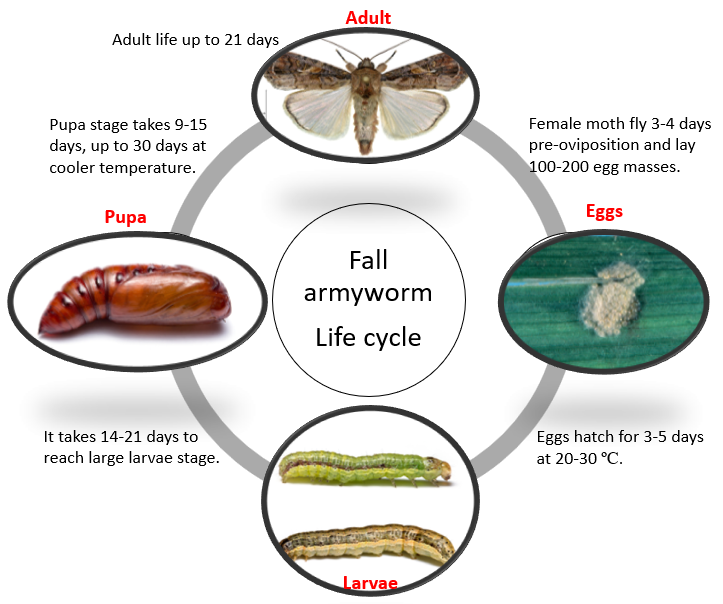
A single application doesn't always finish the job. Eggs keep hatching for 7 to 10 days after the first wave, especially with fall armyworm, which can lay multiple egg masses in a single site. If you don't recheck in 48 to 72 hours, you can miss a second generation that restarts the cycle.
Mowing Too Short Right After Treatment
Scalping the lawn after applying insecticide removes the protective thatch layer where larvae hide. It also stresses the grass at the worst possible time. Hold off on mowing for 2 to 3 days after treatment to let the product work and to avoid spreading it where you don't want it.
Confusing Armyworms With Other Pests
Sod webworms, cutworms, and chinch bugs all cause brown patches, but they need different treatments. If you spray for armyworms and the problem is actually grubs, you'll see no improvement and lose a week. That's why the soap flush and visual ID step in our workflow matters so much.
Overwatering the Lawn
Heavy irrigation right after treatment can wash granular products off the blades and into the soil, where they don't reach the larvae. Light moisture helps, but saturating the turf is counterproductive. If rain is coming within 24 hours, wait and apply after the lawn dries.
How to Prevent Armyworms From Coming Back Next Year
Once you've cleaned up the current outbreak, the next step is making your lawn less inviting to the next generation. Prevention is mostly about timing, turf health, and staying alert.
Watch for Outbreak Alerts
Most state extension services publish armyworm forecast updates during peak season, usually July through October in the southern US. Signing up for those alerts gives you a head start on scouting your lawn. Early detection is the single biggest factor in preventing severe damage.
Keep the Turf Healthy
Dense, well-fertilized turf tolerates armyworm pressure much better than stressed grass. A solid feeding schedule, proper mowing height (usually 2.5 to 3.5 inches depending on grass type), and consistent irrigation all help the lawn outgrow minor damage before larvae finish feeding.
Mow Strategically
Mow at the upper end of the recommended range during peak armyworm season. Taller grass shades the soil, which makes the surface less attractive for egg-laying moths. It also gives the lawn more leaf area to recover from any feeding that does occur.
Consider Preventive Treatments
In high-pressure regions, some turf managers apply a preventive insecticide in early summer. Chlorantraniliprole is the most common choice because of its long residual and low impact on non-target species. For most homeowners, though, scouting and fast response is more cost-effective than a calendar spray.
Encourage Natural Predators
Birds, parasitic wasps, and ground beetles all feed on armyworm larvae. Avoid broad-spectrum insecticides unless you really need them, and leave some habitat around the lawn edge for these beneficials. Even a small reduction in larvae each year adds up over time.
Overseed and Repair Weak Spots
Armyworms target thin or stressed turf first. Overseeding in the fall for cool-season lawns or in late spring for warm-season lawns keeps the canopy thick and harder for moths to access. Bare patches are open invitations.
Keep a Yearly Record
Write down when outbreaks hit, which products worked, and how long recovery took. Patterns emerge after two or three seasons, and you'll know exactly when to start scouting without waiting for an alert.
Frequently Asked Questions
What does armyworm damage look like in a lawn?
Armyworm damage shows up as irregular brown patches with chewed or skeletonized grass blades. You'll often see green islands of surviving grass inside dead zones, plus increased bird activity tearing at the turf. Damage usually appears quickly, sometimes overnight.
How long does it take to get rid of armyworms?
Most treatments kill active larvae within 24 to 72 hours. Organic products like Bt take closer to 3 days, while conventional insecticides can show results in 12 to 24 hours. Full lawn recovery depends on how much damage occurred, but lightly damaged turf often bounces back in 2 to 3 weeks.
Will armyworms go away on their own?
No, not in most cases. Armyworm populations build through successive generations over the growing season. Without intervention, they'll keep feeding until pupation or frost, whichever comes first.
By that point, the lawn is usually destroyed.
Are armyworms harmful to dogs or humans?
Armyworms don't bite or sting and aren't toxic to pets or people. The bigger concern is the lawn damage itself, plus the fact that some insecticide labels require keeping pets off treated areas until the product dries.
When is armyworm season in most regions?
Peak armyworm activity runs from late July through early October across most of the southern and transition-zone US. In Florida and the Gulf Coast, populations can persist nearly year-round. Cooler northern states typically see a shorter window from August into September.
Can I treat armyworms without chemicals?
Yes. Bacillus thuringiensis, spinosad, and beneficial nematodes all work on armyworm larvae without synthetic insecticides. Organic options require more frequent application and work best on smaller larvae, but they can be highly effective if you catch the infestation early.
🚜 Agronomist Recommended: Dethatching & Disease Management Tools
Combat thatch suffocating your turf and stop rapid fungal spread with tested maintenance equipment and systemic fungicides:
- Electric Power Dethatcher & Scarifier:Check Electric Dethatchers & Scarifiers on Amazon →
- Broad-Spectrum Systemic Fungicide:Check Scotts DiseaseEx Lawn Fungicide on Amazon →
*FTC Disclosure: As an Amazon Associate, Totally Green Lawn earns from qualifying purchases.*

Similar Posts