Rhizomatous vs Standard Tall Fescue: Key Differences
Lead Turfgrass & Lawn Care Specialist at Totally Green Lawn · Certified Turfgrass Specialist (CTS), Master Gardener, B.S. in Agronomy & Turf Science · 14+ years in residential turf management, organic fertilization, and weed science
A rhizomatous tall fescue vs standard tall fescue review comes down to one thing: how each grass handles bare spots. Standard tall fescue is a bunch-type grass that grows in tight clumps and won't fill in damaged areas on its own. Rhizomatous tall fescue sends out underground stems called rhizomes, so it creeps sideways and repairs thin spots slowly over time.
That single trait changes everything from seed price to long-term maintenance. After looking at university extension trials, NTEP data, and current manufacturer specs, the trade-offs are clearer than most seed bags suggest. The grass you pick affects how often you overseed, how your lawn looks in year three, and how it holds up on slopes, in heat, and under heavy traffic.
Quick Answer
Rhizomatous tall fescue spreads via underground stems, so it self-repairs. Standard tall fescue grows in clumps and does not. Rhizomatous varieties cost more per pound.
Standard tall fescue is cheaper and widely available. Pick rhizomatous for slopes and repair. Pick standard for budget-friendly, low-maintenance lawns.
What Makes Rhizomatous Tall Fescue Different From Standard Tall Fescue
The species is the same. Both are Festuca arundinacea, sometimes listed as Schedonorus arundinaceus. The difference is a trait bred into certain cultivars: the ability to send out rhizomes.
A rhizome is a horizontal stem that runs under the soil surface. It pushes up new shoots along its length, which is how the grass slowly expands sideways. Standard tall fescue lacks this.
It grows in a bunch-type habit, meaning each plant gets a little wider through tillering alone, but it never reaches out to colonize the next patch of bare soil.
That difference shows up in real lawns. Drop a wheelbarrow on a standard tall fescue yard and you get a dead spot that stays a dead spot until you reseed it. Drop one on a rhizomatous stand and the surrounding grass slowly creeps in over the next growing season.
We've also seen this trait often overstated in marketing. NTEP trials and university data show that even the best rhizomatous cultivars spread much more slowly than Kentucky bluegrass. Don't expect bluegrass-level self-repair.
Expect "slower filling" rather than "filling."
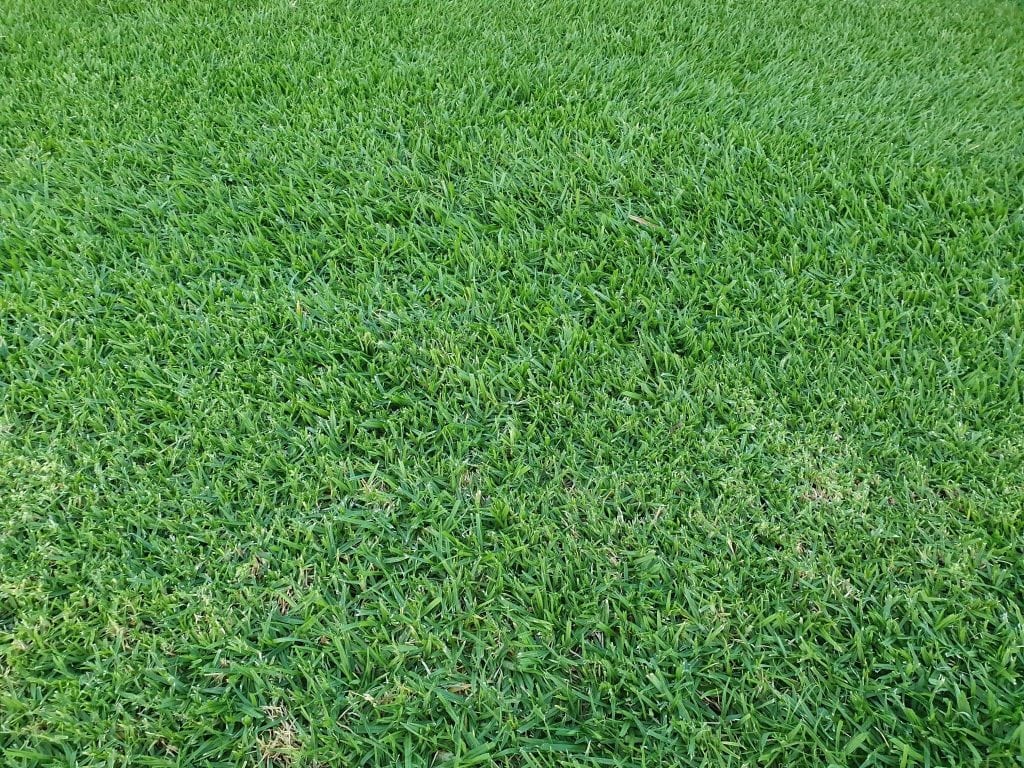
Image source: Web (Bing) / daltonbgs.com.au (Web image (fair-use with source credit))
Growth Habit and Appearance: Rhizomes vs. Bunch-Type Clumps
Look at any patch of established tall fescue and the growth habit is fairly obvious once you know what to look for.
How a Bunch-Type Lawn Behaves
Standard tall fescue plants form a tight tuft. New leaves come up from the crown, but the base stays in place. Two plants sitting next to each other don't merge.
The result is a lawn that can look a little clumpy, especially in spring when new tillers push up next to older ones.
If a dog tears up a corner of the lawn, the surrounding plants won't reach over. The bare patch just sits there until you seed it yourself.
How a Rhizomatous Stand Behaves
Rhizomatous cultivars still look like tall fescue on the surface. Same leaf width, same color, same coarse texture. The action is underground.
Rhizomes creep out 6 to 12 inches over a season, depending on soil, moisture, and cultivar. New shoots pop up along the way, and the stand slowly thickens.
This is most visible on a slope. Standard fescue on a slope tends to thin at the bottom over time because nothing replaces what's lost. Rhizomatous fescue slowly fills those gaps and holds the soil better.
Texture and Color
Both types share tall fescue's signature look. Expect a medium to dark green color and a blade width that's noticeably wider than Kentucky bluegrass or perennial ryegrass. The newer turf-type cultivars, rhizomatous or not, have a finer leaf than older K-31 forage types, but neither will pass for a bentgrass green.
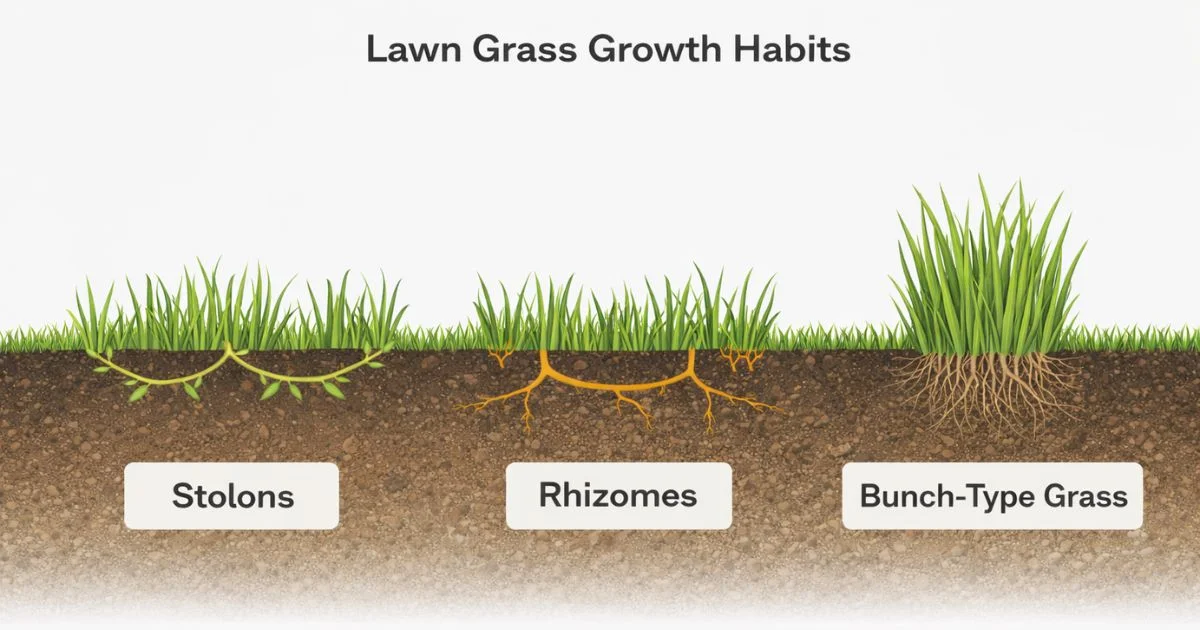
Image source: Web (Bing) / lawnvista.com (Web image (fair-use with source credit))
Side-by-Side Comparison: RTF vs. Standard Tall Fescue
Here's how the two stack up across the traits that actually matter for a home lawn.
| Trait | Rhizomatous Tall Fescue | Standard Tall Fescue |
|---|---|---|
| Growth habit | Spreads via rhizomes | Bunch-type, no lateral spread |
| Self-repair | Slow but real | None without reseeding |
| Establishment speed | Similar to standard | 7–14 days to germinate |
| Drought tolerance | High (deep roots) | High (deep roots) |
| Shade tolerance | Moderate | Moderate |
| Wear recovery | Better over time | Limited |
| Thatch tendency | Slightly higher | Lower |
| Seed cost (per lb) | Higher ($5–$8) | Lower ($3–$5) |
| Best for | Slopes, repair, traffic | Budget lawns, low maintenance |
What the Numbers Actually Show
- Germination: 7, 14 days for both, with consistent moisture.
- Establishment to useable lawn: 6, 12 weeks for both, though rhizomatous types sometimes lag a few days early on.
- Mowing height: 2.5 to 4 inches for both. Don't scalp either.
- Root depth: Up to 2 to 3 feet once mature, which is the source of the species' drought tolerance.
The Trade-Off Most Reviews Skip
Rhizomatous types can build up thatch faster over several years because of the extra stem and rhizome tissue. You'll likely need to dethatch or core-aerate every couple of years on a mature stand. Standard tall fescue rarely has that issue.
Where Each Grass Actually Performs Best
The right pick depends on your lawn more than the seed catalog.
Pick Rhizomatous If You Have
- A slope or hillside where bare patches tend to grow.
- Kids, dogs, or regular foot traffic that kills small spots.
- A lawn with a history of thinning in summer.
- Patience. The self-repair is real but slow.
Pick Standard If You Have
- A flat, low-traffic yard.
- A tight budget and no plans to overseed often.
- A small lawn where you can spot-seed any damage by hand.
- A preference for the lowest-thatch, lowest-fuss option.
Climate Considerations
Both types handle the transition zone well. That's the band roughly from Kansas east to Virginia, and from southern Pennsylvania south to north Georgia. Both handle USDA zones 4 through 8 with proper care.
In the deep South, both struggle in peak summer without irrigation. In the far North, both can suffer winter kill in exposed sites, though endophyte-enhanced seed helps.
If you're in a coastal or western climate, check with your local extension office. Cultivars that thrive in Virginia may not be the best pick in coastal California, where summer dormancy and rust pressure are different.
For region-specific cultivar performance, the National Turfgrass Evaluation Program publishes trial data that cuts through the marketing.
Drawbacks, Thatch Issues, and Common Mistakes
Rhizomatous tall fescue isn't a perfect grass. A few headaches show up once the stand matures.
Thatch Buildup
Rhizomes add stem tissue below the surface. Over three to five years, that tissue can mat up and create a spongy layer. Water sheds off instead of soaking in.
Disease pressure climbs. Core aeration in fall every other year keeps it in check. Topdressing with a thin layer of compost also helps.
Slow Rhizome Expression
Don't expect fast lateral spread in year one. Most rhizomatous cultivars put energy into roots and shoots first. Real spreading usually shows up in year two or three.
Buyers expecting Kentucky bluegrass-style coverage in a single season feel disappointed.
Marketing vs. Reality
Some bags label any tall fescue blend "rhizomatous" if it contains a small percentage of a spreading cultivar. The rest of the bag is standard seed. Always check the cultivar list on the tag.
If the rhizomatous variety is under 30% of the mix, you won't see much self-repair.
Common Mistakes to Avoid
- Mowing below 2.5 inches. Scalps the crown and invites weeds.
- Applying pre-emergent herbicide at seeding. It stops fescue germination.
- Overwatering in summer. Promotes brown patch fungus.
- Skipping overseeding in older standard stands. Clumps thin out without it.
Establishment, Maintenance, and Long-Term Care
Both grasses need the same basic care. The main difference is how often you patch the lawn.
Seeding Timing and Rates
Late summer to early fall is the sweet spot. Soil stays warm for fast germination. Air temps cool down so seedlings don't fry.
Aim for 6 to 8 pounds per 1,000 square feet on bare soil. For overseeding, drop to 3 to 5 pounds.
Watering Schedule
Keep the top inch of soil moist for the first 14 days. Water two to three times a day in short cycles. After germination, shift to deeper, less frequent soakings.
This trains roots to drive down 2 feet or more.
Fertilization
Tall fescue uses 2 to 4 pounds of nitrogen per 1,000 square feet per year. Split it across fall and spring applications. Fall feeding matters most.
It drives root growth and winter hardiness.
Mowing and Thatch Control
Mow at 3 to 3.5 inches during summer. Taller blades shade the soil and keep roots cool. Sharpen the blade every few mows.
Dull blades shred leaf tips and brown out the lawn.
Long-Term Differences
Standard tall fescue needs overseeding every two to three years to stay thick. Rhizomatous types stretch that to four or five years on flat ground, less on slopes. Either way, plan a fall overseeding if you see the stand thinning.
For region-specific timing, your local Cooperative Extension office publishes seeding windows that beat generic national advice.
Pricing, Seed Blends, and What to Look for When Buying
Price varies a lot, and so does what's actually inside the bag.
Current Seed Pricing (as of 2026)
- Standard tall fescue: $3 to $5 per pound.
- Rhizomatous tall fescue (pure cultivar): $5 to $8 per pound.
- Blended RTF products: $4.50 to $7 per pound.
- Tall fescue sod: $0.50 to $0.90 per square foot installed.
A 5,000 square foot lawn at 7 lb/1,000 sq ft means 35 pounds of seed. That's roughly $105 to $280 depending on which product you buy.
Reading the Label
The seed tag tells the real story. Look for:
- Cultivar names, not just "tall fescue."
- Percentage of each cultivar by weight.
- Germination rate (target 85%+).
- Weed seed percentage (target 0.5% or less).
- Inert matter and crop content (target under 5% combined).
If the tag says "tall fescue (variety not stated)," skip it. You're buying mystery seed.
Blend or Monoculture
Most homeowners do best with a blend of three to five tall fescue cultivars. Blends hedge against disease and weather variation. If you want rhizomatous spread, make sure at least one cultivar in the blend carries that trait.
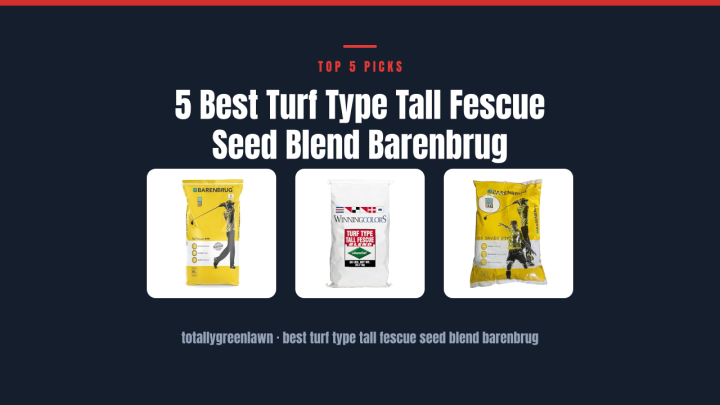
Popular rhizomatous cultivars include types labeled under the Barenbrug RTF line and several newer university releases.
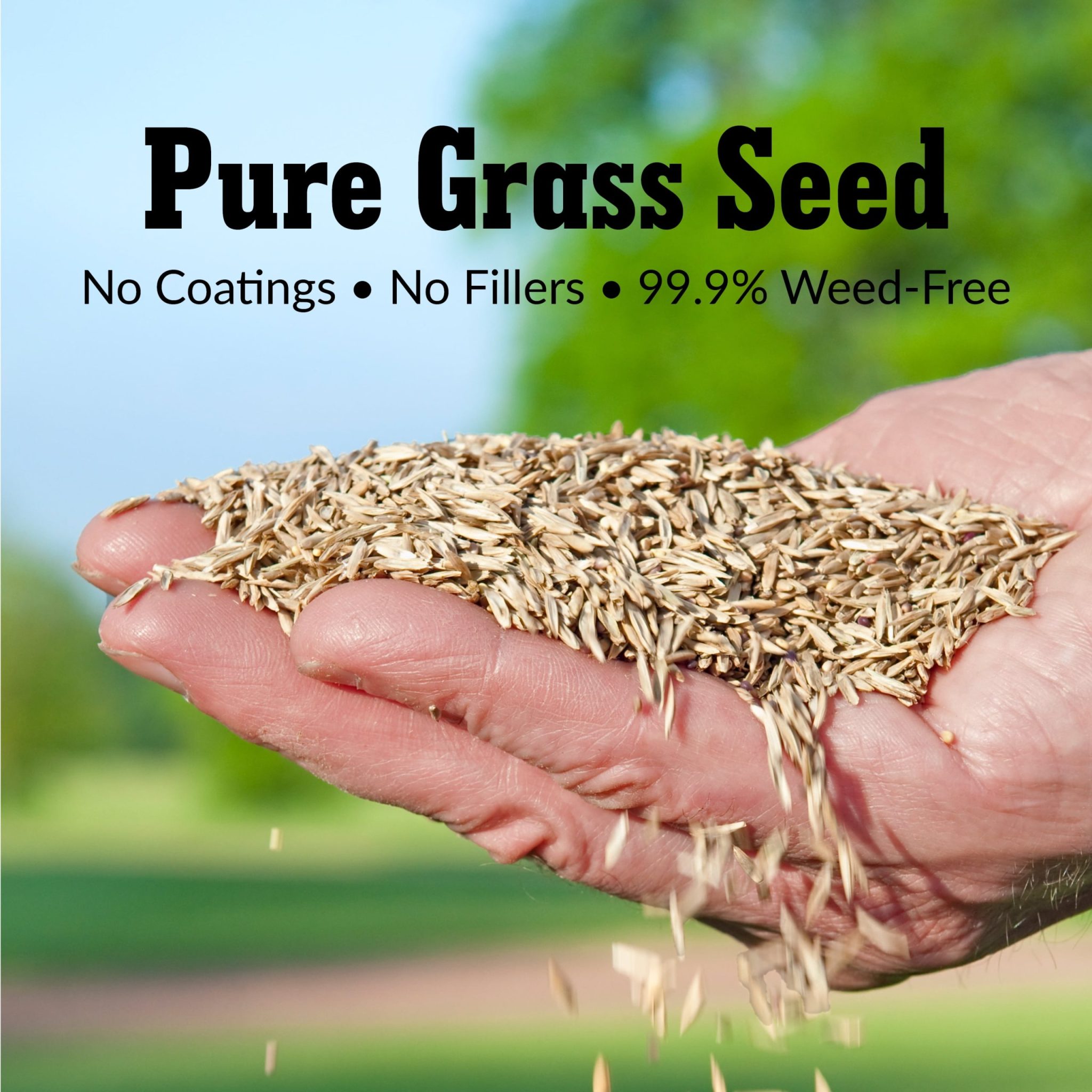
Image source: Bing (Web (fair-use with source credit))
Frequently Asked Questions
Does rhizomatous tall fescue really fill in bare spots?
Yes, but slowly. Expect 6 to 12 inches of spread per year per plant under good conditions. Don't expect bluegrass-level coverage in one season.
Can I mix rhizomatous and standard tall fescue seed?
You can. The rhizomatous plants will slowly take over thin areas over several years. A 50/50 blend is common in transitional climates.
Is rhizomatous tall fescue more expensive than standard?
Yes. Pure rhizomatous cultivars run $5 to $8 per pound versus $3 to $5 for standard. The premium reflects breeding costs.
Will either type handle full shade?
Both handle light to moderate shade. Neither thrives in deep shade under trees. Fine fescue is the better pick for shaded areas.
How long until my lawn looks established?
Germination takes 7 to 14 days. A usable lawn appears in 6 to 12 weeks. Full density takes a full growing season and improves in year two.
Do I need to dethatch rhizomatous tall fescue?
Plan on it every two to three years once the stand matures. Core aeration in fall is the gentler alternative and works well for most homeowners.
🚜 Agronomist Recommended: Dethatching & Disease Management Tools
Combat thatch suffocating your turf and stop rapid fungal spread with tested maintenance equipment and systemic fungicides:
- Electric Power Dethatcher & Scarifier:Check Electric Dethatchers & Scarifiers on Amazon →
- Broad-Spectrum Systemic Fungicide:Check Scotts DiseaseEx Lawn Fungicide on Amazon →
*FTC Disclosure: As an Amazon Associate, Totally Green Lawn earns from qualifying purchases.*

Similar Posts