Fix Bare Lawn Spots Fast: 7 Quick Repair Tips
Lead Turfgrass & Lawn Care Specialist at Totally Green Lawn · Certified Turfgrass Specialist (CTS), Master Gardener, B.S. in Agronomy & Turf Science · 14+ years in residential turf management, organic fertilization, and weed science
Nothing wrecks the look of a nice lawn faster than a dead patch sitting right in the middle of it. Most bare spots aren't random. They're a symptom, and the fastest repair only works if you treat the cause first.
The best window for patching cool-season lawns is early fall, when soil temps sit in the 50, 65°F range. According to state university extension services, seed applied in that window germinates faster and roots deeper than spring-seeded lawns. A quick patch can show visible green in 7 to 14 days, but only when the prep is right.
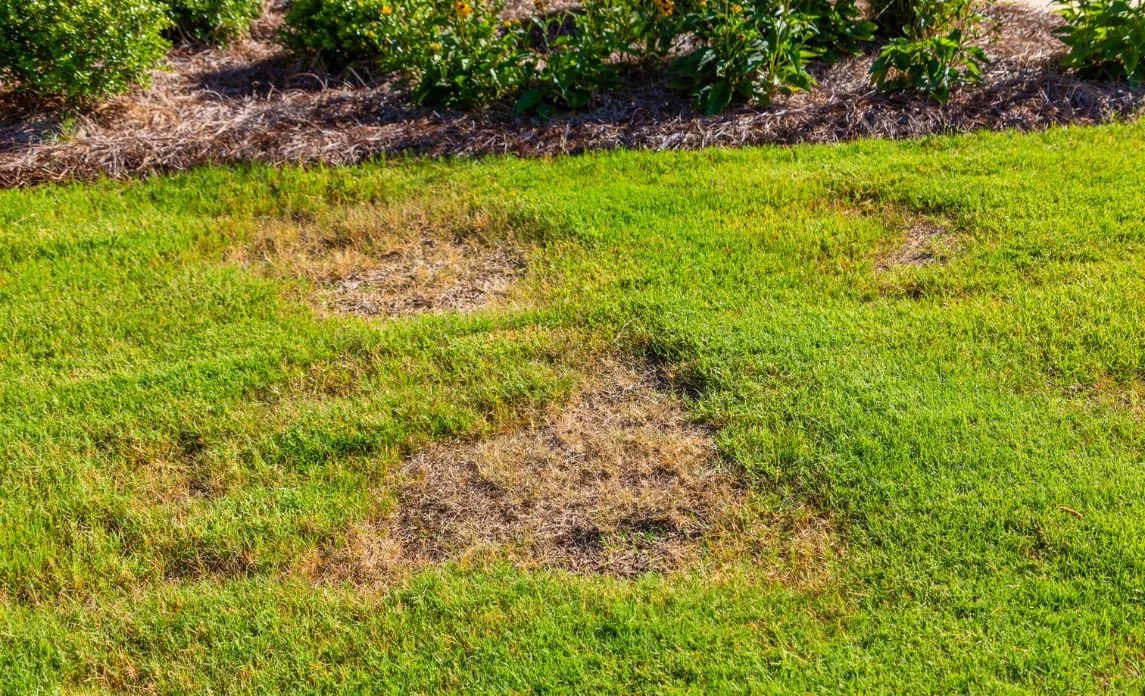
Image source: Bing (Web (fair-use with source credit))
Quick Answer
If you want to fix bare spots in lawn quickly, clear the dead grass, loosen the top inch of soil, and match the existing grass type. Seed with a quick-germinating blend like perennial ryegrass for fast coverage. Cover with a thin layer of compost or straw.
Water lightly two to four times daily. You'll see sprouts in 5 to 14 days depending on species.
Figure Out What's Actually Causing the Bare Spot
This is the step most homeowners skip, and the reason so many patches come back. If you don't know why the grass died, you'll just reseed into the same problem. Diagnose first, repair second.
Is it pet urine?
Dog urine burns grass because of nitrogen overload and salt. The spot usually has a small dark green ring around a dead center. The fix is flushing the soil with water, then choosing a salt-tolerant grass like tall fescue for the patch.
Repair in fall so roots establish before the next round of damage.
Is it shade?
Bare spots under trees or on the north side of the house mean the grass isn't getting the 4+ hours of sun it needs. A sunny-spot seed blend will fail there. Use a shade-tolerant mix, like fine fescue, and consider pruning the canopy to let more light through.
Is it grubs or insects?
If you can roll the dead grass back like a carpet, grubs are eating the roots. Treat with a labeled grub control product first. Wait the recommended interval, then reseed.
Seeding before treating just wastes seed.
Is it compaction or heavy traffic?
A path that always wears thin means the soil is compacted. Aerate the area before seeding. Loosen the top 1 to 2 inches with a rake or garden fork so new roots can actually push through.
Is it a fungal disease?
Circular brown patches with a defined edge or a "smoke ring" usually point to brown patch or summer patch. Don't seed over active disease. Treat the fungus first, then repair in the next season.
Pick the Right Fix for Your Situation
Once you know the cause, picking the right repair method gets a lot easier. Here's how to think through it.
| Method | Best For | Time to Green | Cost Per Sq Ft |
|---|---|---|---|
| Patch kit (seed + mulch mat) | Small spots under 1 sq ft | 7–14 days | $1.00–$2.00 |
| Hand-seeded bare spot | Medium patches, 1–10 sq ft | 10–21 days | $0.05–$0.15 |
| Sod piece | Instant fix, high-visibility areas | Immediate | $0.30–$0.80 |
| Plugs | Warm-season lawns (Bermuda, Zoysia) | 4–6 weeks | $0.20–$0.40 |
| Full overseeding | Widespread thinning | 2–3 weeks | $0.03–$0.08 |
Use seed when: the patch is small to mid-size, the rest of the lawn is healthy, and you can water it a few times a day. This is the go-to for most homeowners and the cheapest path.
Use sod when: the spot is in a high-visibility area (front yard, near a walkway) and you need it green today. Sod costs more per square foot but eliminates the germination risk.
Use plugs when: you have a warm-season grass like Bermuda or Zoysia that spreads by runners. Plugs fill in slowly but match the existing lawn perfectly.
Use a patch kit when: you have a tiny spot, want a no-guess option, and don't want to buy a whole bag of seed. The built-in mulch mat holds moisture and keeps birds off the seed.
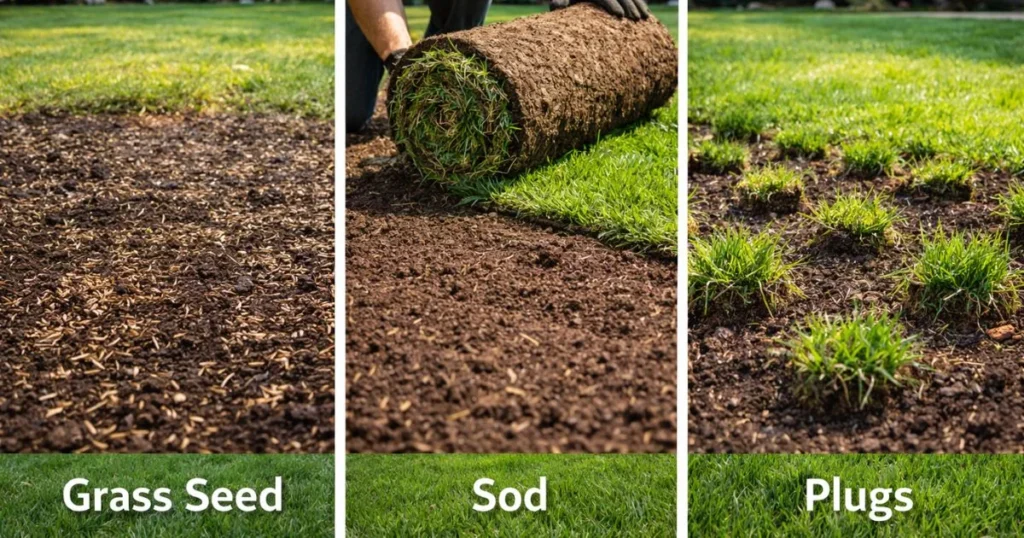
Image source: Bing (Web (fair-use with source credit))
Match the seed to your lawn
The fastest patch in the world fails if the grass doesn't match. Take a close look at the surrounding turf. If you don't know what it is, snap a photo and bring a blade to a local nursery.
Mismatched patches look like a quilt and never blend in.
For cool-season lawns, Kentucky bluegrass, perennial ryegrass, and tall fescue are the standards. For warm-season lawns, you're looking at Bermuda, Zoysia, St. Augustine, or Centipede.
Buy the right one, not whatever's on sale.
How to Patch Bare Spots Fast (Step-by-Step)
Here's the actual repair workflow. Plan on 15 to 30 minutes per spot, then 2 to 4 weeks of light daily watering.
1. Cut out the dead grass
Use a shovel or a sharp spade to cut out the dead patch, including a 2-inch border of healthy grass around it. Squaring off the edges (instead of leaving a ragged circle) makes the patch blend in better as it grows in.
2. Loosen the soil
Rough up the top 1 to 2 inches of soil with a hand rake or cultivator. You want a loose, crumbly surface. Hard, compacted soil is the #1 reason new seed fails to root.
3. Amend the soil (optional but worth it)
Mix in a ½-inch layer of compost or quality topsoil. This is especially helpful if the original soil looks pale, sandy, or clay-heavy. Compost adds microbial life and helps the patch hold moisture.
4. Apply starter fertilizer
A starter fertilizer is high in phosphorus (the middle number on the bag, like 10-18-10). It boosts root development in new seedlings. Don't substitute a regular lawn fertilizer, which can burn tender new roots.
5. Spread the seed
Scatter seed evenly at the rate listed on the bag (typically 3 to 5 lbs per 1,000 sq ft for repair). Press it in lightly with the back of a rake. Seed sitting loose on top dries out fast and feeds the birds.
6. Cover it
Top with a thin layer of straw, peat moss, or a seed-starting mulch blanket. The goal is to hold moisture, not block sunlight. You should still see soil through the cover.
7. Water on a tight schedule
For the first 7 to 10 days, water lightly 2 to 4 times a day. The top inch of soil needs to stay consistently damp, not soggy. Once sprouts come up, back off to once a day.
After 3 weeks, switch to a normal deep-watering schedule.
8. Wait to mow
Don't mow the patch until the new grass reaches about 3 inches. That usually takes 3 to 4 weeks. Premature mowing pulls seedlings out by the root.
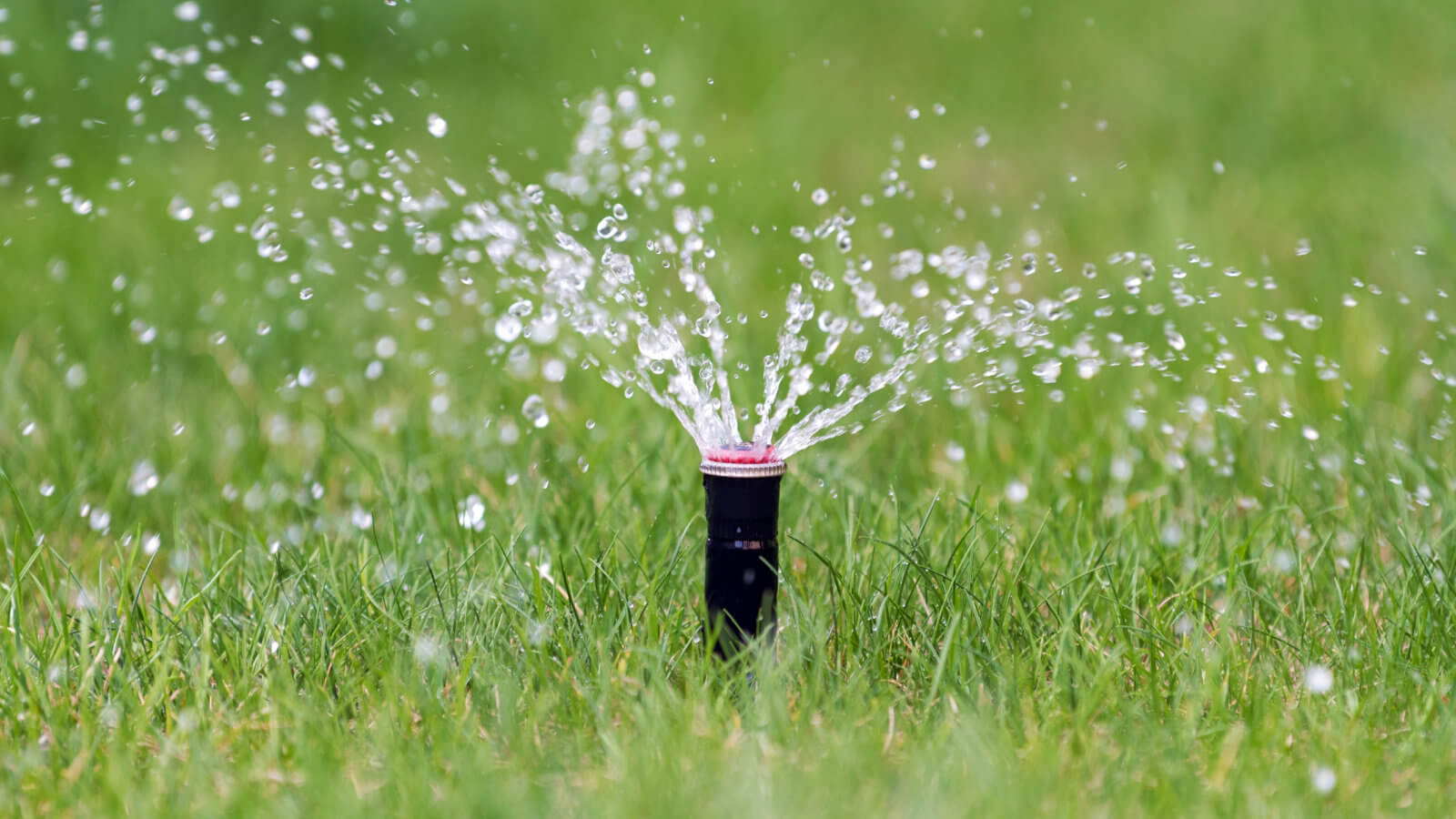
Image source: Bing (Web (fair-use with source credit))
Quickest Options by Repair Method
Not every bare spot is the same. Here's a tighter breakdown of the fastest path for each common situation.
Small spots under 1 square foot
A patch kit is your fastest path. The mat holds moisture and you skip the guesswork. Perennial ryegrass kits germinate in as little as 5 days.
Water twice a day and you're done in two weeks.
Medium spots 1 to 10 square feet
Hand-seeding with a quality bagged blend is the most cost-effective. Loosen the soil, seed at the bag rate, topdress with compost, and water on the light schedule above. Expect 10 to 21 days depending on the species.
Large spots over 10 square feet
At this size, sod starts to make sense. Hand-seeding large areas gets patchy without a spreader. Sod gives you a uniform, weed-free surface in one afternoon.
Roll it after laying, water deeply for 2 weeks, and avoid foot traffic for the first month.
Sloped or erosion-prone spots
Use a seed-starting erosion blanket (sometimes called an excelsior mat). It's a biodegradable mesh that holds seed and soil in place on a slope. Without it, watering will just wash your seed down the hill.
Pet-prone spots
Flush the soil with water before seeding to dilute the salt. Then choose tall fescue, which has the best urine tolerance among common lawn grasses. Train your dog to use a designated area, or the cycle repeats.
Mistakes That Make Bare Spots Come Back
Most patch failures trace back to one of a few common errors. Skip these and your repair has a real shot at holding.
Skipping the cause diagnosis
The single biggest reason patches come back is treating the symptom instead of the cause. Pet damage, grub damage, and shade all kill grass in the same end state. The fix is different for each.
Seeding at the wrong time
Seeding cool-season grass in midsummer wastes seed and water. Soil temps above 85°F cook young seedlings. Stick to fall (best) or early spring (second best) for cool-season lawns.
Warm-season grass likes late spring through summer.
Watering too much or too little
The top inch of soil should feel like a wrung-out sponge, not a puddle, and not a desert. Overwatering causes fungal problems in seedlings. Underwatering kills them before they break the surface.
Skipping the starter fertilizer
New seedlings have a short window to build roots. A starter fertilizer gives them the phosphorus they need to push deep. Skip this and growth stalls.
Mowing too early
Mowing before the new grass has rooted rips seedlings out of the ground. Wait until it's at least 3 inches tall, and never cut more than a third of the blade at once.
Using the wrong seed
A sunny-lawn blend under a tree, or a Kentucky bluegrass patch in a Bermuda lawn, looks wrong and grows wrong. Match the existing turf and the light conditions.
Pro Tips to Speed Up Recovery
A few small moves shave days off your timeline. None of them are fancy, and most cost nothing.
Pre-germinate the seed
Soak seed in a damp paper towel inside a sealed bag for 24 to 48 hours before you spread it. Once you see tiny white root tips, plant immediately. This can cut 3 to 5 days off the germination window.
Water at dawn
The first watering of the day is the most important. Cool morning temps mean less evaporation and more water reaching the seed. Skip the evening soak, which leaves blades wet overnight and invites fungus.
Use a light topdressing
A ¼-inch layer of compost over the seed holds moisture and keeps birds off. It also feeds the seedlings as it breaks down. Peat moss works too, but it crusts over if you go too thick.
Roll the patch
A light pass with a lawn roller (or even a tamping board) presses seed into firm contact with the soil. Good seed-to-soil contact is what triggers germination. Loose seed on loose soil dries out fast.
Hold the herbicide
Most pre-emergent weed killers stop grass seed from germinating just as easily as weed seeds. If you've recently put down a pre-emergent, wait the full interval on the label before patching. Same goes for broadleaf weed killers applied within the last 4 to 6 weeks.
Feed the lawn around it
A thin, hungry lawn won't fill in around the patch. A light feeding of the surrounding turf in the same week helps the new and old grass knit together faster.
🚜 Agronomist Recommended: Dethatching & Disease Management Tools
Combat thatch suffocating your turf and stop rapid fungal spread with tested maintenance equipment and systemic fungicides:
- Electric Power Dethatcher & Scarifier:Check Electric Dethatchers & Scarifiers on Amazon →
- Broad-Spectrum Systemic Fungicide:Check Scotts DiseaseEx Lawn Fungicide on Amazon →
*FTC Disclosure: As an Amazon Associate, Totally Green Lawn earns from qualifying purchases.*

Similar Posts