Ironite vs Milorganite: Which Fertilizer Greener Grass?
Lead Turfgrass & Lawn Care Specialist at Totally Green Lawn · Certified Turfgrass Specialist (CTS), Master Gardener, B.S. in Agronomy & Turf Science · 14+ years in residential turf management, organic fertilization, and weed science
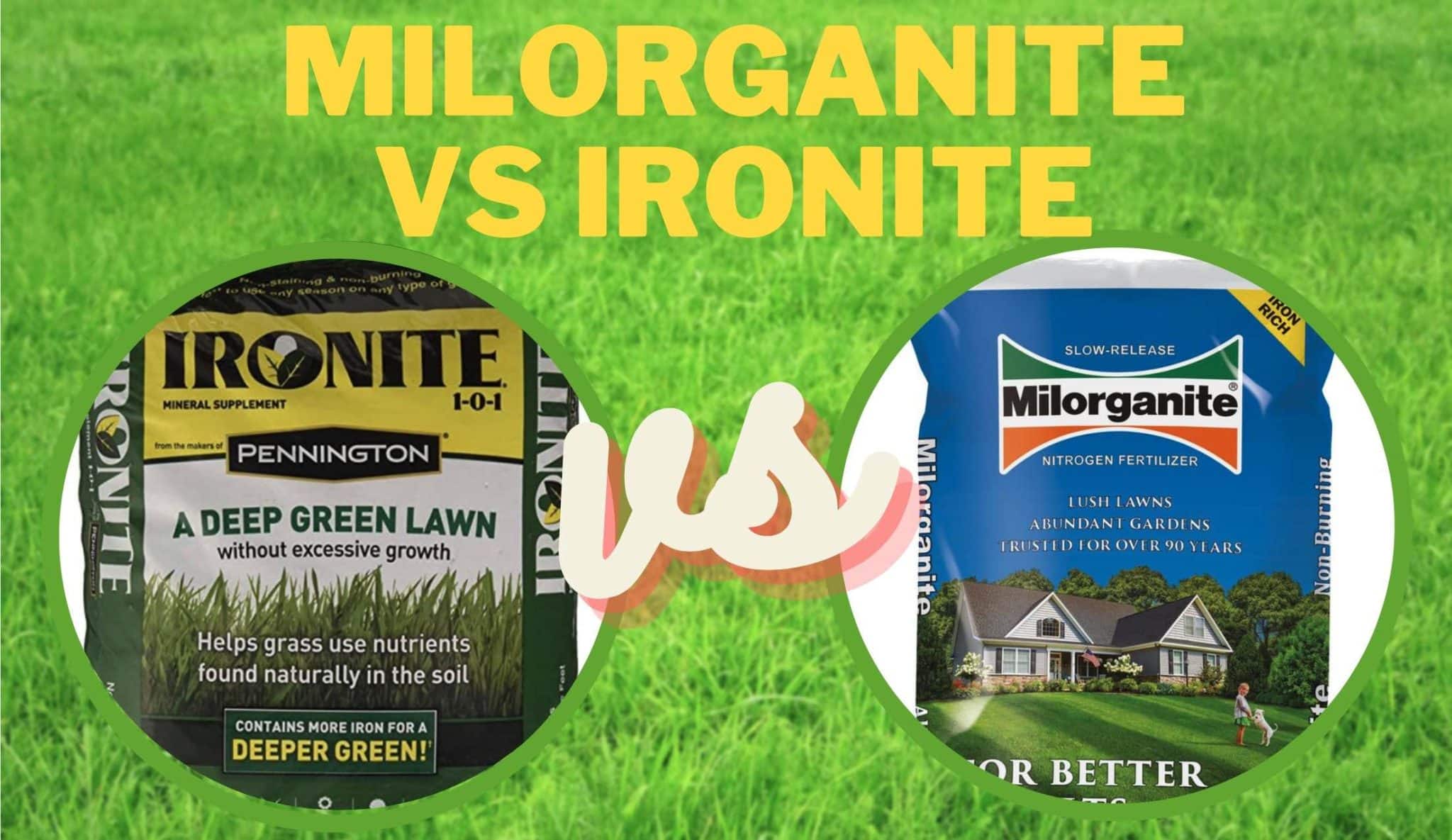
Image source: Bing (Web (fair-use with source credit))
If you're trying to choose between Ironite and Milorganite for green grass, here's the honest truth. These two fertilizers look similar on the shelf, but they work in completely different ways. One greens your lawn fast and cheap, the other feeds it slow and steady.
Picking the wrong one means wasted money and mediocre results.
Ironite is a mineral-based supplement with a 1-0-0 analysis and roughly 1% iron, designed for quick color boosts. Milorganite is an organic biosolids fertilizer with a 6-4-0 N-P-K ratio and about 2.5% iron, built for long-term turf health. Manufacturer specifications and university extension guidance (like Penn State Extension) confirm these products serve very different purposes.
Let's break down which one fits your lawn.
Quick Answer
Ironite greens grass faster, in 3 to 7 days. Milorganite feeds the soil and lasts 8 to 10 weeks. Pick Ironite for a quick color fix.
Pick Milorganite for long-term lawn health and pet-safe feeding.
What's Actually Inside Each Bag: Formulas, Iron Content, and How They Feed Your Lawn
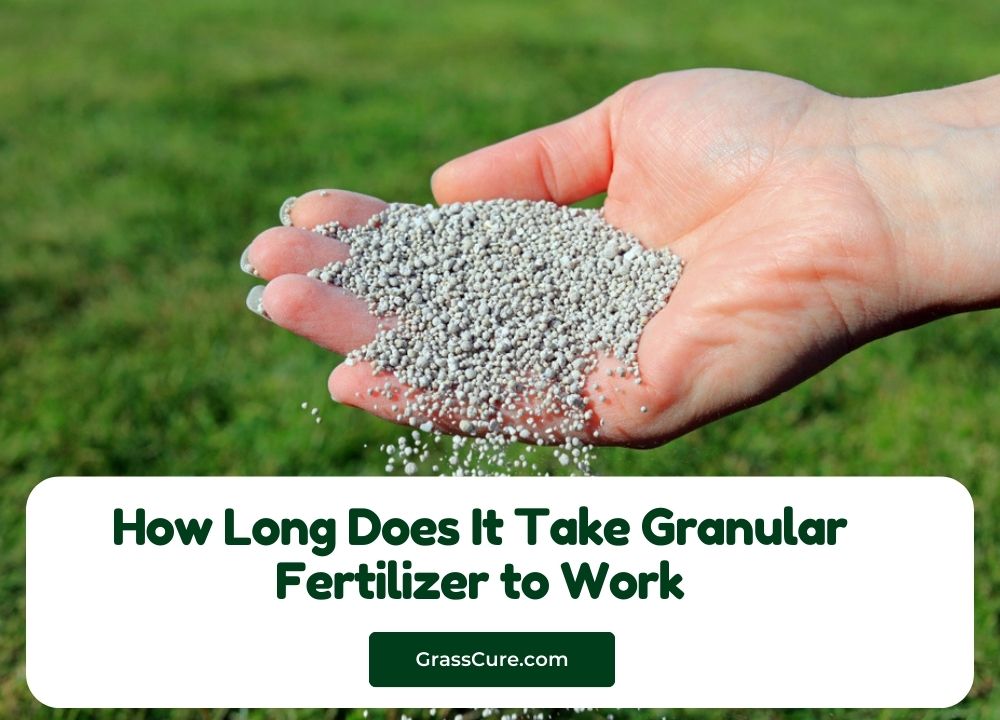
Image source: Bing (Web (fair-use with source credit))
The biggest difference between these two products comes down to what's in the bag. Ironite is a mineral-based iron supplement. The classic formula is a 1-0-0 (nitrogen-phosphorus-potassium) analysis with 1% iron and 1% sulfur.
Some newer Ironite SKUs come in 6-2-1 or 6-2-2 blends, which add a small nitrogen charge alongside the iron.
Milorganite is a 6-4-0 organic fertilizer made from heat-dried biosolids. It carries 2.5% iron in a water-insoluble, slow-release form. It also has roughly 85% organic matter, which feeds soil microbes over time.
How They Feed Your Grass
Ironite works by coating grass blades with iron that's immediately available. Your lawn absorbs it through the foliage and roots, producing a deep green color fast. But it doesn't do much for soil biology or long-term turf vigor.
Think of it as a color supplement, not a meal.
Milorganite releases nitrogen and iron slowly as soil microbes break down the organic material. University extension research consistently shows that slow-release nitrogen produces more uniform growth, reduces mowing frequency, and lowers the risk of fertilizer burn. The trade-off?
You wait longer to see the green-up.
Key Formula Comparison
| Feature | Ironite | Milorganite |
|---|---|---|
| N-P-K Analysis | 1-0-0 (mineral) or 6-2-1 | 6-4-0 |
| Iron Content | ~1% (fast-release) | 2.5% (slow-release) |
| Base Material | Mineral compounds | Organic biosolids |
| Feed Duration | 2–4 weeks | 8–10 weeks |
| Visible Green-Up | 3–7 days | 10–21 days |
| Smell | None | Earthy (1–2 weeks) |
Ironite vs Milorganite at a Glance: Side-by-Side Comparison
Now let's put them head-to-head on the factors that actually matter when you're standing in the garden center trying to decide.
Speed of Green-Up
Ironite wins this one easily. You can see noticeable color change in 3 to 7 days after application, especially on lawns showing iron chlorosis (yellowing between leaf veins). Milorganite takes 2 to 3 weeks to show visible results because the nutrients must break down first.
If you have a party in two weeks and want your lawn to look its best, Ironite is the faster fix.
Feeding Duration
Milorganite lasts much longer. One application feeds your lawn for 6 to 10 weeks, depending on weather and watering. Ironite fades after about 4 weeks, sometimes sooner in hot or rainy conditions.
Over a full growing season, that means 2 to 3 Milorganite applications versus 4 to 6 Ironite applications to maintain the same color.
Pet and Child Safety
Milorganite is widely considered safe for pets and kids once it's watered in and the grass is dry. The EPA classifies Milorganite as a Class A biosolids product, meaning it meets strict standards for pathogen and metal content.
Ironite isn't toxic, but the iron content can stain paws, paws, and concrete. It's also a synthetic mineral, so there's no soil-building benefit.
Cost Comparison
| Product | Avg. Bag Size | Coverage | Approx. Price (as of 2026) |
|---|---|---|---|
| Ironite Original | 25 lb | ~5,000 sq ft | $15–$25 |
| Milorganite | 32 lb | ~2,500–3,200 sq ft | $20–$30 |
Ironite is cheaper per bag, but you apply it more often. Milorganite costs more upfront but feeds longer, so the seasonal cost often works out similar.
Staining Risk
This is Ironite's biggest downside. The iron particles leave rust-orange stains on concrete driveways, sidewalks, patios, and even shoes. If you have light-colored hardscaping, you'll need to sweep or blow the product off hard surfaces immediately after application.
Milorganite doesn't stain, though it can leave a dark residue if over-applied. It washes off easily with water.
Where Each Product Wins (and Where It Falls Short)
Every fertilizer has a sweet spot. Here's where each one makes the most sense.
Ironite Is Best For:
- Quick color boosts before events or curb appeal goals
- Lawns with visible iron chlorosis (yellow blades with green veins)
- Homeowners on a tight budget who don't mind reapplying
- Short-term fixes during peak growing season
- Lawns that are already well-fed but need a color pop
Ironite Falls Short When:
- You want long-term soil health improvement
- You have pets or kids who play on the lawn frequently
- You have light-colored concrete or pavers nearby
- You live in a state with restrictions on heavy-metal fertilizers (Washington State has banned Ironite due to lead and arsenic content)
- You want to reduce how often you fertilize
Milorganite Is Best For:
- Long-term lawn health and steady, uniform growth
- Homeowners who want to feed soil biology, not just blades
- Pet owners and families with small children
- Eco-conscious gardeners who prefer recycled, sustainable products
- Lawns with poor soil structure that need organic matter
- Reducing fertilizer burn risk during summer stress
Milorganite Falls Short When:
- You need fast results for an upcoming event
- You're sensitive to organic odors (it smells earthy for 1, 2 weeks)
- Your budget is tight and you want the cheapest option per bag
- You're spot-treating a small yellow patch and want instant color
How to Apply Ironite and Milorganite the Right Way
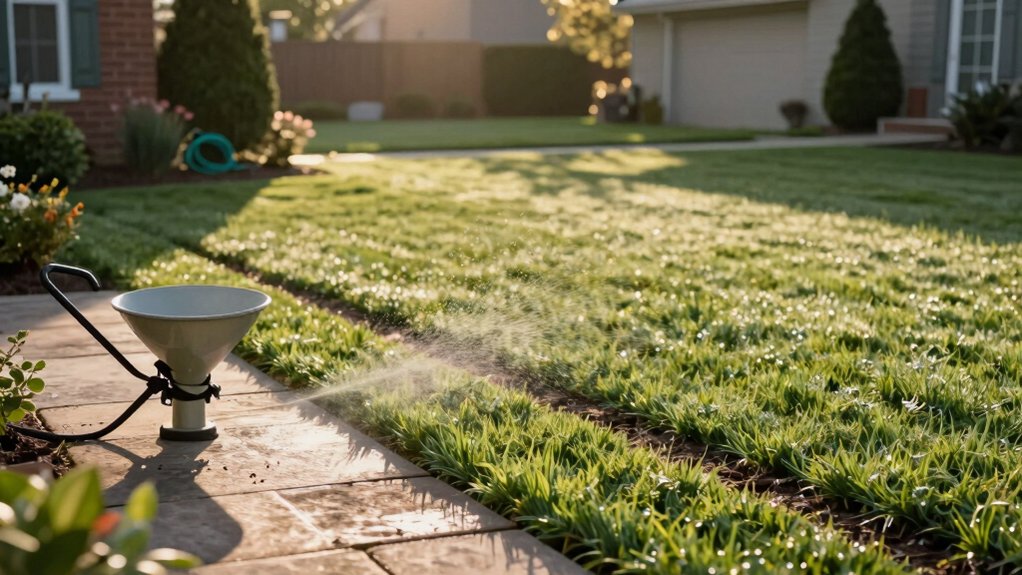
Image source: Bing (Web (fair-use with source credit))
Image source: Bing (Web (fair-use with source credit))
Application matters just as much as product choice. Get it wrong, and you'll waste product, burn your lawn, or stain everything in sight.
Step 1: Test Your Soil First
Before you apply either product, get a soil test. Most university extension offices offer soil testing for $10, $25. You'll learn your soil pH, nutrient levels, and organic matter content.
Why this matters: If your soil pH is above 7.5, iron becomes less available to grass roots, and no amount of supplemental iron will green up your lawn effectively. A soil test tells you whether you actually need iron or whether you need to adjust pH first.
Step 2: Calculate Your Lawn's Square Footage
Measure the length and width of each lawn section. Multiply them together. Add up all sections to get your total square footage.
This determines how much product you need.
Step 3: Choose and Calibrate Your Spreader
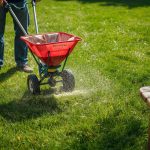
Both products work best with a broadcast (rotary) spreader for even coverage. Set your spreader to the setting listed on the product bag. For Ironite, that's usually a low-to-medium setting.
For Milorganite, it's typically medium-high.
Pro tip: Calibrate your spreader on a driveway first. Spread a known amount, measure how far it goes, and adjust until you hit the right application rate.
Step 4: Apply at the Right Rate
| Product | Application Rate | Frequency |
|---|---|---|
| Ironite Original (1-0-0) | 1 lb per 100 sq ft | Every 4–6 weeks |
| Ironite Lawn (6-2-1) | 0.5–1 lb per 100 sq ft | Every 6–8 weeks |
| Milorganite (6-4-0) | 1 lb per 100 sq ft (maintenance) or 1.5–2 lbs (first feeding) | Every 6–10 weeks |
Walk at a steady pace. Overlap passes slightly to avoid striping. Sweep or blow any product off driveways and sidewalks immediately.
Step 5: Water It In
Lightly water your lawn after applying either product. This washes granules off the grass blades down to the soil and activates the nutrients. For Milorganite, watering also speeds up microbial activity and reduces the earthy smell.
For Ironite, watering is critical to avoid leaf burn and staining.
Step 6: Time Your Mowing
Wait 24 to 48 hours after application before mowing. This gives the granules time to break down and settle into the soil. If you mow too soon, you'll suck up product with the bagger and lose most of the benefit.
Best Timing for Each Product
- Ironite: Apply in early spring for fast green-up, or mid-summer if your lawn looks stressed and yellow.
- Milorganite: Apply in late spring (after first growth surge) and again in early fall. Fall feeding is especially important for cool-season grasses like fescue and bluegrass, as it builds root reserves for winter.
Common Mistakes That Keep Your Lawn from Turning Green
Even with the right product, a few common errors can sabotage your results. Here's what to watch out for.
Mistake 1: Over-Applying Ironite
More iron doesn't mean greener grass. In fact, over-applying Ironite can cause leaf burn, turn grass black, and create iron toxicity in the soil. Stick to the recommended rate.
If you don't see results after 2 weeks, test your soil before applying more.
Mistake 2: Skipping the Soil Test
Many homeowners apply iron supplements when the real problem is high soil pH. If your pH is above 7.2, grass can't absorb iron even if it's sitting right there in the soil. You need sulfur or other acidifiers to lower pH first, not more iron.
Mistake 3: Applying Milorganite and Expecting Instant Results
Milorganite is slow-release by design. If you apply it and expect green grass in 3 days, you'll think it doesn't work. Give it 2 to 3 weeks.
The payoff is longer-lasting color and healthier soil.
Mistake 4: Applying Before Rain
Check the forecast before you spread. A heavy rain right after application will wash both products into storm drains or off-target areas. Light rain is fine.
A downpour is not.
Mistake 5: Not Sweeping Off Hard Surfaces
Ironite stains concrete within minutes. If you spill some on your driveway and leave it, you'll have rust marks that last for months. Keep a broom handy and sweep up spills immediately.
Mistake 6: Using Ironite as Your Only Fertilizer
Ironite is a supplement, not a complete lawn care program. If you only use Ironite, your soil will become depleted of nitrogen, phosphorus, and potassium over time. Use it as a color boost alongside a balanced fertilization schedule.
Mistake 7: Ignoring State Restrictions
Washington State has banned Ironite due to its lead and arsenic content. If you live in a restricted state, Milorganite is your only option between these two. Check your state's fertilizer regulations before buying.
Which One Should You Buy? A Straightforward Decision Guide
Still torn between the two? Let's make it simple.
Pick Ironite If:
- You need a quick color fix within a week
- Your lawn is mostly healthy but looks yellow
- You have a limited budget and don't mind reapplying
- You don't have pets or kids using the lawn daily
- You don't have light-colored hardscaping nearby
Pick Milorganite If:
- You want long-term lawn health, not just color
- You have pets, kids, or both
- You're building a sustainable, low-maintenance lawn care routine
- Your soil is sandy, compacted, or low in organic matter
- You prefer fewer applications per season
- You live in a state where Ironite is restricted
Can You Use Both?
Yes, and many homeowners do. A common approach is using Milorganite as your base fertilizer (2 to 3 times per year) and adding Ironite as a mid-summer color boost if your lawn starts looking pale. Just space them about 2 to 3 weeks apart and don't exceed the recommended rates for either product.
If you go this route, apply Milorganite in early spring and early fall. Then use Ironite in late spring or mid-summer only if needed for color. This combo gives you soil health benefits plus fast green-up when it counts.
Ironite vs Milorganite: Frequently Asked Questions
Does Milorganite actually work as well as synthetic fertilizer?
Yes, but it works differently. Manufacturer specs and university extension research confirm Milorganite's slow-release nitrogen feeds grass steadily over 8 to 10 weeks. Synthetic fertilizers often green lawns faster, but they can cause growth spikes, more mowing, and higher burn risk.
For long-term turf health, organic slow-release options like Milorganite consistently perform well in side-by-side trials.
How long does Milorganite smell after application?
The earthy biosolids odor lasts 7 to 14 days, depending on temperature and moisture. Watering the lawn thoroughly after application speeds up microbial breakdown and reduces the smell. In hot, humid weather, the odor is stronger.
In cool, dry weather, it's milder and fades faster.
Can I use Ironite if I have a dog?
Yes, but with caution. Ironite isn't toxic to dogs in small amounts, but the iron particles can irritate paws and stain light-colored fur. Water the lawn after application to dissolve the granules, and keep pets off the grass until it's dry.
If your dog frequently eats grass or licks its paws, Milorganite is the safer choice.
Will Ironite burn my lawn?
It can if over-applied. Ironite contains mineral iron compounds that can cause leaf burn if concentrations get too high. Stick to the recommended rate (usually 1 lb per 100 sq ft for the original formula), and water it in immediately after spreading.
Avoid applying during the hottest part of the day or during drought stress.
Why is Ironite banned in some states?
Washington State banned Ironite in 2010 due to elevated lead and arsenic levels. Other states have issued warnings but haven't implemented full bans. If you live in a restricted state, check your local regulations before purchasing.
Milorganite meets federal biosolids standards and is not subject to the same restrictions.
Which product is better for a new lawn?
Milorganite is the better choice for new lawns. Its organic matter content improves soil structure, which helps young grass establish stronger roots. The slow-release nitrogen also prevents the growth spikes that can weaken new turf.
Ironite can be used later as a color supplement once the lawn is established, typically after the first full growing season.
Can I apply Milorganite in summer?
Yes, but with timing considerations. Milorganite is less likely to burn than synthetic fertilizers, even in summer heat. However, applying it during peak summer stress (above 90°F for extended periods) can slow microbial activity and reduce effectiveness.
Early morning or evening applications, followed by light watering, give the best results. For cool-season grasses, early fall and late spring are the ideal feeding windows.
🌱 Agronomist Recommended: Bio-Stimulants & Turf Nutrition
Achieve deep golf-course green color and root resilience without surge growth using lab-verified nutrients and bio-stimulants:
- Liquid Iron & Humic Acid:Check Liquid Iron & Humic Blends on Amazon →
- Stress-Blend High Potassium Fertilizer:Check High Potassium Lawn Fertilizers on Amazon →
*FTC Disclosure: As an Amazon Associate, Totally Green Lawn earns from qualifying purchases.*

Similar Posts