Can You Apply Mesotrione When Seeding Tall Fescue?
Lead Turfgrass & Lawn Care Specialist at Totally Green Lawn · Certified Turfgrass Specialist (CTS), Master Gardener, B.S. in Agronomy & Turf Science · 14+ years in residential turf management, organic fertilization, and weed science
Yes, you can apply mesotrione when seeding tall fescue. In fact, it's one of the few herbicides labeled for use right at the time of seeding, making it a go-to choice for fall renovations. The key is sticking to the 4 fl oz/A rate for new seedings and timing your application to match the seeding window.
Most pre-emergents will stop your seed from germinating along with the weeds. Mesotrione (sold under the brand name Tenacity) works differently. It blocks an enzyme called HPPD in susceptible plants, bleaching weeds like crabgrass, foxtail, and chickweed while leaving cool-season grasses like tall fescue largely alone.
As of 2026, it remains the only widely available herbicide with this dual pre- and post-emergence flexibility at seeding. The trick is getting the rate, timing, and grass stage right, which is what we'll walk through below.
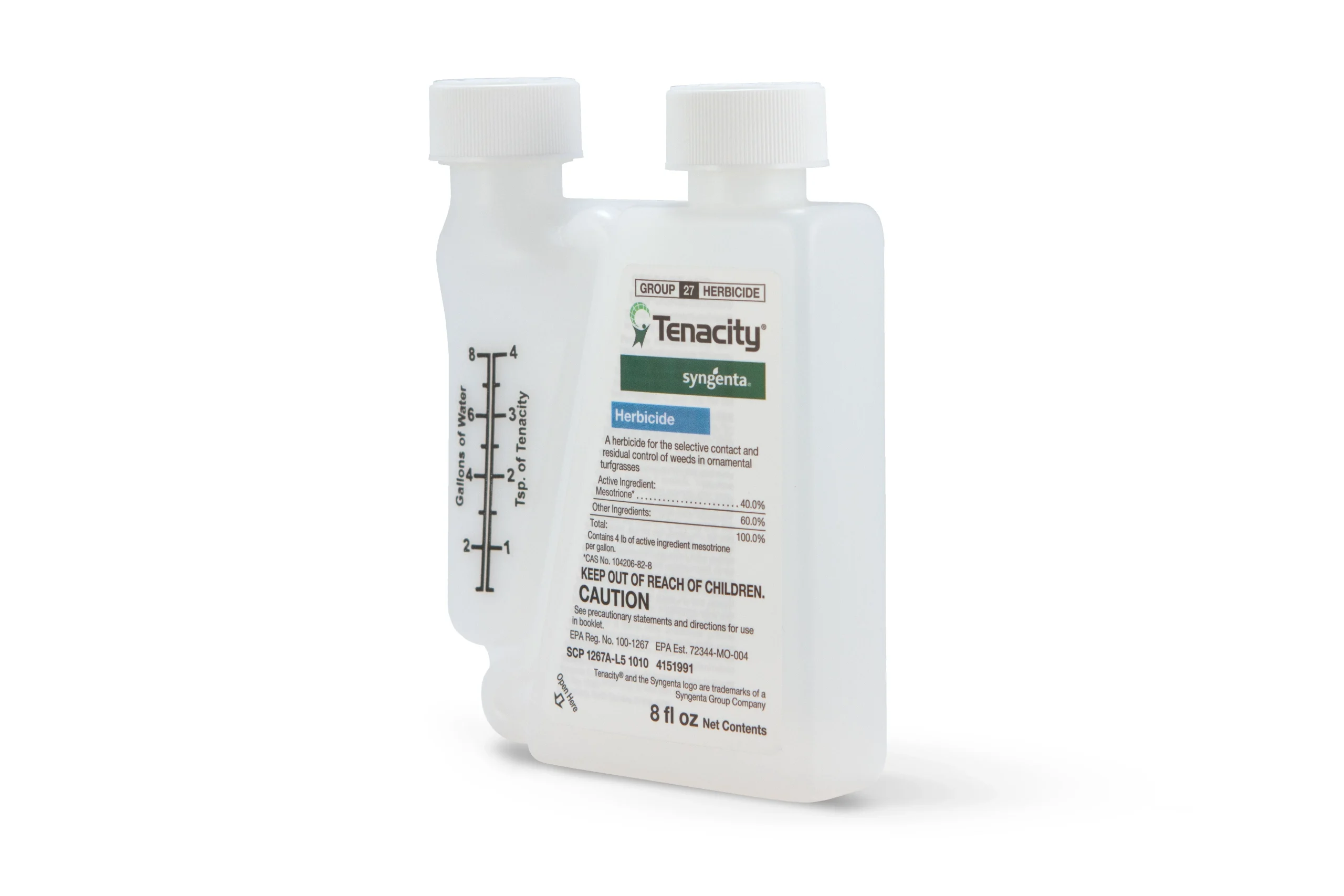
Image source: Bing (Web (fair-use with source credit))
Quick Answer
Yes, you can apply mesotrione when seeding tall fescue. Use the 4 fl oz/A rate for new seedings. Apply at or just before seeding.
Do not exceed 8 fl oz/A on seedling tall fescue. Avoid spraying during heat or drought stress. Always read the current product label.
How Mesotrione Works and Why It's the Exception
Mesotrione belongs to a class of herbicides called HPPD inhibitors. It blocks 4-hydroxyphenylpyruvate dioxygenase, an enzyme that weeds need to produce protective pigments. Without those pigments, susceptible weeds turn white, stop photosynthesizing, and die within a few weeks.
What makes mesotrione different from almost every other pre-emergent is its selectivity. Prodiamine, pendimethalin, and dithiopyr all sit in the soil and stop grass seed from germinating right alongside the weeds. Mesotrione doesn't work that way.
It targets an enzyme pathway that cool-season turfgrasses tolerate well, especially tall fescue and perennial ryegrass.
That selectivity is why the Tenacity label (EPA Reg. 432-1516) allows application at the time of seeding. It's a pre-emergent and a post-emergent in the same jug, and it doesn't terminate your seed.
A few other things worth knowing about how it behaves:
- It has soil residual activity, so it keeps working for several weeks after application.
- It's absorbed through roots, shoots, and foliage, which is why you get both pre- and post-emergence control.
- Visible bleaching on weeds shows up in 5 to 14 days.
- Rain or irrigation within a few hours of application helps activate the soil residual.
Tall fescue (Festuca arundinacea) is a bunch-type cool-season grass with good tolerance to mesotrione at labeled rates. Kentucky bluegrass and perennial ryegrass also tolerate it well. Some warm-season species and creeping bentgrass can show injury, which is why the label restricts use on bentgrass greens.
When You Can (and Can't) Spray Mesotrione at Seeding
The label gives you a few different timing windows, and they aren't all equal. Here's the decision logic most turf managers follow:
If You're Starting from Bare Soil (New Lawn or Full Renovation)
You can apply mesotrione either 7 days before seeding or immediately after seeding, before the seed germinates. The 4 fl oz/A rate is the standard. At this point, the seed hasn't started growing, so there's no seedling to injure, and the herbicide gets into the soil where it can stop crabgrass and foxtail as they germinate.
If You're Overseeding an Existing Stand
Wait until the existing tall fescue has been mowed at least twice and the new seed has germinated. At that point, you can apply mesotrione at 4 fl oz/A to control weeds that have emerged with the new seedlings. Skip this window if the existing turf is dormant, stressed, or heat-stressed.
If Your Seed Has Already Germinated and Seedlings Are Up
You can still apply mesotrione, but only at the 4 fl oz/A rate and only after the seedlings have at least one or two leaves. Earlier than that and you risk bleaching the new grass.
When NOT to Apply
- During summer heat (soil temps above 85°F) or drought stress.
- On seedling tall fescue under 2 weeks old without at least one mowing.
- On turf that's been recently verticut or scalped.
- If you're within 12 hours of expected rain without irrigation as a backup.
- On bentgrass greens or fine fescue lawns (different tolerance profile).
A simple rule: if the tall fescue is actively growing and the soil is moist, you're usually safe. If the grass is heat-stressed or dormant, hold off.
The Right Application Rate and Timing for Tall Fescue
The rate split is the part most people get wrong. The Tenacity label has two main use rates: 4 fl oz/A for new seedings and 8 fl oz/A for established turf. Use the wrong one and you'll either under-control weeds or bleach your new grass.
| Scenario | Rate | Timing | Notes |
|---|---|---|---|
| Pre-seeding on bare soil | 4 fl oz/A | Up to 7 days before seeding | Activates soil residual before weed pressure starts |
| At-seeding application | 4 fl oz/A | Same day as seeding, before germination | Most common approach for fall renovations |
| Post-germination on seedlings | 4 fl oz/A | After 1–2 leaf stage, before 4th leaf | Avoid spraying seedling turf that's heat-stressed |
| Established tall fescue | 5–8 fl oz/A | Any time during active growth | Higher rate for tougher weeds like nimblewill |
Tall fescue typically germinates in 7 to 14 days under good conditions, so the at-seeding application gives you a head start on weeds. If you apply 7 days before seeding, the herbicide is already in the soil waiting for crabgrass to wake up.
A few practical details for getting the application right:
- Carrier volume: 20 to 40 gallons of water per acre. Lower volumes (under 20 GPA) work but coverage gets uneven on rough seedbeds.
- Surfactant: The label requires a non-ionic surfactant (0.25% v/v) for post-emergence control. For pre-emergence use at seeding, surfactant is optional but commonly added.
- Sequential applications: If weed pressure is heavy, a second application 14 to 21 days later is allowed. Don't exceed 16 fl oz/A per year.
- Mowing: Hold off mowing for 2 to 3 days before and after application. Mowing right before a post-emergence spray removes the weed leaves you want to hit.
- Irrigation: A light watering (0.25 to 0.5 inch) within 24 hours of application moves the herbicide into the soil and activates the residual.
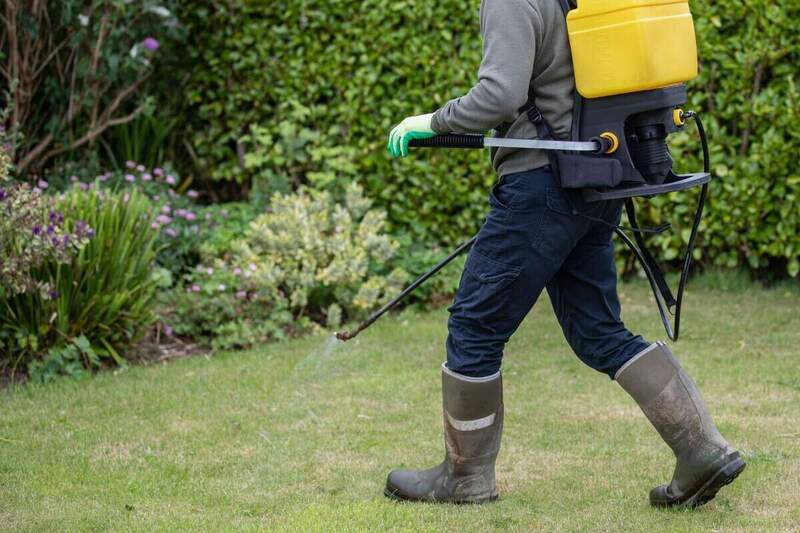
Image source: Bing (Web (fair-use with source credit))
If you're seeding in late summer for a fall lawn, target your mesotrione application for when soil temps drop below 70°F at the 4-inch depth. That's usually late August through mid-September across most of the transition zone, which is also prime tall fescue seeding weather.
Common Mistakes That Stunt or Bleach New Fescue
Most mesotrione problems on new tall fescue come from one of four errors. Here's what to watch for, based on extension service guidance and label language.
Using the 8 fl oz/A Rate on New Seedings
This is the single biggest issue. The 8 fl oz/A rate is for established turf only. On seedling tall fescue, it can cause whitening of the new grass and slow down establishment.
Stick to 4 fl oz/A until the lawn has been mowed 3 to 4 times.
Applying During Heat or Drought
Mesotrione uptake slows when grass is stressed. Worse, stressed seedlings have a harder time metabolizing the herbicide, which increases the risk of injury. If daytime temps are above 90°F or the lawn is showing drought stress, wait.
Skipping Irrigation After Application
A pre-emergent application that doesn't get watered in sits on the soil surface and breaks down under UV light. You lose weeks of residual control. A short irrigation cycle (10 to 15 minutes on most sprinklers) within a few hours of spraying makes a real difference.
Mixing with the Wrong Adjuvants
Mesotrione plays well with most tank-mix partners, but some crop oil concentrates and methylated seed oils can increase uptake and cause bleaching on desirable grass. Stick to non-ionic surfactant at 0.25% v/v unless the label or an extension specialist specifically recommends otherwise.
Mowing Too Soon After Spraying
Mowing removes the weed foliage that mesotrione needs to penetrate for post-emergence control. It also stresses the new grass right when it's trying to recover from establishment. Wait 2 to 3 days on either side of an application.
Overlapping Spray Passs
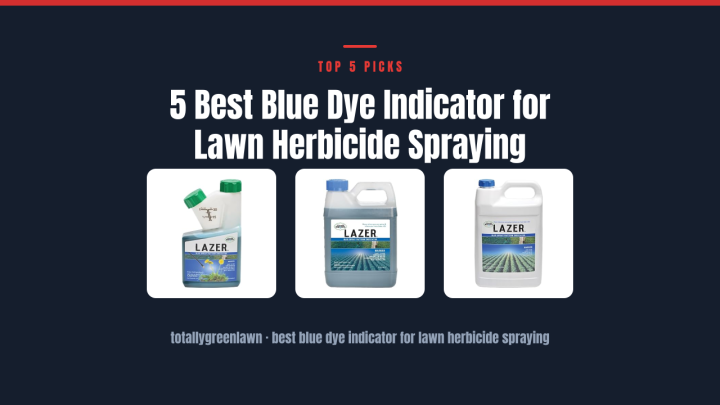
On a sprayer without consistent overlap, you'll get streaky weed control. On a sprayer with too much overlap, you'll double-dose the grass and risk injury. Calibrate your boom or hose-end sprayer before you start, and use dye markers if you're not sure where you've been.
Mesotrione vs. Other Herbicides at Seeding
Most pre-emergents can't be used at seeding. Prodiamine, pendimethalin, and dithiopyr all stop grass seed from germinating right alongside the weeds. That's why mesotrione became the go-to for fall renovations, and why some folks still reach for older options like siduron when they want a traditional pre-emergent that's safe at seeding.
Here's how the main options compare for tall fescue establishment:
| Herbicide | Use at Seeding? | Tall Fescue Tolerance | Weed Spectrum | Notes |
|---|---|---|---|---|
| Mesotrione (Tenacity) | Yes | Excellent | Grassy + broadleaf | Pre- and post-emergence; 4 fl oz/A rate |
| Siduron (Tupersan) | Yes | Good | Mostly grassy (crabgrass) | Pre-emergence only; limited broadleaf control |
| Prodiamine (Barricade) | No | N/A at seeding | Grassy + some broadleaf | Wait 4–6 months after seeding |
| Pendimethalin (Pendulum) | No | N/A at seeding | Grassy + some broadleaf | Wait 3–4 months after seeding |
| Quinclorac (Drive) | No | N/A at seeding | Crabgrass, some broadleaf | Wait 28 days after seeding |
| Dithiopyr (Dimension) | Limited | Check label | Grassy + some broadleaf | Can suppress seedling establishment |
Siduron is the closest direct alternative. It's been around for decades and is labeled for use at seeding of most cool-season grasses, including tall fescue. The catch is weed spectrum: siduron mostly handles crabgrass and a few other grassy weeds.
It does almost nothing on broadleaves like chickweed, henbit, or dandelion seedlings. Mesotrione handles both categories.
If you're dealing with a known crabgrass problem and nothing else, siduron is a solid budget-friendly pick. If you want broad-spectrum control in a single product at the time of seeding, mesotrione is the better fit.
For post-emergence only, quinclorac works on crabgrass and a few broadleaves, but you'll need to wait about a month after seeding. That's a long window where weeds can outcompete slow-establishing fescue.
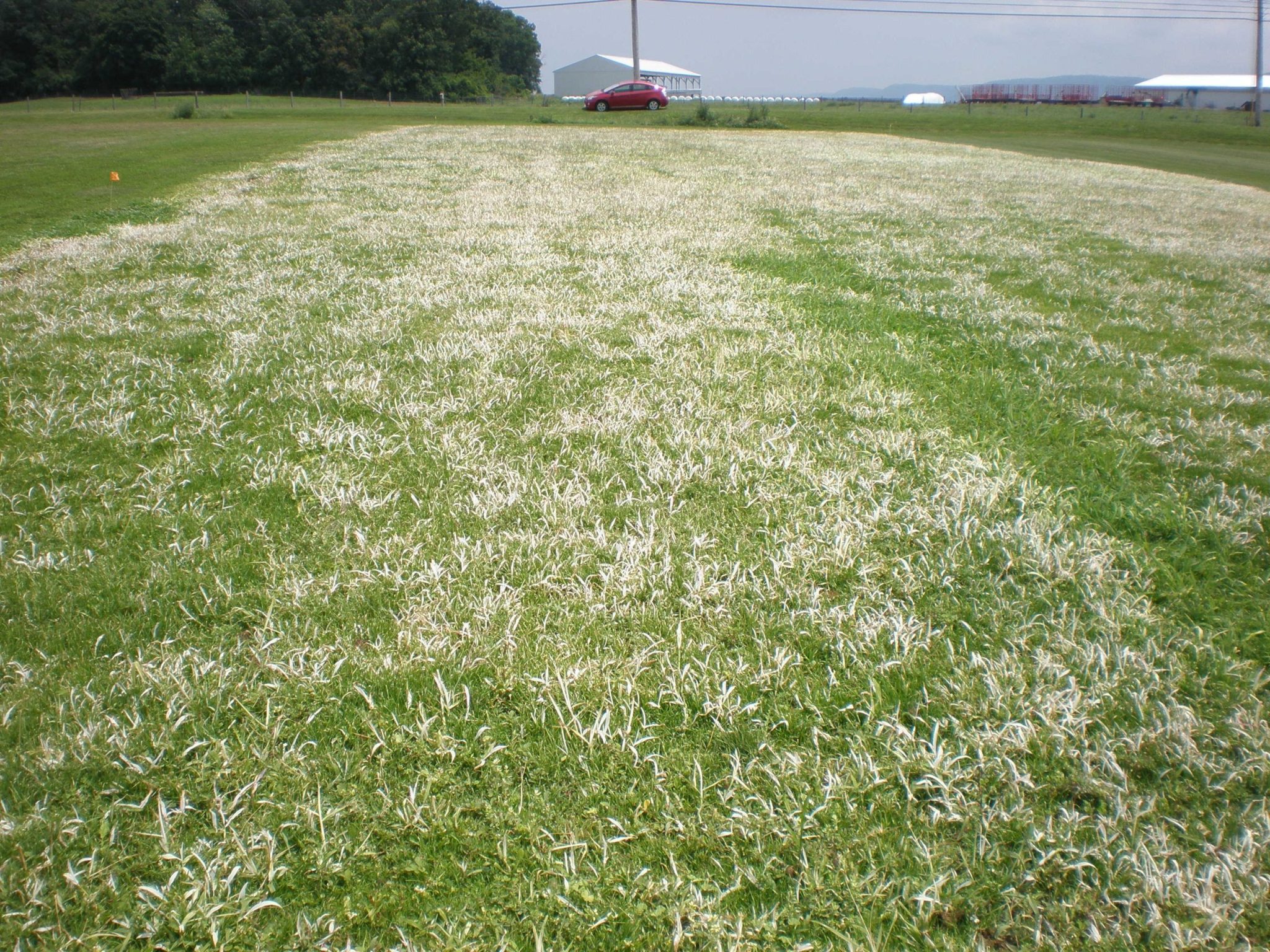
Image source: Bing (Web (fair-use with source credit))
State Rules, PPE, and Legal Stuff Worth Knowing
Mesotrione is a restricted-use pesticide in several states, which means you'll need an applicator license to buy or apply it in those areas. Restricted-use status varies, so check your state's pesticide regulatory agency before you order. The classification typically hinges on groundwater concerns and worker exposure data, not on the product's danger to homeowners following the label.
Beyond licensing, the Tenacity label (EPA Reg. 432-1516) lists the safety basics that apply everywhere:
- Re-Entry Interval (REI): 12 hours. Keep people and pets off treated areas until the spray has dried.
- PPE: Long-sleeved shirt, long pants, chemical-resistant gloves, and eye protection. Boots are recommended.
- Worker Protection Standard: Applies on agricultural and commercial sites where workers will re-enter treated areas.
- Drift: Avoid spraying when wind speeds exceed 10 mph. Mesotrione drifts easily and can bleach nearby ornamentals, tomatoes, or other sensitive broadleaves.
- Storage: Keep in original container, away from feed and foodstuffs, and out of extreme heat.
A few extra considerations worth flagging:
- Do not apply within 12 hours of expected rain unless irrigation is available as a backup.
- Do not graze treated areas or feed clippings to livestock unless the label allows it.
- Do not apply to bentgrass greens or fine fescue lawns.
- Check for county-level pesticide notification requirements in places like New York, California, and parts of New England.
If you hire a lawn care company for the application, ask for their applicator license number and a copy of the label they plan to follow. Licensed operators should have both on hand.
For a deeper look at state-by-state status and label updates, the Syngenta Tenacity product page and the EPA Pesticide Product Label System are the official sources.
Frequently Asked Questions
How long after seeding tall fescue can I spray mesotrione?
You can spray mesotrione the same day you seed, before the seed germinates. For post-emergence use on seedlings, wait until the new grass has at least one to two leaves, usually 2 to 3 weeks after germination. Always stay at 4 fl oz/A on seedling tall fescue.
Will mesotrione kill tall fescue seed?
No. Mesotrione is selective and does not prevent tall fescue seed from germinating. It's actually labeled for use at the time of seeding, which is rare for any herbicide.
Always confirm the current label before application.
Can I mix mesotrione with starter fertilizer?
Yes, in most cases. Mesotrione is compatible with most liquid starter fertilizers and many granular carriers. Avoid mixing with high-ammonia foliar feeds or anything that raises the spray solution pH above 7.5.
A simple jar test before mixing a full tank is always smart.
How long does mesotrione last in the soil?
Soil half-life runs roughly 5 to 30 days depending on microbial activity, temperature, and moisture. Residual weed control typically lasts 4 to 6 weeks after application, which is why a sequential spray 14 to 21 days later is common in heavy crabgrass pressure situations.
Is mesotrione safe around trees and shrubs?
Mostly, but drift is a real risk. Mesotrione can bleach the foliage of sensitive ornamentals, including some maples, roses, and many broadleaf shrubs. Spray on calm days, use a coarse droplet size, and keep the boom close to the ground when working near landscape beds.
Do I need a license to buy Tenacity?
It depends on your state. Mesotrione is restricted-use in several northeastern and mid-Atlantic states, which means you need an applicator license to purchase it. In most other states, homeowners can buy it over the counter.
Check your state's pesticide regulatory agency for current classification before ordering.
🌾 Agronomist Recommended: Pre-Emergent & Weed Control Supplies
To prevent weed breakthroughs and protect desirable turfgrass from foliar injury, our agronomy field trials recommend calibrated pre-emergents and non-ionic surfactants:
- Professional Pre-Emergent:Check Prodiamine 65 WDG Pre-Emergent on Amazon →
- Non-Ionic Spray Surfactant:Check Non-Ionic Foliar Surfactants on Amazon →
*FTC Disclosure: As an Amazon Associate, Totally Green Lawn earns from qualifying purchases.*

Similar Posts