Uneven Cut Lines on Your Lawn? Here’s What Causes Them
Lead Turfgrass & Lawn Care Specialist at Totally Green Lawn · Certified Turfgrass Specialist (CTS), Master Gardener, B.S. in Agronomy & Turf Science · 14+ years in residential turf management, organic fertilization, and weed science
You walk out the door the morning after mowing, coffee in hand, expecting that clean, satisfying look, and instead you see streaks, patches, and ragged tips staring back. If you're wondering what causes uneven cut lines on freshly mowed lawn, the short version is this: it's almost never the grass. It's the equipment, the setup, or the technique, and in most cases, more than one of those is off at the same time.
The culprits line up in a predictable order based on turf research from university extension programs: dull or damaged blades, an unlevel mower deck, inconsistent tire pressure, overgrown or wet grass, and mowing too fast for the conditions. As of 2026, most residential mowers still ship with blades that need sharpening within the first 8 to 10 hours of use, which is often before the first bag of clippings even leaves the box. Let's walk through what you're actually looking at, so you can match the fix to the real cause instead of guessing.

Image source: Bing (Web (fair-use with source credit))
Quick Answer
Uneven cut lines on a freshly mowed lawn are caused by dull, nicked, or bent mower blades, an unlevel deck, uneven tire pressure, mowing wet or overgrown grass, and poor mowing technique. In most cases, the blade is the primary issue, with deck level and ground speed as supporting factors. Fix the blade first, then level the deck, and the lines usually even out within one or two mows.
What Uneven Cut Lines Actually Look Like (And Why the Pattern Matters)
Before you touch a single tool, slow down and actually look at what's happening. The pattern you're seeing tells you almost everything about the cause, and it saves you from replacing parts you don't need to replace.
Alternating Light and Dark Stripes
This is the classic striping look gone wrong, where every other pass looks taller, lighter, or fluffier than the one next to it. It usually means the deck is tilted, often because one tire sits lower than the others, or the deck itself was never leveled at the factory. If you're seeing this pattern, the height of cut (HOC) on one side is genuinely different from the other, not just an optical illusion from grass bending.
Random High Patches Across the Lawn
These look like the mower "missed" spots, with tufts of grass sticking up between clean-cut areas. Most of the time, the cause is a bent or nicked blade throwing off the cutting arc, or the deck bouncing on uneven ground. Thatch buildup over half an inch can also lift the wheels just enough to tilt the deck and leave high spots behind.
Scalped Edges and Wheel Tracks
Scalped edges happen where the deck drops below the desired height, often along curbs, driveways, or raised sprinkler heads. Wheel tracks, where the grass lays down or turns brown in the tire path, usually point to soft ground, low tire pressure, or mowing in the same direction every single time. Both are fixable, but they need different solutions, which is exactly why reading the pattern matters.
The Main Culprits Behind Uneven Cuts
Now that you can read the pattern, let's run through the actual causes. Most lawns with bad cut lines have two or three of these happening at once, so don't stop at the first one you find. Work through the list in order, from cheapest and easiest to check, up to the more involved fixes.
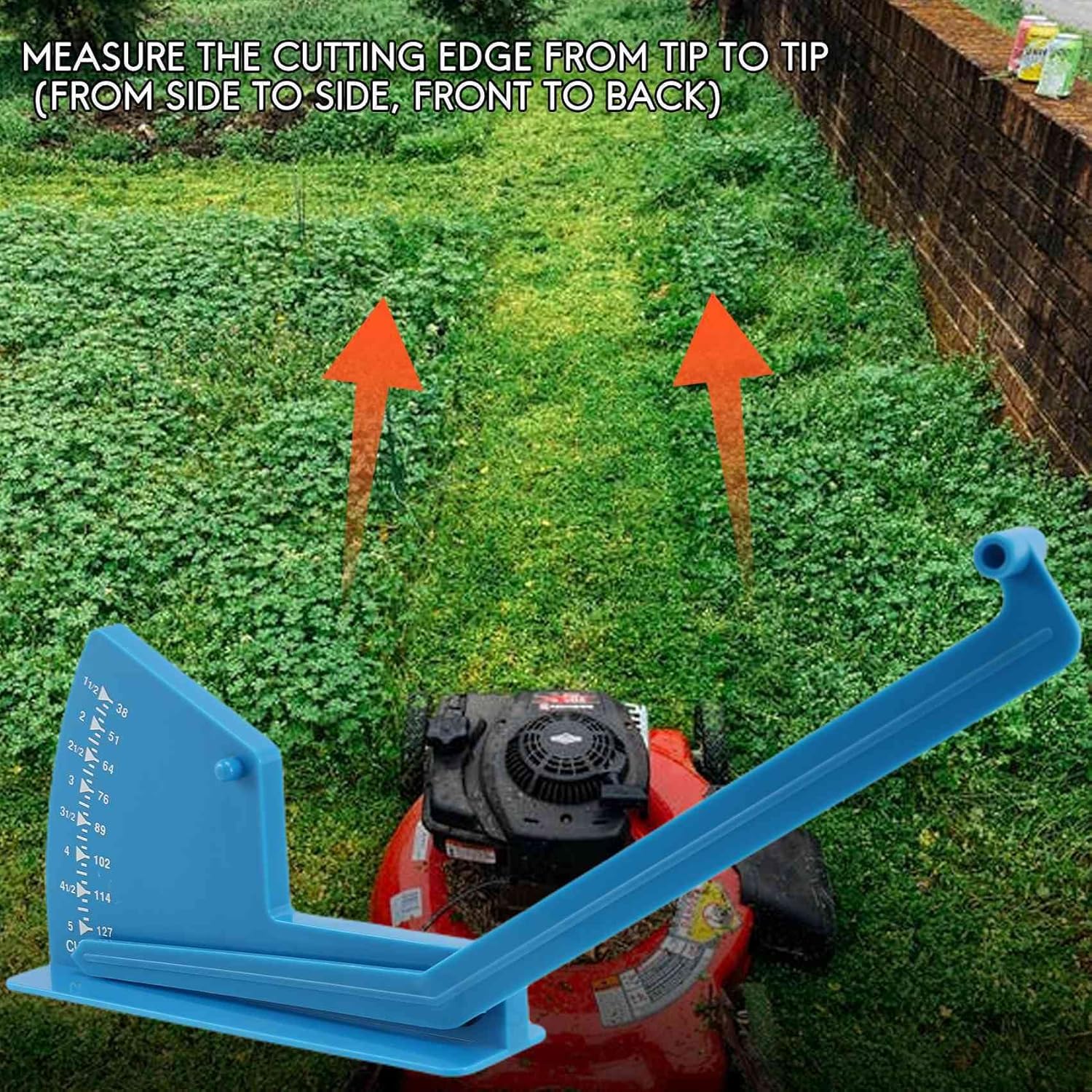
Image source: Bing (Web (fair-use with source credit))
Blade Condition: Dull, Nicked, or Bent
This is the number one cause, and it's the one that fixes the most lawns by itself. A sharp blade slices grass cleanly, leaving a flat, even tip that heals fast and looks crisp. A dull blade shreds it, leaving ragged, brown-tipped tips that read as uneven from across the yard.
A nicked or bent blade is worse, because it creates an unbalanced cut where one side of the deck cuts lower than the other.
Manufacturer specifications from major brands like Honda, Toro, and John Deere recommend sharpening every 8 to 10 hours of use, or roughly once per mowing season for the average homeowner. If you've hit rocks, roots, or hidden debris, inspect the blade before your next mow, even if it's only been a few weeks since you sharpened it. Hold the blade on a flat surface or balance it on a nail through the center hole.
If one side drops, it's bent and needs to be replaced, not just sharpened.
Deck Leveling and Pitch Issues
Even with a perfectly sharp blade, an unlevel deck will leave stripes. Most walk-behind and riding mowers allow you to adjust the deck height at each wheel or at linkage points, and the factory setting is rarely perfect for your specific yard. Over time, bumps, vibrations, and adjustments loosen those linkages, so what was level at the shop can drift within a season.
The fix takes about 20 minutes. Park on a flat concrete surface, measure the blade tip height at the left and right sides of the deck, and adjust until both sides match within 1/8 inch. A small level taped to the deck works in a pinch, but a tape measure is more accurate.
Some manufacturers also recommend a slight rear pitch, where the back of the deck sits about 1/8 to 1/4 inch higher than the front, which helps with discharge and cut quality.
Wheel, Tire, and Ground Contact Problems
If the deck is level but the wheels aren't, the deck still ends up tilted. Underinflated tires on riding mowers are a common culprit, and it's easy to miss because the difference is subtle. Check the sidewall of each tire for the recommended PSI, usually printed near the rim, and inflate all four to the same pressure before you re-level the deck.
On walk-behinds, worn wheel bearings or bent height-adjustment levers can cause one wheel to sit lower than the others, even when the lever is set to the same notch.
Thatch, Uneven Terrain, and Grass Condition
Sometimes the lawn itself is the problem. A thatch layer over half an inch acts like a sponge, compressing under the wheels and letting the deck drop into low spots. University extension guidance from Purdue University's turfgrass program recommends dethatching when the layer exceeds half an inch, typically in early fall for cool-season grasses and late spring for warm-season varieties.
Wet grass, tall grass, and mowing too fast round out the list. Wet grass clumps under the deck and drops out in uneven wads. Tall grass, anything over the one-third rule where you remove more than a third of the blade height at once, flops over instead of standing up for a clean cut.
Mowing too fast doesn't give the blade enough time to slice each stalk cleanly, especially in thicker turf like Bermuda or tall fescue.
How to Diagnose Your Specific Problem
Diagnosis matters more than any specific fix, because the wrong repair wastes time and money. Use this short flow to narrow down your cause before you start adjusting anything.
Step 1: Inspect the Grass Tips
Look at the cut ends, not the lawn as a whole. Clean, flat cuts with a slight whitish tint at the tip mean the blade is doing its job, and the problem is elsewhere. Ragged, brown, or shredded tips mean the blade is dull or nicked, and you should start there regardless of what else you find.
This single check rules out about half of all uneven-cut complaints, because the blade is the most common cause and the easiest to confirm.
Step 2: Check the Deck and Blade Setup
With the spark plug wire disconnected and the mower on a flat surface, tip the deck and look at the blade. Run a finger carefully along the cutting edge. If it feels rounded instead of sharp, sharpen it.
Look for nicks, especially near the sail (the raised wing on the end of the blade), and check for bends by laying the blade on a flat table. Measure the deck height at all four corners. Any side more than 1/8 inch off needs adjustment.
Step 3: Evaluate Your Mowing Technique
Walk your mowing pattern. Are you overlapping the previous pass by the width of the wheel, or are you leaving gaps? Are you mowing in the same direction every time, which compacts the soil and trains grass to lean one way?
Are you pushing the mower at a steady pace, or speeding up in thicker areas? Technique fixes are free, and they often clean up the last 10 to 20 percent of cut quality after the equipment is sorted.
How to Fix Uneven Cut Lines for Good
Once you've diagnosed the cause, the fix is usually straightforward. This section covers the four highest-impact repairs, in the order most homeowners should tackle them. As of 2026, blade and deck maintenance remain the two biggest levers, with tire pressure and mowing pattern as the supporting fixes that lock in a clean result.
Sharpening and Balancing Your Blades
You can sharpen at home with a bench grinder, a hand file, or a rotary tool, or take them to a local shop for about $10 to $20 per blade. Follow the original angle of the edge, usually around 30 to 35 degrees, and don't try to turn a lawn blade into a razor. A sharp edge is what you want, not a thin one that chips on the first stick.
After sharpening, balance the blade on a nail through the center hole. Both ends should sit level. If one side drops, grind a touch more off the heavy side until it balances.
Leveling the Deck the Right Way
Park on a flat, level surface like a garage floor. Lower the deck to your normal cutting height, typically 2.5 to 3.5 inches for cool-season grasses. Measure from the blade tip to the ground on both sides, and adjust the linkage until both sides match.
For riding mowers, also check the front-to-back pitch. Most manufacturers recommend the back of the deck sitting 1/8 to 1/4 inch higher than the front. Your owner's manual has the exact spec for your model.
Adjusting Tire Pressure and Cutting Height
Inflate all four tires to the recommended PSI, which you'll find on the sidewall or in the owner's manual. Uneven pressure is one of the most overlooked causes of stripes, especially on riding mowers. Then set the cutting height using the gauge on the deck, not by eye.
Measure the actual height of cut at the blade tip with a tape measure, because the lever detents can be off by a quarter inch on worn machines.
Dialing In Your Mowing Pattern and Speed
Mow in straight, slightly overlapping passes, with each new pass covering about half the previous wheel track. Alternate directions each mow to prevent grass from leaning one way and to reduce soil compaction. Walk at a pace that lets the blade keep up, which is slower in thick or tall grass and faster in thin, dry grass.
If you're leaving clumps, you're either mowing too fast, cutting too much at once, or the grass is wet, and only one of those is the mower's fault.
Mistakes That Keep the Problem Coming Back
Even with sharp blades and a level deck, a few common habits quietly undo the work. The good news is that each one is easy to spot once you know what to look for.
Mowing in the Same Direction Every Week
Grass leans the way you push it, and the soil compacts in the same wheel tracks. Over time, the leaned grass cuts unevenly because the blade hits some blades straight-on and others at an angle. Alternate your mowing direction each week, going north-south one mow and east-west the next.
It spreads the wear, reduces ruts, and gives a more uniform cut.
Ignoring the One-Third Rule
Removing more than a third of the grass blade at once shocks the plant and leaves a ragged, brown-tipped cut. If your lawn got away from you, raise the deck for the first pass, then drop it back to normal a few days later. Two shorter mows always beat one scalp.
Skipping the Underside of the Deck
Caked grass under the deck restricts airflow and throws off the cut. A 10-minute scrape with a putty knife at the start of the season keeps the suction strong and the discharge even. Disconnect the spark plug wire first, and tip the mower with the air filter side up so oil doesn't leak into the carburetor.
Using the Mower as a Bagger When It Should Be Mulching
If you mow often enough that clippings are short, mulching returns nutrients to the soil and avoids clumps. If you let the grass grow too long, bagging prevents the heavy, wet clippings from smothering the lawn. Match the mode to the condition instead of using the same setting year-round.
FAQs About Uneven Lawn Cut Lines
Can uneven cut lines fix themselves over time?
No, because the cause is mechanical, not biological. The grass will keep growing the same way, and the mower will keep cutting it the same way until you address the blade, deck, or technique. A light fertilization and proper watering can help the existing damage recover faster, but the lines will return on the next mow.
How often should I sharpen my mower blade?
Most manufacturers and university extension services recommend sharpening every 8 to 10 hours of actual cutting time. For a typical homeowner, that's once at the start of the season and once midseason. If you hit rocks, sand, or thick debris, inspect the edge right away and sharpen as needed.
Does mowing height really matter that much?
Yes, both for cut quality and for turf health. Cutting too low scalps the crown of the plant and exposes soil to heat and weeds. Cutting too high hides unevenness but creates thatch and clumping.
Cool-season grasses like fescue and bluegrass do best at 2.5 to 4 inches. Warm-season grasses like Bermuda and Zoysia prefer 1 to 2.5 inches.
Should I level my yard or fix the mower first?
Fix the mower first. A level yard won't matter if the deck is tilted or the blade is dull. Once the cut itself is even, you can assess whether the ground itself needs attention.
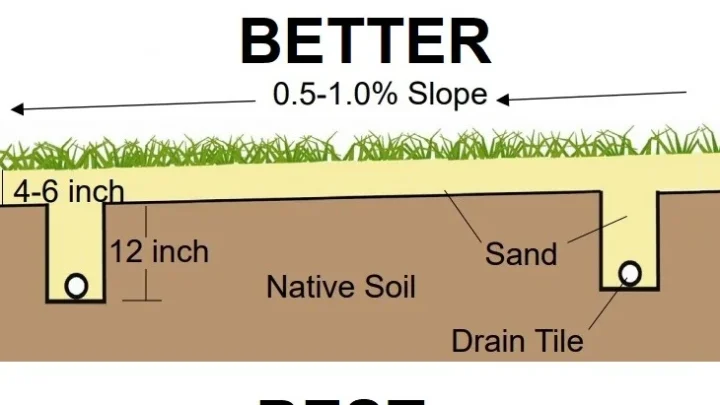
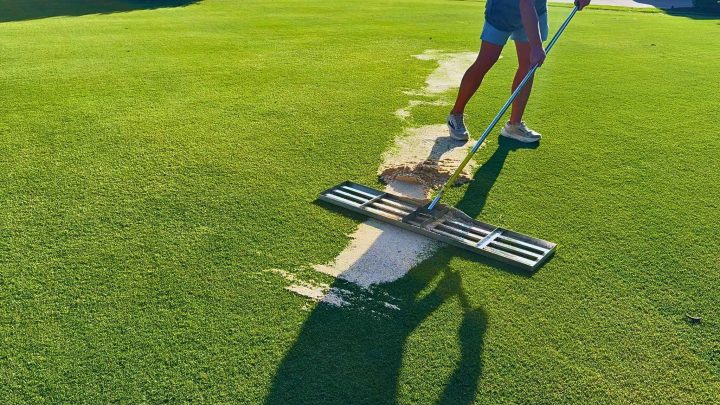
Topdressing low spots with sand or screened compost is a good next step, but it's rarely the first one.
Is a reel mower better than a rotary for cut quality?
For very short, fine turf like golf greens or Tifway Bermuda, reel mowers deliver a cleaner scissor-like cut. For most home lawns, a well-maintained rotary mower with a sharp blade cuts cleanly enough. The difference shows up most on stripes and pattern visibility, not on turf health.
Why are my stripes uneven even after sharpening the blade?
The deck is the next place to look. Measure the blade tip height on both sides of the deck, and check that the linkages haven't slipped. Tire pressure is the silent partner here, because an underinflated tire lowers one corner of the deck and tilts the cut.

Similar Posts