Walking on Grass After Weed and Feed: How Long to Wait
Lead Turfgrass & Lawn Care Specialist at Totally Green Lawn · Certified Turfgrass Specialist (CTS), Master Gardener, B.S. in Agronomy & Turf Science · 14+ years in residential turf management, organic fertilization, and weed science
Yes, you can usually walk on grass after applying weed and feed, but the exact timing depends on the product type and whether it's wet. Most granular weed and feed products are safe to walk on once the granules are no longer visible on the grass blades, typically within 24 hours. Liquid weed and feed requires the surface to fully dry, which takes 2 to 4 hours under ideal conditions, though manufacturers often recommend a 24 to 48 hour re-entry interval for full safety, especially if kids or pets use the lawn.
The reason this question matters so much is that weed and feed combines fertilizer with selective herbicides like 2,4-D, dicamba, or MCPP. Walking on treated grass too early can track product into your home, reduce effectiveness, and expose skin or paws to chemicals. As of 2026, manufacturer guidelines from brands like Scotts, BioAdvanced, and Andersons still anchor their safety advice to the EPA re-entry interval (REI) printed on every product label, which is the only number you should treat as gospel for your specific product.
Quick Answer
You can walk on grass after applying weed and feed once the product has dried or settled. Granular weed and feed is usually safe to walk on after 24 hours. Liquid weed and feed needs 2 to 4 hours of drying time, with 24 to 48 hours recommended before foot traffic.
Always follow the specific re-entry interval on your product label.
The Quick Answer: Walking on Your Lawn After Weed and Feed
If you just applied weed and feed and you're staring at the lawn wondering whether you can let the dog out, here's the short version: it depends entirely on the product form, the weather, and who's walking on the grass. There's no single universal timer because granular and liquid weed and feed behave very differently once they hit your lawn.
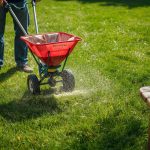
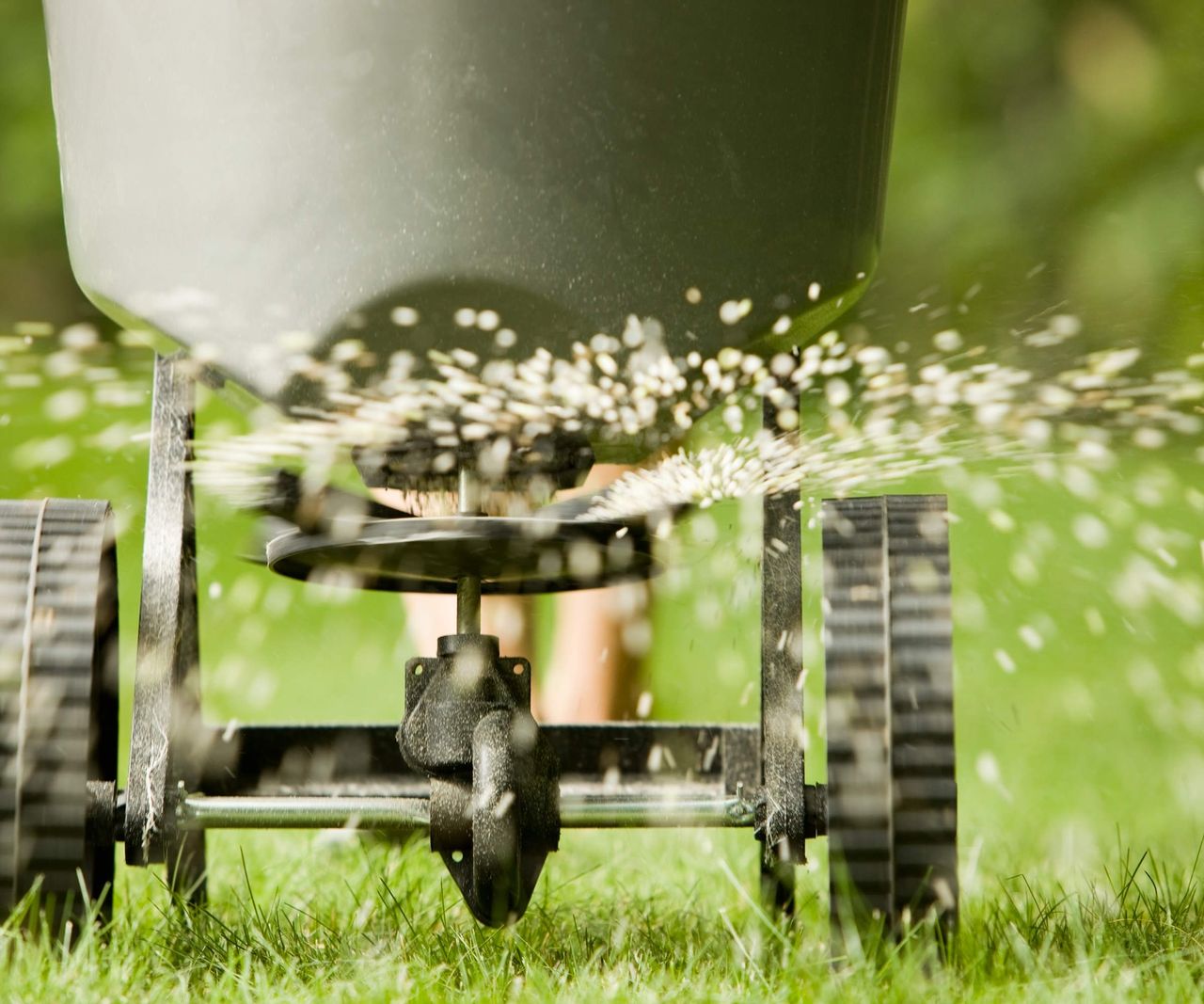
Granular weed and feed is the most forgiving. You spread dry pellets across the grass using a broadcast or drop spreader. Those granules need either watering-in or rainfall to activate and push the herbicide and fertilizer down into the soil where they do their work.
Until that happens, the granules sit on the blade surface. Walking on them too soon can knock them off-target, reduce effectiveness, and carry herbicide residue into your house on shoes or paws.
Liquid weed and feed is sprayed on, usually with a hose-end sprayer or pump sprayer. It starts working on contact once the leaves absorb it, and it needs to dry completely before foot traffic. Manufacturer specs confirm most liquid formulations need 2 to 4 hours of dry time under ideal conditions (above 60°F, low humidity, light breeze), with a full 24 to 48 hour re-entry interval for pets and children.
Here's the decision shortcut:
- If the product is granular and still visible on the blades, stay off.
- If the product is granular and the lawn has been watered-in, you're usually fine within 24 hours.
- If the product is liquid and the grass is still wet, stay off until dry.
- If the product is liquid and the grass is dry to the touch, you can typically walk on it, but wait the full 24 to 48 hours before letting kids or pets roam.
The reason the label matters more than any general rule is that re-entry intervals are set during EPA registration based on toxicity testing. Ignoring them puts you, your family, and your pets in the "stupid risk" category.
Granular vs. Liquid Weed and Feed: Why the Rules Differ
The two main product types follow completely different safety timelines because they deliver their active ingredients in fundamentally different ways. Understanding this difference is what separates a confident lawn owner from one who second-guesses every step.
How Granular Weed and Feed Works
Granular products combine dry fertilizer (nitrogen, phosphorus, potassium in ratios like 28-0-4 or 20-0-10) with herbicide pellets. You apply them with a calibrated spreader at a typical rate of 2.5 to 4 pounds per 1,000 square feet. The herbicide doesn't activate until moisture breaks the granule apart and carries the active ingredient into the soil and root zone.
That means three things for you:
- Visible granules on the lawn = stay off. Walking on them before watering-in causes two problems: you dislodge the product from where you applied it, and you pick up residue on your shoes that gets tracked onto your patio, driveway, and into the house.
- Watered-in granules = safe to walk on within hours. Once the lawn has been irrigated (manufacturer specs vary, but most call for a quarter to half inch of water within 24 hours of application), the granules dissolve and the herbicide moves into the soil. Foot traffic is generally fine after that point, though a 24-hour buffer is still smart.
- No rain in the forecast = problem. Granular weed and feed sitting on dry grass for 48+ hours loses effectiveness and increases the tracking risk. If rain isn't coming, water it in yourself with a hose or sprinkler.
How Liquid Weed and Feed Works
Liquid formulations mix concentrated herbicide and fertilizer with water and are sprayed directly onto the lawn. The herbicide starts absorbing through the leaf surface almost immediately, and the fertilizer feeds the grass on contact.
This changes the safety picture:
- The product has to dry before anyone walks on it. Wet spray means active ingredient is sitting on the blade surface. Foot traffic smears it, reduces absorption into the weed leaves, and transfers it to skin, paws, or indoor surfaces.
- Drying time is weather-dependent. A 75°F day with low humidity dries liquid in under 2 hours. A 60°F cloudy morning can stretch it to 4+ hours.
- The 24 to 48 hour re-entry interval is conservative on purpose. EPA re-entry intervals (REI) build in a safety margin so that even if the surface dries faster than expected, the residue has time to absorb fully before pets or kids make contact.
Side-by-Side Comparison
| Factor | Granular Weed and Feed | Liquid Weed and Feed |
|---|---|---|
| Application method | Spreader | Hose-end or pump sprayer |
| Time before walking (typical) | 24 hours after watering-in | 2–4 hours to dry, 24–48 hours REI |
| Activation | Needs water to dissolve | Starts on contact |
| Pet safety buffer | 24–72 hours after watering | 24–48 hours after drying |
| Risk of tracking | High before watering-in | High before drying |
| Best for | Larger lawns, fall applications | Spot treatments, spring green-up |
Key Timelines: Drying Time, Re-Entry, and Pet Safety
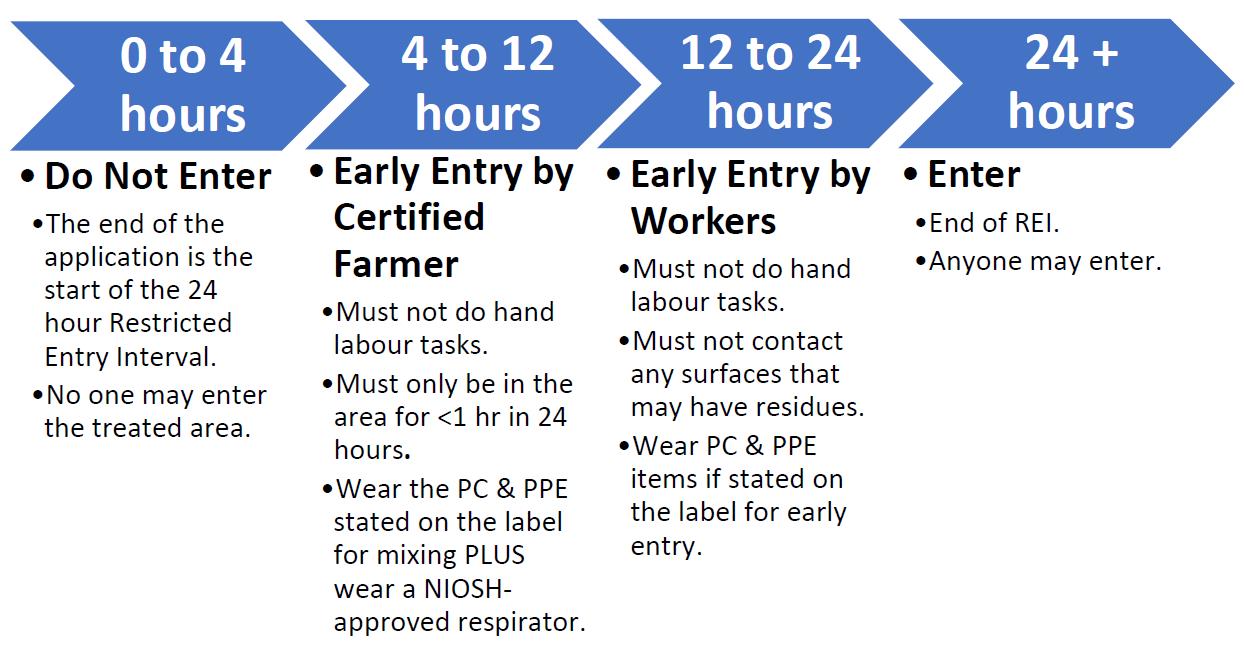
Image source: Bing (Web (fair-use with source credit))
The numbers below come from aggregate manufacturer label data and EPA pesticide registration guidance, which sets the minimum re-entry interval (REI) for each active ingredient. Your specific product's label overrides any general rule.
Standard Timelines by Product Type
| Scenario | Wait Before Walking | Pet/Child Safe |
|---|---|---|
| Granular, not yet watered-in | Until watering-in is complete | No |
| Granular, watered-in within 24 hours | 24 hours after application | 24–72 hours after watering-in |
| Liquid, still wet on blades | Until fully dry (2–4 hours typical) | No |
| Liquid, dry to the touch | Safe for adult foot traffic | 24–48 hours minimum |
| Liquid + rainfall within 8 hours | Reapply or extend wait | 24–48 hours after reapplication |
The Re-Entry Interval (REI) Explained
The REI is the legally required waiting period printed on every EPA-registered pesticide label. It reflects how long the active ingredient takes to absorb into plant tissue or break down to a level considered safe for human contact.
For most weed and feed products, the REI falls between 12 and 48 hours. The most common active ingredients and their typical REIs:
- 2,4-D: 12 to 48 hours, depending on formulation
- Dicamba: 24 hours
- MCPP (mecoprop): 24 to 48 hours
- Atrazine (used on warm-season lawns): 12 to 24 hours, restricted in some states
If your product label says "Do not allow people or pets on treated area until spray is dry," that's the binding rule. If it gives a specific hour count, that's even better.
Pet-Specific Concerns
Dogs are the most common reason this question gets asked, and for good reason. Dogs walk on treated grass, then lick their paws. The herbicide residue transfers directly to their mouth.
Manufacturer recommendations as of 2026 still default to 24 to 72 hours for pets, with some granular products cleared for pet traffic after a single watering-in event if the granules are no longer visible. Liquid products almost always require the full 24 to 48 hour window.
If you have a dog that needs to go outside:
- Apply weed and feed in the morning.
- Water it in by early afternoon.
- Keep the dog inside or in a non-treated area until the next day.
- Wipe the dog's paws with a damp cloth the first time it goes out, just to be safe.
Cats are even more sensitive because they groom more frequently. The same 24 to 48 hour buffer applies, with extra caution if your cat goes outdoors.
Why Rain Changes Everything
Rain within 8 hours of application is the most common reason weed and feed fails. It washes the herbicide off the weed leaves before it can be absorbed, reducing effectiveness and potentially pushing the product into storm drains via runoff.
Most granular products need 24 to 48 hours without rain to fully activate. Most liquid products need at least 8 hours of dry time after application. Check your local forecast before you start, and reschedule if storms are coming within 24 hours.
The Conditions That Change Your Answer (Decision Branch)
The single biggest mistake people make with weed and feed is treating it as a one-size-fits-all product. Your answer depends on five conditions that change the safe-walking timeline every time.
Condition 1: Product Form (Granular vs. Liquid)
If you applied granular weed and feed and the granules are still visible on the grass blades, stay off the lawn. Walking on it knocks the product off-target and tracks herbicide into places it shouldn't be. Once you've watered-in the lawn (or rainfall has done it for you), wait 24 hours for the standard safety buffer.
If you applied liquid weed and feed, the rule is simpler: don't walk on it until the grass is dry to the touch, and wait 24 to 48 hours before allowing pets or children on the lawn regardless of how it looks.
Condition 2: Whether It Has Been Watered-In
Granular product with no watering = stay off entirely.
Granular product after watering-in (within 24 hours) = 24-hour buffer before normal foot traffic.
Liquid product that dried naturally = 24 to 48 hour buffer.
Condition 3: Who Is Walking on the Lawn
- Adults in shoes: can usually walk on granular weed and feed after watering-in, with no extra precautions beyond avoiding the lawn for the first 24 hours if possible.
- Children: should stay off treated lawns for the full 24 to 48 hour REI, period. Kids sit on grass, put hands in mouths, and have more skin contact per pound of body weight than adults.
- Dogs: 24 to 72 hours, depending on product. Wipe paws on first outing.
- Cats: 48 hours minimum if they go outdoors.
Condition 4: Weather and Temperature
Hot, dry, breezy conditions speed up drying and reduce tracking risk. Cool, humid, still conditions slow everything down. If you applied liquid weed and feed at dawn on a 55°F morning, expect 4+ hours of drying time, not 2.
Condition 5: Proximity to Edible Gardens, Wells, or Waterways
If your lawn drains toward a vegetable garden, a well, or a stream, extend your buffer time and consider whether weed and feed is the right product at all. Selective herbicides can damage broadleaf crops, and fertilizer runoff contributes to nutrient pollution in local waterways. Some municipalities have buffer zone rules, often 25 to 50 feet, that apply regardless of drying time.
The Decision Branch in Plain English
Ask yourself these four questions in order:
- Is it granular or liquid?
, Granular → go to question 2.
, Liquid → go to question 3.
- Has it been watered-in, and are the granules still visible?
, No → stay off until watering-in is done.
, Yes → wait 24 hours, then resume normal foot traffic.
- Is the grass dry to the touch?
, No → wait until it is.
, Yes → adults can walk on it, but keep kids and pets off for 24 to 48 hours.
- Does the product label say something different?
, Yes → follow the label. Always.
Step-by-Step: Applying Weed and Feed Without Locking Yourself Out of the Yard
The goal here is simple: apply the product correctly so you can get back to using your lawn as quickly as the safety guidelines allow. Rushing the process is what causes most of the problems people blame on the product.
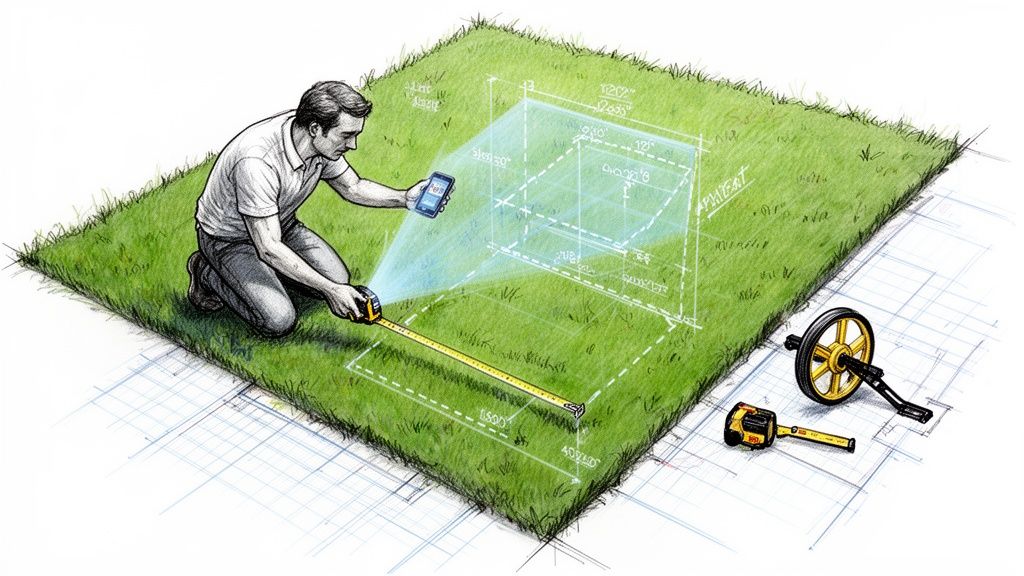
Step 1: Calculate Your Lawn Square Footage
Measure the length and width of each grass area, multiply to get square feet, and add them together. Most product bags cover 5,000 to 15,000 square feet, and over-applying is one of the fastest ways to burn your lawn and waste product.
Step 2: Mow 2 to 3 Days Before Application
Cut the grass to its normal height (usually 2 to 3 inches for most cool-season and warm-season lawns). Mowing too short before weed and feed stresses the grass and reduces the herbicide's ability to contact weed leaves. Don't mow again for at least 2 to 3 days after application.
Step 3: Check the Weather Forecast
You need 24 to 48 hours without heavy rain after granular application, and at least 8 hours of dry time after liquid application. Wind under 10 mph is ideal for liquid products to prevent drift. If the forecast doesn't cooperate, reschedule.
Step 4: Calibrate Your Spreader or Sprayer
For granular products, set your broadcast or drop spreader to the rate listed on the bag (typically 2.5 to 4 lbs per 1,000 sq ft). For liquid products, follow the dilution ratio on the label exactly. Don't eyeball it.
Step 5: Apply in a Consistent Pattern
Granular: walk in straight, slightly overlapping lines across the lawn, then repeat at a 90-degree angle for even coverage.
Liquid: spray in a steady back-and-forth pattern, keeping the nozzle 12 to 18 inches above the grass.
Step 6: Water-In (Granular) or Let Dry (Liquid)
Granular: apply a quarter to half inch of water within 24 hours. This dissolves the granules and activates the herbicide.
Liquid: do not water for at least 8 to 24 hours after application. Let the product dry on the leaves and absorb into the weeds.
Step 7: Stay Off the Lawn for the Label's REI
This is the hard part for most people, but it's the step that actually protects you. Set a reminder on your phone, close off the area with flags or a temporary fence, and keep pets inside until the timer is up.
Step 8: Resume Normal Use
After the re-entry interval has passed, walk on the lawn normally. Water as usual based on your grass type and climate. Most weed and feed products show visible weed kill within 7 to 14 days, with grass greening in 1 to 2 weeks.
Mistakes That Put People, Pets, and Lawns at Risk
Most weed and feed problems come from skipping steps or guessing instead of reading the label. The mistakes below are the ones that show up over and over in user reports and extension service complaint logs.
Applying Before Rain
Putting weed and feed down with storms forecast within 24 hours is the single most common error. Rain washes the herbicide off weed leaves before absorption, forcing you to reapply and re-do the entire waiting period. It also sends fertilizer and herbicide into storm drains, which is both wasteful and a water quality issue.
Skipping the Watering-In Step (Granular Products)
Granular weed and feed that sits on dry grass for days does almost nothing. The herbicide needs moisture to dissolve and reach weed roots. If rain isn't coming, water the lawn yourself within 24 hours of application.
Over-Applying for Faster Results
Dumping extra product doesn't kill weeds faster. It burns the grass, can kill desirable plants in adjacent beds, and increases the chemical load your pets and kids are exposed to. Stick to the rate on the bag, calibrated to your spreader.
Mowing Too Soon After Application
Mowing within 2 to 3 days of weed and feed removes the grass blades where liquid herbicide was absorbed, and it kicks up granular residue before watering-in is complete. Wait the full window before cutting again.
Letting Pets Out "Just for a Minute"
Even short exposure matters. A dog that runs across treated grass and licks its paws gets the same dose as one that stays out for an hour. The 24 to 72 hour pet buffer isn't a suggestion, it's the minimum.
Ignoring Nearby Gardens and Water Features
Herbicide drift and runoff don't respect property lines. Keep a 25 to 50 foot buffer from vegetable gardens, wells, streams, and ponds. Some municipalities require this by law, and Cooperative Extension Service publications lay out the specifics for your region.
Your Pre-Application Checklist and Final Decision Guide
Before you open that bag or bottle, run through this list. It takes five minutes and saves you from the most common headaches.
The Pre-Application Checklist
- Measured lawn square footage and calculated product amount
- Checked 24 to 48 hour weather forecast (no rain, low wind)
- Mowed 2 to 3 days ago at normal height
- Read the entire product label, including REI and PPE notes
- Calibrated spreader or sprayer to label rate
- Closed off the area with flags or a temporary barrier
- Planned pet and child care for the full REI window
- Have water source ready for granular watering-in
- Wearing gloves, long sleeves, and closed shoes during application
Final Decision Guide: Should You Walk on the Lawn Right Now?
Use this if you're standing at the back door with the dog on a leash, trying to figure out whether you're clear:
- Granular, not yet watered-in, granules visible: No. Walk the dog elsewhere.
- Granular, watered-in within the last 12 hours: No. Wait for the 24-hour buffer.
- Granular, watered-in over 24 hours ago, no granules visible: Yes for adults, 24 to 72 hours for pets.
- Liquid, grass still wet: No. Wait for it to dry.
- Liquid, grass dry but applied within last 24 hours: Adults can walk on it. Keep pets and kids off until 48 hours have passed.
- Liquid, applied over 48 hours ago, label REI satisfied: Yes for everyone.
When to Skip Weed and Feed Entirely
There are situations where the product isn't the right call:
- Lawn is drought-stressed or dormant
- New sod or seed installed within the last 3 to 6 months
- Grass is already showing signs of disease or fungal damage
- Forecast calls for extreme heat (above 90°F) within 48 hours
- You have a well, stream, or vegetable garden within 25 feet and no buffer plan
The One Thing to Remember
The label is law. The re-entry interval on your specific product is the only number that matters for your specific situation. Everything in this article is a framework, but the printed REI on the bag or bottle is what actually keeps your family, your pets, and your lawn safe.
🌾 Agronomist Recommended: Pre-Emergent & Weed Control Supplies
To prevent weed breakthroughs and protect desirable turfgrass from foliar injury, our agronomy field trials recommend calibrated pre-emergents and non-ionic surfactants:
- Professional Pre-Emergent:Check Prodiamine 65 WDG Pre-Emergent on Amazon →
- Non-Ionic Spray Surfactant:Check Non-Ionic Foliar Surfactants on Amazon →
*FTC Disclosure: As an Amazon Associate, Totally Green Lawn earns from qualifying purchases.*

Similar Posts