Kill Crabgrass Without Killing Your Fescue: A Complete Guide
Lead Turfgrass & Lawn Care Specialist at Totally Green Lawn · Certified Turfgrass Specialist (CTS), Master Gardener, B.S. in Agronomy & Turf Science · 14+ years in residential turf management, organic fertilization, and weed science
Crabgrass in a fescue lawn feels like a bad trade. You spray for the weeds, watch the fescue yellow, and the crabgrass still seeds out before fall. The good news: tall fescue is one of the easier cool-season grasses to keep standing, because the herbicide chemistry for this job is well studied.
As of 2026, university extension programs still rank quinclorac as the most reliable post-emergent option for crabgrass in tall fescue, with mesotrione as the only herbicide labeled for use at the same time you seed fescue.
Most homeowners damage their fescue by treating too late, picking the wrong active ingredient, or skipping a pre-emergent pass in spring. The right path depends on three things: your crabgrass growth stage, the season, and whether you plan to overseed fescue in the next two months. We'll walk through that decision tree below, starting with the simplest version.
Quick Answer
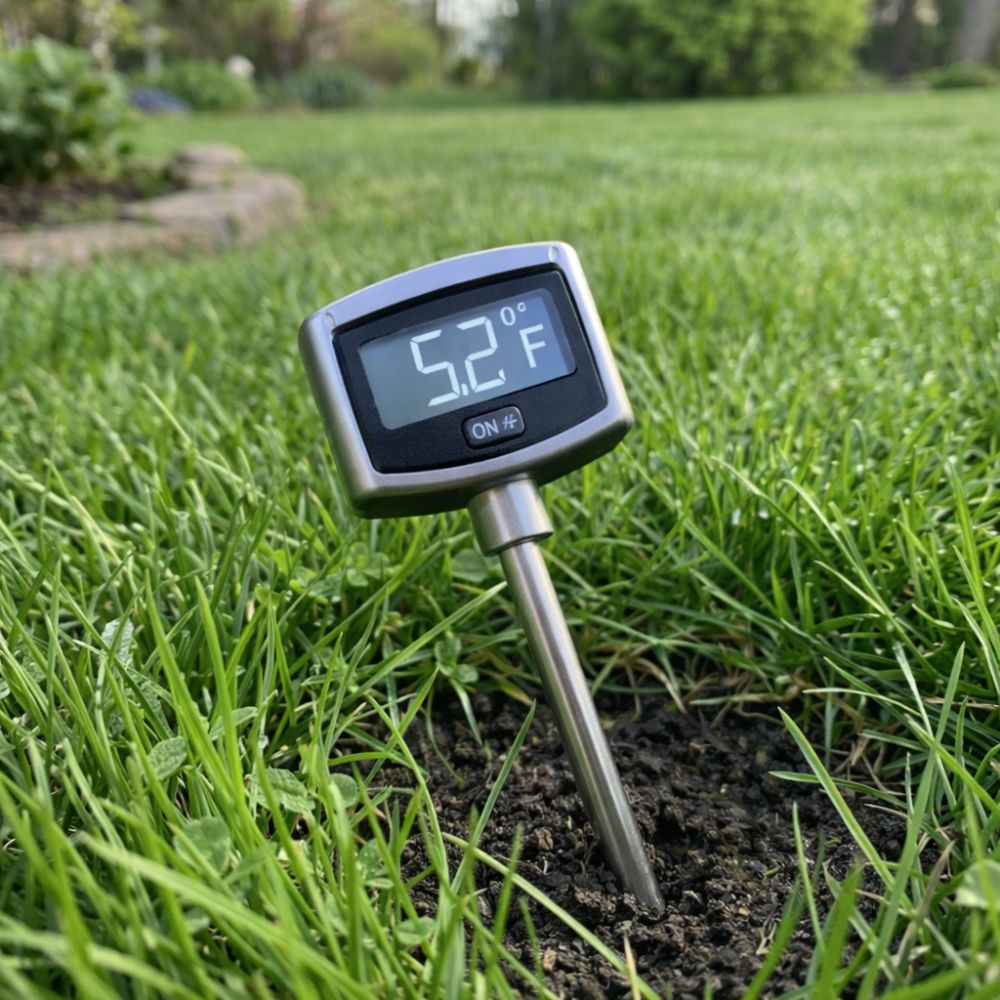
To kill crabgrass without harming fescue, use quinclorac (Drive) once crabgrass is young and actively growing. Apply mesotrione (Tenacity) if you also need to seed fescue. Always use a pre-emergent like dithiopyr or prodiamine in early spring before germination, when soil temps hit 55°F for three days in a row.
Skip glyphosate unless you're spot-treating with a shield.
The Real Problem: Why Crabgrass Wins in Fescue Lawns
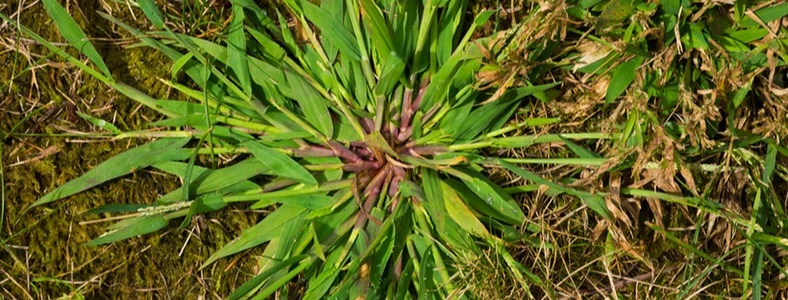
Crabgrass is a summer annual. It germinates when soil warms, races through its life cycle by first frost, and drops enough seed to outlast any single season of control. Tall fescue, on the other hand, is a cool-season bunchgrass.
It grows hard in spring and fall, then slows in summer heat. That gap is the whole story: crabgrass fills the hole your fescue leaves open in July and August.
Why cultural conditions matter as much as herbicides
If your fescue is mowed short, watered shallow, or sitting on compacted soil, no herbicide saves it. Crabgrass loves thin turf, hot bare spots, and frequent short irrigation. Fescue prefers the opposite: mow at 3 to 3.5 inches, water deeply but less often, and core aerate in fall.
The herbicide is the fix for this year. The mowing and watering changes are the fix for next year.
Why most "weed and feed" products disappoint on fescue
Many combination products target broadleaf weeds like dandelions, not summer annual grasses. Read the active ingredient line. If you don't see quinclorac, fenoxaprop, mesotrione, dithiopyr, or prodiamine on the bag, you're buying fertilizer with herbicide that won't touch crabgrass.
Worse, some of those products can stress fescue during summer heat, which is exactly when crabgrass is peaking.
The transition zone factor
Most readers searching this question live in the transition zone, where fescue struggles in summer and crabgrass thrives. That's why the timing windows below are tight. North of the transition zone, you have a wider spring window.
South of it, you're leaning more on Bermuda or zoysia, and crabgrass control looks different. The plan in this article is built for the transition zone, with notes where it shifts.
Fescue-Safe Herbicide Options: What Works at Each Stage
There's no single product that handles every situation. The right pick depends on whether you're preventing seed or killing visible plants, and whether you plan to seed fescue this fall.
The five active ingredients worth knowing
| Active ingredient | Type | Fescue safe? | Notes |
|---|---|---|---|
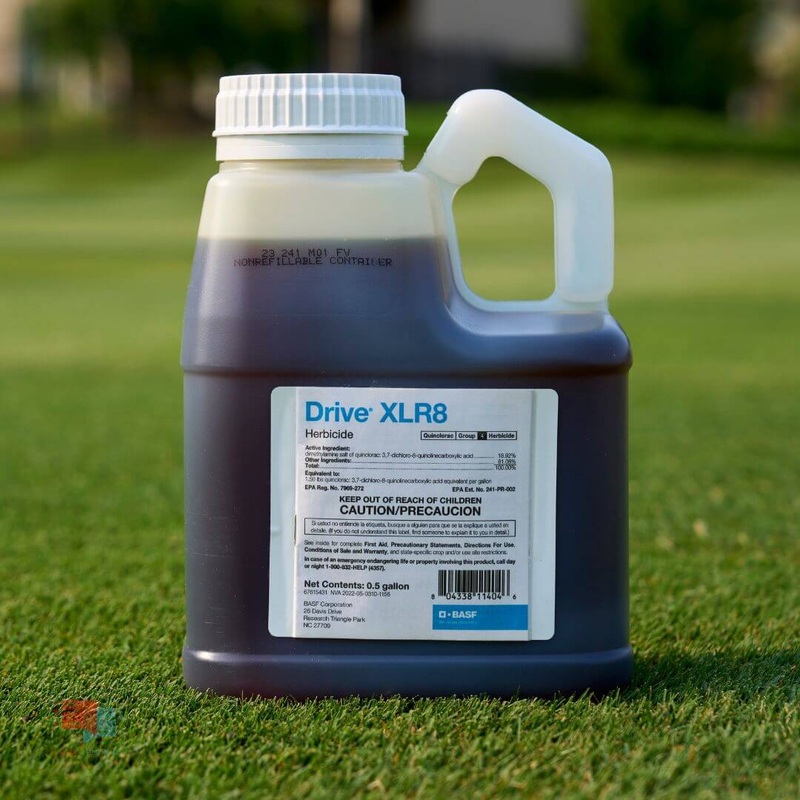
| Quinclorac | Post-emergent | Yes | Best on young crabgrass up to 3 tillers |
| Fenoxaprop-P-ethyl | Post-emergent | Yes | Stronger on larger plants, more fescue stress |
| Mesotrione | Pre + early post | Yes | Only herbicide labeled at seeding |
| Dithiopyr | Pre-emergent | Yes | Some early post-emergent activity |
| Prodiamine | Pre-emergent | Yes | Long residual, longer seeding restriction |
Post-emergent picks for visible crabgrass
Quinclorac is the workhorse. Manufacturer specifications indicate it controls crabgrass up to the 3-tiller stage and has good fescue tolerance when applied at labeled rates. Add a methylated seed oil surfactant for leaf penetration, especially on bigger plants.
Avoid spraying when fescue is heat-stressed or under drought.
Fenoxaprop (found in products like Acclaim) works on larger crabgrass but is rougher on fescue. Use it when quinclorac has failed, not as a first choice.
Mesotrione is a pre-emergent that also bleaches out young crabgrass seedlings. It's the only option you can spray at the same time you overseed fescue, which is a huge plus if you're renovating.
Pre-emergent picks for next year's seed bank
Prodiamine and dithiopyr are the two most common pre-emergents in consumer products. Both are safe on established fescue. Both block crabgrass seed from germinating.
Neither will help once crabgrass is up.
Dithiopyr has a slight edge because it can kill very young crabgrass (one-leaf stage) in addition to preventing new germination. Prodiamine gives a longer residual but carries a longer seeding restriction after application.
What to avoid
Skip glyphosate unless you're spot-treating a single clump with a shield or brush. It's non-selective and will kill fescue on contact. Skip MSMA if you can.
It's restricted in many states and not labeled for residential fescue lawns. Skip imazapic and other pasture herbicides. They're not labeled for home turf and will damage fescue.
When to Act: Timing Branches by Season and Crabgrass Growth
The same herbicide can succeed in May and fail in July, all because of timing. Here's how to read the calendar and the crabgrass itself.
If you're reading this in early spring (soil under 55°F)
You're in the pre-emergent window. Crabgrass seed hasn't germinated yet. Apply dithiopyr or prodiamine now, water it in with a quarter inch of irrigation or rain within a few days, and you're done with this step for the season.
Per the EPA Office of Pesticide Programs, always follow the label rate and reentry interval for whatever product you choose.
If you're reading this in late spring (soil at 55°F for 3+ days, no crabgrass visible)
You're still in time for pre-emergent, but the window is closing. Get prodiamine or dithiopyr down this week. If you wait two more weeks, expect escapes.
If crabgrass is visible but small (1 to 3 tillers)
This is the sweet spot for quinclorac. Spray when the plant is green and actively growing. Add surfactant.
Skip mowing 48 hours before and after. You'll see yellowing and death within 7 to 14 days.
If crabgrass is tillered out and full (4+ tillers, often mid-July or later)
Quinclorac still works but takes longer and needs a second pass. Fenoxaprop is an option here, but expect more fescue yellowing. The honest answer: large mature crabgrass is hard to kill cleanly in summer fescue.
Treat it, accept some turf stress, then focus on thickening fescue in fall so it doesn't come back next year.
If you're also overseeding fescue this fall
Skip the pre-emergent pass in spring, or use mesotrione instead. Mesotrione is labeled for use at seeding and will suppress crabgrass while your new fescue establishes. Standard tall fescue seeding runs September through mid-October in most of the transition zone.
Step-by-Step Workflow: From Spring Prevention to Mid-Summer Rescue
Here's the full path from spring to fall, broken into the decisions you'll actually make.
Step 1: Scout the lawn in late March
Walk the lawn. Look for last year's crabgrass patches, thin spots, and bare areas. Mark them mentally or with flags.
These are your priority zones for pre-emergent and any fall overseeding.
Step 2: Watch soil temperature
Grab a soil thermometer. Check the surface inch in full sun each morning. When you see three consecutive days at or above 55°F, your pre-emergent clock starts.
Per university extension guidance from Virginia Tech, this is the biological trigger for crabgrass germination in the Mid-Atlantic transition zone.
Step 3: Apply pre-emergent
Use prodiamine or dithiopyr at the label rate. Apply evenly with a broadcast spreader for granular, or a calibrated sprayer for liquid. Water in within 48 hours.
Skip the application if you plan to seed fescue in the next 60 days unless you're using mesotrione.
Step 4: Spot-treat escapes in June
Walk the lawn weekly in early summer. Any crabgrass that slipped through the pre-emergent needs quinclorac at first sight. Small plants are ten times easier to kill than large ones.
Step 5: Stay off the lawn during heat
Don't spray anything when fescue is dormant or heat-stressed. That usually means no treatments once daytime temps stay above 90°F for stretches. Let the lawn rest, water it deeply once a week, and mow high.
Step 6: Plan fall overseeding in August
If your lawn is thin, plan to overseed tall fescue in September. Order seed now. Core aerate right before seeding.
Use mesotrione at seeding if crabgrass is still active.
Step 7: Evaluate in late fall
After your last mow, note which areas had crabgrass. That's your map for next year's pre-emergent timing and any spot treatments.
Common Mistakes That Damage Fescue (or Just Waste Product)
Most fescue damage from crabgrass treatments isn't from the wrong herbicide. It's from the right herbicide applied at the wrong time, in the wrong weather, at the wrong rate. Here's where homeowners lose the lawn.
Treating during heat or drought
Fescue shuts down when temps stay above 90°F. Any herbicide hit during that stress window magnifies damage. You'll see yellow stripes or worse.
If your lawn is dormant and crunchy underfoot, wait. Water it deeply for a week, then reassess.
Skipping the surfactant on quinclorac
Quinclorac needs a methylated seed oil or non-ionic surfactant to penetrate crabgrass leaves. Aggregate reviews and product labels confirm that surfactant-free applications often underperform, especially on tillered plants. The cost is a few dollars per gallon of spray.
Worth it.
Mowing right before or after spraying
Mowing removes the leaf surface area the herbicide needs to absorb. Wait at least 48 hours before and after a post-emergent application. Bag the clippings the next mow so you're not spreading live seed heads.
Using a "weed and feed" for crabgrass
Most weed and feed products target dandelions and clover, not crabgrass. Read the active ingredient list. If you don't see one of the five we covered above, you've bought fertilizer that won't help.
Overseeding too soon after a pre-emergent
Prodiamine blocks fescue seed germination right alongside crabgrass. Most labels require a 60 to 120 day wait, sometimes longer, before overseeding. If fall seeding is part of your plan, plan the pre-emergent pass accordingly or use mesotrione instead.
Spraying glyphosate on the whole lawn
Glyphosate doesn't discriminate. A single pass kills fescue along with the crabgrass. If you must use it, brush it directly onto crabgrass clumps, or shield the fescue with a piece of cardboard while you spray.
Pro Tips and Long-Term Fescue Defense Against Crabgrass
Herbicide is one season. Culture is ten seasons. The homeowners who beat crabgrass long-term treat the fescue as the crop, not the crabgrass as the target.
Mow at the right height all year
Keep fescue at 3 to 3.5 inches from spring through fall. Taller grass shades the soil, drops soil temp at the surface, and physically crowds out crabgrass seedlings. Scalping the lawn in early spring is a top reason crabgrass shows up every summer.
Water deeply, not daily
Fescue wants about an inch of water per week, applied in one or two deep sessions. Daily shallow watering trains shallow roots and keeps the surface moist, which is exactly what crabgrass wants.
Overseed thin spots every fall
Tall fescue is a bunchgrass. It doesn't spread. Bare spots stay bare unless you seed them.
A fall overseeding at 4 to 6 lb per 1000 sq ft thickens the stand and crowds out next year's crabgrass.
Core aerate in fall
Compacted soil is a crabgrass invitation. Core aeration every other year in September or October opens the soil, lets fescue roots expand, and reduces the thin patches where crabgrass germinates.
Spot-treat, don't broadcast
If you have ten crabgrass clumps in a 5000 sq ft lawn, mix a hand-pump sprayer with quinclorac and walk the lawn. Spot treatment saves product, limits fescue exposure, and lets you treat escapes without re-treating the whole yard.
Keep a year-over-year map
Crabgrass is predictable. The same patches come back year after year because that's where the seed bank is densest. Mark them.
Treat those zones first. Consider a slightly higher pre-emergent rate in those spots if your label allows it.
Frequently Asked Questions
Will crabgrass killer kill fescue?
Not if you use a fescue-safe selective product. Quinclorac, mesotrione, and fenoxaprop are labeled for use on tall fescue. Glyphosate and other non-selective herbicides will kill fescue on contact, so avoid them for broadcast lawn use.
When is it too late to spray crabgrass in fescue?
Once crabgrass has 4 or more tillers and the plant is heading out, control gets much harder. You can still spray quinclorac, but expect partial kill and a likely second pass. Late August and September treatments rarely justify the fescue stress they cause.
Can I seed fescue and kill crabgrass at the same time?
Yes, with mesotrione. It's the only herbicide labeled for application at seeding on cool-season turf. It suppresses crabgrass germination and bleaches out young seedlings while new fescue establishes.
Skip prodiamine and dithiopyr at seeding. They'll block the fescue.
What is the best pre-emergent for crabgrass in fescue?
Dithiopyr and prodiamine are the two most common. Dithiopyr gives a slightly shorter residual but adds early post-emergent activity on one-leaf crabgrass. Prodiamine lasts longer in the soil but carries a longer overseeding restriction.
How do I tell crabgrass from fescue in summer?
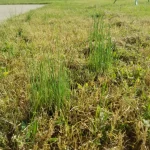
Crabgrass has wider, lighter green blades that grow flat and outward from a central crown. Fescue blades are narrower, darker, and grow upright in clumps. Crabgrass stems also root at the nodes when they spread, while fescue does not.
Should I pull crabgrass by hand instead of spraying?
Hand-pulling works for a few clumps in a small lawn. For larger infestations, it's slow and usually breaks the stem, leaving the root to regrow. For anything more than a dozen plants, spray.
The herbicide gets the crown.
🌾 Agronomist Recommended: Pre-Emergent & Weed Control Supplies
To prevent weed breakthroughs and protect desirable turfgrass from foliar injury, our agronomy field trials recommend calibrated pre-emergents and non-ionic surfactants:
- Professional Pre-Emergent:Check Prodiamine 65 WDG Pre-Emergent on Amazon →
- Non-Ionic Spray Surfactant:Check Non-Ionic Foliar Surfactants on Amazon →
*FTC Disclosure: As an Amazon Associate, Totally Green Lawn earns from qualifying purchases.*

Similar Posts